 English
  Chinese
 The process of plastic injection molding is a manufacturing process whereby thermoplastics are melted, almost like glass, and then forced into an extremely precise mold with high pressure, followed by cooling to harden the thermoplastics into the precise form or size you require. It is famous for its precision, speed, and consistency. It is the reason why it has remained an important molding process in the world of plastics for such a long time. It’s used in everything from car parts to consumer electronics, medical equipment, industrial components, and many other plastic products.

Overview of the Plastic Injection Molding Process
The basic concept of plastic injection molding can be explained as follows:
- Heating the solid plastic
- Injecting it under pressure into the mold
- Cooling and solidifying
- Demolding the part.
Success in injection molding requires a very close relationship between the machine that propels the plastic, the mold on which it is being placed, and the plastic itself. In most cases, this is done through automation for continuous production. The level of control and ability to repeat the procedure accurately has made injection molding an excellent procedure for creating intricate and complex plastic products on a massive scale.
Step by Step Guide to the Plastic Injection Molding Process
Step 1: Material Preparation
Plastic materials come in different forms when they are delivered. They may be pellets or resin. The common types used for injection molding include ABS, PP, PE, PC, and PA (nylon). Each type has its unique advantages when it comes to strength, heat resistance, flexibility, and appearance. Before being used in injection molding, the material is placed inside the machine’s hopper, and sometimes it is dried to eliminate moisture.

Step 2: Heating and Melting
In this step, the thermoplastics are transported through the machine’s barrel. The thermoplastics are melted gradually as the screw turns and advances. The thermoplastics are melted not only through the application of heat but also through the mechanical action of the screw. The machine’s barrel is divided into several sections, each with its own temperature control. The temperature is regulated according to the type of thermoplastics being melted.
Step 3: Injection
The plastic, now melted, is ready for shaping. The screw continues moving forward, pushing the melted plastic into the mold. When the mold closes up again, the melted plastic is pressed into the mold. Pressure is an important plastic injection molding process; without it, the product may not look right and may have flaws that affect how strong it is.
Step 4: Packing and Cooling
The machine then maintains the pressure to counteract the shrinkage of the plastic. After the mold is filled with the melted plastic, the machine then starts the cooling process. The machine uses coolant channels in the mold to draw out the heat, allowing the plastic to solidify in the mold. The process of cooling takes the longest time in the entire process.
Step 5: Mold Opening and Ejection
Once the part has cooled and strengthened, the mold opens, and the ejector system forces the produced part out of the mold cavity. A smooth ejection process is critical in plastic injection molding process, and careful mold design can prevent deformation, scratches, or sticking, which in turn increases the output of high-quality parts.
Step 6: Post-Processing
Some plastic products require additional post-processing after molding, such as trimming gates and burrs, painting, plating, silk printing, laser marking, or assembling with other components.
Although not part of the core plastic injection molding process, these steps enhance the product’s appearance, functionality, and market competitiveness.
Advantages of the Plastic Injection Molding Process

- High production efficiency: The plastic injection molding process suitable for mass production, with decreasing costs per unit as the volume increases.
- Dimensional accuracy: Precise molds and controlled process parameters ensure consistent parts that meet tight tolerance requirements.
- Complex part molding: This process can produce parts with complex geometries, thin walls, and intricate details in a single molding step, reducing post-processing.
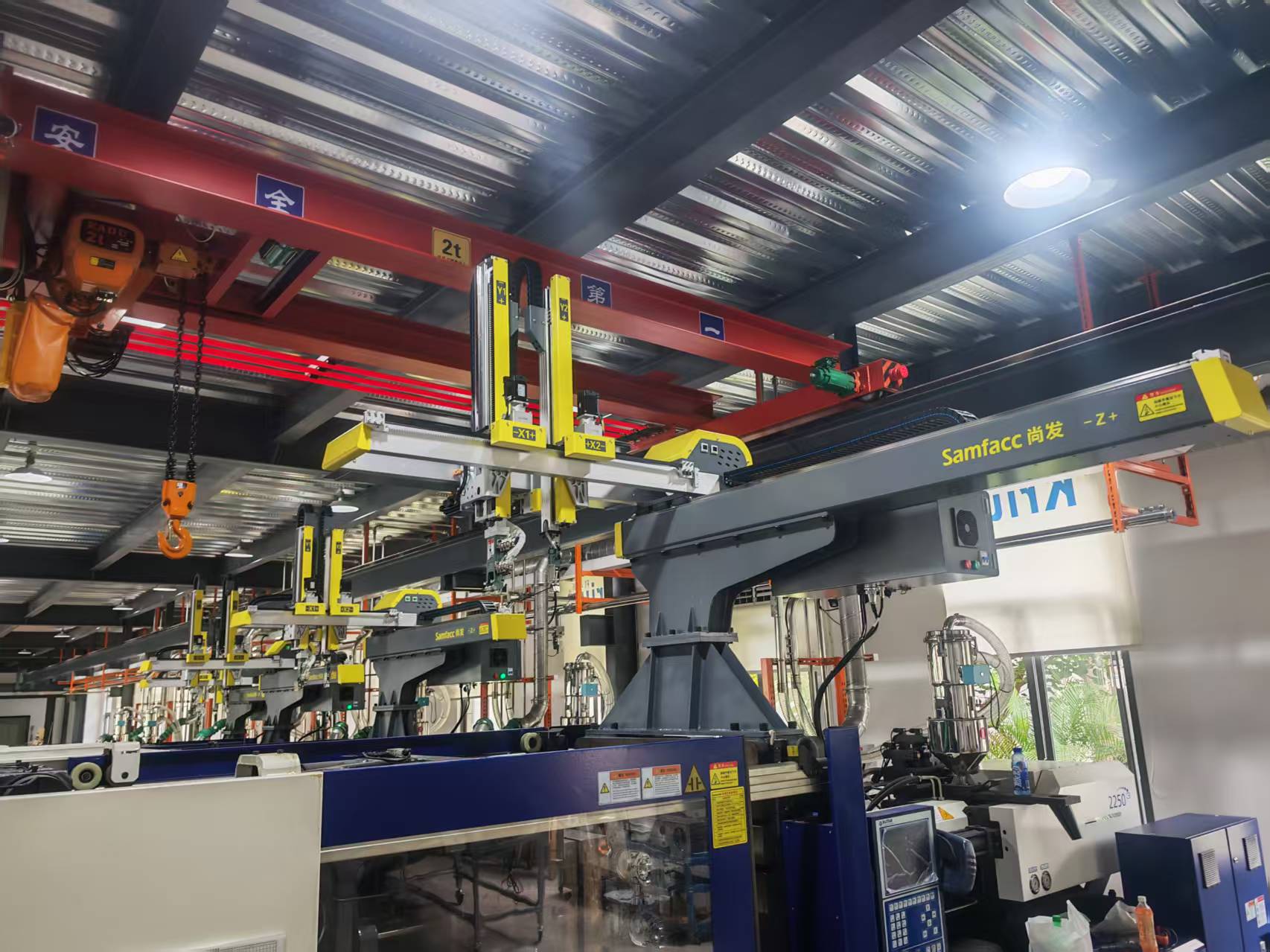
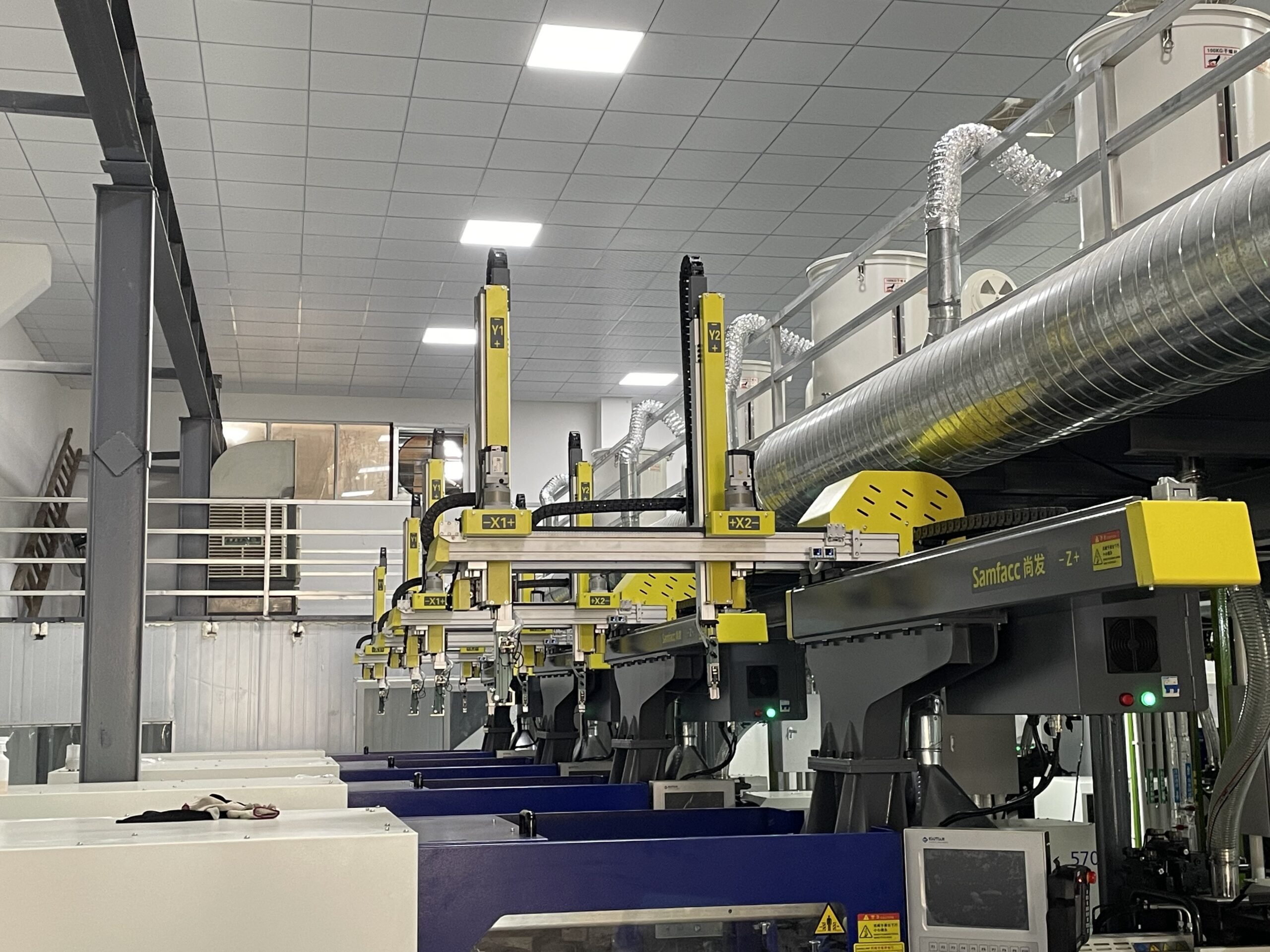
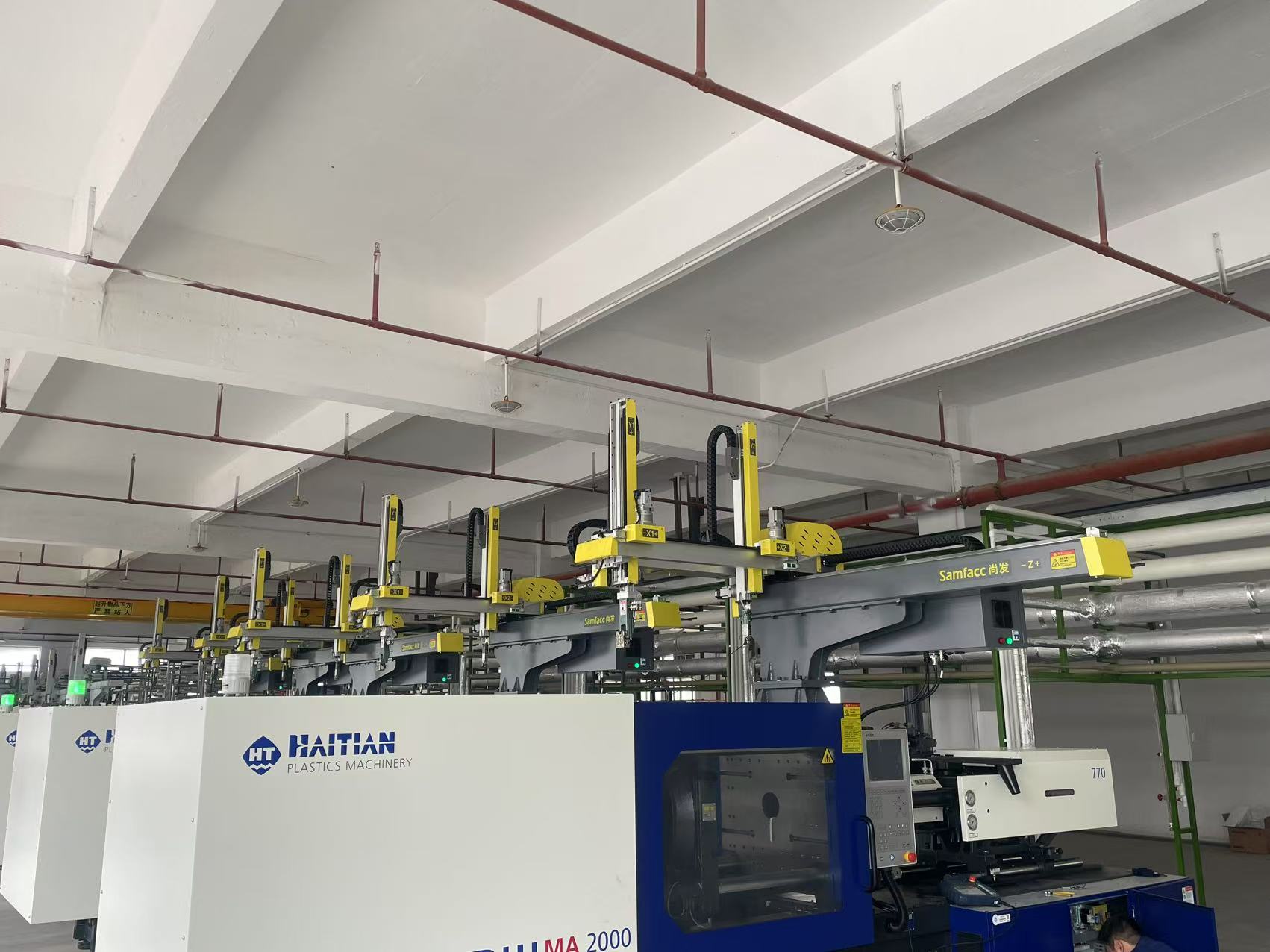
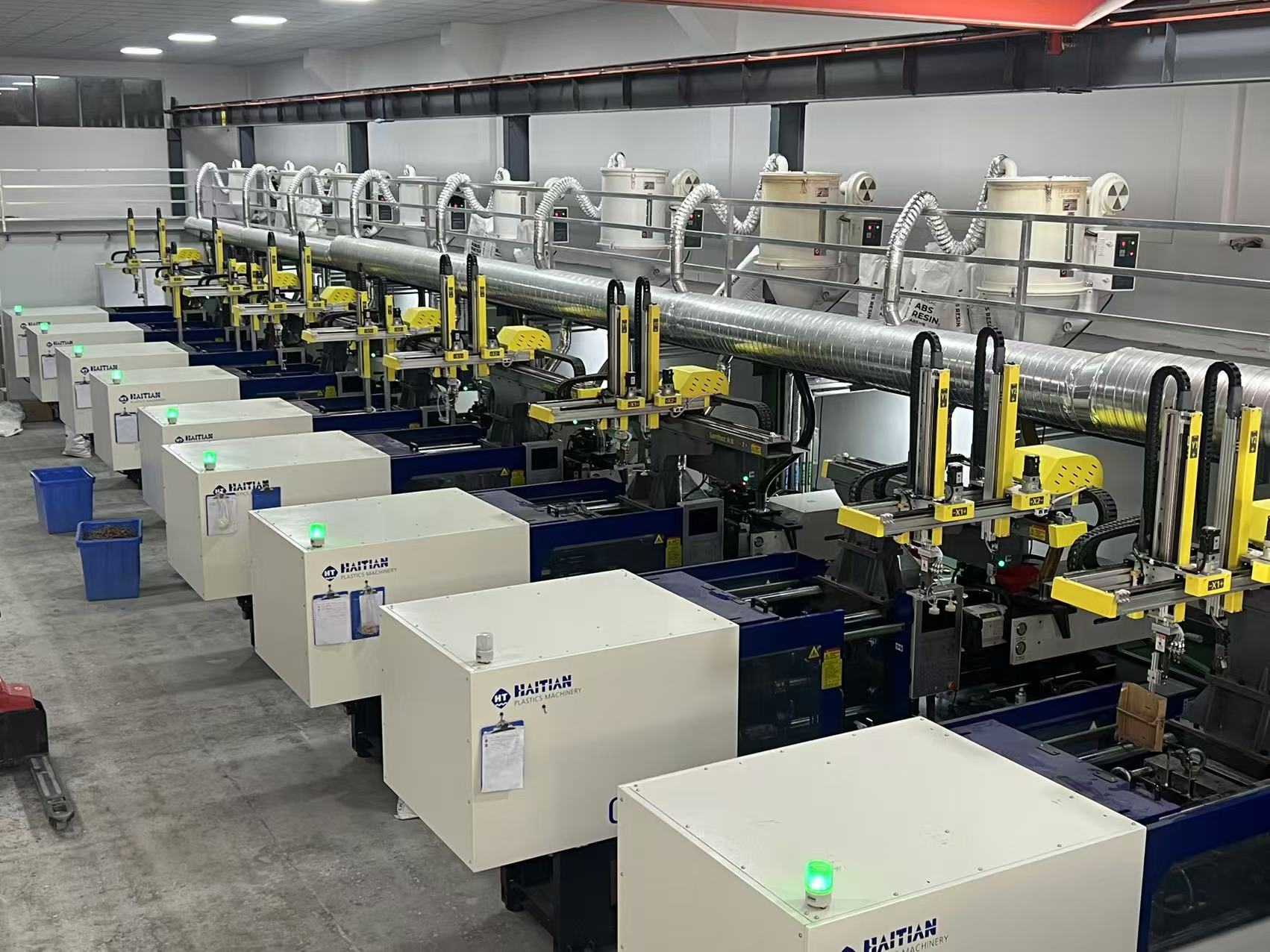
- High automation: The process can be highly automated, reducing manual labor and human error while improving overall production efficiency.
These advantages make plastic injection molding process the most popular manufacturing process in the world.
Conclusion
Plastic injection molding process is an efficient manufacturing process that involves several steps. It includes material preparation, heating, melting, injection, cooling, and demolding. It is an important manufacturing process since each step plays an important role in the molding process. By mastering the entire step-by-step process, manufacturers can fine-tune the molding process, minimize production costs, or improve the product’s quality. As a trusted injection molding solution provider, SAMFACC offers professional support from design to mass production. If you are looking for reliable plastic injection molding services, please Contact Us to see how SAMFACC can support your project.