 English
  Chinese
 Look around you and observe that some of the objects you use daily have likely been manufactured through injection molding. Plastic injection molding is a common manufacturing process that allows for the production of complex products with great precision, speed, and effectiveness. Injection molding has become ubiquitous in nearly all industries, from the automotive industry to the electronics industry and other industries.
Understanding the process of injection molding machine is essential for anyone involved in modern manufacturing and product design.

1. What’s Injection Molding?
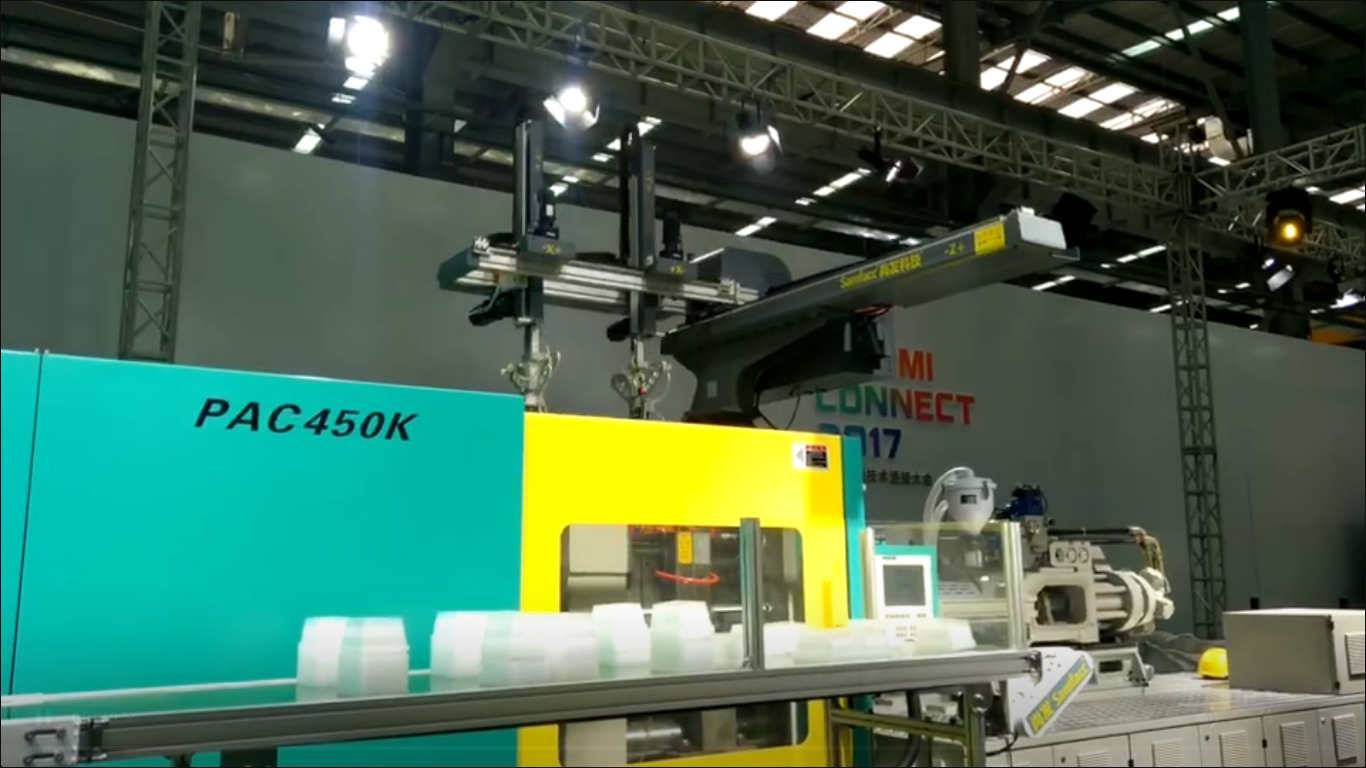
The process of injection molding machine for recycling thermoplastic and thermosetting plastics. The plastics are melted and also fitted into the earth through an injection molding machine. After the plastics have cooled and hardened, the earth opens up, and the product is ejected as the final product. The injection molding machine has become an important tool for product design and manufacturing. The process of injection molding machine involves the injection of molten plastic into a mold.
2. Plastic Injection Molding Process
- Material Selection
Products bear different types of accoutrements that have special rates, such as heat resistance, strength, pliancy, and face finish, depending on the product type. Accoutrements may vary, and common materials include polypropylene, polyethylene, polycarbonate, and engineering plastics.
- Feeding and Melting
The plastic material, which has been dried, is then inserted into the machine’s hopper and then melted by a screw or plunger, which rotates and pushes the plastic into a molten substance. Moisture and impurities are removed in this process, and the process ensures that there are no bubbles during the injection process in the process of injection molding machine.
- Injection
The molten plastic material is then forced into a mold under pressure, filling the mold, depending on the product type and size. This process requires precision in injecting the molten plastic into the mold, and it is a key factor in the process of injection molding machine.
- Cooling
After the mold is filled, the plastic cools and solidifies. Cooling time and temperature have a direct effect on accuracy and warping. A well-designed cooling system can greatly reduce cycle time and still provide process consistency for the injection molding machine.
- Mold Opening and Ejection
After cooling, the mold opens, and the part is ejected by ejector pins or mechanical systems. It is necessary to be careful to protect the surface and avoid deformation. Ejection is the final step of the process of injection molding machine to ensure the product is not damaged.
- Post-Processing
The molded part may need to be trimmed for flash or gates and other processing, like coating, overmolding, or assembly.
3. What is Overmolding?
This is a unique step in the process of injection molding machine, where an alternative material is applied onto an existing part to create a new composite component.
Overmolding Process: This process involves creating the base part first, followed by placing it in the alternate earth for injection.
- Base Part conformation. This part is generally made from a stiff material, such as PC or ABS.
- Alternate Material Injection. This process involves edging in soft or elastic accoutrements, like TPU or silicone, onto specific areas of the part for better grip, sealing, or bumper.
- Cooling and Ejection. This is the final stage, whereby the part is ejected from the earth after cooling, forming the new part.
Overmolding is widely used to enhance both the functionality and appearance of products. In consumer electronics, it can improve grip or provide thermal insulation, while in medical devices, it offers ergonomic design and a soft-touch surface.
4. Injection Molding Design Considerations
When creating an injection-molded corridor, certain considerations need to be taken into account, including part consistency, draft, groundwork, and gate placement, among others. This is part of the injection molding process of injection molding machine

5. Conclusion
Injection molding is a very efficient and versatile process of injection molding machine thatcan be used for the production of everything from consumer goods to precision industrial parts. Overmolding is another process that further enhances the functionality and design possibilities of plastic parts. SAMFACC, a global leader in injection molding machines, provides the tools and technologies needed for businesses to excel in the plastics manufacturing sector. To learn more about our solutions or request a consultation, contact us today and discover how SAMFACC can help elevate your production capabilities.