 English
  Chinese
 A high speed robot arm is an industrial robotic system optimized for fast, repetitive movements with high positional accuracy. This article will explain how high-speed robotic arms operate in real-world production environments and why they play such an important role in today’s factories.
Why Speed Matters in Automated Production
In high-volume manufacturing, speed directly affects cost per unit. When production cycles are measured in seconds, even a small reduction in movement time can significantly increase daily output.
A high speed robot arm contributes to this improvement in several ways:
- It removes finished parts from molds or fixtures quickly, reducing machine idle time
- It performs consistent movements without fatigue, unlike manual handling
- It synchronizes precisely with upstream and downstream equipment
For instance, if the cycle time in an injection molding process ranges between 3 and 6 seconds, a normal robot would not be able to cope with the situation. A high-speed robot can match the speed of the machine, if not better.
Typical Structure and Motion
Most high-speed robot arm solutions operate on models that contain three to five axes controlled by servos. Three axes are typically preferred when performing simple pick-and-place functions. Systems with five axes are preferred when the need arises to insert parts while rotated. Key design characteristics usually include:
- Telescopic arm structures to minimize travel distance
- Optimized joint layout to reduce unnecessary motion
- Servo motors with fast response and precise feedback
These features allow the robot to achieve very short fetch and placement times. In some applications, fetch times can be well under one second, making the robot suitable for thin-wall products and other fast-cycling items.
Common Application Scenarios
A high speed robot arm is rarely a standalone device. Its value comes from how well it integrates into a production process. Typical application scenarios include:
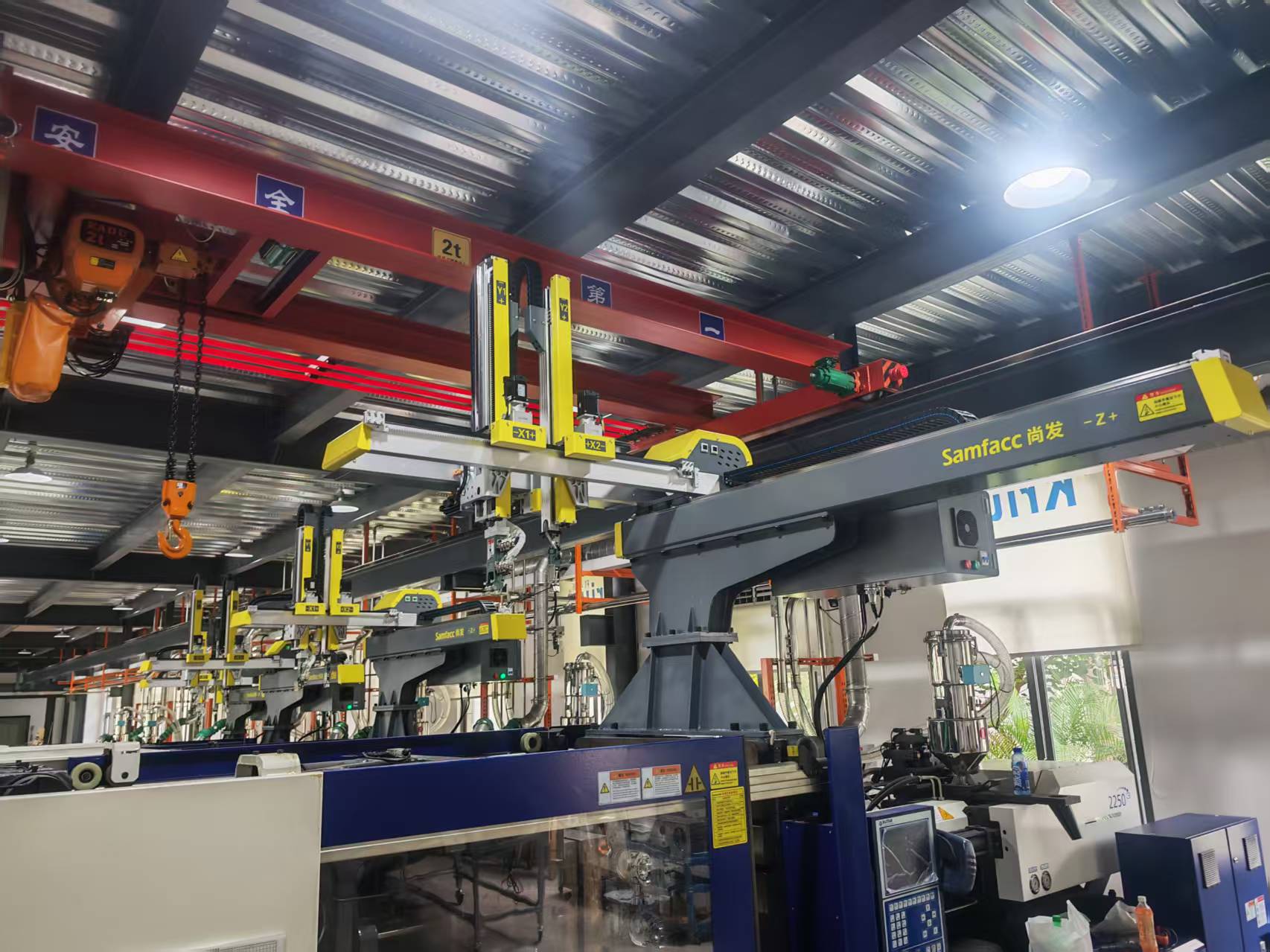
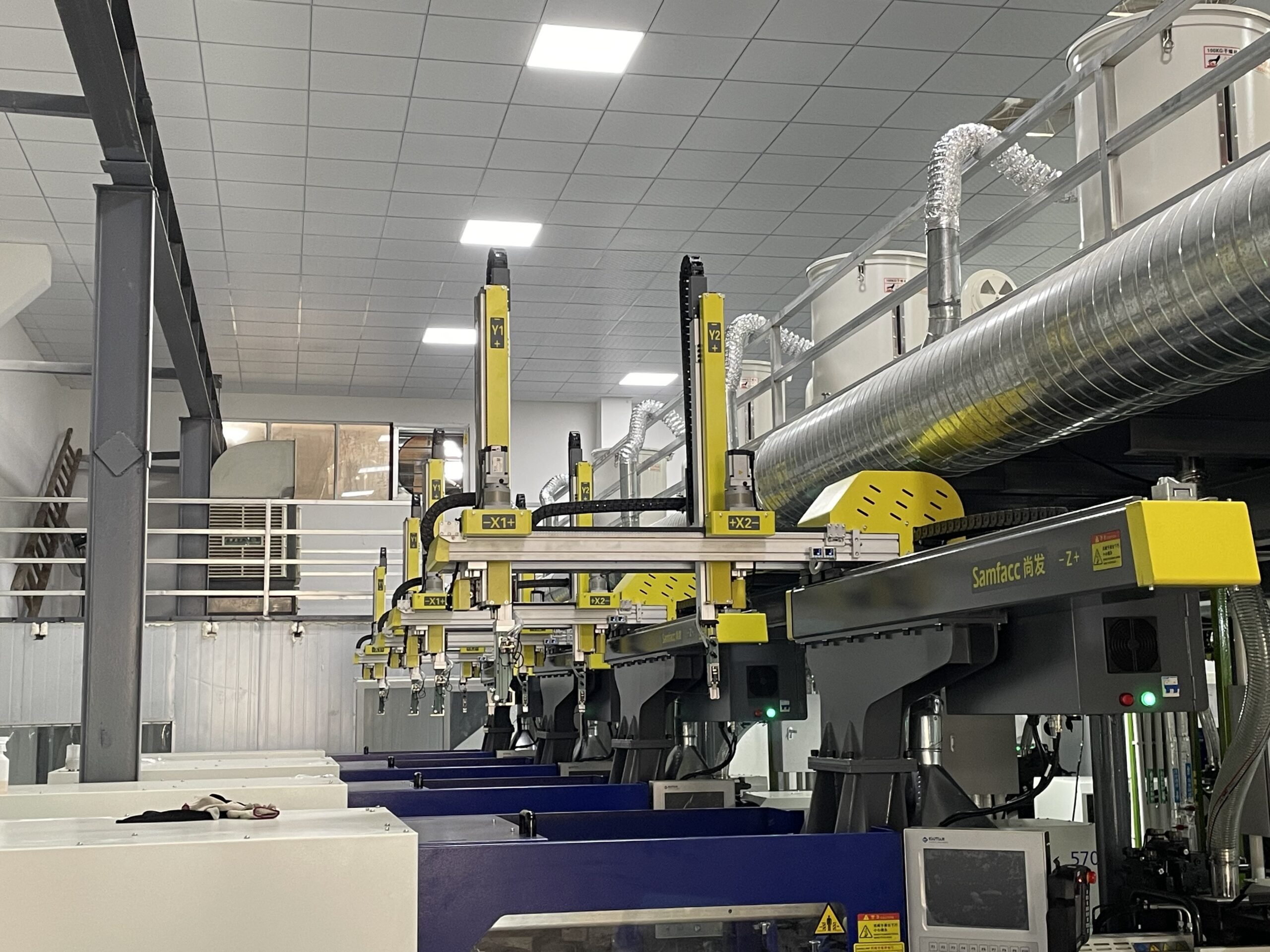
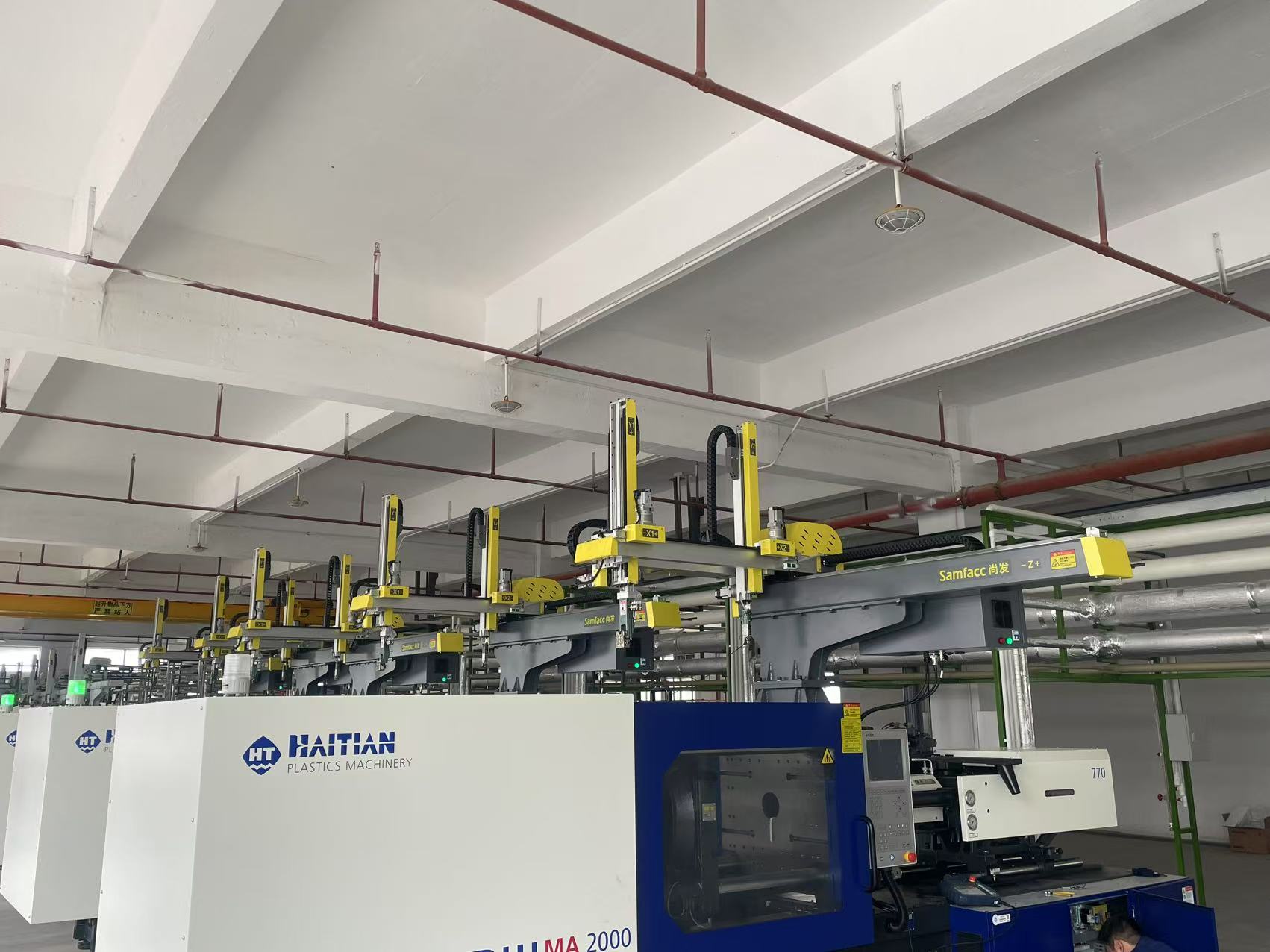
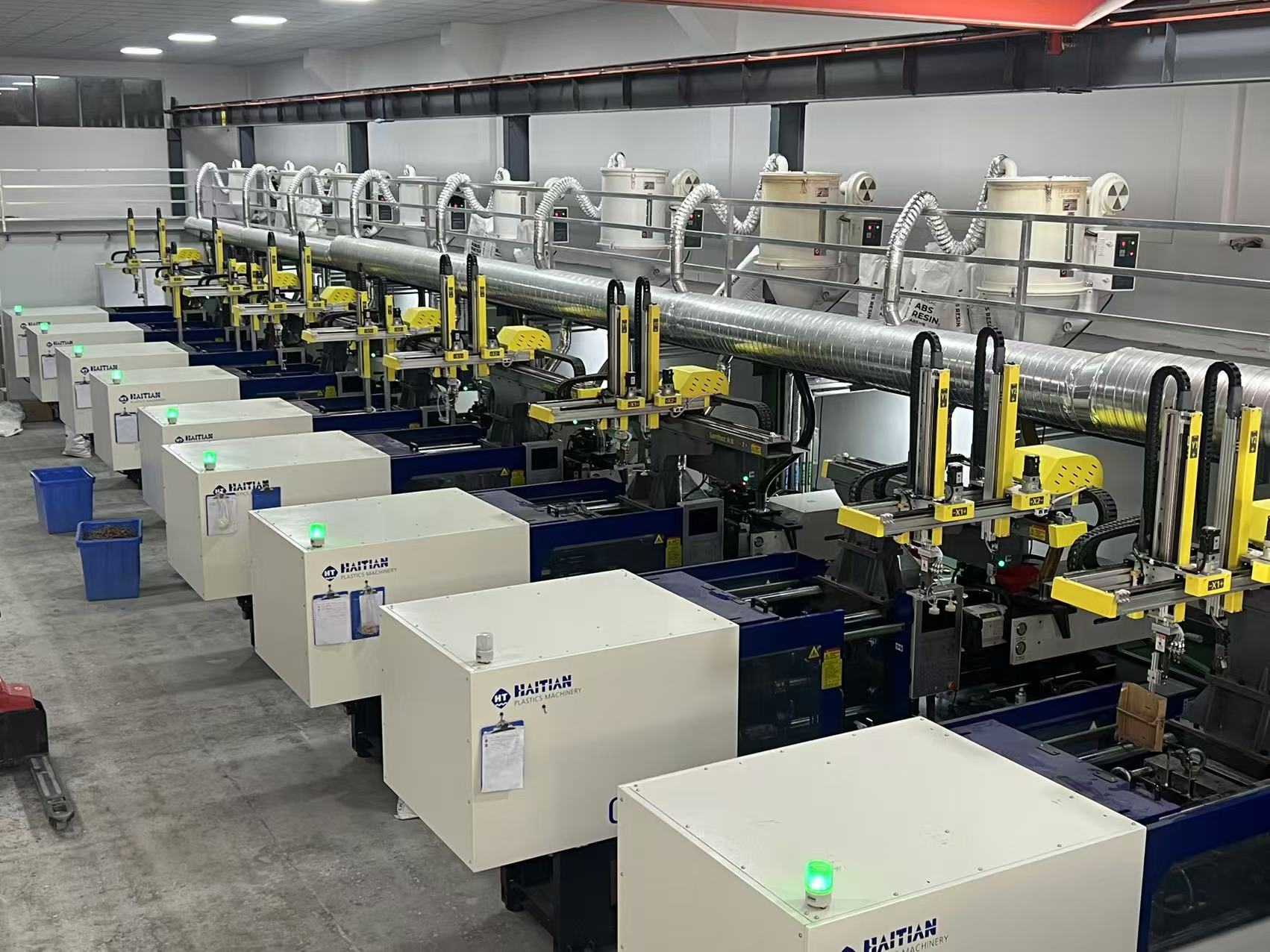
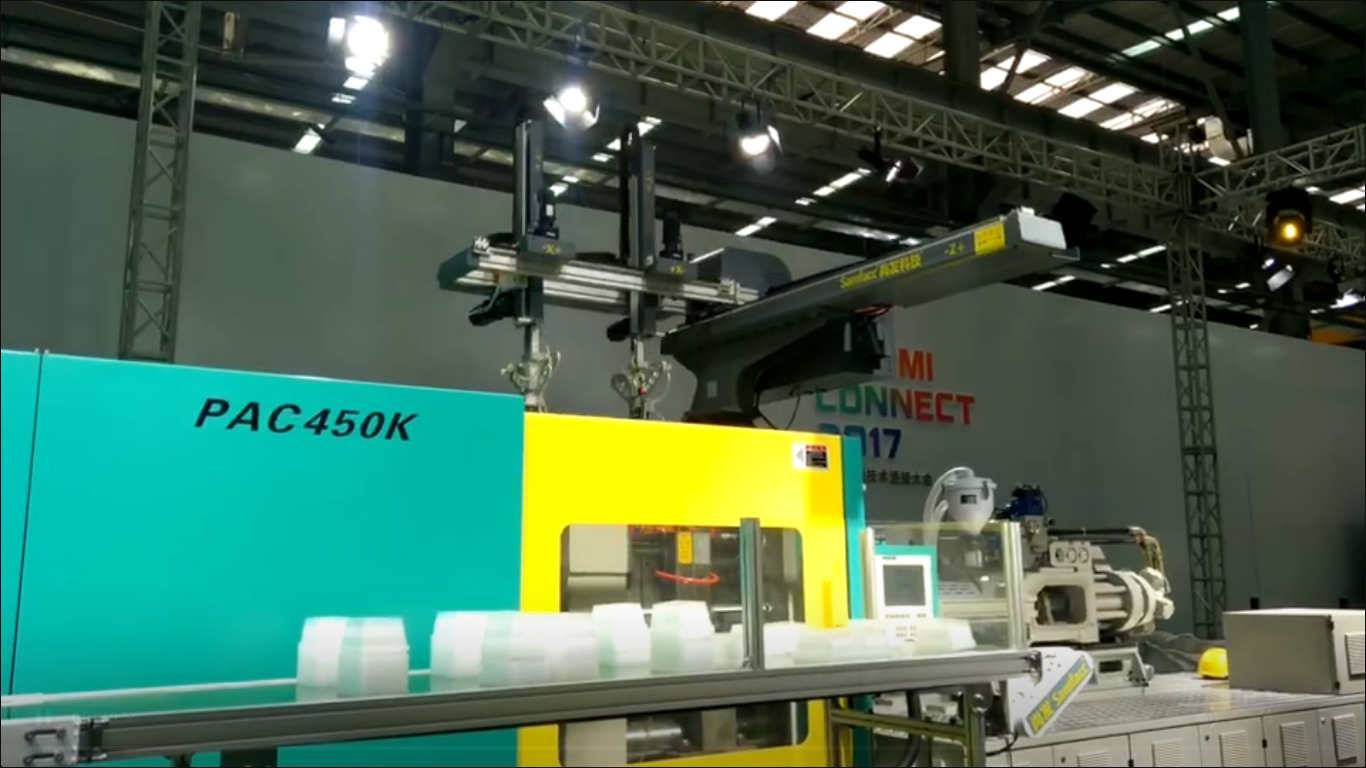
- In injection molding, the robot removes molded parts immediately after mold opening. These are used to prevent deformation and to reduce the total cycle time of the molding process. Such applications include disposable packaging, cutlery, and thin-wall packaging.
- In electronics manufacturing, the robotic arm needs to handle the smallest, lightest parts at speeds where accuracy is crucial because any hesitation in this process creates bottlenecks on the assembly lines.
- In packaging processes, the robots are involved in sorting, palletizing, or transferring processes performed quickly. Their ability to repeat identical motions thousands of times makes them ideal for standardized packaging formats.
The Role of Multi-Arm and Double-Stage Designs
Some high speed robot arm systems use double-stage or double-arm designs to further reduce cycle time. While one arm is placing a finished part, another arm prepares for the next pickup. This overlapping motion strategy minimizes waiting time between operations.
Double-stage telescopic structures also allow the robot to reach deeper into machines without increasing the overall footprint. This is particularly useful in compact production environments where space is limited.
These designs are often used in applications with degraded materials or stack mold products, where timing and part handling must be carefully controlled.
Accuracy and Stability at High Speed
Speed alone is not enough. A high speed robot arm must maintain stable motion and precise positioning. Servo control systems play a critical role here, continuously adjusting motor output based on feedback from encoders and sensors.
Stable motion ensures that parts are not dropped, scratched, or misaligned. This is especially important when handling thin or delicate components. Over time, consistent accuracy also reduces quality issues and rework rates.
Well-designed systems balance speed and stability, ensuring that faster cycles do not lead to higher defect rates.
Energy Efficiency and Maintenance Considerations
Although high speed robot arm systems operate rapidly, modern designs are increasingly energy efficient. Servo motors consume power mainly during acceleration and movement, and optimized motion paths help minimize unnecessary energy use.
From a maintenance perspective, these robots are built for continuous operation. High-quality mechanical components and reliable control systems reduce wear and extend service intervals. Lower maintenance requirements translate directly into reduced downtime and operating costs.
Flexibility Across Different Industries
 One advantage of the high speed robot arm is its adaptability. With proper programming and tooling, the same robot can often be used across different product lines or processes.
For example, Samfacc‘s High Speed Robot SFK Series offers greater flexibility in complex movements. They are suitable for tasks such as angular insertion, precise alignment, or multi-step operations within a single cycle. This flexibility makes them quite important in production lines.
Conclusion
High-speed robotic arms integrate rapid movement, precise control, and reliable operation, and have become an indispensable tool in modern automated manufacturing. When matched to the right application, it shortens cycles, stabilizes quality, and supports long-term operational efficiency.
Choose the right high-speed robotic arm from the Samfacc website to improve production efficiency and make manufacturing easier.