 English
  Chinese
 A vertical injection machine refers to the injection molding equipment frequently utilized in the contemporary manufacturing industry to produce accurate plastic parts, particularly those requiring insert molding or automated handling. A vertical injection machine, as opposed to the conventional horizontal ones, employs a vertically arranged mold, thereby facilitating and even making it more precise, loading, molding, and unloading.
Grasping the operation of a vertical injection machine is a crucial first step in understanding industrial molding, as it helps producers increase their efficiency, reduce errors, and optimize production space utilization.

Main Components of a Vertical Injection Machine, Conveyed Concisely
- Injection Unit
The injection unit consists of a heated barrel and a rotating screw. The barrel holds the plastic pellets, which are melted by heating elements. The molten material is then pushed into the mold cavity by the screw. This simple and efficient system allows easy control of injection speed and pressure, ensuring consistent product quality.
- Clamping Unit
The clamping unit ensures that the mold remains tightly closed during the injection molding process. The vertical orientation of the mold makes the opening and closing process more convenient, allowing for easy top-to-bottom operation, which simplifies part insertion and enhances safety. Furthermore, the clamping force can be adjusted according to the mold size.
Vertical Injection Machine Step-by-Step Working Process
(1)Material Feeding in a Vertical Injection Machine
In a vertical injection machine, the plastics are fed into the machine through a hopper, which feeds them into the barrel. The plastics are heated evenly to soften them for the injection process, which is significant to create a smooth flow and prevent defects.
(2)Mold Closing and Insert Placement
After the preparation of the material, the machine closes the mold. Inserts, including metal pins and electronic components, may be placed manually or robotically. The upright design helps to ensure the stability of the insert before the injection of plastics.
(3)Casting and Finishing Operations
The molten plastic flows into the mold, completely occupying all cavities. Once filled, the material is allowed to cool and harden. After solidification, the mold opens, and the finished part can be easily taken out due to its vertical orientation.
Vertical Injection Machine: Why Vertical Design Matters
The vertical layout is often chosen for its space-saving features. The vertical machine consumes less floor space when compared to a horizontal machine. Another important advantage of a vertical injection machine is better control during insert molding. Inserts are less likely to shift, which improves product consistency and reduces rejection rates.
Vertical Injection Machine Common Industrial Applications
Vertical injection machines find application in several industries. For example, in the production of electronics, they are used for the molding of connectors and cable parts. In the automotive field, they help in the production of components containing metal inserts. Medical equipment, home appliances, and other consumer durables, among others, are also made using the vertical injection machines.
Automation & Robotics Integration
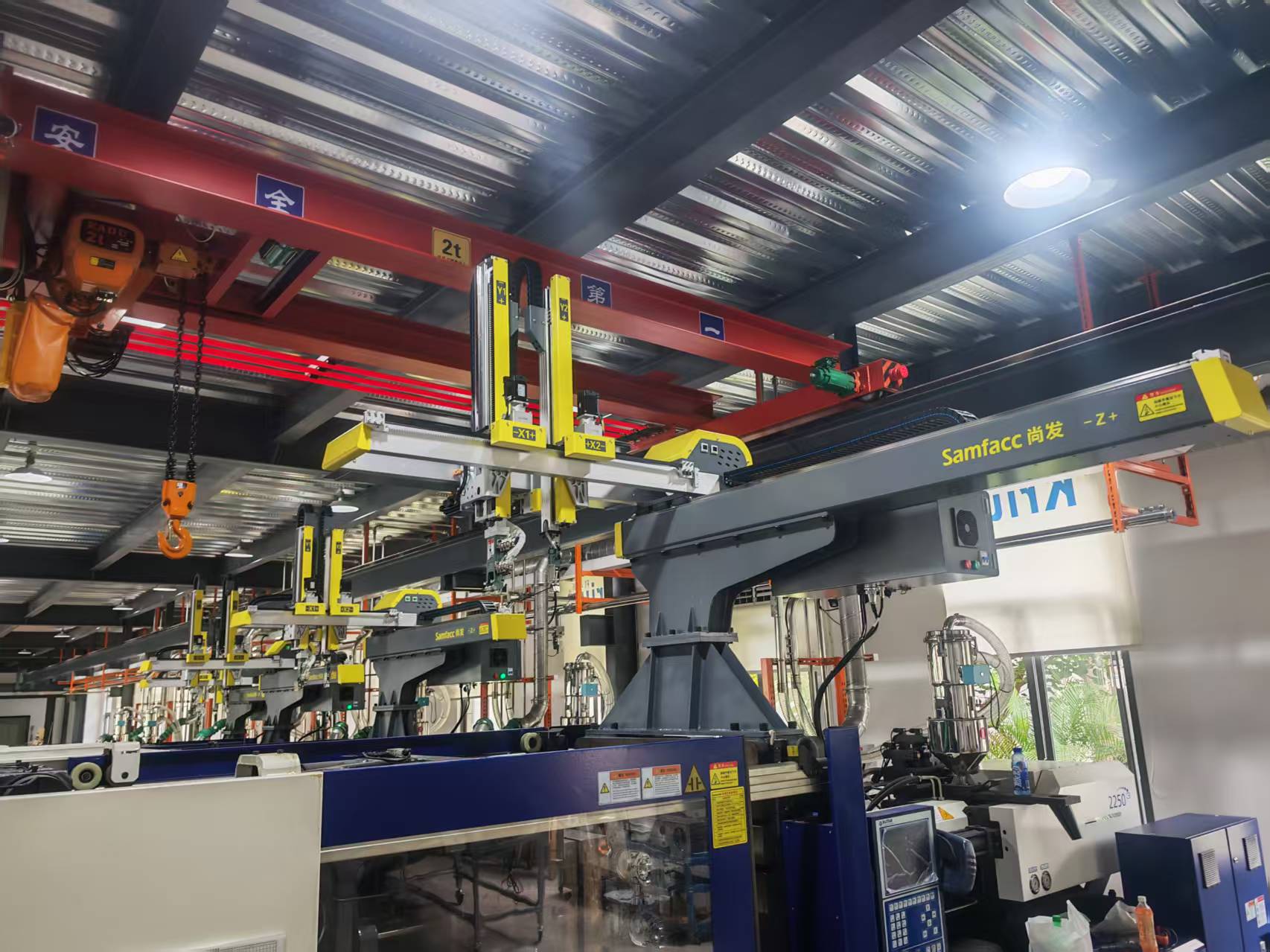
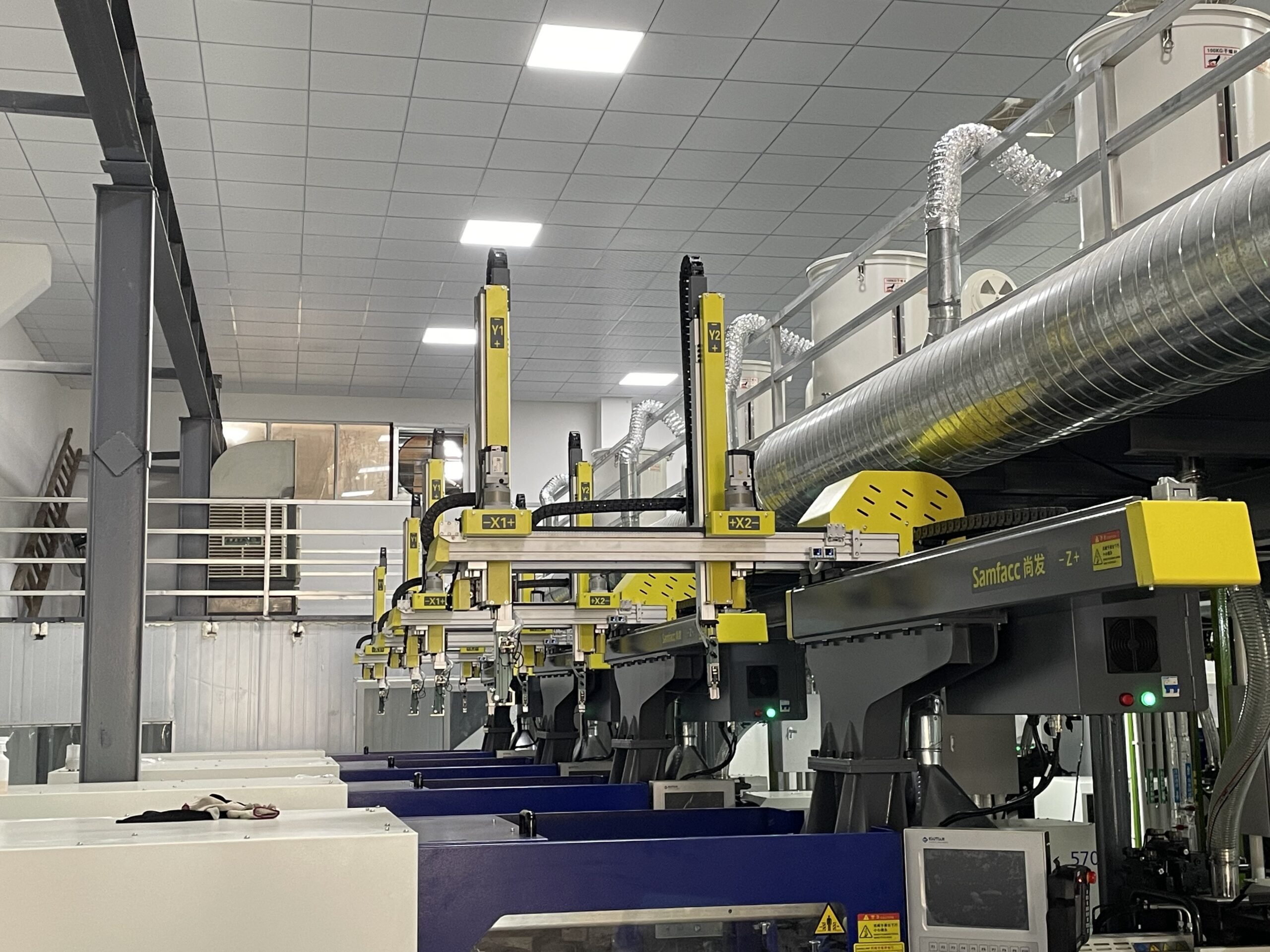
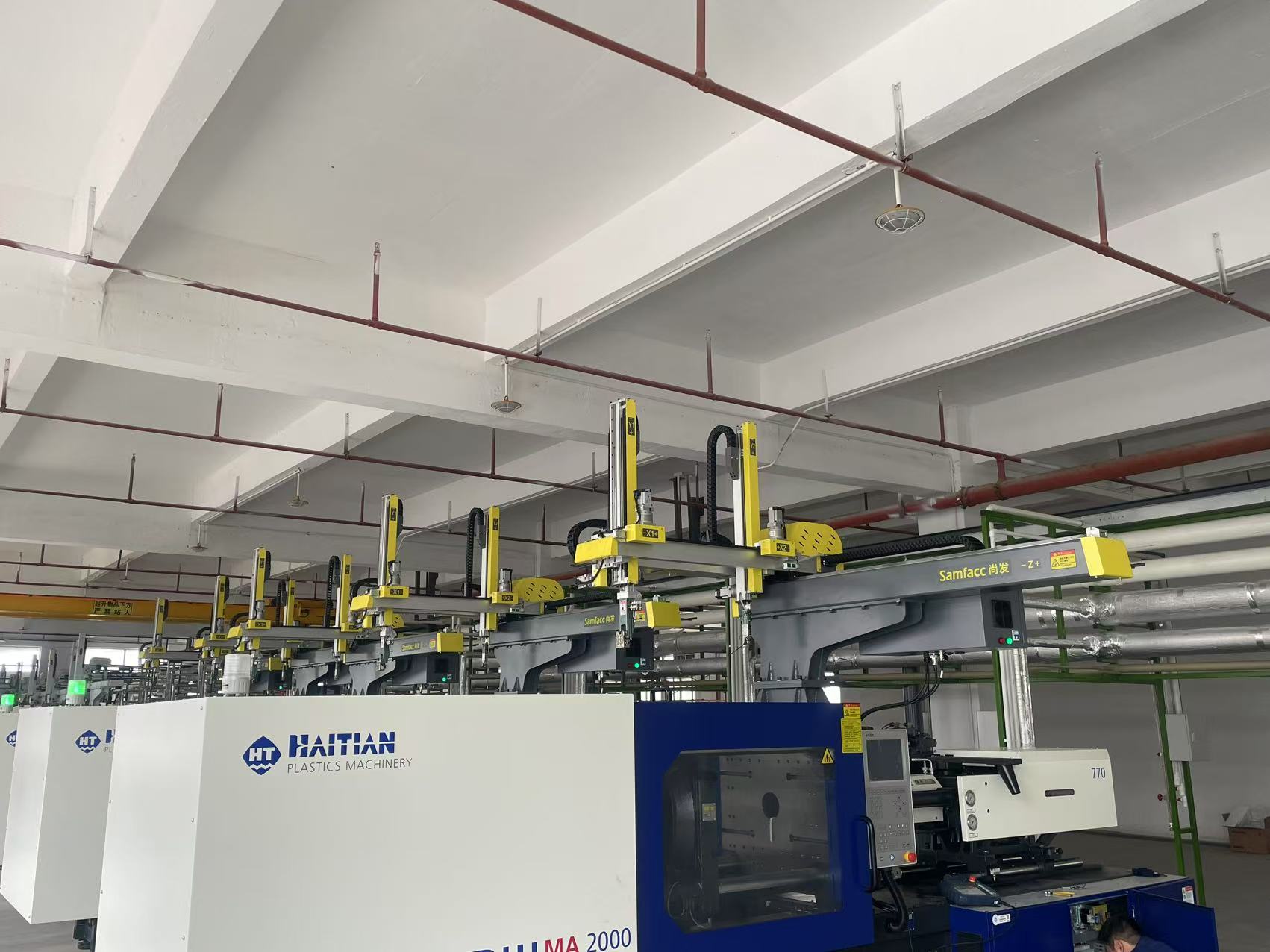
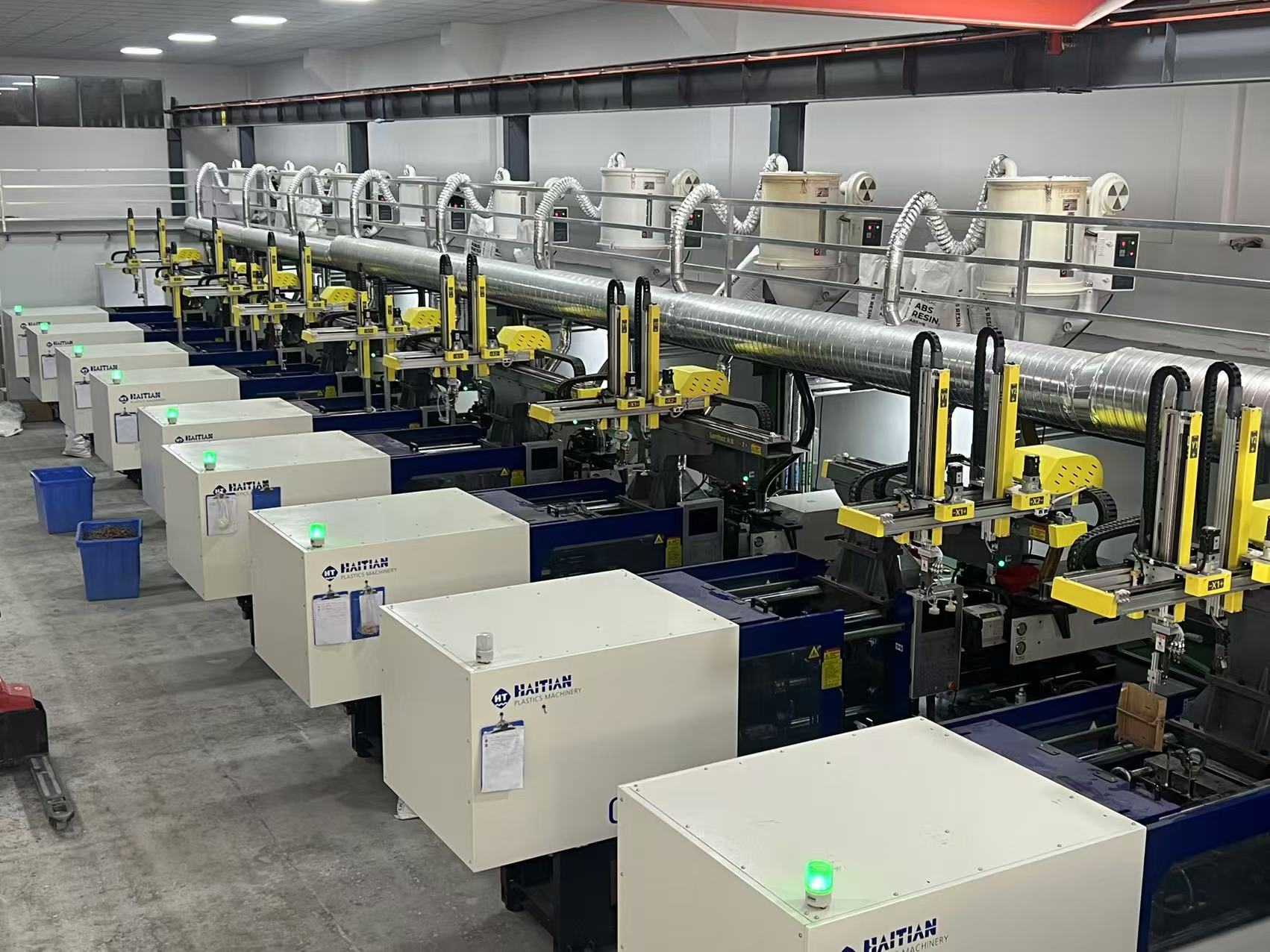
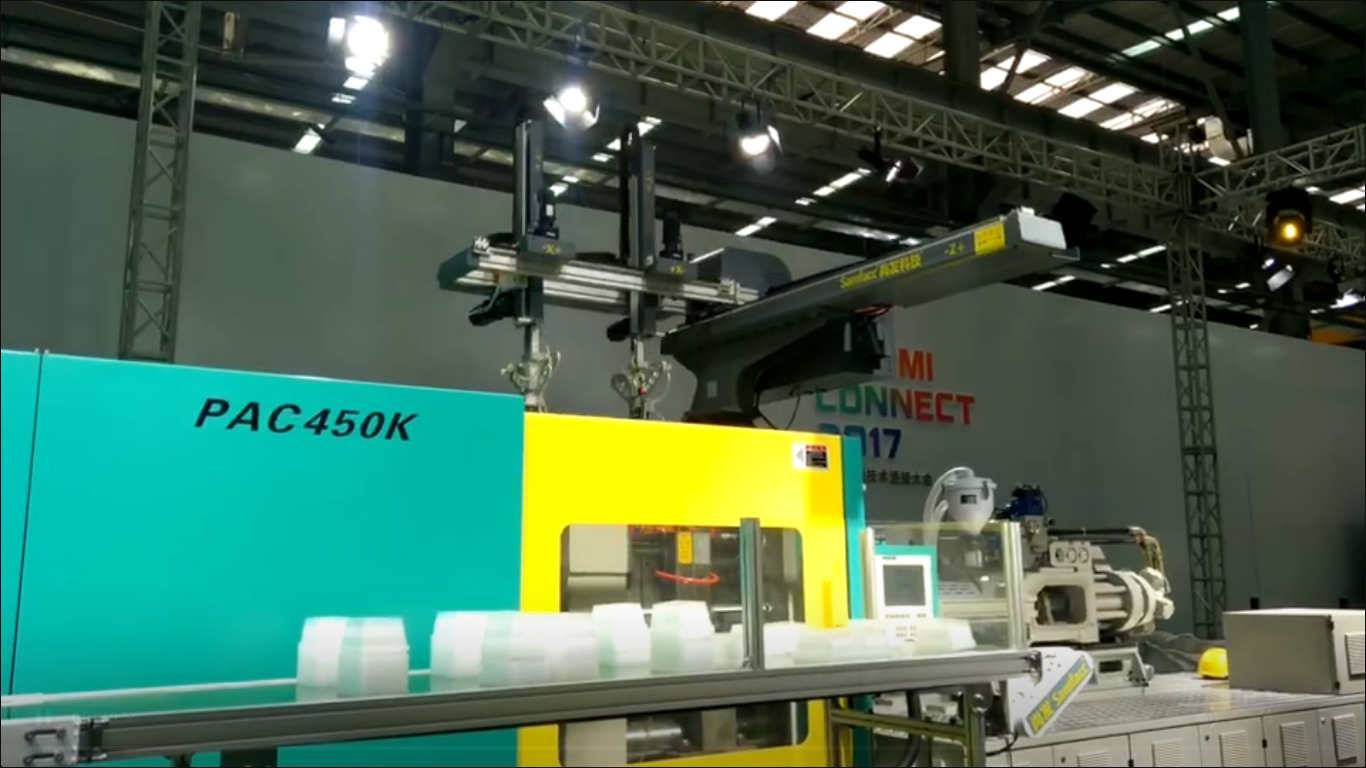
Modern plants see a growing trend in the combination of vertical injection machines and robotic technology, enabling faster production. The vertical position makes the working area easily reachable by the robotic system, thereby ensuring a stable operation. Samfacc offers advanced robotic solutions that save valuable floor space, improve safety, and maintain high productivity by combining vertical injection machines with robotic technology.

Vertical Injection Machine Daily Operation and Maintenance Tips
To keep a vertical injection machine running smoothly, regular maintenance is important. Operators should check heating elements, screws, and sensors regularly. Proper cleaning also helps prevent material buildup that could affect performance. Stable operation ensures that a vertical injection machine delivers consistent quality and reduces unexpected downtime.
Conclusion
Briefly, vertical injection machines perform material melting, vertical mold clamping, material injection, cooling, and removal in a well-integrated, efficient manner. The vertical configuration facilitates insert mounting, improves mold accuracy, and maximizes floor space efficiency, making vertical machines suitable for use in contemporary manufacturing. Samfacc also specializes in providing customized robotic solutions for robotic applications and modern industrial environments. Please feel free to contact SAMFACC to learn more about our vertical injection machines, injection molding machines, and other robotic services.