 English
 Chinese
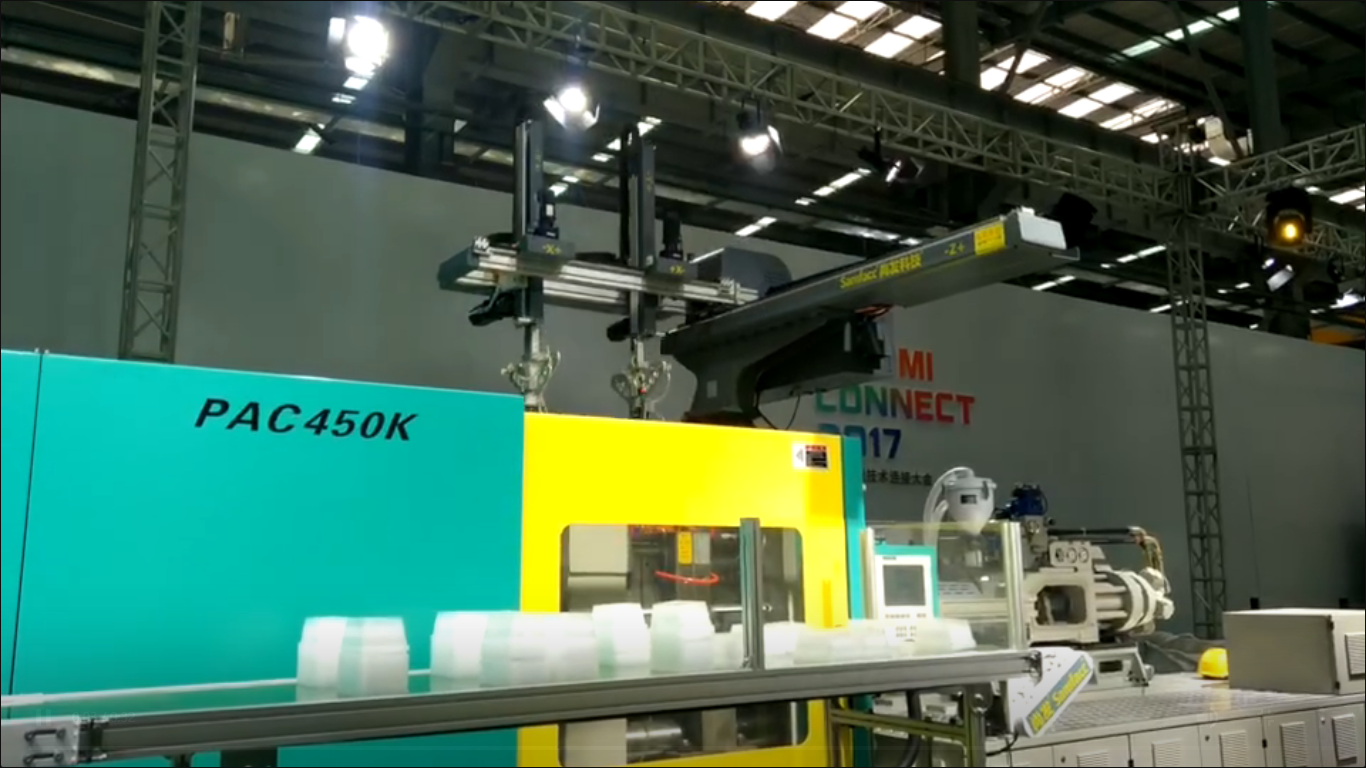
Injection robots perform many operations related to part removal, handling, and insertion during plastic injection. Nevertheless, continuous use of the robot can cause various troubles, including inability to pick up a part, positioning issues, and unplanned stops. Knowing the reasons for this and how to solve them can prevent production interruptions. Below are six injection robot issues and ways to solve them.
1. Failure of the Injection Robot to Pick Up the Molded Parts
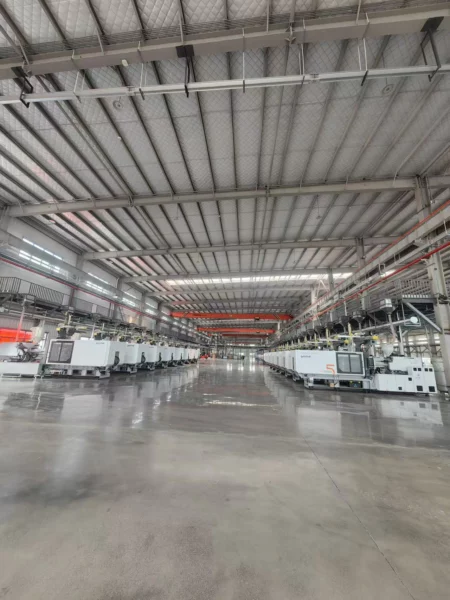
One of the primary functions of an injection robot is part removal. The inability of the robot to grip the part means that the robot will try to reach the required position and fail to hold the molded part securely. Sometimes, the product will fall from the robot during handling.
Causes:
Improper sizing or shape of the grippers compared to the molded part.
Worn-out vacuum cups or a leak in the vacuum system.
Improperly set pickup position.
Incomplete cooling of the molded part resulting in its sticking to the mold.
Solution:
Use the right grippers or suction cups depending on the part dimensions and weight.
Inspect the vacuum generator, vacuum hoses, and connections to make sure the suction is steady.
Calibrate the pickup coordinates to make sure the robot reaches the right position.
Monitor the cooling period and mold ejection system.
2. Injection Robot Has Positioning Errors
Proper positioning is vital for effective pick-and-place tasks. Failure to reach the specified coordinates may lead to improper positioning of the parts. In extreme cases, the robot’s gripper will obstruct the mold or even the rest of the machinery.
Possible Reasons:
Inappropriate settings of the home position or motion coordinates.
Malfunction of the servo motor, encoder, or positioning system.
Loose guide rails, bolts, and other mechanical parts.
Excessive load.
Solution:
Check home position and motion coordinate settings. Recalibrate the robot when required.
Diagnose the malfunction of the servo motor and the encoder feedback signal.
Look for any loose guide rails, bolts, and other mechanical parts.
Determine the total weight of the workpiece and gripper.
3. Injection Robot Moves Slowly or Stops Unexpectedly
In the case of a decrease in movement speed, the cycle time of production can be increased. Unplanned stoppages may even be more damaging to operations because of the integration of the robot with the injection molding machine.
Possible Causes:
Parameters of speed, acceleration, or deceleration do not suit the current task.
An alarm was generated by the servo drive, or it operates abnormally.
The motor heated up and has turned on the protection mode.
Lack of lubrication leads to an increase in friction in the guide rails or transmission.
How to Fix It:
Analyze the parameters of the motion control system and regulate speed according to the needs of production.
Analyze the error codes of the servo drive and detect problems with the drive or motor.
Check the cooling fan, motor temperature, and electrical power.
Clean and lubricate the guide rails and transmission according to the instructions of the manufacturer.
4. Injection Robot Cannot Communicate with the Injection Molding Machine
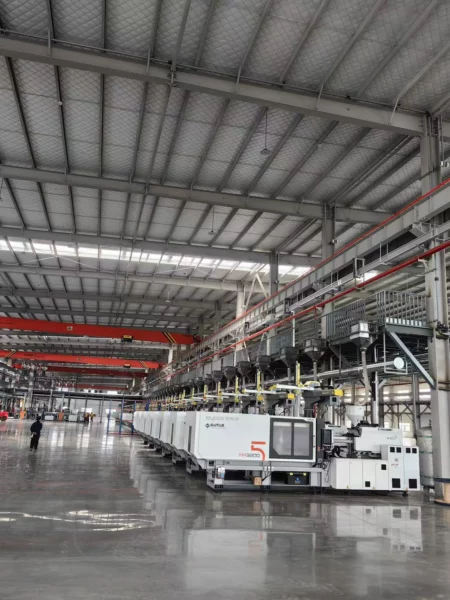
The robot needs to be able to communicate with the molding machine in order to carry out its tasks properly. For instance, the robot needs to know that the mold has been opened to go inside. In the case of a breakdown in communication, the robot may not begin its pick-up cycle, and vice versa, the molding machine will not get confirmation about the position of the robot.
Possible Causes:
Loose or faulty communication and signal wires.
Incorrect configuration of input/output (I/O) signals.
Mismatching of PLC settings and communication protocol.
Unsatisfied safety interlocks, like a door switch or position of the mold.
How to Fix It:
Inspect communication cables and terminal connections for any problems.
Inspect the PLC program and I/O signals to make sure that both devices recognize each other.
Make sure that the communication protocol and communication parameters match.
Inspect safety door switches, mold opening signals, and robot position signals.
5. Injection Robot Produces Excessive Vibration or Noise
Some level of mechanical noise is expected during robot operations. However, knocks, mechanical friction, and vibration should not be considered a normal phenomenon. They might be caused by loose components and wear of mechanical parts and can influence the positioning precision and the service life of moving elements.
Reasons:
The robot’s base or mechanical connection is loose.
Bearings, guide rails, or transmissions are worn.
Acceleration and deceleration parameters are too high.
Improper installation of the gripper or unbalanced loads.
Solution:
Inspect the robot arm, the mounting base, and bolts; tighten up loose elements.
Check bearings, guide rails, and transmissions for wear and replace parts in case of damage.
Reduce acceleration and deceleration values to decrease vibration during high-speed movements.
Optimize the gripper design and distribute loads properly to minimize additional movements.
6. Frequent Alarm Signals of Injection Robot
Repeated alarms point to mechanical faults, problems with the electrical elements, or issues with the motion control system. The user will see error messages on the control panel, will have difficulties starting the process, and the operation may stop unexpectedly at some robot position.
Reasons:
Signals from proximity sensors, limit switches, or other sensors are incorrect.
Servo drive or electric elements of the injection robot are defective.
An unstable power supply or loose wiring is affecting the operation of the system.
Mechanical obstacles are triggering the robot’s safety function.
Solutions:
Note the alarm code on the control panel and look up the equipment manual to find which element has the problem.
Inspect proximity sensors, limit switches, and other sensing elements for incorrect signals.
Inspect servo drive, electric elements, and wiring connections. Repair or replace malfunctioning parts.
Look for mechanical obstacles in the guide rails, transmissions, and movement limits.
Do not restart the machine without the reason for the malfunction. In case of an alarm that is related to the drive system or electric control system, qualified personnel should inspect the machine.
7. How to Prevent Common Injection Robot Problems?
Fixing the machine in case of failure can interfere with production processes and lead to higher maintenance costs. Maintenance activities will contribute to reducing the risk of unforeseen failures and ensure that the equipment operates efficiently.
For factories, it may be useful to:
- Examine Mechanical Parts: Check the guide rails, bearings, grippers, and connection bolts. Repair loose or worn parts before affecting the performance of the machine.
- Proper Lubrication and Cleaning: Clean moving parts and apply proper lubrication based on the equipment manual.
- Setting Up Correct Operating Parameters: Set up the speed, range of motion, and payload depending on the weight of the workpiece, the gripper design, and the production cycle.
- Examination of Electrical and Control Systems: Check the sensors, wires, servos, and interlocks at certain intervals.
- Machine Operator Training: Ensure that the operator understands the correct operating process, alarm codes, and the basics of troubleshooting.
Also, it will be useful to maintain maintenance logs where the date a problem occurred, the alarm that came on, the maintenance performed, and replaced parts will be recorded. Reviewing these logs will show repetitive problems and allow the maintenance teams to inspect the equipment to avoid failures in the future.
Conclusion
The majority of failures of injection robots can be attributed to mechanical wear, incorrect parameter settings, electrical problems, or communication issues. Scheduled maintenance and checks will prevent any unexpected downtime and ensure steady production
If you require an injection robot or have any questions regarding the choice of equipment, its maintenance, and customization, feel free to contact us. SAMFACC will gladly help you.