 English
  Chinese
 In the present-day manufacturing industry, where issues of efficiency, quality, and cost are of great importance, the technology of injection molding is among the most advanced. The production of consumer goods, automotive parts, medical devices, and electronic enclosures is among the applications where injection molding is very important. While manufacturers consider production technologies such as injection molding, it is important to consider the total advantages that can be obtained through such technologies. The subsequent sections will provide more details on these injection molding advantages.

1. High Production Efficiency
Among all injection molding advantages, high production efficiency is one of the most immediate and noticeable benefits, mainly reflected in the following aspects:
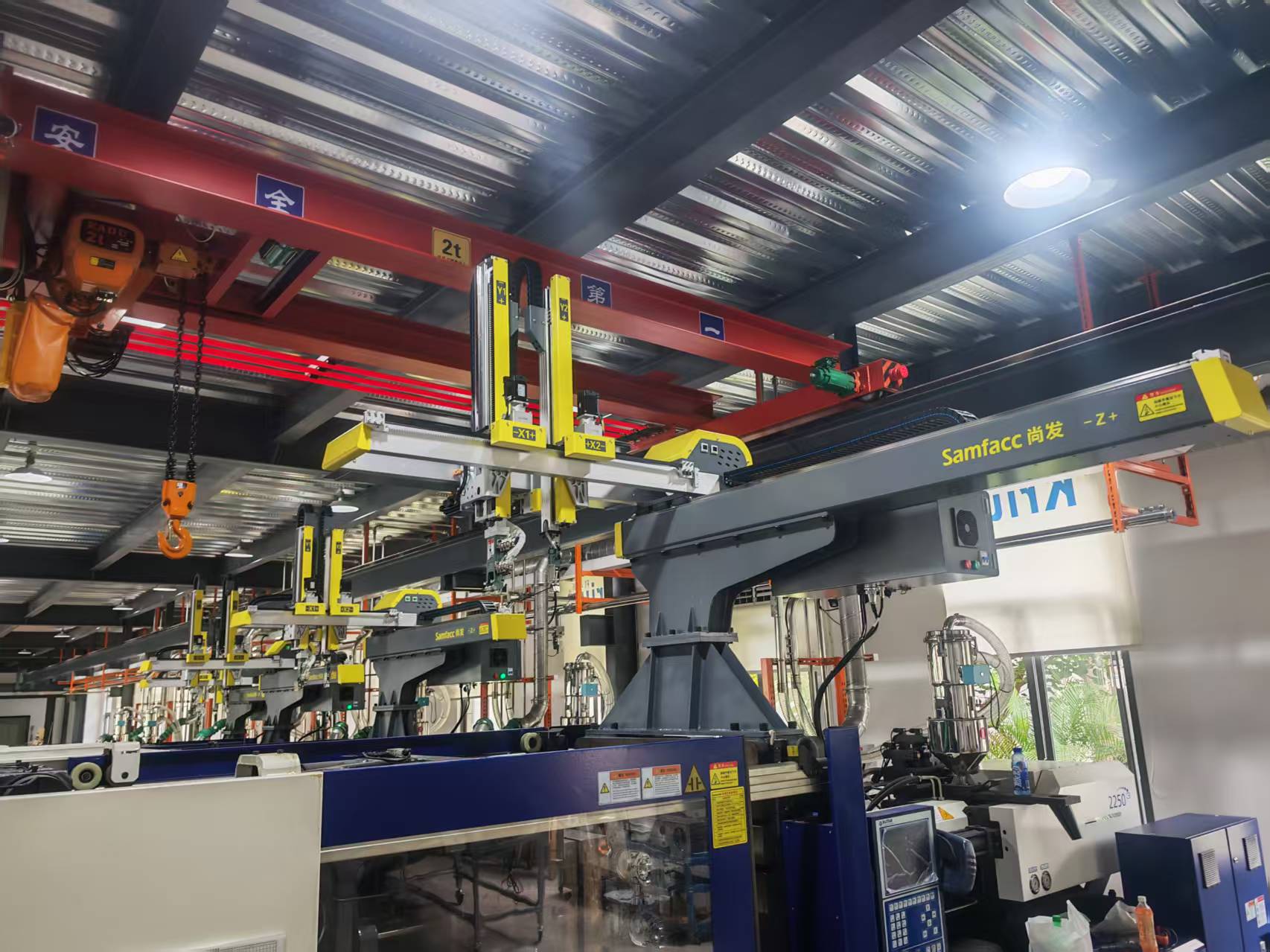
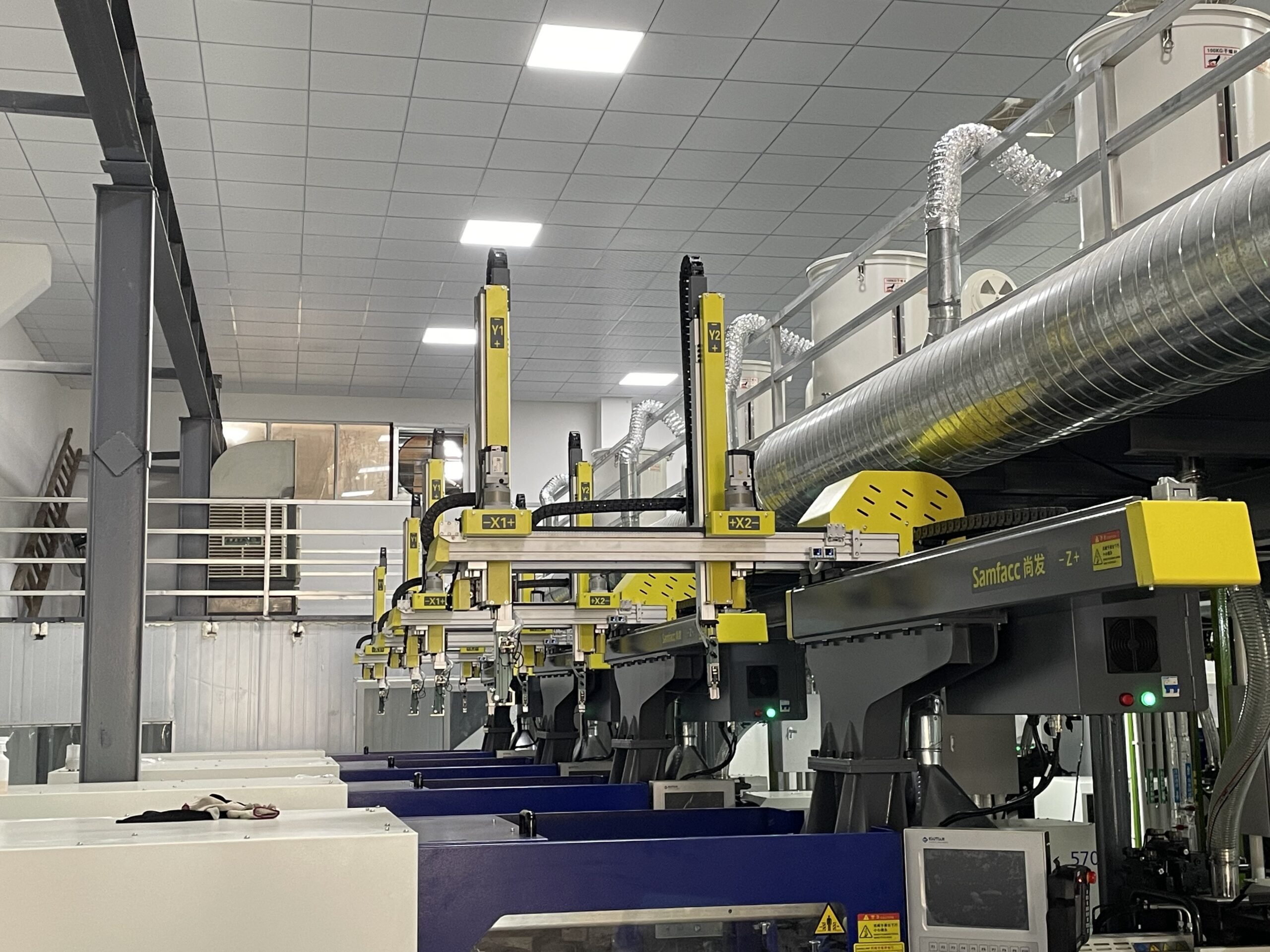
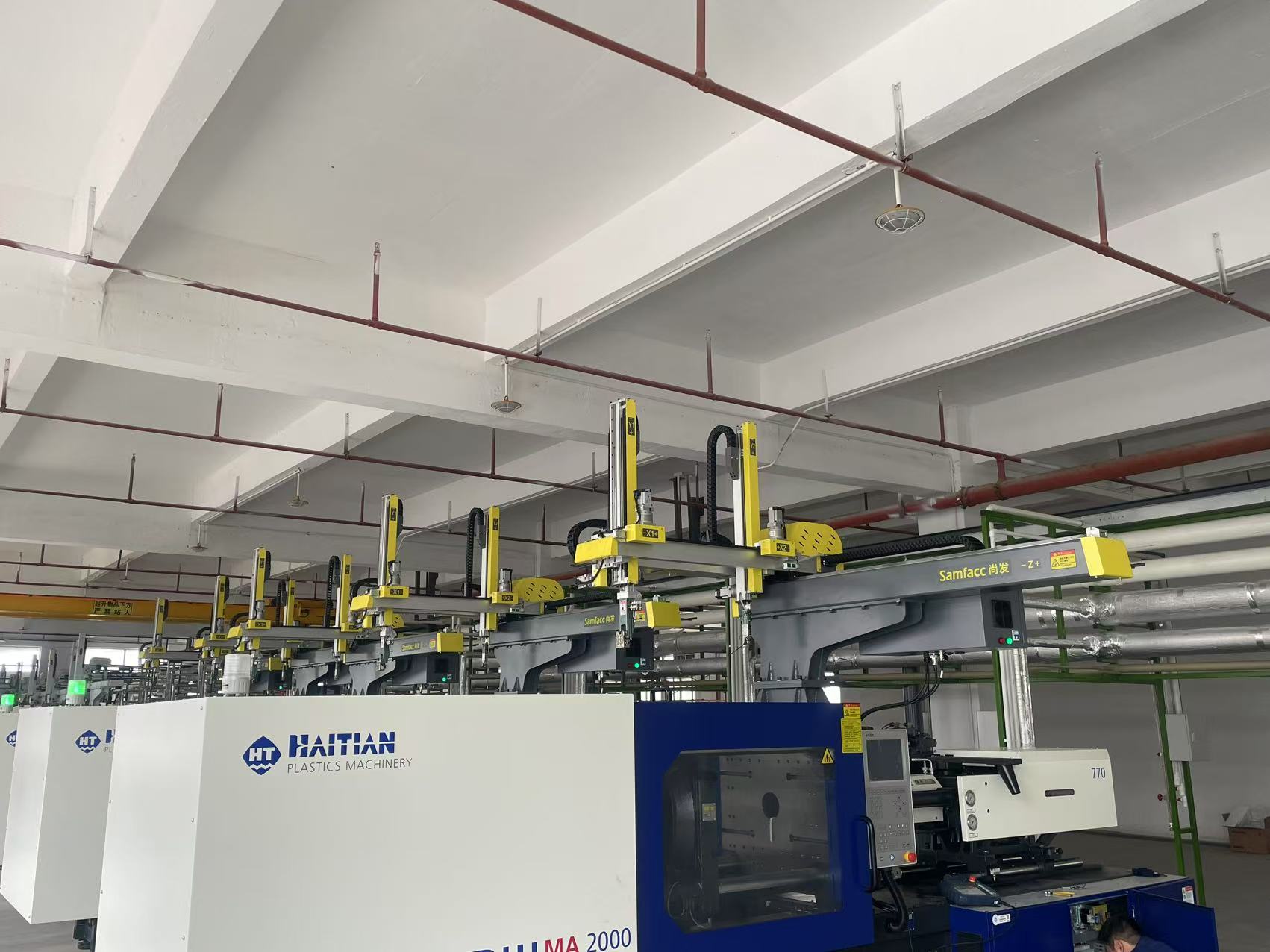
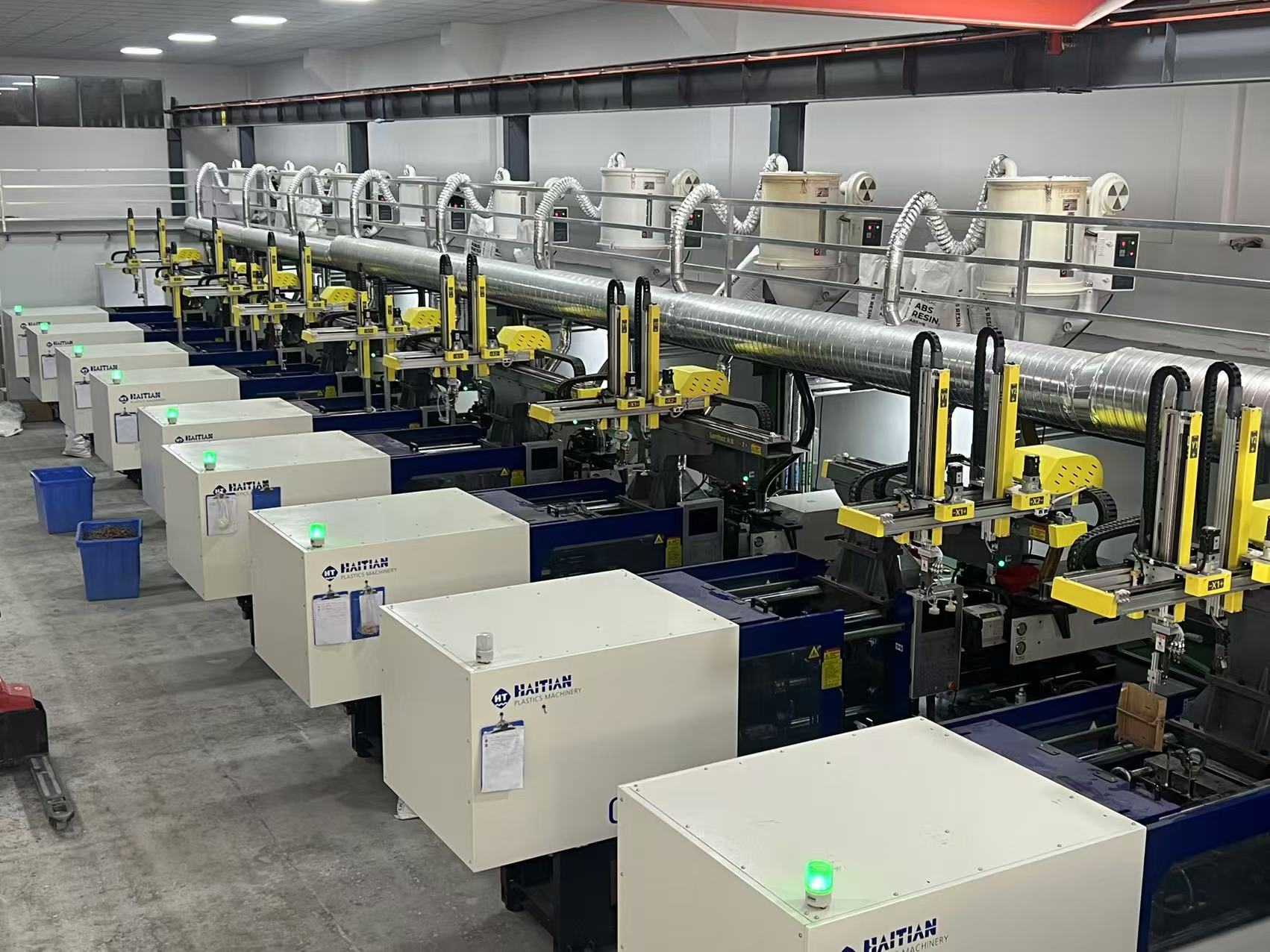
- Highly automated production process
It is possible to have injection molding that involves heating, melting, injecting, cooling, and ejecting in one continuous automated production line. This increased productivity because, apart from monitoring, there is no human involvement, thus reducing human error. - Extremely short molding cycle times
In comparison with most production processes, the cycle time in the case of injection molding is very short, ranging from a few seconds to less than one minute. This makes production within a short time frame very efficient. - Capability for 24/7 continuous operation
After optimizing the mold and process variables, the injection molding machines can be run continuously on an around-the-clock basis. This is an important factor that contributes to improved daily production and utilization of the machines. - Multi-cavity molds increase output
In multi-cavity molds, several similar parts can be produced in one injection process. This significantly increases production capacity without proportionally increasing cycle time, reinforcing the core injection molding advantagesin mass production environments.
2. Cost-Effective for Mass Production
From a long-term cost perspective, injection molding advantages become especially apparent in mass production, as reflected in the following areas:
- Lower unit cost as production volume increases
Though there is an investment in the design and production of the molds. This is spread over the increasing number of parts, and the cost per part reduces as the number of parts increases. - Reduced labor costs
This is because injection molding is an automated process and requires fewer workers than other production processes that involve manual labor. Thus reducing the costs associated with human resources. - High material utilization
The plastic material is injected precisely into the mold. This helps in less material wastage. Any scraps or runners created during the production process may be recycled. - Reduced secondary processing and assembly
This allows complex geometries to be achieved in one step of molding, thus eliminating or reducing machining, bonding, or assembling procedures.
For sectors such as automotive, home appliances, packaging, and consumer electronics, such cost advantages have significant importance in defining the injection molding advantages.

3. High Precision and Consistent Quality
High precision and consistent product quality are among the most critical injection molding advantages, particularly for technically demanding industries:
- High-precision molds with tight dimensional control
Injection molds are created through accurate machining techniques. This allows a great degree of control concerning dimension, tolerance, and detail. - Excellent repeatability and batch consistency
After the process variables are held constant, the injection molding process is able to produce parts with identical characteristics from cycle to cycle. - Suitable for high-requirement industries
Because of its dependability and ability to provide a constant output, injection molding is commonly employed in the medical sector, the production of electronics, and other precision instruments, where the requirements for quality are extremely stringent. - Lower defect rates and reduced rework costs
Using stable and repeatable processes translates to fewer defects, scraps, and reworks, and this improves the overall efficiency of production and lowers quality costs.
4. Design Flexibility
In product development, the injection molding advantages offer designers and engineers a tremendous amount of design freedom in the following ways:
- Support for complex geometries
It is easy to produce thin-walled sections, ribs, snap fits, and undercuts, which would be very difficult or in many cases. Impossible to accomplish through other production processes. - Integration of multiple functions into a single part
Multiple-function molds are able to incorporate several functions in a single component, and this reduces the overall component count and simplifies assembly. - Wide range of aesthetic options
Injection molding allows for various colors, textures, glossy or matte finishes, or custom looks, depending on the required market need. - Facilitation of lightweight and innovative designs
Structural optimization and material selection help reduce weight while maintaining strength and performance, enabling innovative and competitive product designs.
5. Wide Material Selection
Material versatility is another key element of injection molding advantages, demonstrated by the following points:
- Compatibility with a wide range of common plastics
Materials such as ABS, PP, PE, PC, and nylon are commonly used to meet different mechanical and thermal requirements. - Support for engineering and high-performance plastics
Advanced materials can be selected for high-strength, high-temperature, or chemically demanding environments, expanding application possibilities. - Customizable material properties
By choosing different materials or modified resins, manufacturers can tailor mechanical strength, chemical resistance, or electrical properties to specific needs. - Compatibility with recyclable and eco-friendly materials
The injection molding process is also conducive to using recyclable plastics and eco-friendly materials in order to ensure compliance with environmental regulations and objectives.

Conclusion
Overall, injection molding advantages include high production efficiency, strong cost control, consistent quality, outstanding design flexibility, and broad material selection. Together, these benefits establish injection molding as one of the most reliable and mature manufacturing processes in modern mass production.
As a professional injection molding solutions provider, Samfacc leverages extensive manufacturing experience, rigorous quality control, and a deep understanding of industry requirements to help customers fully realize the value of injection molding advantages. If you are looking for a dependable injection molding partner. Feel free to contact us—Samfacc is ready to support your project with customized, high-quality solutions.