 English
  Chinese
 Industrial automation is transforming modern manufacturing by improving production speed, accuracy, and efficiency. Many companies are now exploring “What are industrial robots?” and how advanced equipment drives the intelligent transformation of production processes. Industrial robots are programmable mechanical systems designed to complete repetitive, precise, or complex manufacturing tasks with limited human intervention.
From welding and assembly to material handling and inspection, industrial robots have become essential equipment in many industries. This guide explains the definition, working principles, common types, applications, and future trends of industrial robots to help readers better understand their role in modern manufacturing and the development of industrial robot automation.
What Are Industrial Robots and Their Significance?
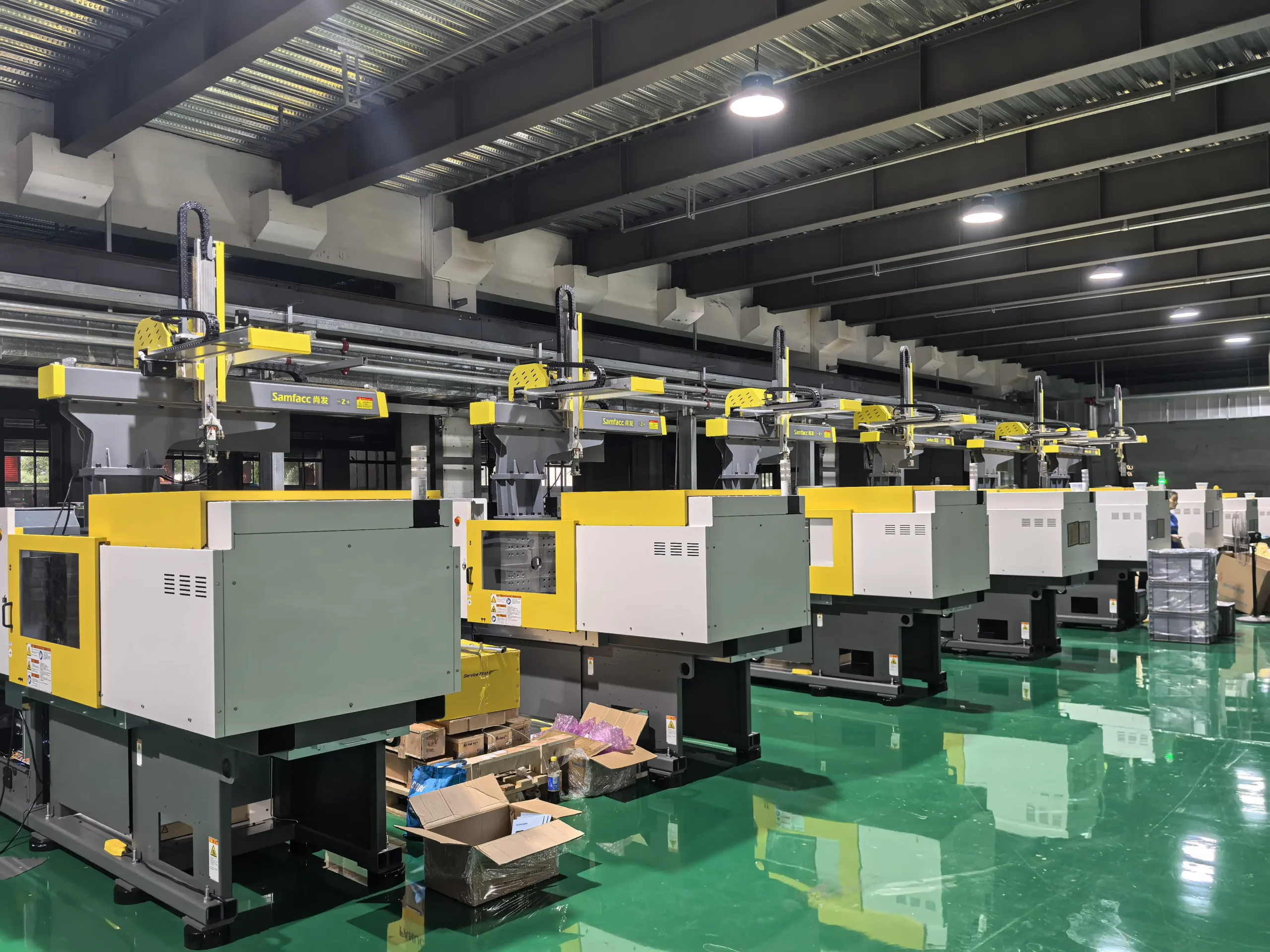
When discussing “what are industrial robots”, they refer to automated machines that can perform manufacturing operations according to programmed instructions. These industrial robots usually consist of a mechanical structure, controller, drive system, and specialized tools designed for specific tasks. Breaking through the limitations of traditional fixed-station equipment, modern industrial robots redefine production flexibility with their exceptional adaptability. Through flexible programming, parameter adjustment, and deep integration with automated production lines, they can precisely match a wide range of production scenarios.
The importance of industrial robots comes from their ability to improve manufacturing consistency while reducing repetitive manual operations. They help manufacturers achieve:
- Higher production efficiency;
- More stable product quality;
- Improved workplace safety;
- Flexible production capabilities;
- Better use of manufacturing resources.
As industries continue moving toward smart factories, industrial robots are becoming a key part of automated production systems.
How Do Industrial Robots Work in Manufacturing?
Understanding “what are industrial robots?” also requires understanding how they operate. An industrial robot works through several connected components that allow it to perform accurate and repeatable movements.
Mechanical Structure and Robot Arm Movement
The mechanical structure is the physical part responsible for movement. Most industrial robots use robotic arms with multiple joints and axes, allowing them to rotate, lift, and position objects accurately. Different numbers of axes provide different levels of flexibility. For example, multi-axis robot arms can reach complex angles and perform detailed manufacturing tasks.
Controller and Programming System
The controller works as the central operating unit of an industrial robot. It receives programmed instructions and controls movement speed, position, and operation sequences. Manufacturers can modify programs based on production needs, allowing robots to complete different tasks without replacing the entire system.
Sensors and Intelligent Technologies
Modern industrial robots often use sensors, cameras, and intelligent control systems to improve accuracy. These technologies allow robots to identify objects, monitor processes, and adjust movements automatically. With the development of artificial intelligence and machine vision, robotic automation systems are becoming more adaptable and efficient.
What Types of Industrial Robots Are Commonly Used?
Different production tasks require different robot structures. Understanding the main categories helps explain “What are industrial robots?” and how they empower the intelligent upgrading of various industries.
| Industrial Robot Type | Main Features | Common Applications |
| Industrial Robot Arms | Flexible multi-axis movement and high precision | Welding, assembly, handling, metal processing |
| SCARA Robots | Fast horizontal movement and accurate positioning | Electronics assembly, packaging, small component handling |
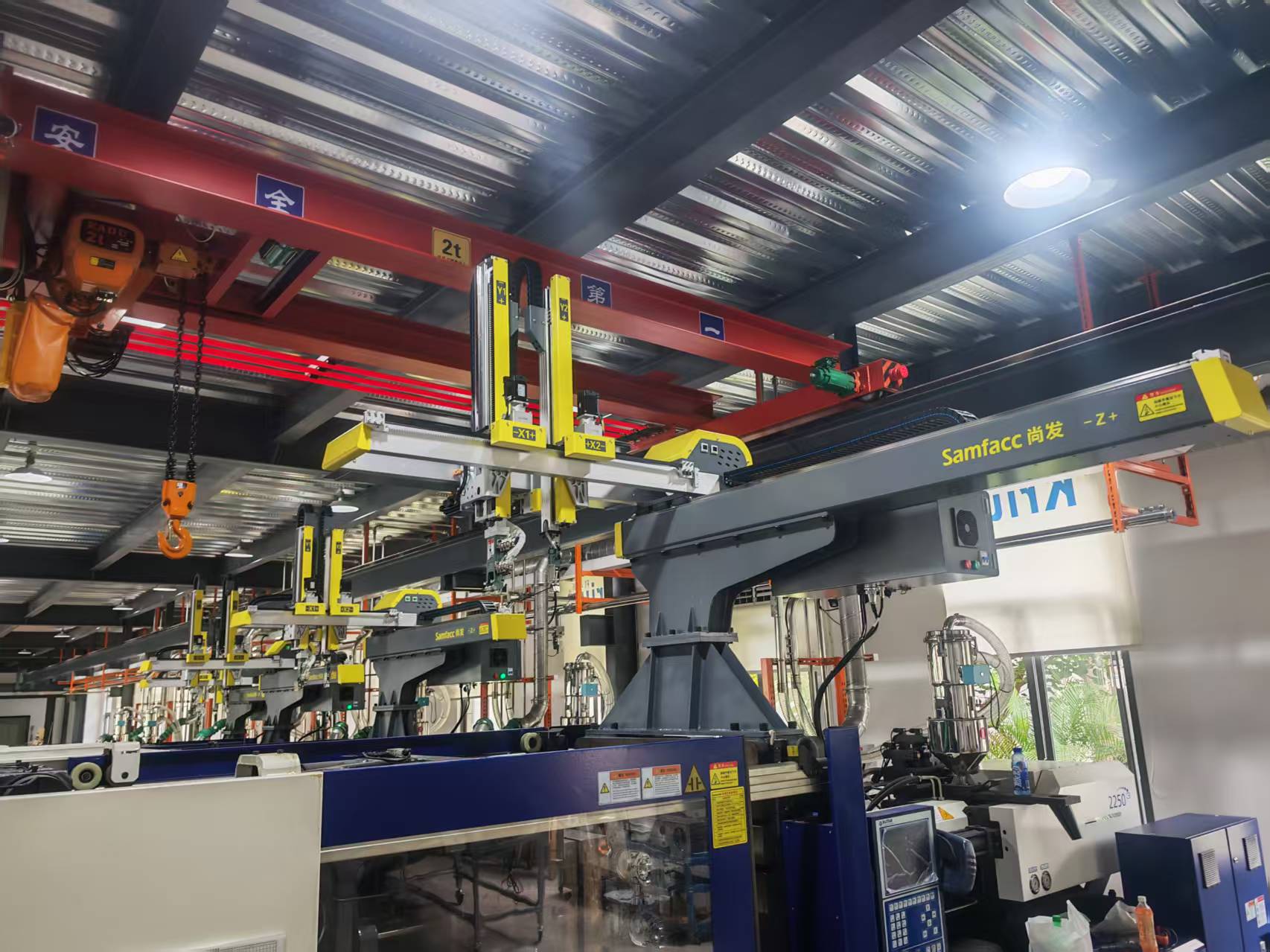
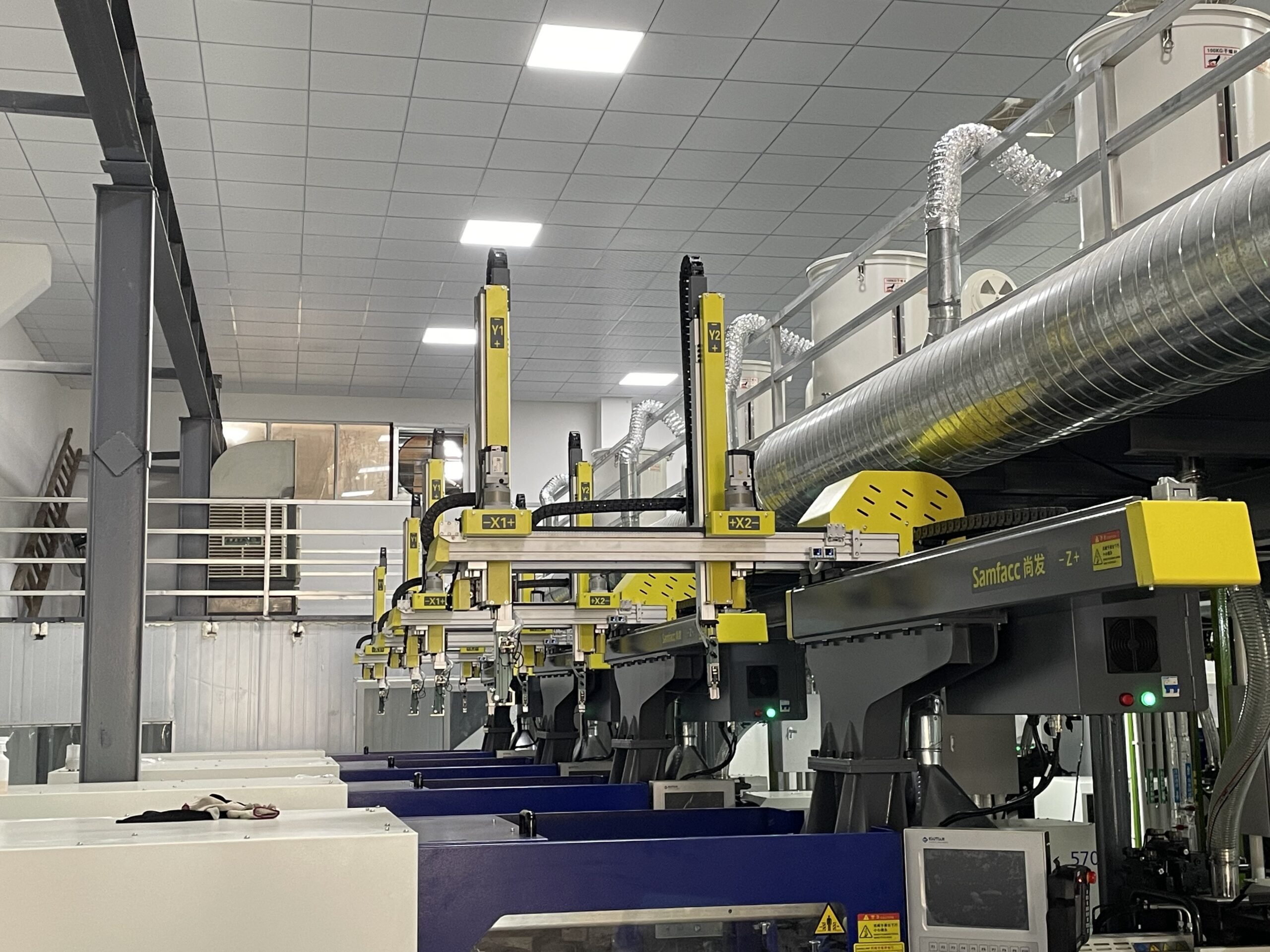
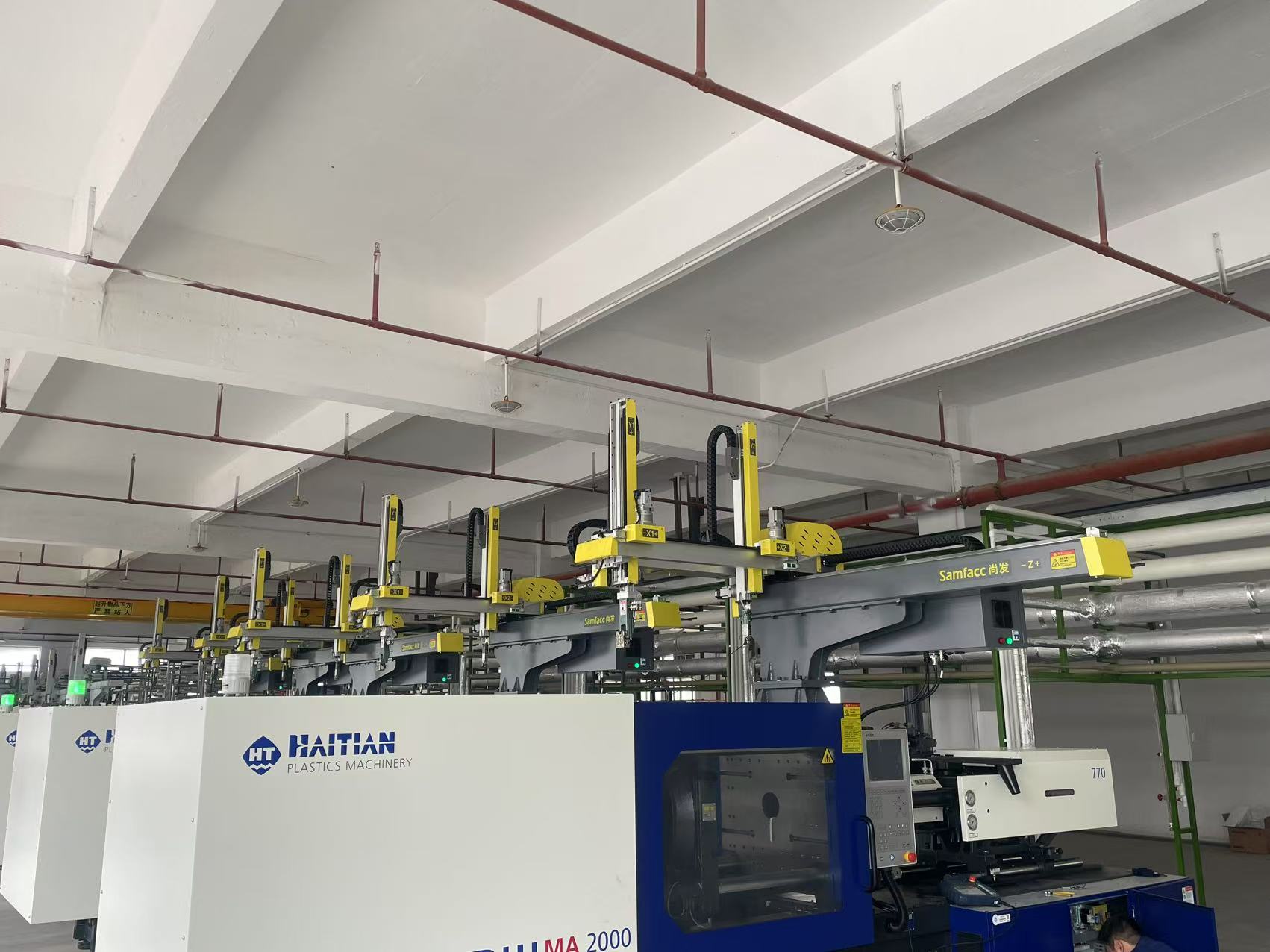
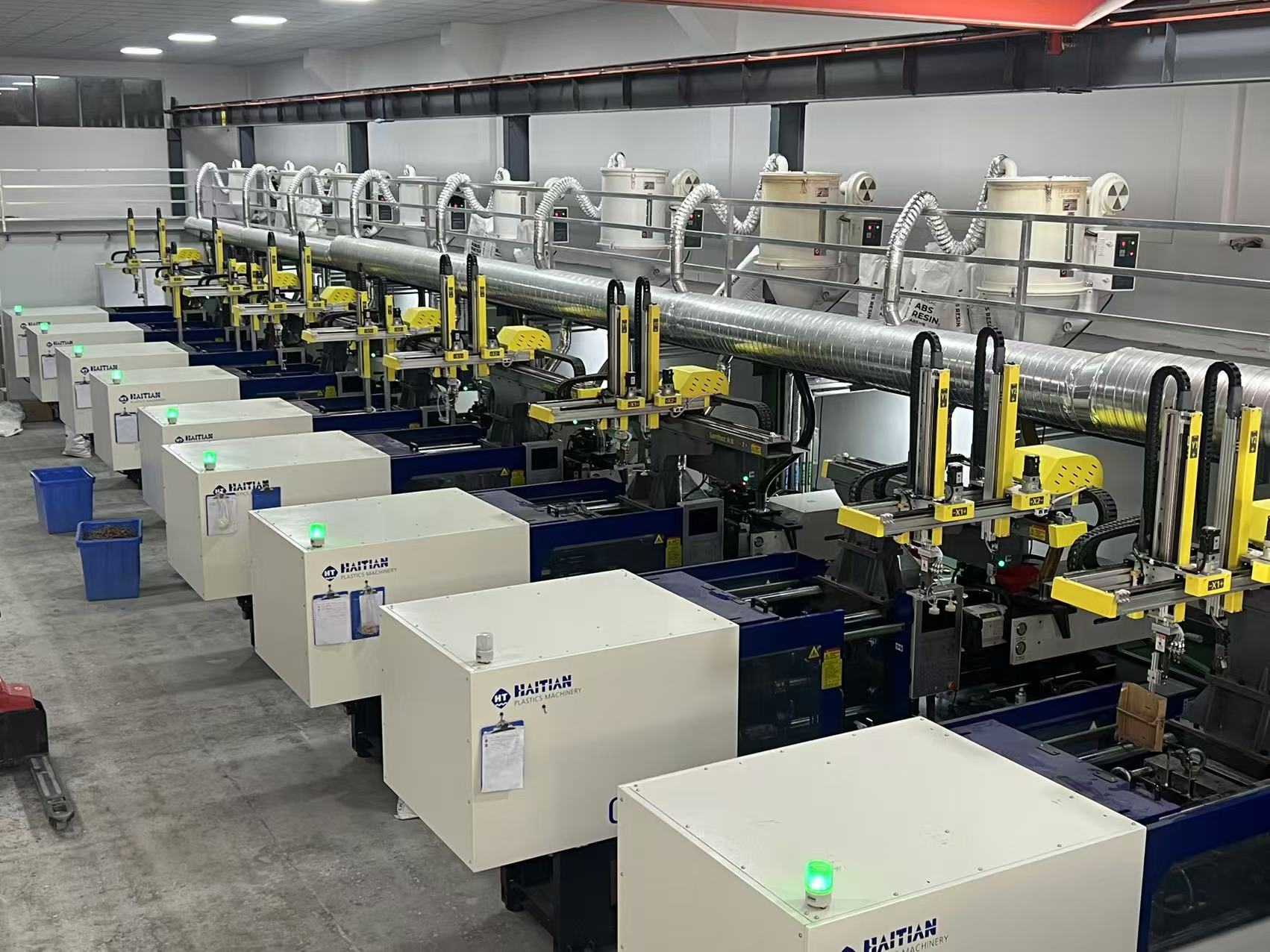
| Cartesian Robots | Linear movement with stable accuracy | Pick-and-place, loading, automated processing |
| Delta Robots | Lightweight design and high-speed operation | Sorting, packaging, fast assembly |
Industrial Robot Arms
Industrial robot arms are one of the most common types of automation equipment. They provide flexible movement and can be equipped with different end tools for welding, gripping, cutting, or assembly operations.
Because of their versatility, industrial robot arms are widely used in electronics, automotive, metal processing, and general manufacturing.
SCARA Robots
SCARA robots are designed for fast and accurate horizontal movements. Their compact structure makes them suitable for industries requiring high-speed assembly and precise positioning.
They are commonly used for small component handling, electronic product assembly, and packaging applications.
Cartesian Robots
Cartesian robots operate along linear axes, providing stable and accurate movement. They are often used for automated loading, material transportation, and positioning tasks.
What Are Industrial Robots Used For in Different Industries?
The applications of industrial robots continue expanding as manufacturers adopt more advanced automation solutions.
| Industry | Robot Applications | Main Benefits |
| Electronics Manufacturing | Component assembly, inspection, precision handling | Higher accuracy and reduced production errors |
| Automotive Manufacturing | Welding, painting, assembly, transportation | Improved consistency and production efficiency |
| Metal Processing | Cutting, grinding, welding, material handling | Safer operations and stable processing quality |
| Packaging Industry | Sorting, packing, product movement | Faster processing and reduced manual workload |
Electronics Manufacturing
In electronics production, precision is extremely important. Industrial robots help complete tasks such as component placement, assembly, and inspection. Their accurate movements reduce production mistakes and support consistent product quality.
Automotive Manufacturing
Automotive factories widely use robots for welding, painting, and assembly. These applications require repeatable performance and high operational accuracy.
Metal Processing
In metalworking environments, robots can perform demanding tasks such as welding, cutting, grinding, and heavy material handling. Automation improves operational safety while maintaining stable processing results. 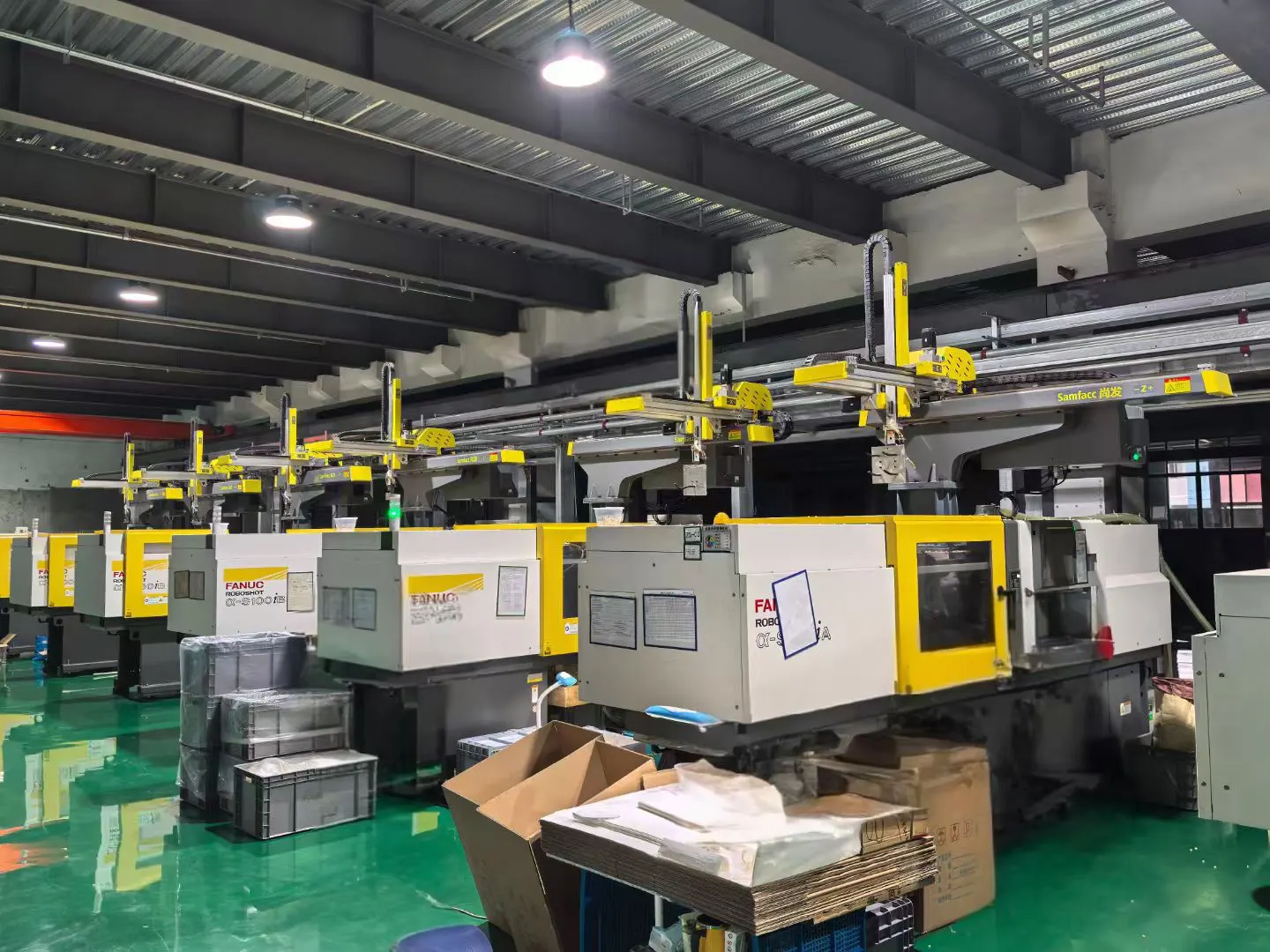
How Are Industrial Robots Changing Smart Manufacturing?
Amid the wave of intelligent manufacturing, market demand for smarter automation systems is growing increasingly robust. Understanding “what are industrial robots?” today means looking beyond basic mechanical operations.
Modern industrial robots can communicate with manufacturing systems, collect production data, and work together with other automated equipment.
Key developments include:
- AI-based control systems;
- Machine vision technology;
- Data monitoring platforms;
- Collaborative robot solutions;
- Flexible automation systems.
These technologies allow factories to create more responsive production environments. Going beyond simple programmed repetition, advanced robots possess capabilities for information perception and autonomous decision-making, allowing them to flexibly optimize operations in response to changing working conditions. Robotic arms and integrated production lines are key pieces of automation equipment that can enhance manufacturing flexibility.
How to Choose the Right Industrial Robots for Production?
Before implementing automation equipment, manufacturers should evaluate several important factors. Understanding “what are industrial robots?” and their capabilities can help manufacturers select suitable solutions for different production needs.
| Selection Factor | Why It Matters |
| Payload Capacity | Determines whether the robot can handle the required materials or tools |
| Working Range | Defines movement area and production flexibility |
| Accuracy Requirements | Ensures stable product quality |
| Integration Capability | Allows connection with existing production systems |
Production Requirements
Different manufacturing processes require different robot specifications. Factors such as operation speed, material weight, and task complexity should be considered before selecting equipment.
Working Environment
The production environment affects robot performance. Temperature, workspace conditions, and material characteristics should be evaluated carefully.
System Compatibility
A suitable industrial robot should integrate smoothly with existing automation systems. Compatibility with controllers, software, and production equipment helps improve overall efficiency.
What Is the Future of Industrial Robots?
The future development of industrial robots will focus on greater intelligence, flexibility, and cooperation between humans and machines.
As artificial intelligence, sensors, and automation software continue to improve, robots will become easier to program and apply across different industries.
Future trends may include:
- More intelligent decision-making systems;
- Increased use of machine vision;
- Flexible manufacturing solutions;
- Better human-machine collaboration;
- More customized automation equipment.
For manufacturers planning automation upgrades, understanding “What are industrial robots?” is an important first step. Learning about different robot types, applications, and selection methods helps create more efficient production strategies. By exploring suitable robotic automation solutions and equipment configurations, businesses can better prepare for the future of smart manufacturing.