 English
  Chinese
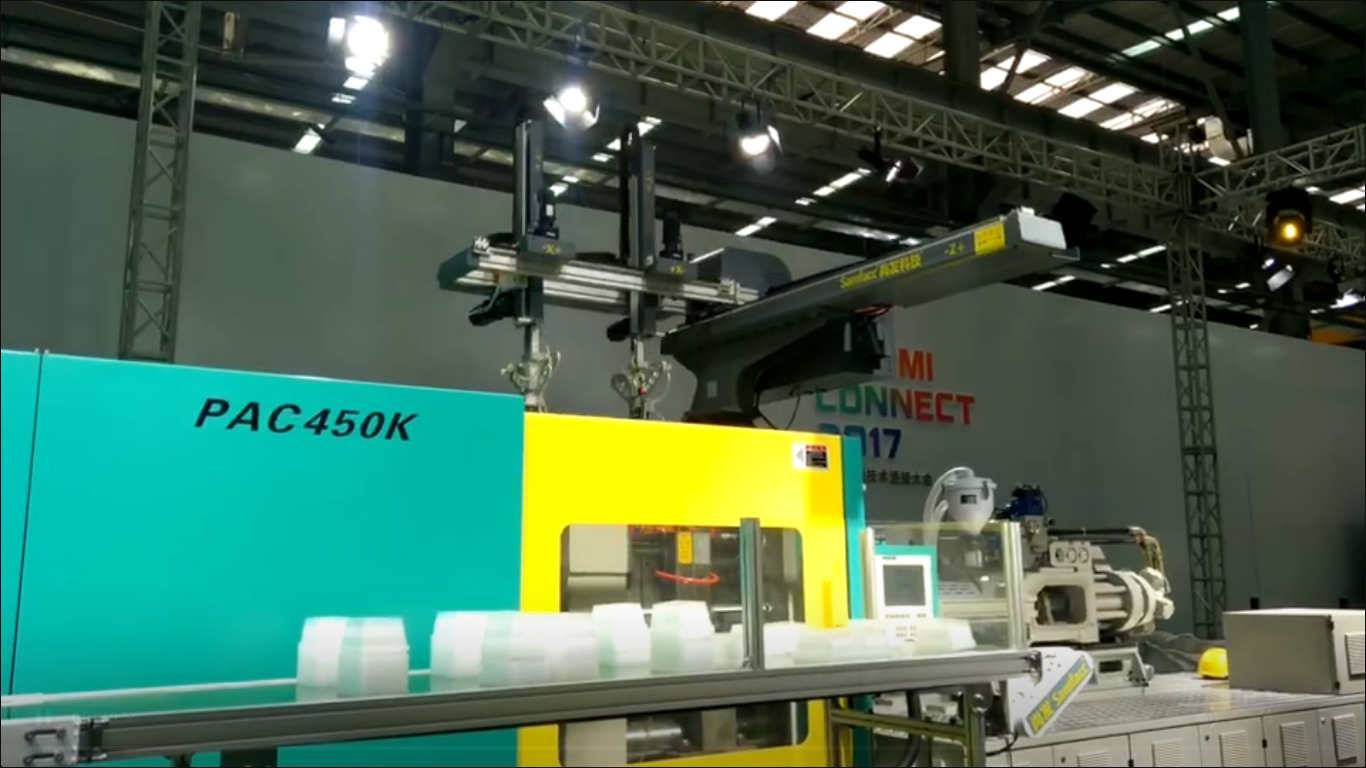
 Are you looking to modernize your packaging facility with an efficient IML machine? Modern packaging manufacturers face constant pressure to achieve faster cycle times, precise label placement, and seamless mold integration. Integrating an advanced in-mold labeling machine into your injection molding workflow eliminates post-labeling steps, dramatically reduces human error, and ensures durable, high-grade aesthetic finishes for thin-wall food containers and household products. This technical guide explores critical machinery evaluation criteria, setup strategies, and maintenance best practices to help engineering teams select the perfect system for maximum throughput.
Key Technical Criteria for Evaluating an IML Machine
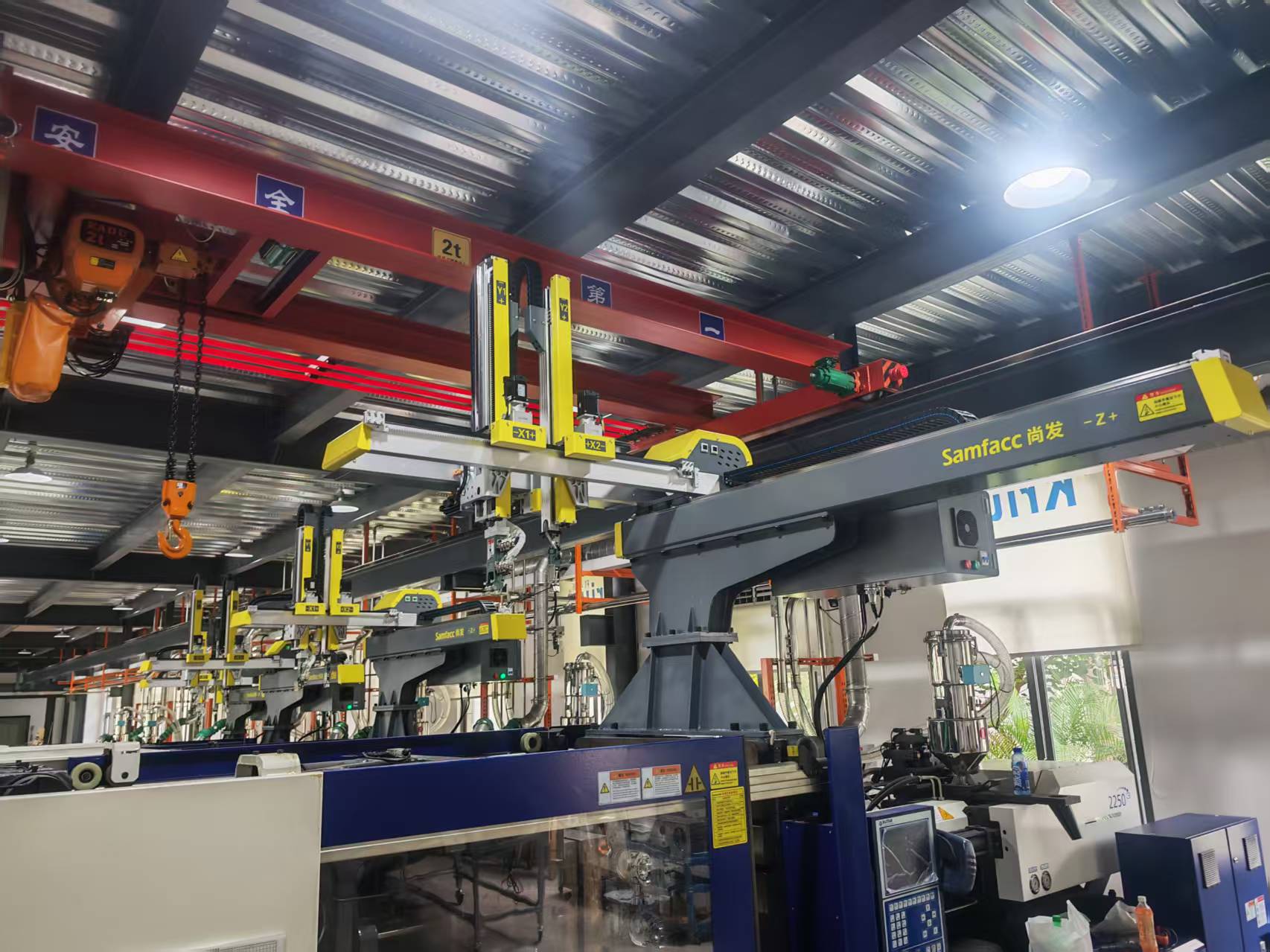
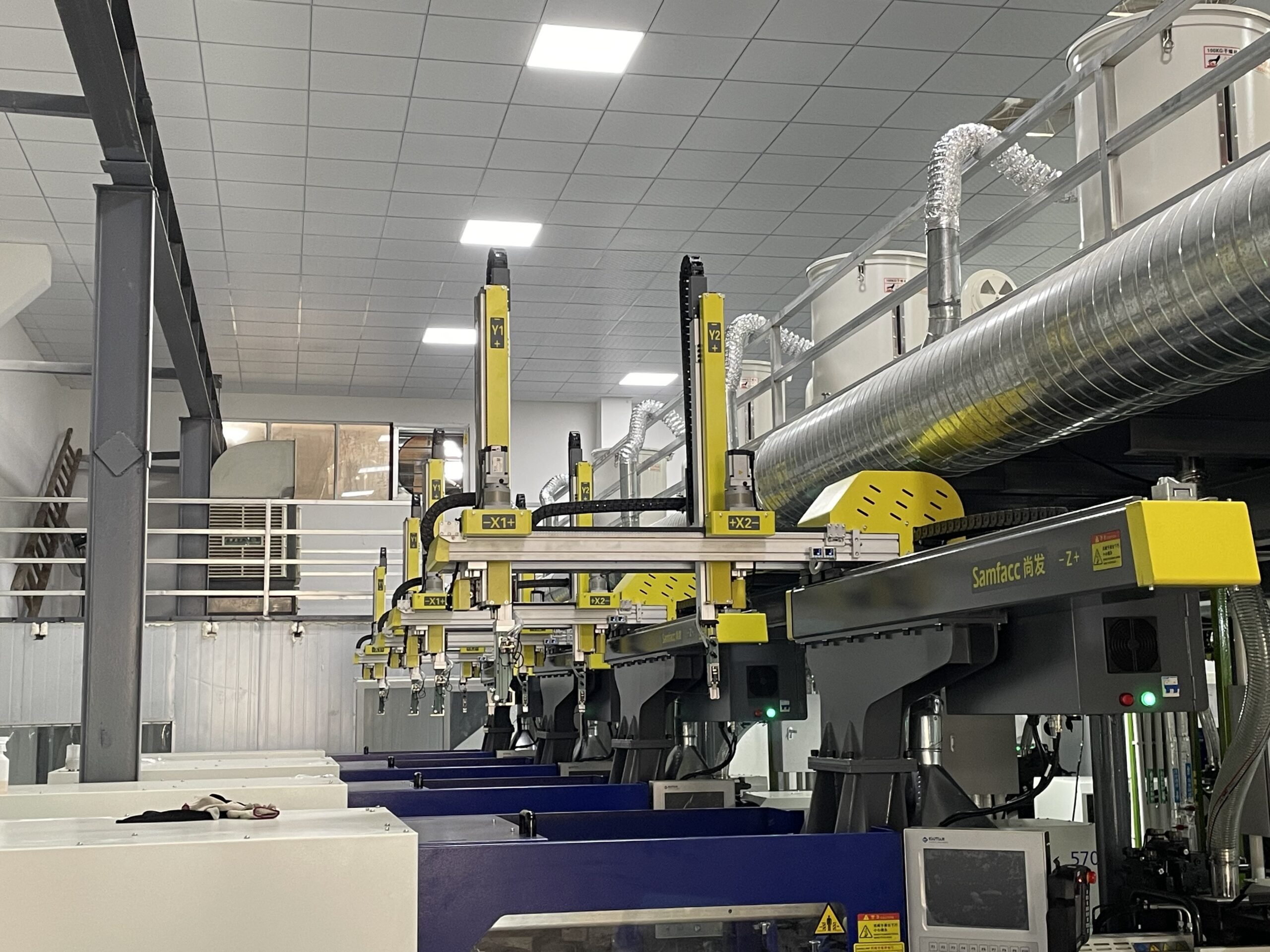
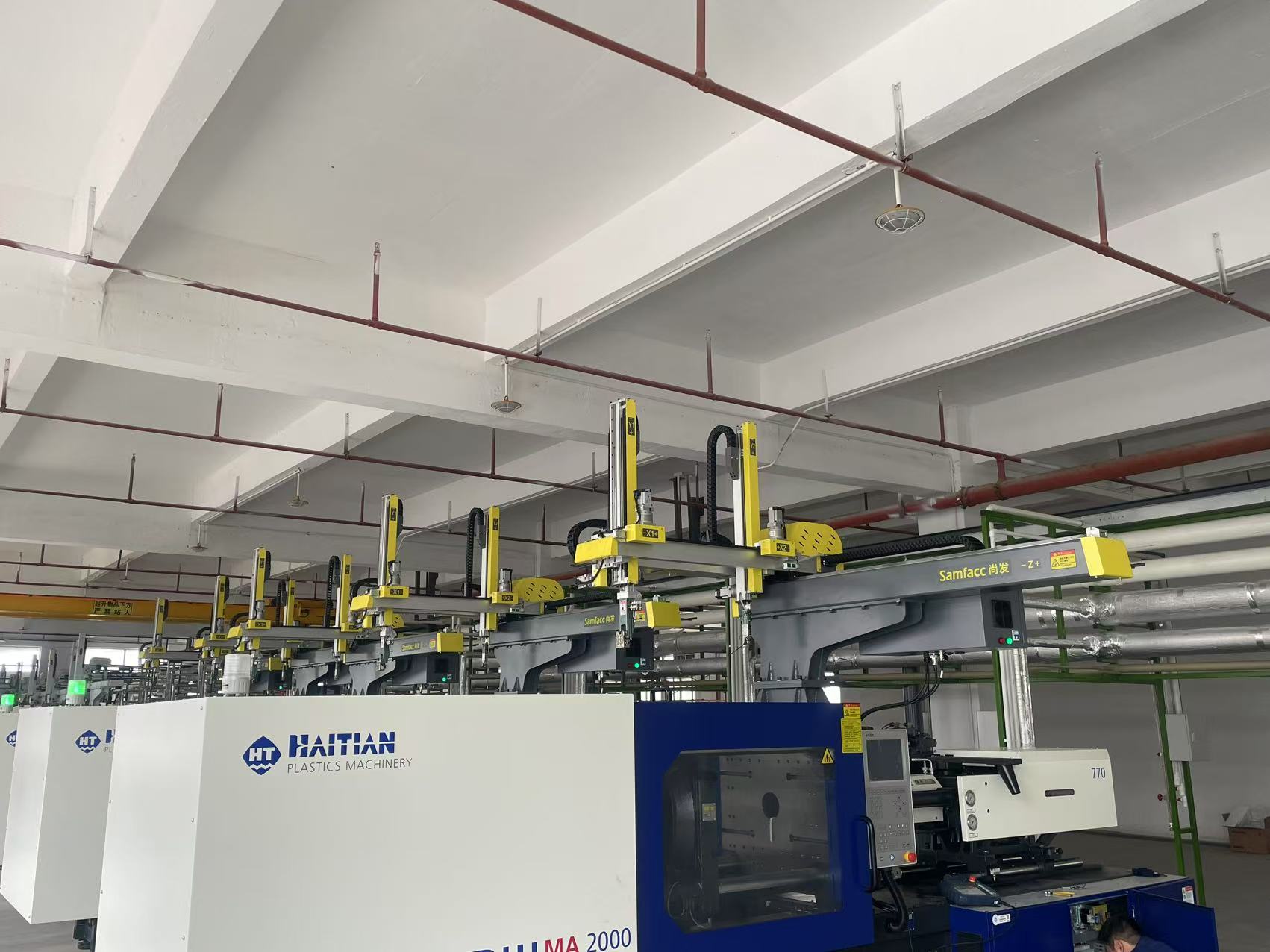
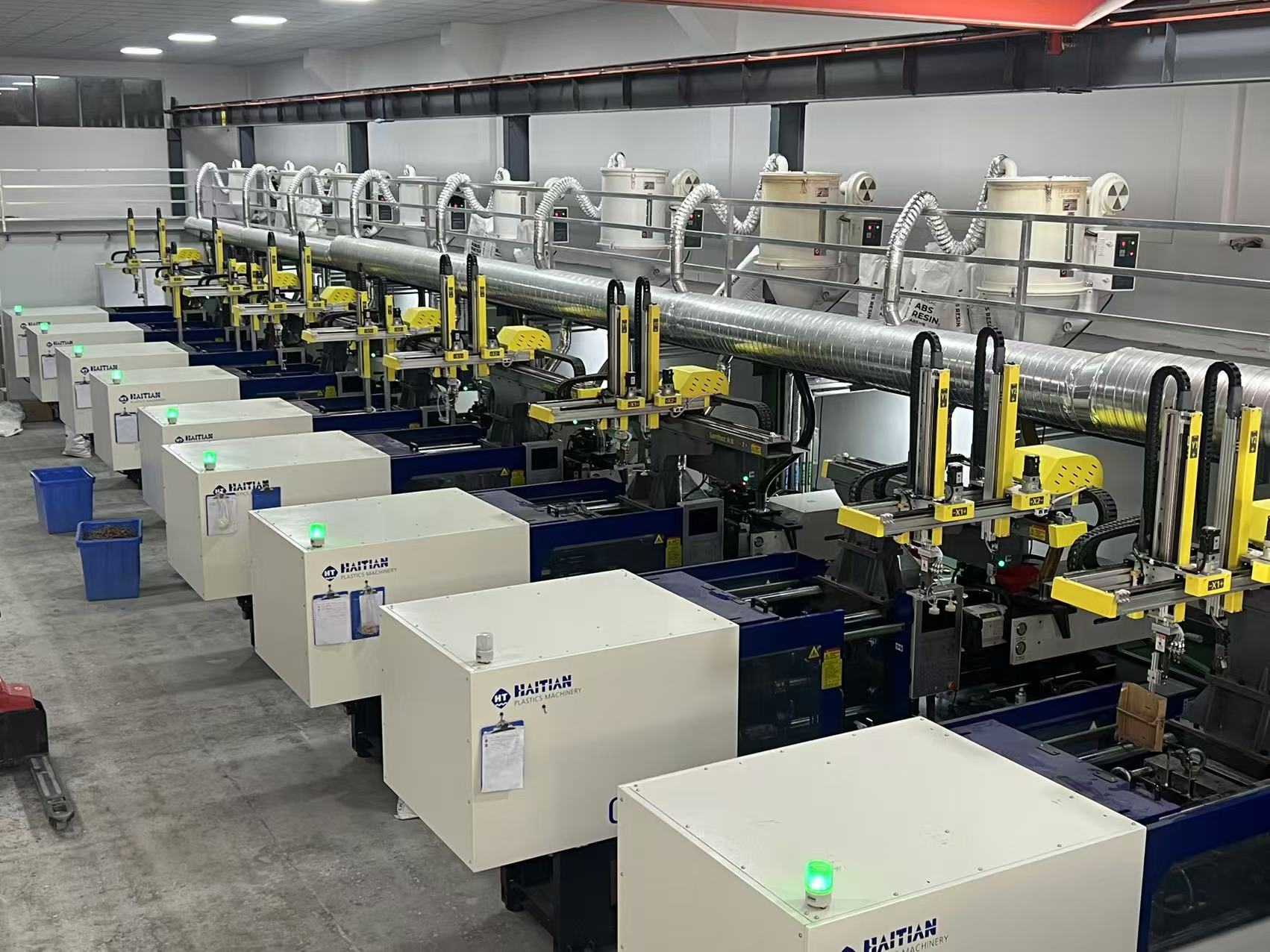
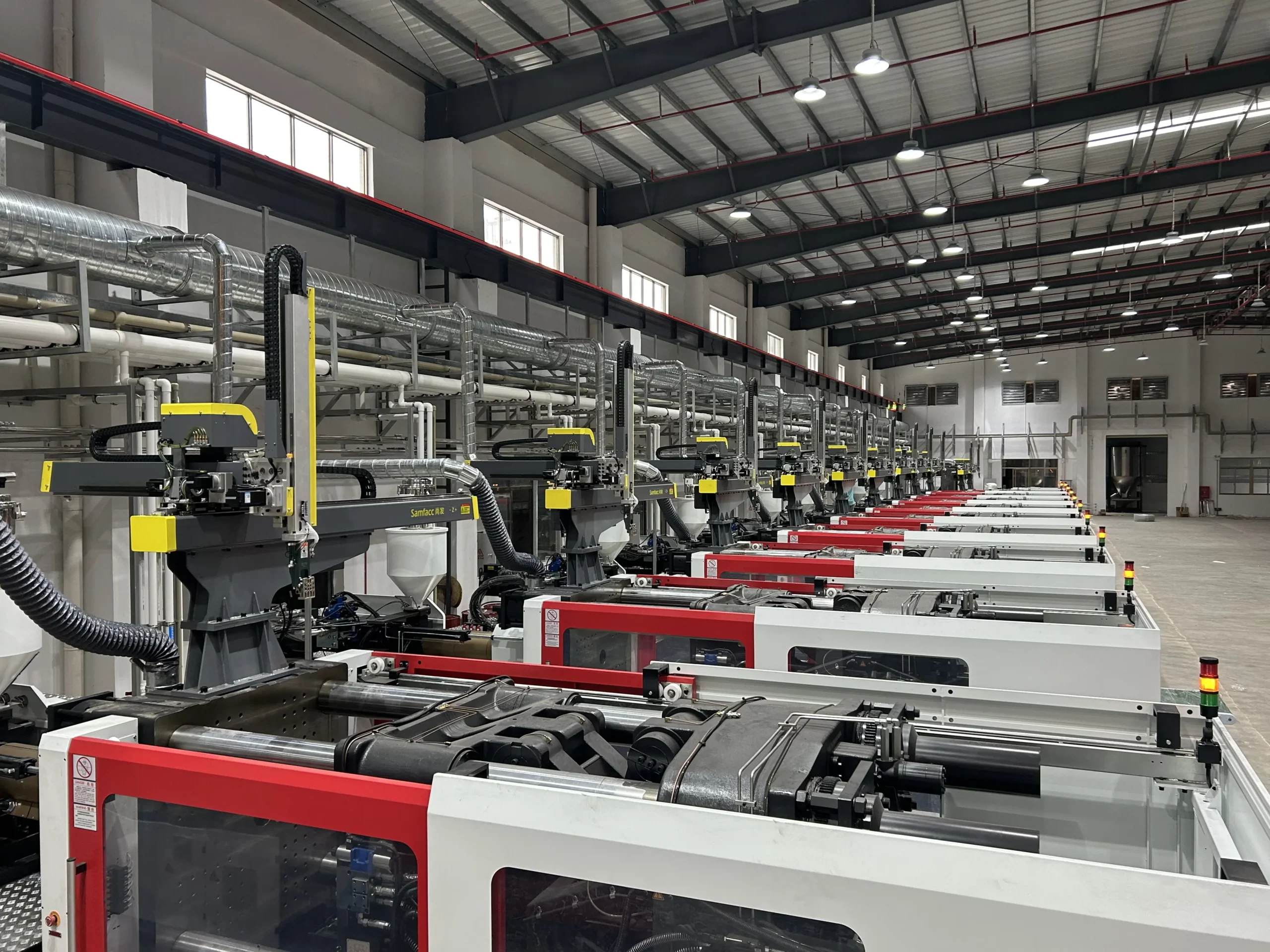
Selecting the right IML machine requires matching mechanical speed, structural layout, and control stability directly with your existing injection press capacities and mold cavities.
Entry Architecture Options
- Side-Entry Robot Architecture:
- Designed for ultra-high-speed operations in high-volume packaging plants.
- Reduces lock-to-lock cycle times significantly during continuous container runs.
- Ensures minimal mold open time, making it the ideal IML machine structure for thin-wall packaging.
- Top-Entry Architecture:
- Fits standard factory footprints with limited lateral floor space.
- Offers versatile automation for flexible multi-product container switching.
- Provides a cost-effective in-mold labeling machine alternative for medium-scale production lines.
Technical Comparison of IML Machine Configurations
To help engineers choose the optimal in-mold labeling machine setup for specific molding conditions, the table below compares key operational parameters across standard structural designs:
| Technical Feature | Top Entry IML System | Side-entry Robot IML System |
| Typical Cycle Time | Moderate (3.5 – 6.0 seconds) | Fast / Ultra-Fast (1.8 – 3.2 seconds) |
| Floor Space Requirement | Vertical headroom focus, compact footprint | Wider lateral space required alongside press |
| Ideal Mold Cavities | 2 to 8 Cavities | 4 to 32+ Cavities |
| Primary Target Products | Household buckets, deep containers, lids | Thin-wall ice cream tubs, yogurt cups, cutlery |
| Structural Rigidity | High vertical boom stability | Ultra-light arm materials with vibration dampening |
| Investment ROI Window | Medium initial outlay, steady payback | High output volume, ultra-fast ROI |
Servo Precision and Electrostatic Setup for an IML Machine
Achieving defect-free surface decoration using an in-mold labeling machine relies on multi-axis servo precision and strict electrostatic charging rules.
Servo Drive Precision and Repeatability
- Multi-Axis Servo Motors: High-precision AC servo drivers power every movement axis of the IML machine, eliminating motion lag.
- Vibration Suppression: Smooth acceleration curves prevent mechanical shaker forces when placing planar labels into multi-cavity molds.
- Mold Protection Safeguards: Precise millimeter-level positional accuracy prevents collision risks, ensuring your IML machine operates safely without damaging tooling surfaces.
Static Electrostatic Charge Mechanics
- Charging Phase: The IML machine applies a calibrated high-voltage static charge to the planar label before cavity insertion.
- Cavity Adhesion: Static attraction clings the label securely against the cooled metal mold wall without using sticky liquid adhesives.
- Flawless Molding: Proper electrostatic pinning in thein-mold labeling machine prevents label shifting, air bubbles, or edge wrinkling when molten polymer enters the core.
Parts Extraction and Preventive Care for an In-Mold Labeling Machine
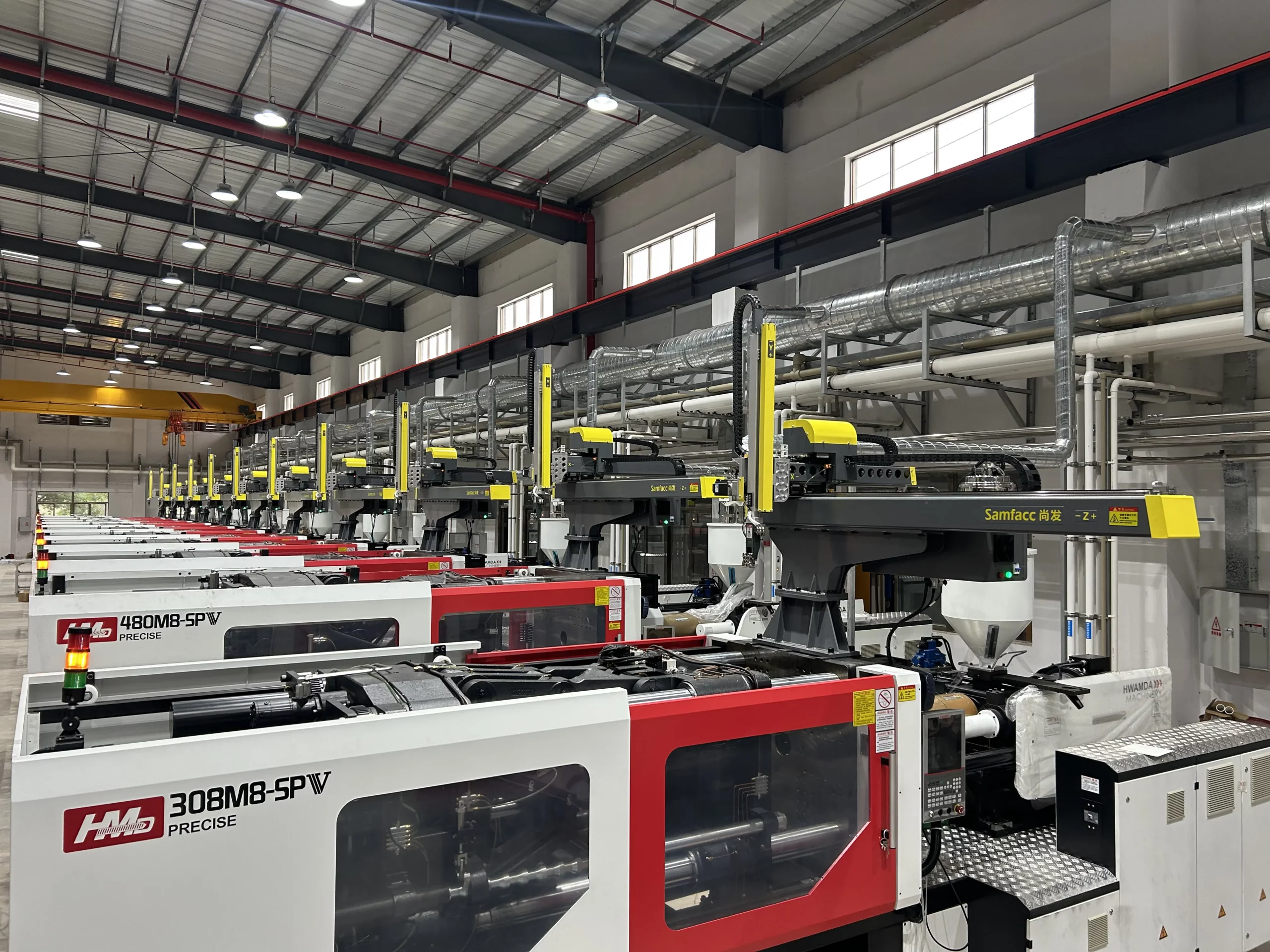
Consistent preventive maintenance ensures your IML machine operates at peak reliability across 24-hour manufacturing shifts.
Part Extraction and Downward Conveyance
- End-of-Arm Tooling (EOAT): Vacuum grippers mounted on the IML machine seize molded parts instantly upon cooling.
- Automated Transfer: Downward extraction arms pass finished containers smoothly onto downstream equipment without manual handling.
- Downstream Stacking: Integrated conveying channels allow the IML machine to feed automated stackers or visual quality inspectors continuously.
Essential Weekly Maintenance Routine
- Clean Electrostatic Pins: Dust or resin build-up weakens static charge transfer on the IML machine, leading to dropped la
- Inspect Vacuum Cups: Check silicone cups for wear or clogging to maintain strong suction force inside the in-mold labeling machine.
- Guide Rail Lubrication: Wipe linear guides clean and re-apply specified grease to minimize motor strain during rapid traversals.
- Cable Track Checks: Inspect high-flex drag chain cables inside the IML machine to prevent signal loss during continuous cycling.
Future Trends in IML Machine Automation
Modern packaging plants are adopting modular IML systems to handle shorter product cycles and eco-friendly mono-material packaging requirements.
- Rapid Tooling Swaps: Advanced IML machine platforms feature modular EOAT setups, allowing operators to change label formats in under 30 minutes.
- Multi-Product Versatility: A single IML machine can seamlessly process diverse container styles—from ice cream tubs to cutlery—on a unified floor space.
- Energy Efficiency: Modern servo controllers reduce power consumption, making the latest in-mold labeling machine models both economical and sustainable.
Elevate Your Factory Automation Today
Upgrading your production line with a high-speed, precision-engineered automation system ensures stable output and maximum operational reliability. Explore standard and custom side-entry or top-entry IML Robot options engineered for your exact press specifications, or get in touch with our technical sales engineers today to receive detailed technical advice and a free project quotation!