 English
  Chinese
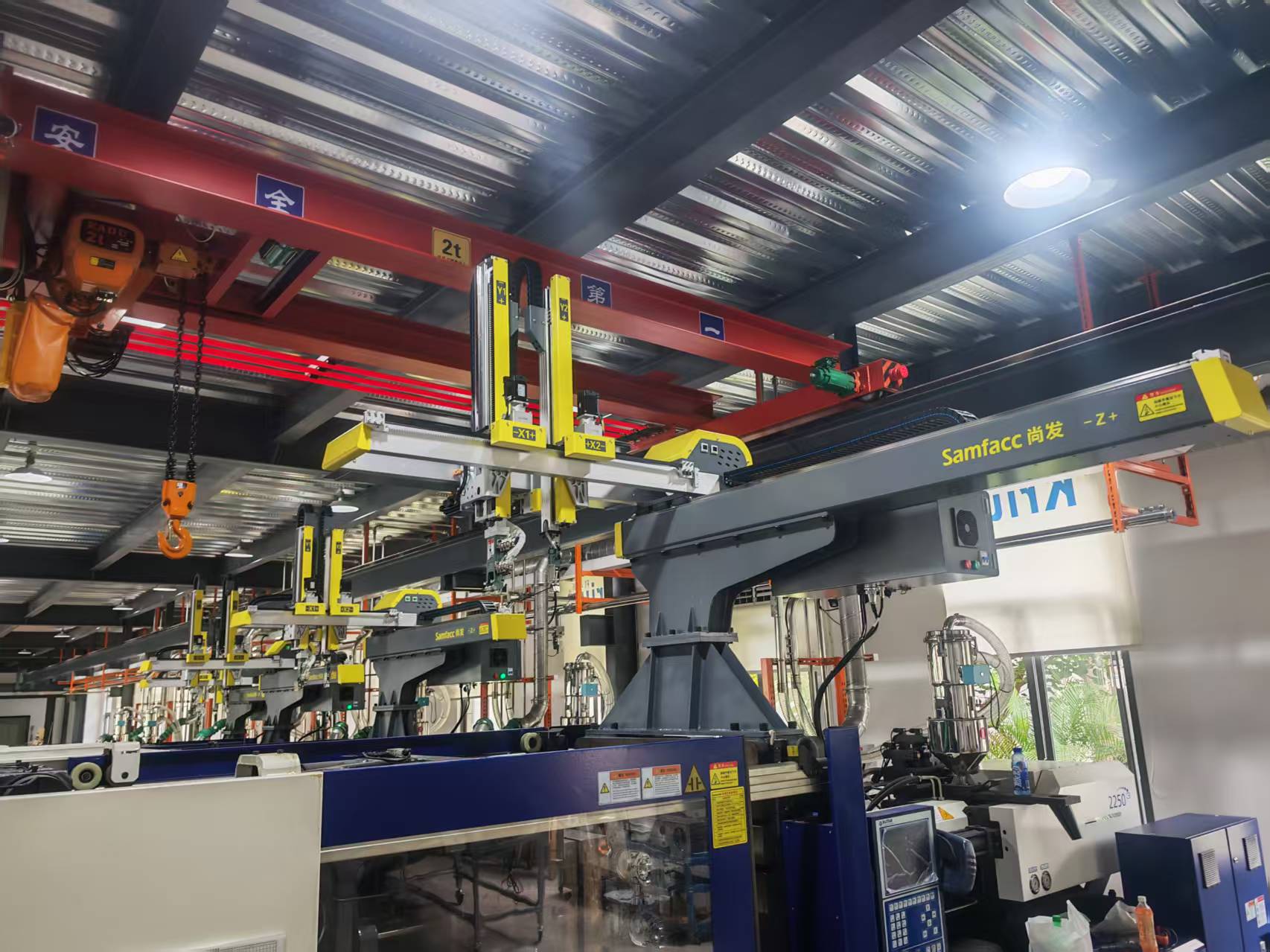
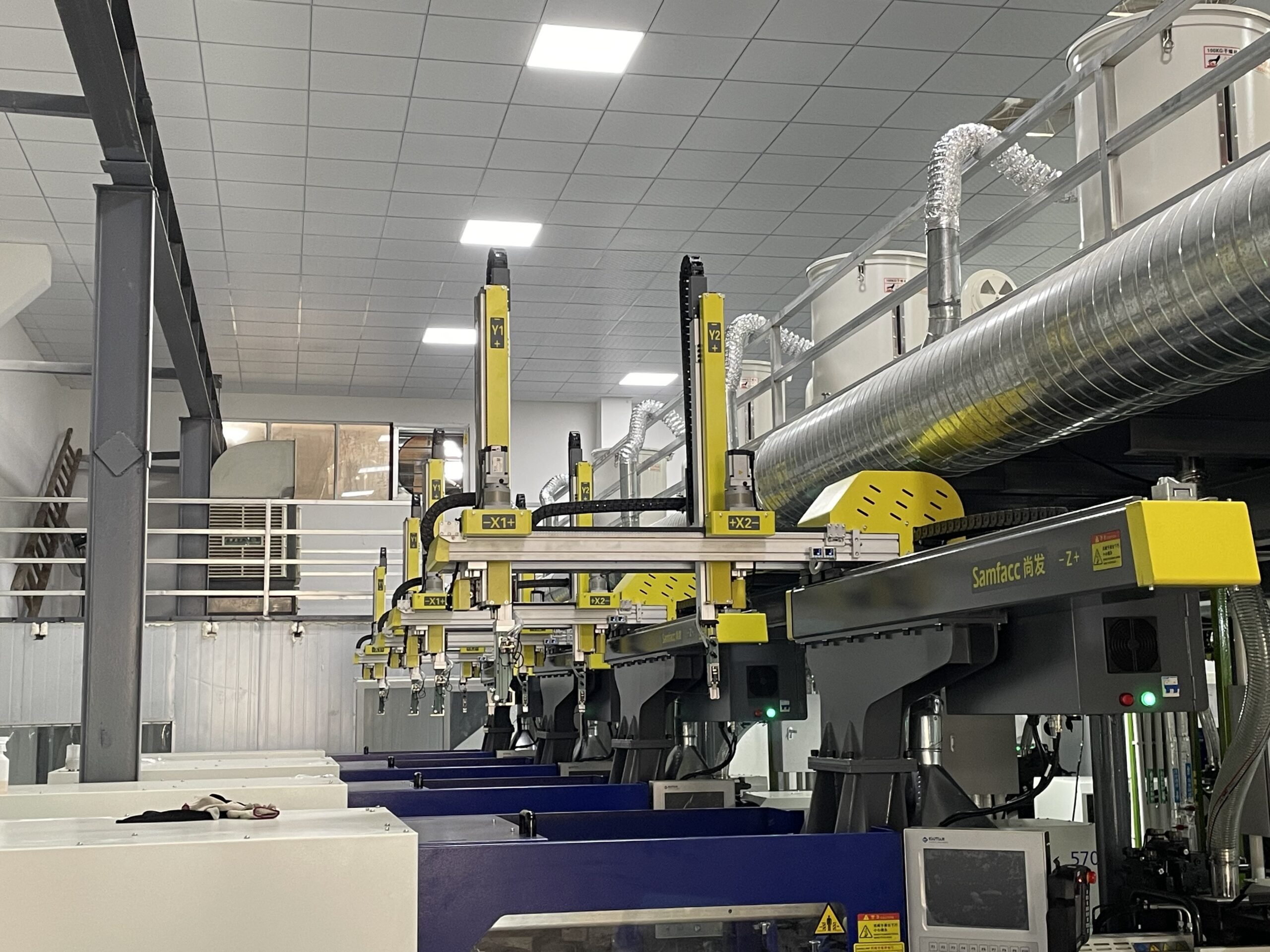
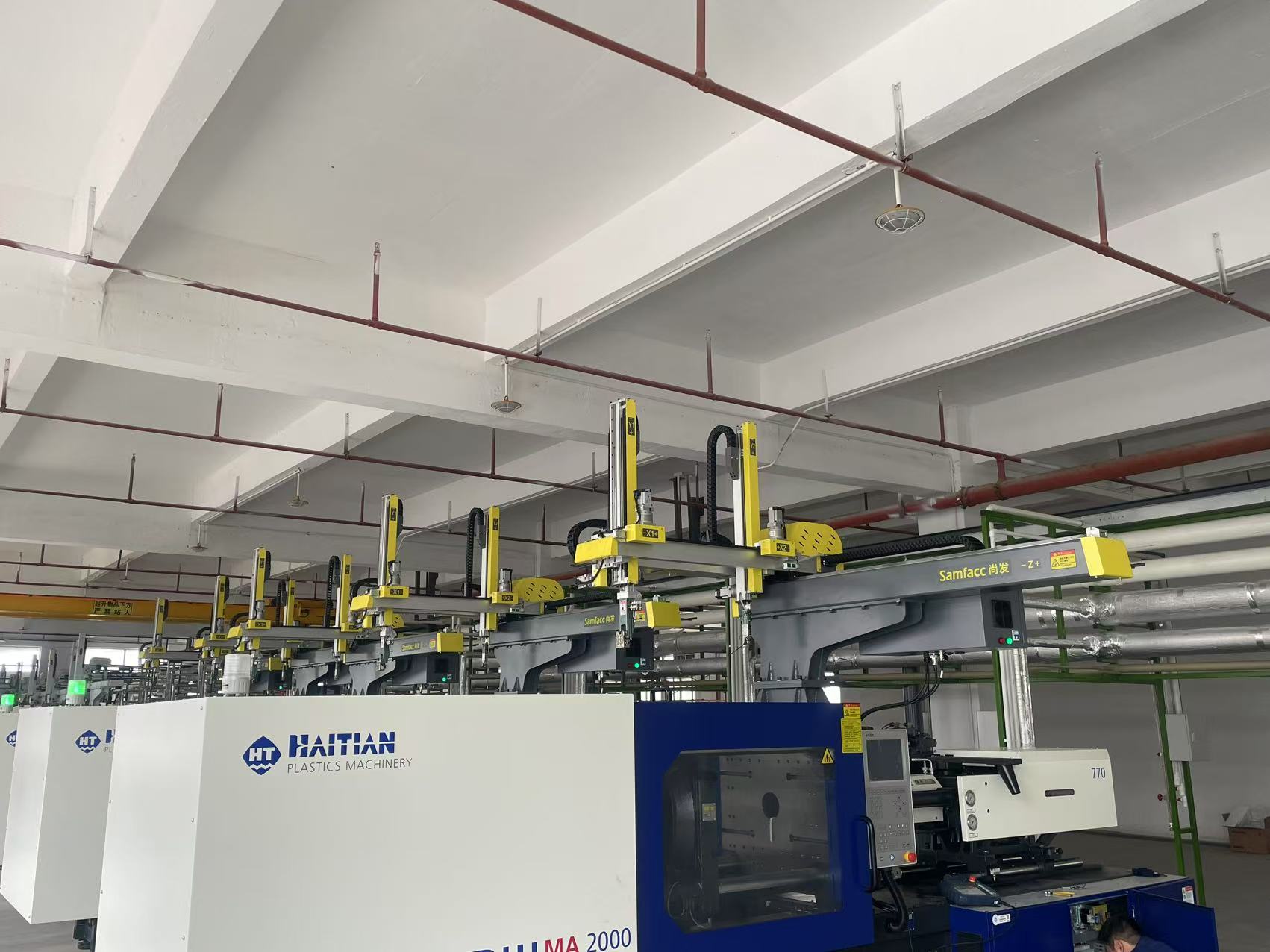
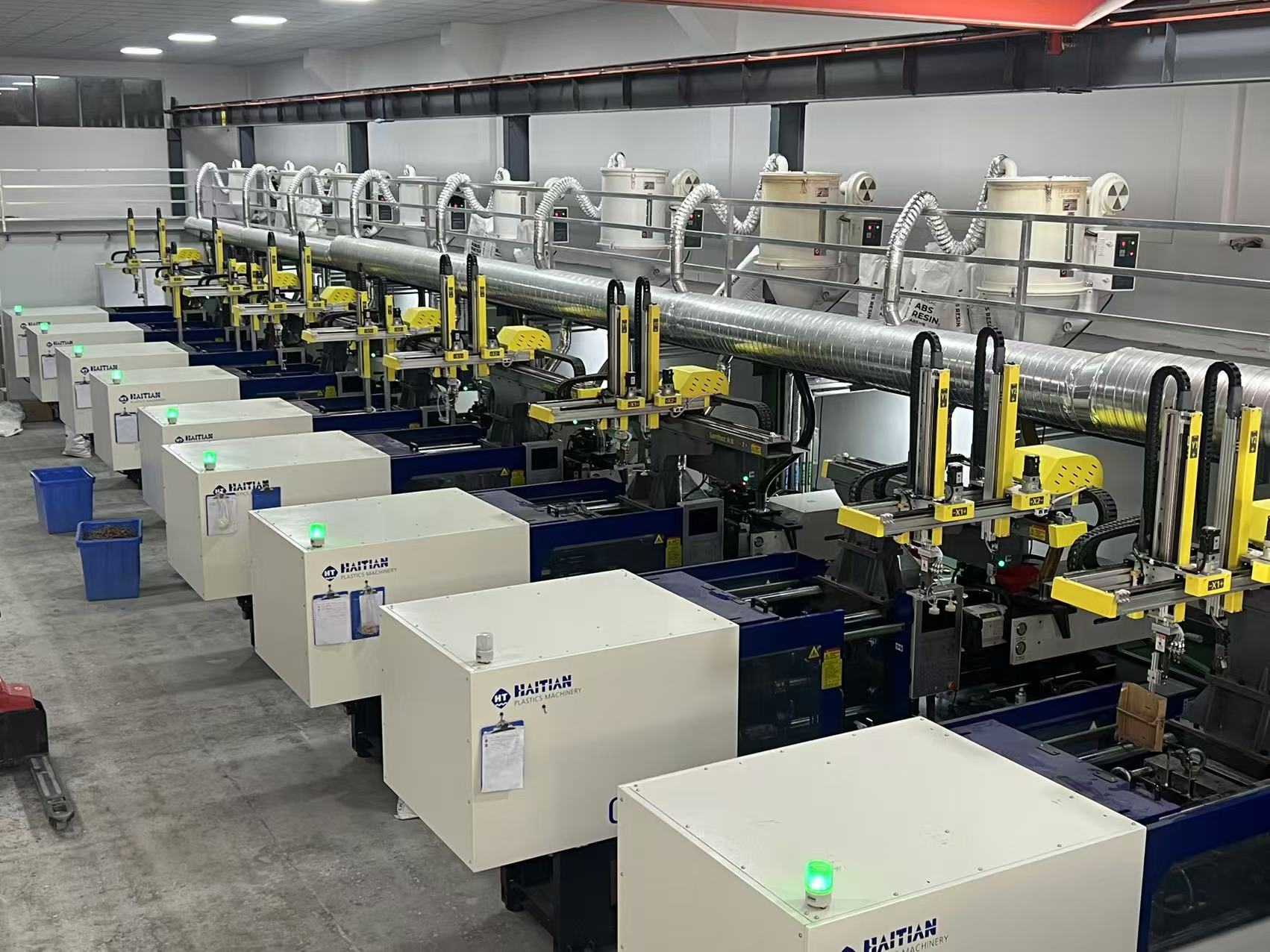
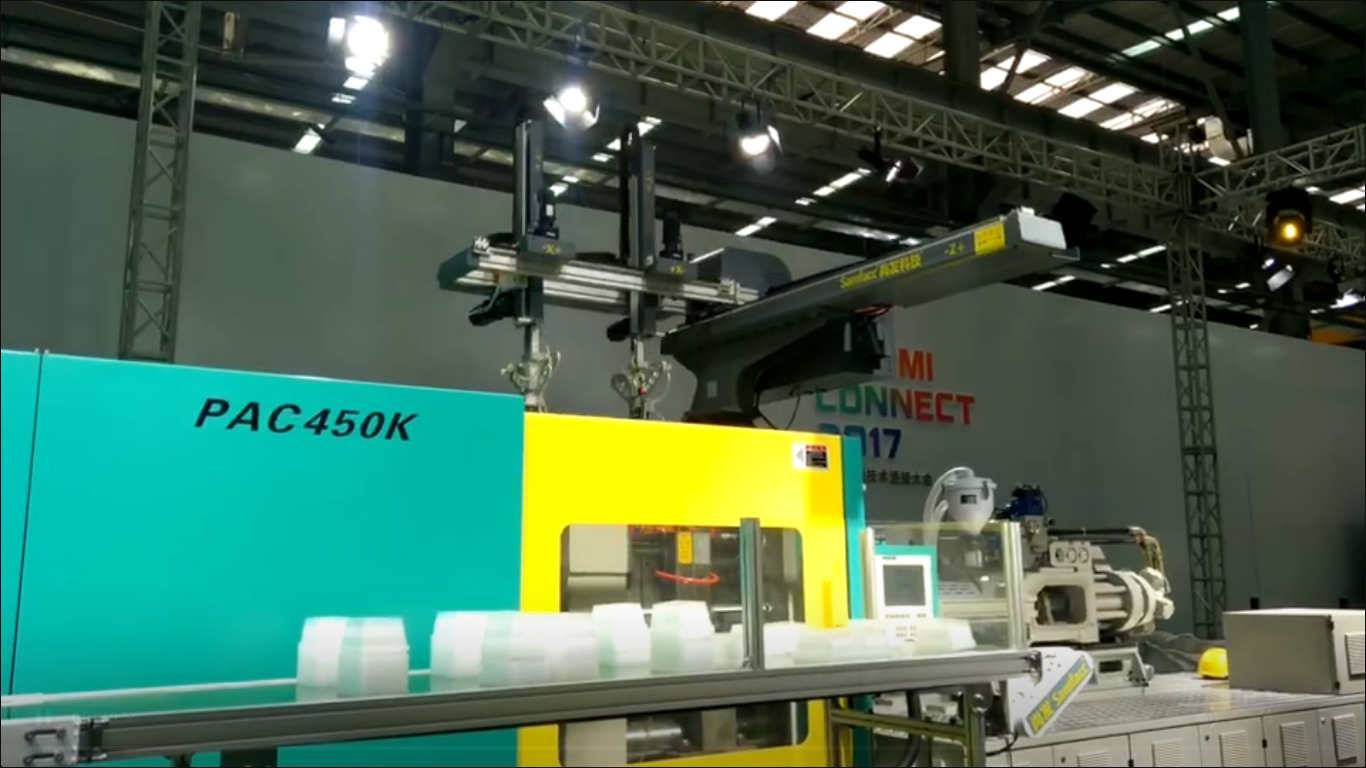
 Automation in modern manufacturing is critical to efficiency, precision, and dependability. The use of the injection moulding robot is arguably the most significant innovation in plastics production.
The robots are coded to guide injection moulding machines and make repetitive work easier, reduce errors, and improve productivity. As companies continue to strive for efficiency, the benefits of embracing robotics in moulding become increasingly evident.
Advantages of the Injection Moulding Robot
Better Production Efficiency
One of the biggest benefits of an injection moulding robot is that it can perform repetitive work at high speed. The traditional manual handling causes production to slow down and could be the cause of delays owing to fatigue or operator mistakes.
Robots, nevertheless, operate around the clock with minimal interruption time, opening the door to continuous production output. By rapidly removing completed parts from the moulds and resetting the machine to run another cycle, robots prevent lost time and increase the overall volume of production.

Better Product Quality
Consistency is important in injection moulding, especially when producing hundreds of identical parts. An injection moulding robot ensures that each part is handled gently and uniformly, limiting the chances for scratches, warping, and other quality issues.
Robots also eliminate the inconsistency of manual handling, enabling higher accuracy when handling and post-processing. Consistency provides fewer defective pieces and less scrap material, saving manufacturers time and money.
Safer Working Environment
The use of injection moulding machines is characterized by high temperatures, sharp edges, and massive moving parts, all of which are bound to present human safety hazards. By using an injection moulding robot, companies can reduce direct human exposure to hazardous machines.
Robots are capable of removing hot parts in a safe manner, loading components, and performing trimming, which keeps workers from being exposed to harm. This change not only improves workplace safety but also allows staff to do more high-value work involving human choice and creativity.
Flexibility in Production
The injection moulding robot is also very useful because it is flexible.
Robots can be programmed to work with different moulds, sizes of product, and operations such as removal of parts, stacking, assembly, or packaging. This flexibility makes it possible for manufacturers to respond rapidly to market conditions and customize runs of production without significant retooling.
Multi-axis robotic arms allow companies to make complex motions and handle complex designs, enhancing their ability to tackle diverse industries such as automotive, medical, and consumer products.
Cost Savings Over Time
While the initial cost of an injection moulding robot is often expensive, ultimately it pays for itself with long-term savings. It saves on labour costs, minimizes material waste, and extends the lifespan of the machines with smooth, precise actions.
In addition, by maximising production rates and reducing defects, companies can deliver more orders at higher profitability more rapidly. Each year, savings pile up, making automation a good investment for manufacturers who must remain competitive.
Conclusion
The application of injection moulding robots is a great step in the field of manufacturing technology. From improving efficiency and product quality to improving safety in the workplace and reducing long-term expenditure, the robots have proven themselves to be vital tools in current production lines.
With the ever-increasing expansion of industries, the demand for automation and precision will only grow, with the injection moulding robot being at the forefront of this revolution.