 English
  Chinese
 Today, automation has played the most crucial role in achieving maximum productivity and precision. Robotic arms have been one of the leading pioneers in this cause. But how do robotic arms work, and why are they so crucial for effective manufacturing in the contemporary world? This piece investigates the workings, purposes, and benefits of robotic arms in the industrial context.

What Are Robotic Arms?
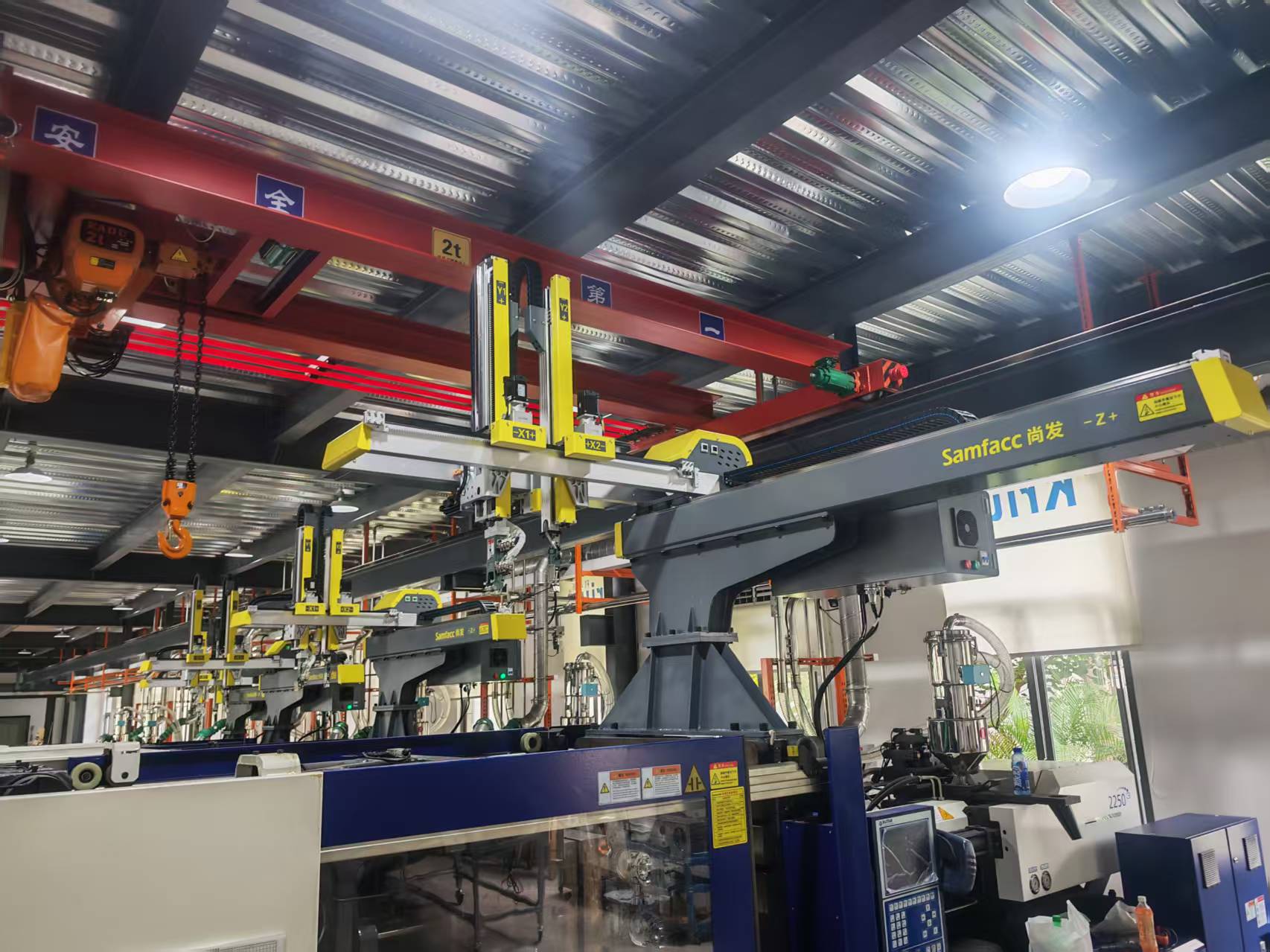
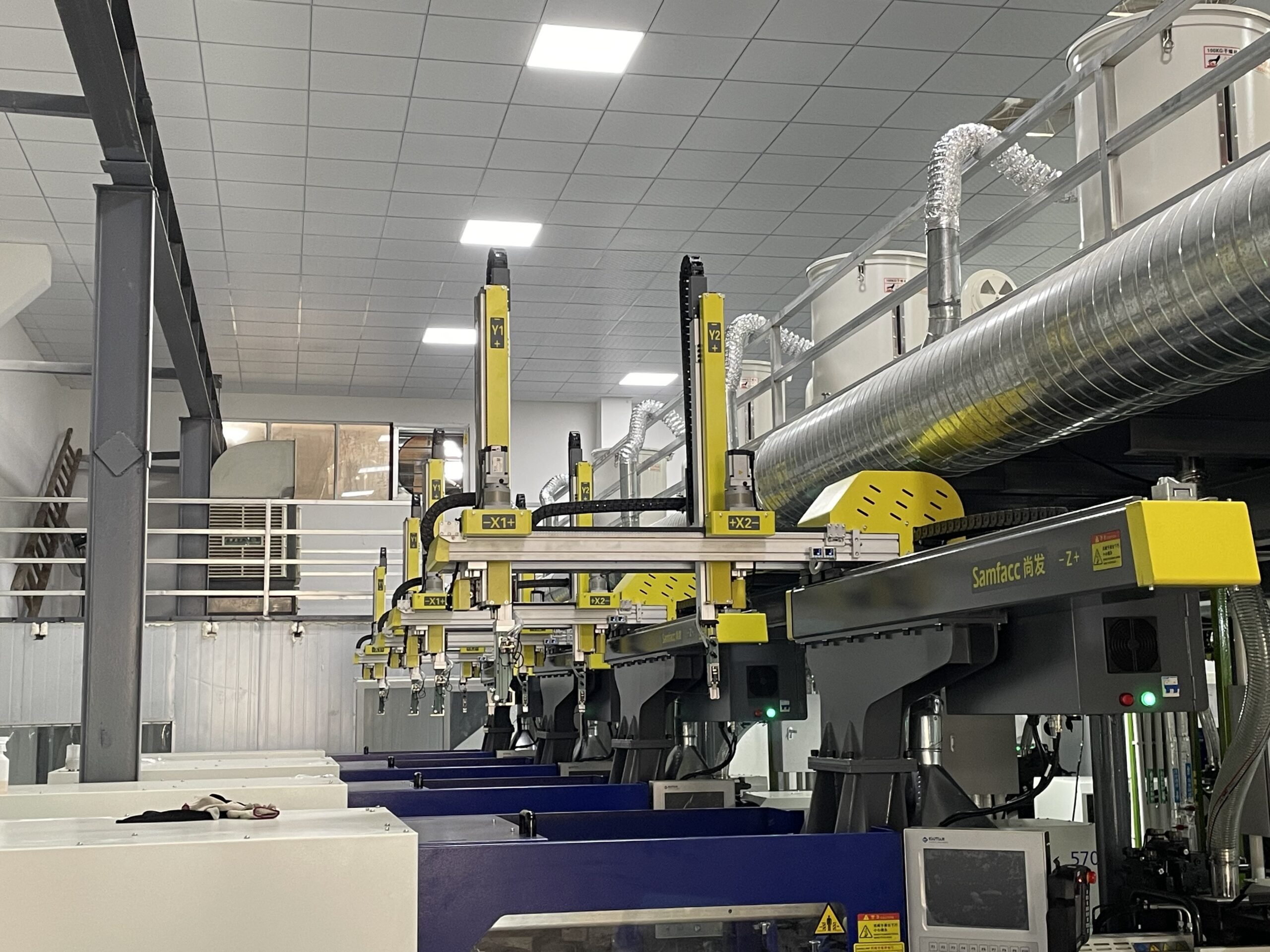
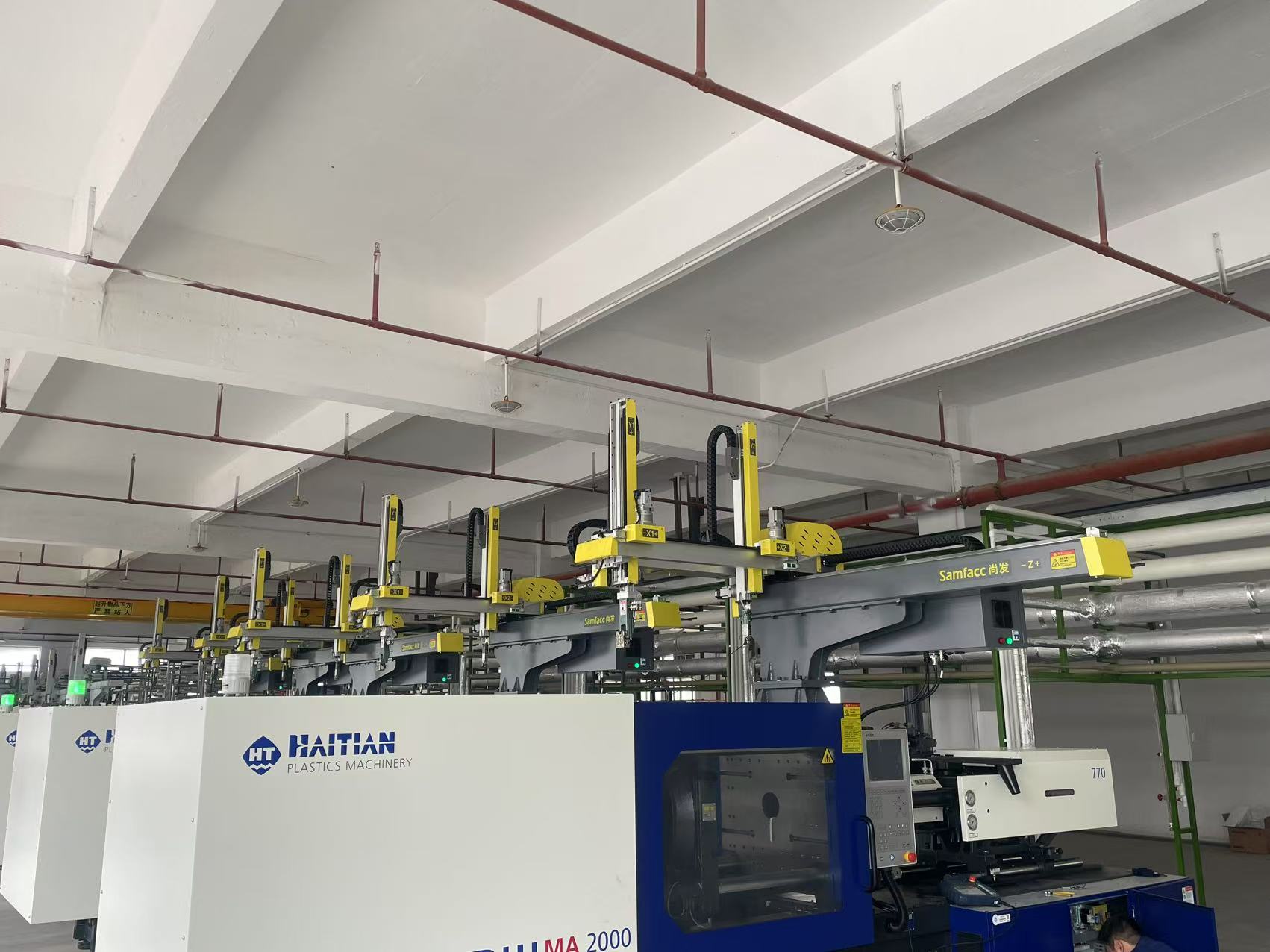
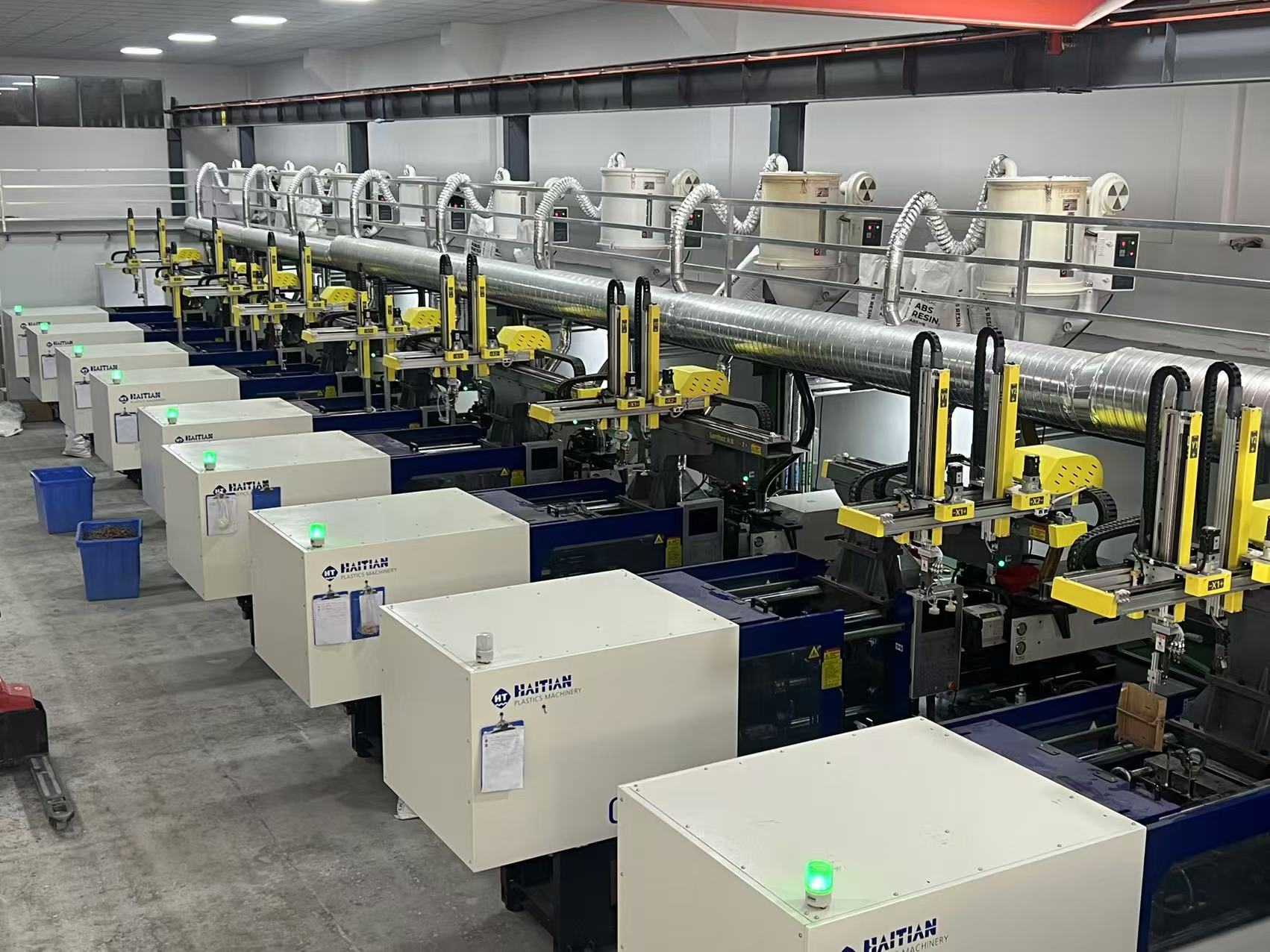
A robot arm, or a micro-electromechanical system, is programmed to simulate an arm movement with human precision. It can be composed of motors, links, joints, sensors, and controllers that are designed to do various tasks, from simple pick-and-place to assembly and welding operations.
Some of the robotic arms are also being fitted with AI and machine learning, so they can learn, get better at movement, and improve over time. A description of how robotic arms work can be determined by examining the hardware configuration as well as the software program that enables movement, coordination, and interaction with the world.
How Do Robotic Arms Work?
Robotic arms operate through the use of sensors, actuators, and controllers combined. Their primary components are as follows:
- Joints and Links: These provide the mechanical structure and mobility to move, allowing the arm to move in all kinds of different directions.
- Actuators: Usually electric, hydraulic, or pneumatic, actuators drive the joints to move.
- Controllers: The brains of the robotic arm, controllers read input from sensors and execute commands for controlled movement.
- End Effectors: The Last devices on the arm, such as grippers, welding torches, or vacuum cups, which are in contact with objects.
- Sensors: Sensors are utilized to sense orientation, force, and position for accuracy and safety of operation.
In addition to all of these components, robot arms can replicate the movement of humans with high speed and accuracy. Even high-end models utilize artificial intelligence and machine learning to learn new procedures or optimize performance.
Applications in Manufacturing
Robotic arms find widespread application in manufacturing industries such as the automobile, electronics, pharmaceutical, and food processing:
- Assembly Line Automation: Robots perform repetitive tasks at a quicker and higher level of accuracy than humans.
- Material Handling: Robotic arms transport heavy or hazardous materials without work-related injuries.
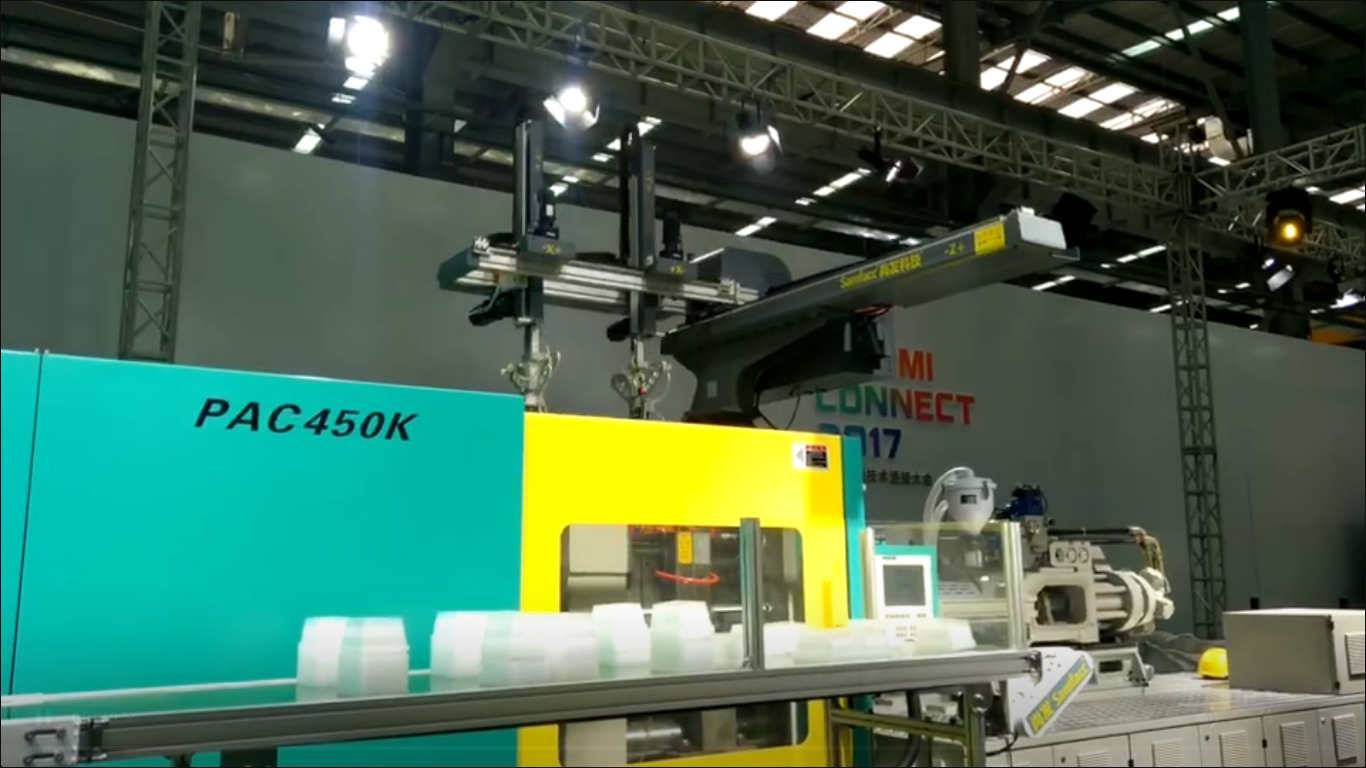
- Welding and Painting: Repeatability and accuracy result in reliable product quality. Robots like the High Speed Robot SFK Series, for instance, are made for high-speed manufacturing lines and provide accuracy with speed.
- Quality Inspection: Robots, cameras, and sensors can identify faults at a greater rate than human inspectors.
How Robotic Arms Improve Manufacturing Efficiency
Learning how robotic arms work explains why they are mostly accountable for improving manufacturing efficiency:
- Increased Productivity: Robotic arms can work 24/7 without getting tired, much greater rates of production.
- Enhanced Precision and Consistency: Robotic arms cut down on human mistakes by a great extent, making products of better quality.
- Cost Reduction: Although the initial cost may be high, robotic arms cut down on labor costs as well as wastage.
- Safety Improvements: By performing dangerous tasks, robots save human workers from possible injuries.
- Flexibility: Robotic arms nowadays can be reprogrammed for new tasks and thus are flexible to meet changing production requirements.
Future of Robotic Arms in Manufacturing
New technologies such as drones, collaborative robots (cobots), artificial intelligence-based automation, and high-end sensors are equipping robotic arms with intelligence, safety, and flexibility.
Cobots enable humans and human workers to share work space on adaptive assembly lines, while AI enables robotic arms to perform movements more efficiently, learn to repeat repetitive motions over and over, and make fewer errors. Sensors provide real-time feedback so robots can work with sensitive or tricky materials accurately.
Companies that understand how robotic arms work operate and utilize such tools to their full capacity are capable of significantly increasing productivity, reducing costs, and staying competitive in the international marketplace.
Conclusion
Robot arms are revolutionizing the manufacturing world by leading the convergence of mechanical precision, smart control, and multi-functionality to new heights. With the understanding of how robotic arms work, we and ensure workplace safety.
At Samfacc, we specialize in providing cutting-edge robotic products to serve the needs of today’s manufacturing. To learn more about our solutions, contact us today for personalized guidance and counsel.
As the technology continues to develop, the role of robotic arms in the efficiency of manufacturing can only become more relevant.