 English
  Chinese
 The robot human arm is changing the way industries operate, combining precision, flexibility, and innovative technology. From manufacturing to healthcare, these high-tech robotic systems are enabling tasks that were not feasible or inefficient for human beings to achieve independently. In this article, we are discussing the main industries where a robot human arm is used extensively and how it is transforming them.
1. Healthcare and Rehabilitation

One of the most significant applications of a robot human arm is in the healthcare sector. These robotic arms assist in:
- Surgery: Offering high precision and stability to perform delicate operations.
- Physical rehabilitation: Ensuring movement recovery for patients with injuries or strokes.
- Prosthetics: Acting as advanced prosthetic arms using neural control or sensors.
By providing consistent and precise assistance, robot human arms are improving patient outcomes and reducing recovery times.
2. Industrial Production and Automation
Human arms robots are widely used in production to introduce efficiency and banish human error. Key uses are:
- Assembly lines: Performing repetitive tasks with high precision.
- Material handling: Lifting and moving heavy objects safely.
- Quality control: Defect detection by advanced sensors and vision systems.
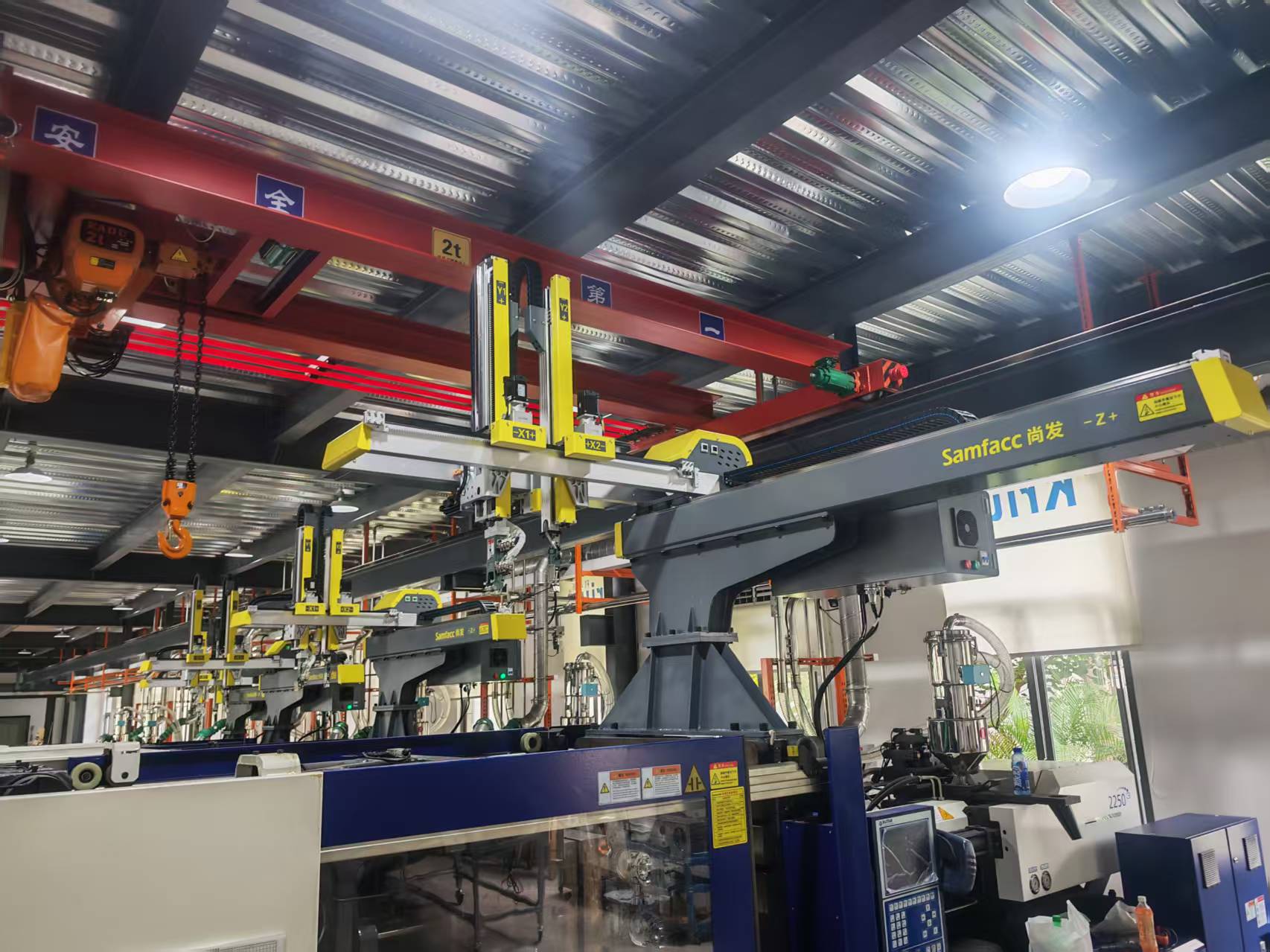
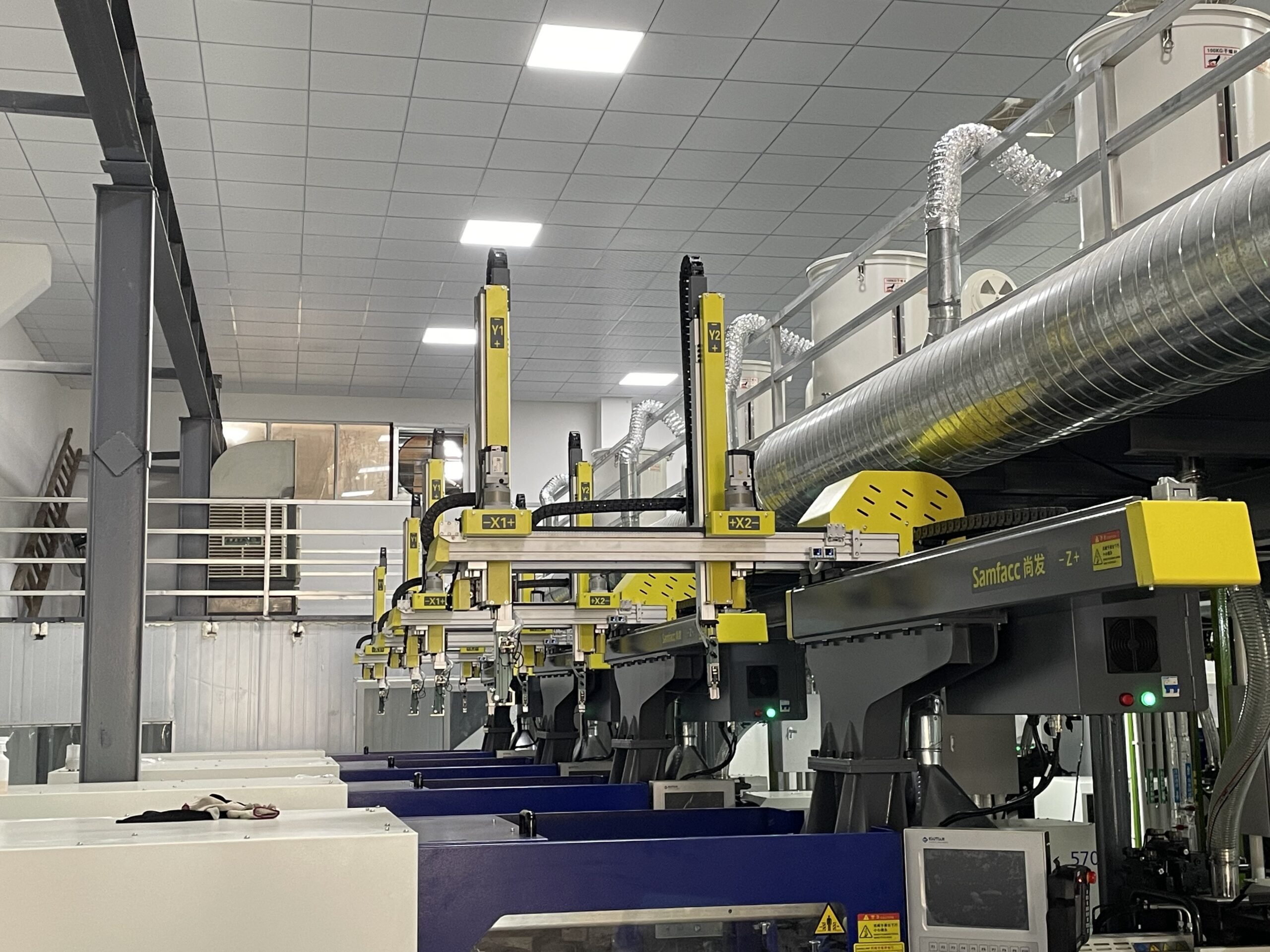
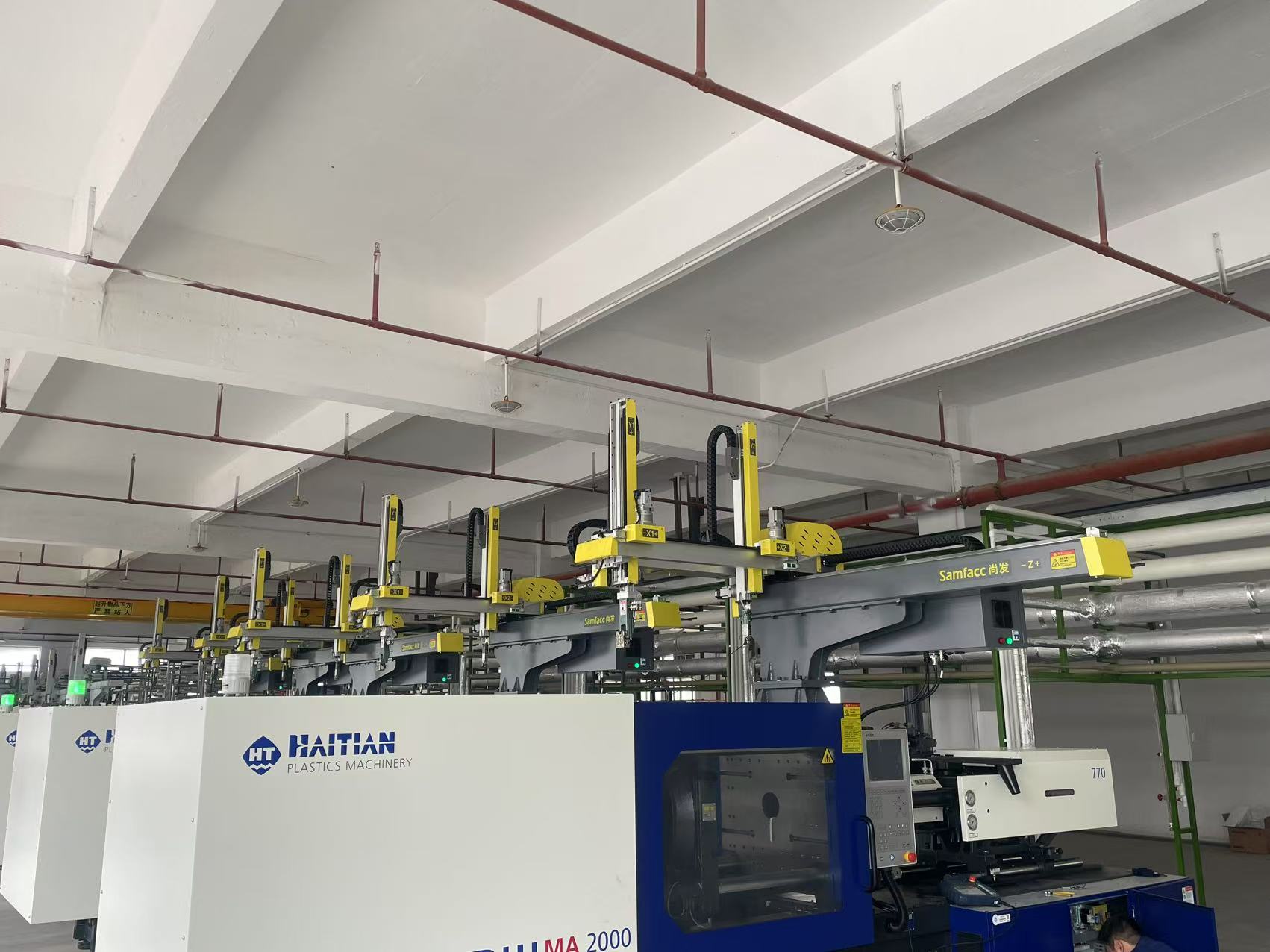
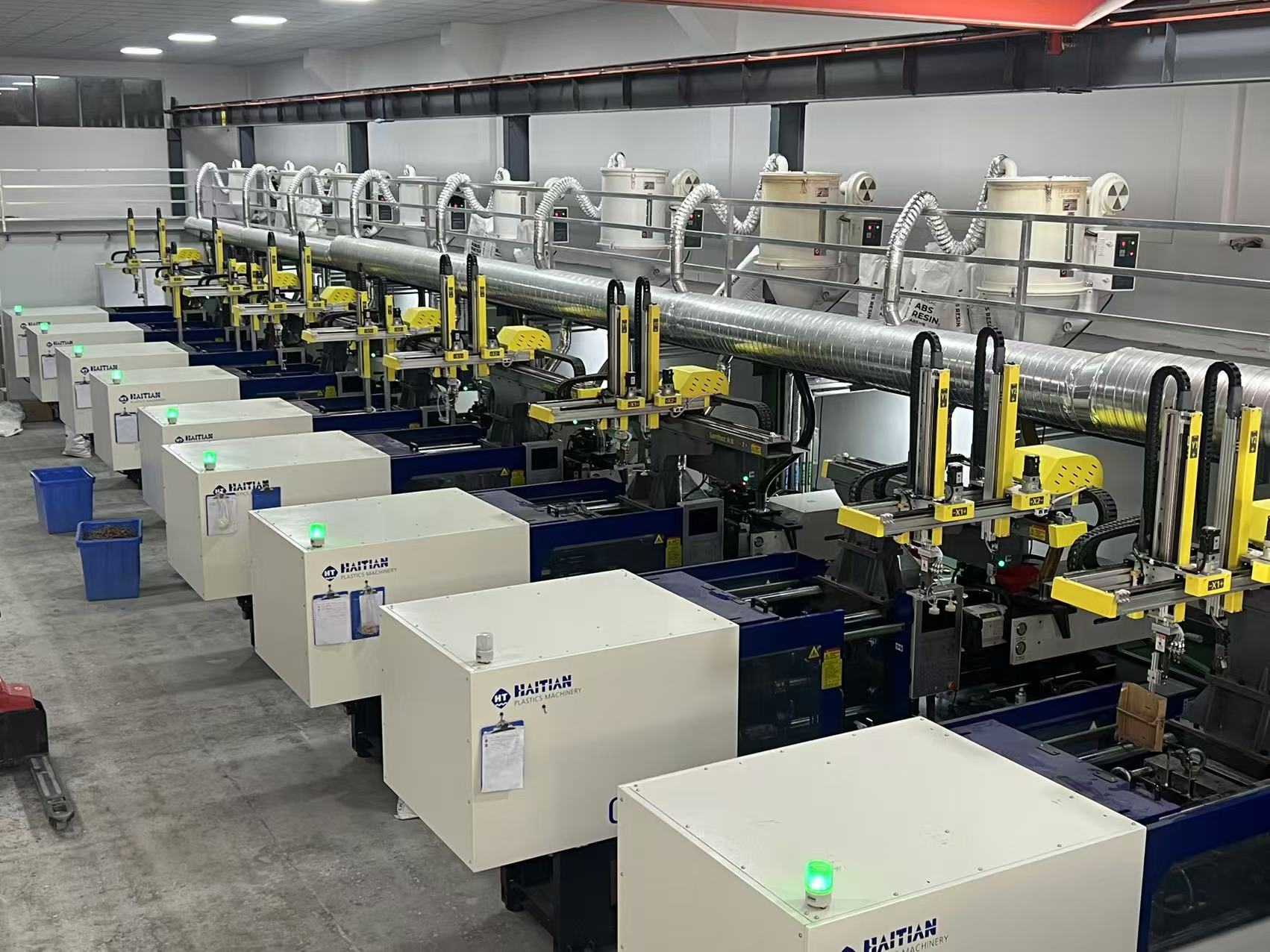
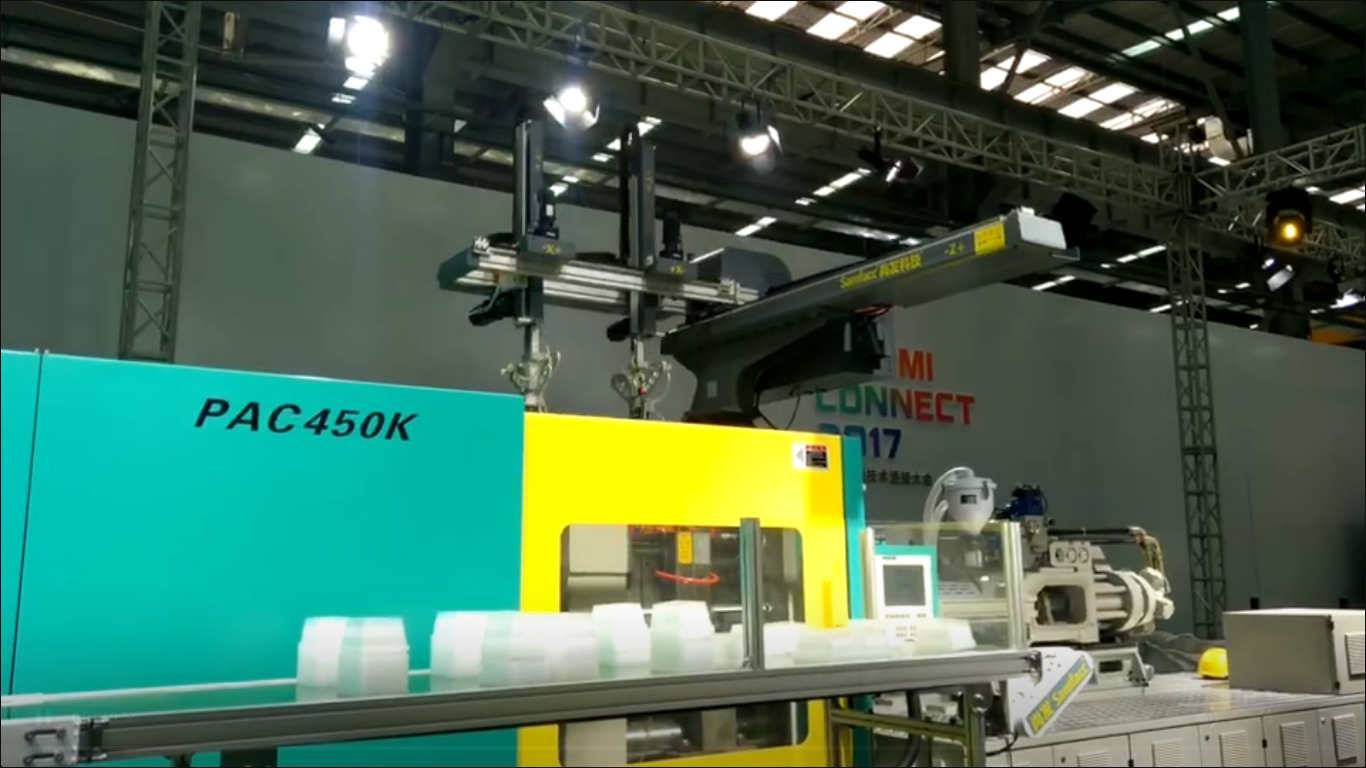
For example, like the Swing Arm SP Series, a pneumatic rotating type robot that can carry out simple fetching of products, save on labor costs, ensure operator safety, and is ideally suited to production lines with limited space. These robotic arms not only increase productivity but also ensure the safety of employees by carrying out risky operation.
3. Automotive Industry
The automotive industry relies heavily on robot human arms for assembling complex parts, welding, and painting. These robotic arms provide:
- Faster production times.
- Consistent quality across vehicles.
- Reduced workplace accidents.
For example, in automotive parts production, the SFK Series can seamlessly manage components from small plastic parts to larger interior pieces, improving workflow and reducing manual labor. Many leading car manufacturers have integrated robot human arms into their factories to maintain competitive production standards.
4. Logistics and Warehousing
With the rapid growth of e-commerce and global supply chains, robot human arms are playing an increasingly important role in logistics and warehousing operations. Robot human arms are capable of automating various processes, including:
- Sorting and packaging goods: Scheduling products in the most optimally appropriate manner for transport and with minimal chances of errors through human handling.
- Product picking and placing: Accurate and rapid picking of products from shelf or container storage, even in very dense warehouse environment.
- Break or fragile product handling: Preventing damage during transportation and ensuring quality control consistency.
This mechanization conserves human labor and increases operational efficiency in hectic warehouses.
5. Research and Space Exploration

Robot human arms are also vital in research laboratories and space missions. They can:
- Handling hazardous chemicals and materials: Robotic arms can deal with poisonous, corrosive, or radioactive chemicals in labs, reducing risks to researchers.
- Making precise experiments: From delicate chemical reactions to complex assembly processes, these arms deliver high accuracy and precision with less room for human error.
- Assisting astronauts in orbit: Outside spacecraft in zero-gravity or extreme environments, robot human arms can execute maintenance, assembly, or inspection tasks, extending reach and capability for human crews.
Their flexibility makes them invaluable in hostile or inaccessible environments for humans.
Conclusion
The robotic human arm is no longer a thing of the future—it is a productive tool in a number of industries, from healthcare, manufacturing, automotive, and logistics to research. Its application will increase more as technology evolves, and its procedures will be made safer, faster, and more efficient.
For businesses and professionals looking to keep pace, understanding the future of robot human arms is key to leveraging automation and innovation. Samfacc offers state-of-the-art robotic solutions to help your business successfully apply these technologies. For more information can get in touch or visit our website.