 English
  Chinese
 IML injection molding has become a cornerstone in modern plastic manufacturing, joining decoration with structure in one process.
Instead of just labeling in the usual way, IML injection molding actually fuses the label into the plastic to enhance durability, reduce waste, and generally simplify production.

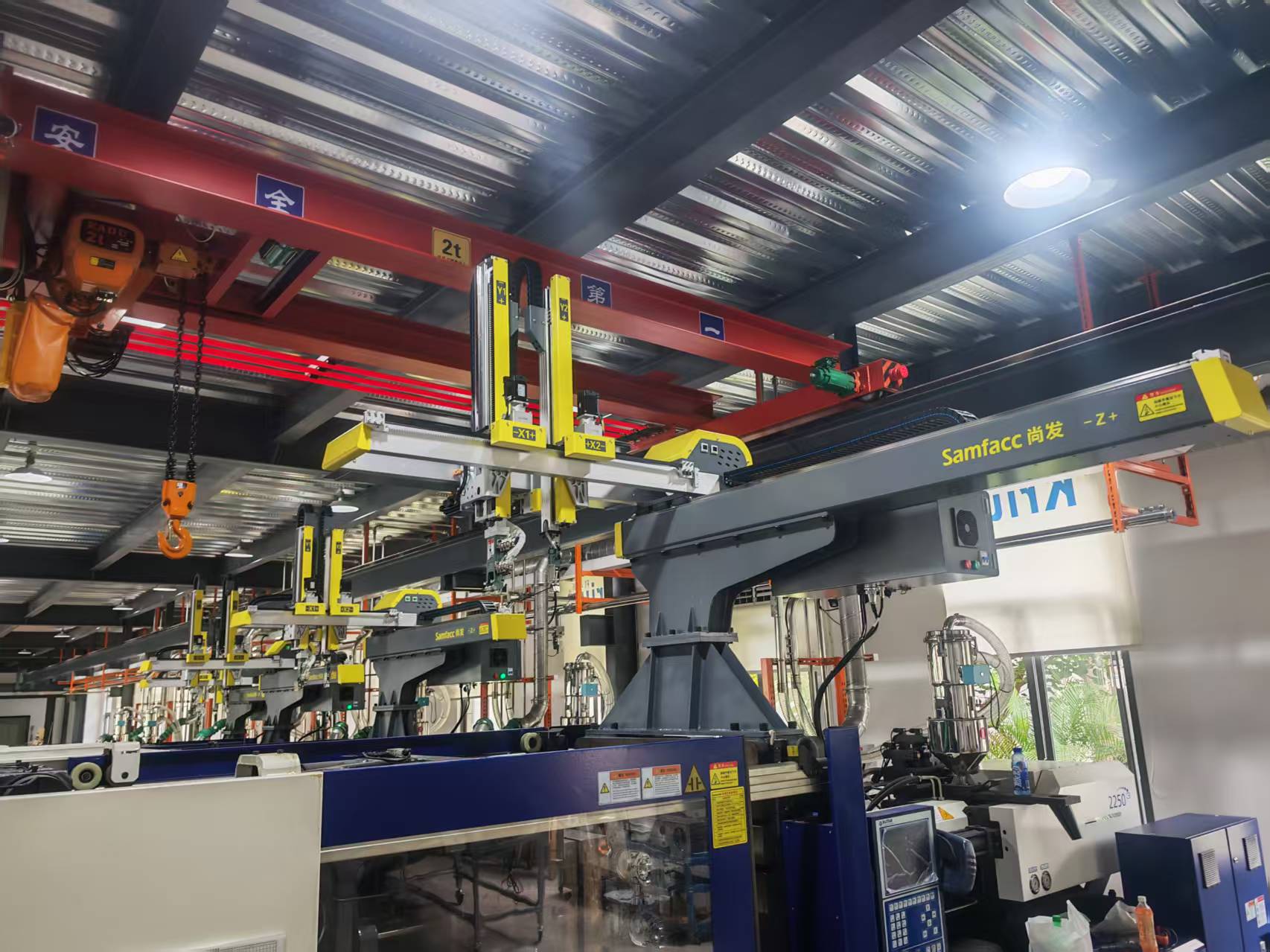
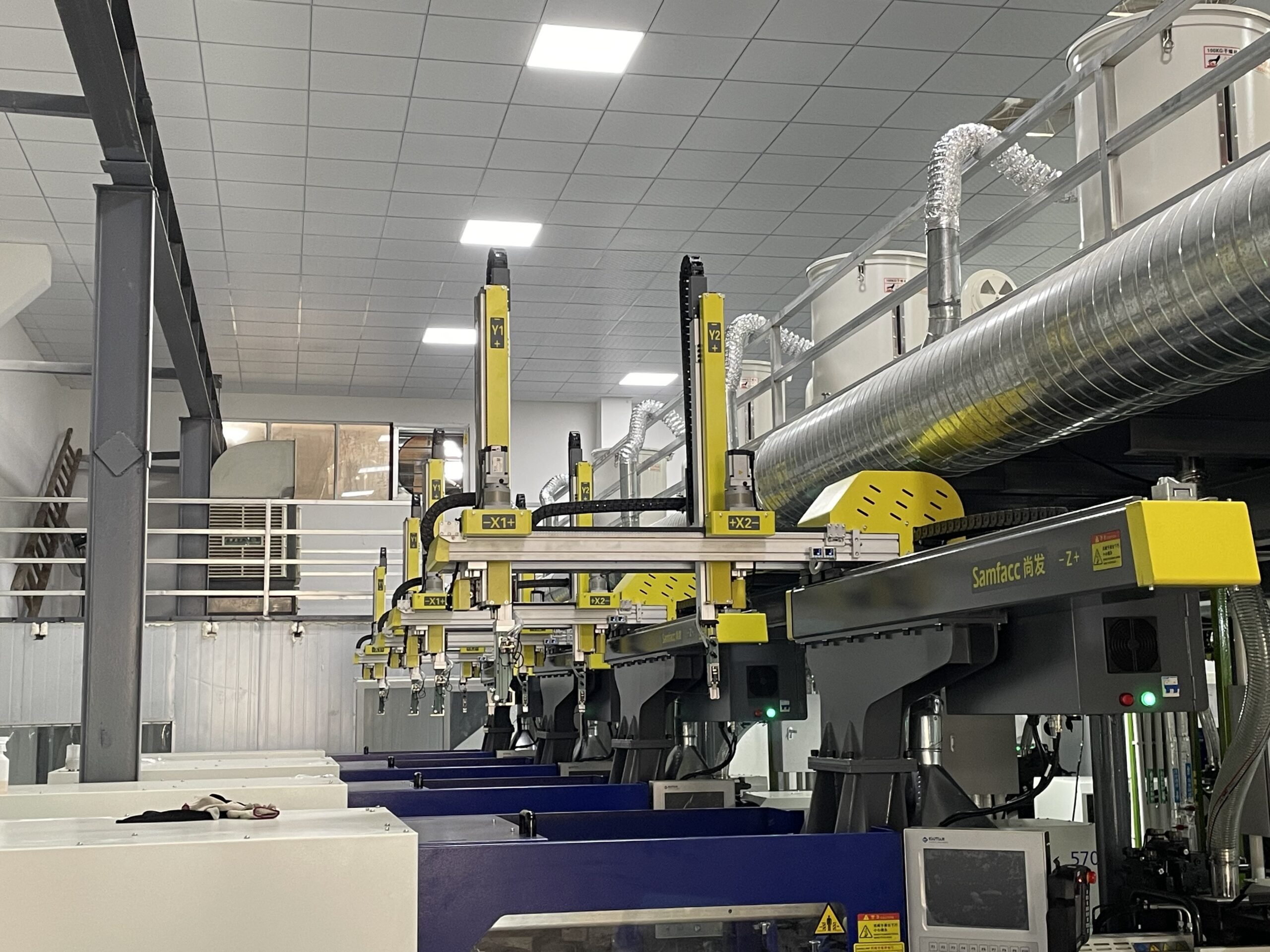
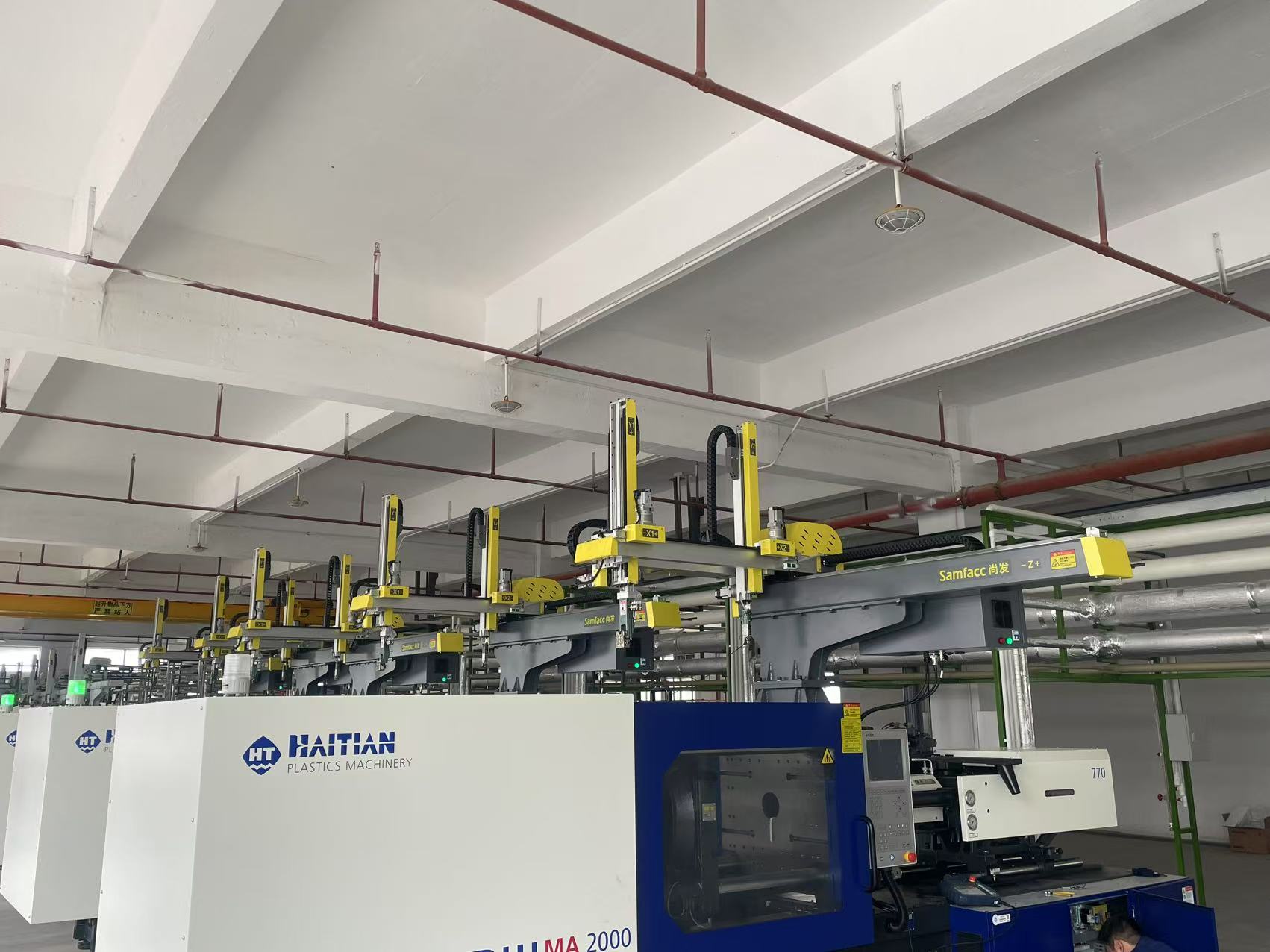
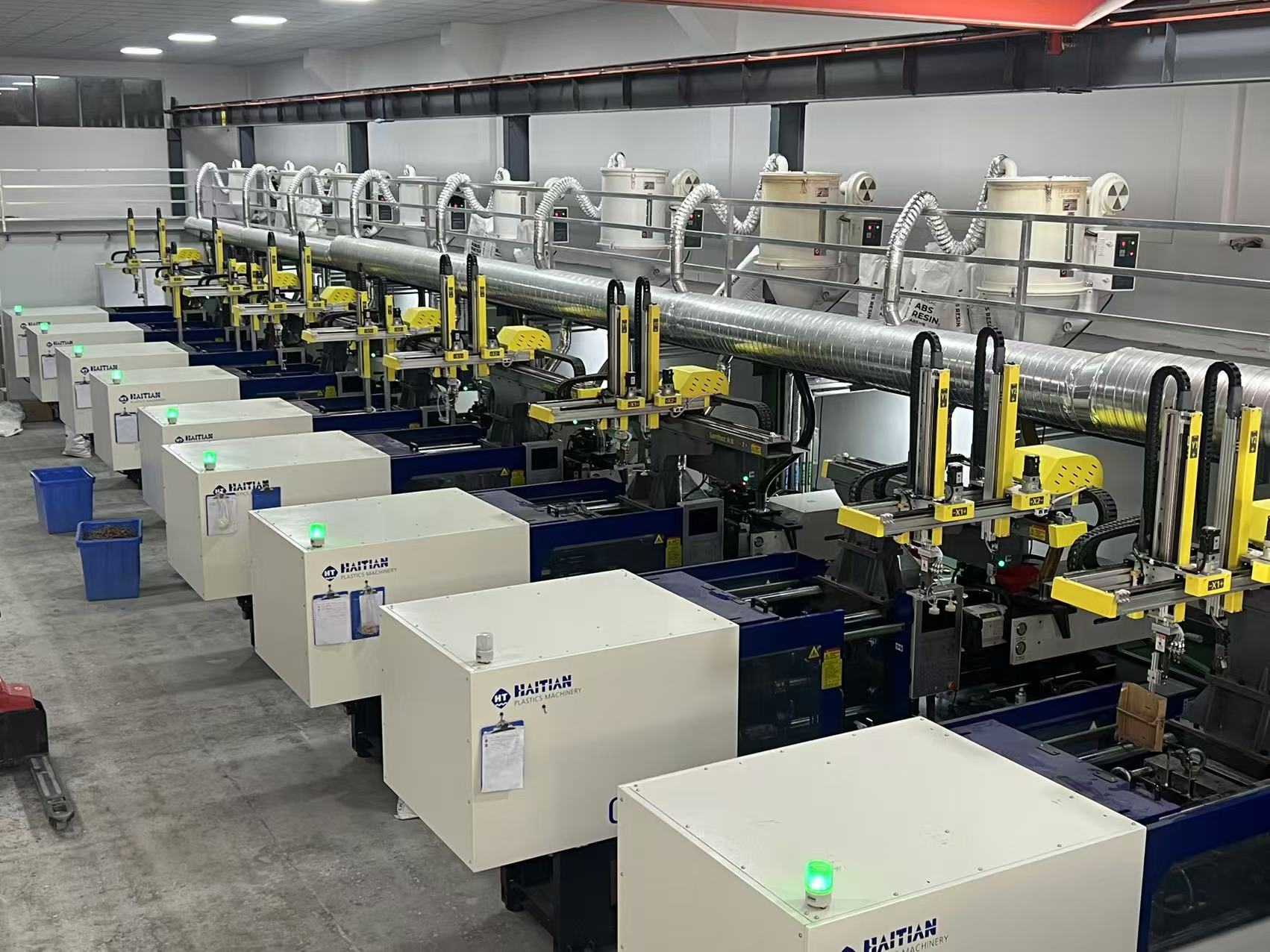
How IML Injection Molding Works with Robotics
First, in the process of IML injection molding, a preprinted film or label is placed inside the mold cavity.
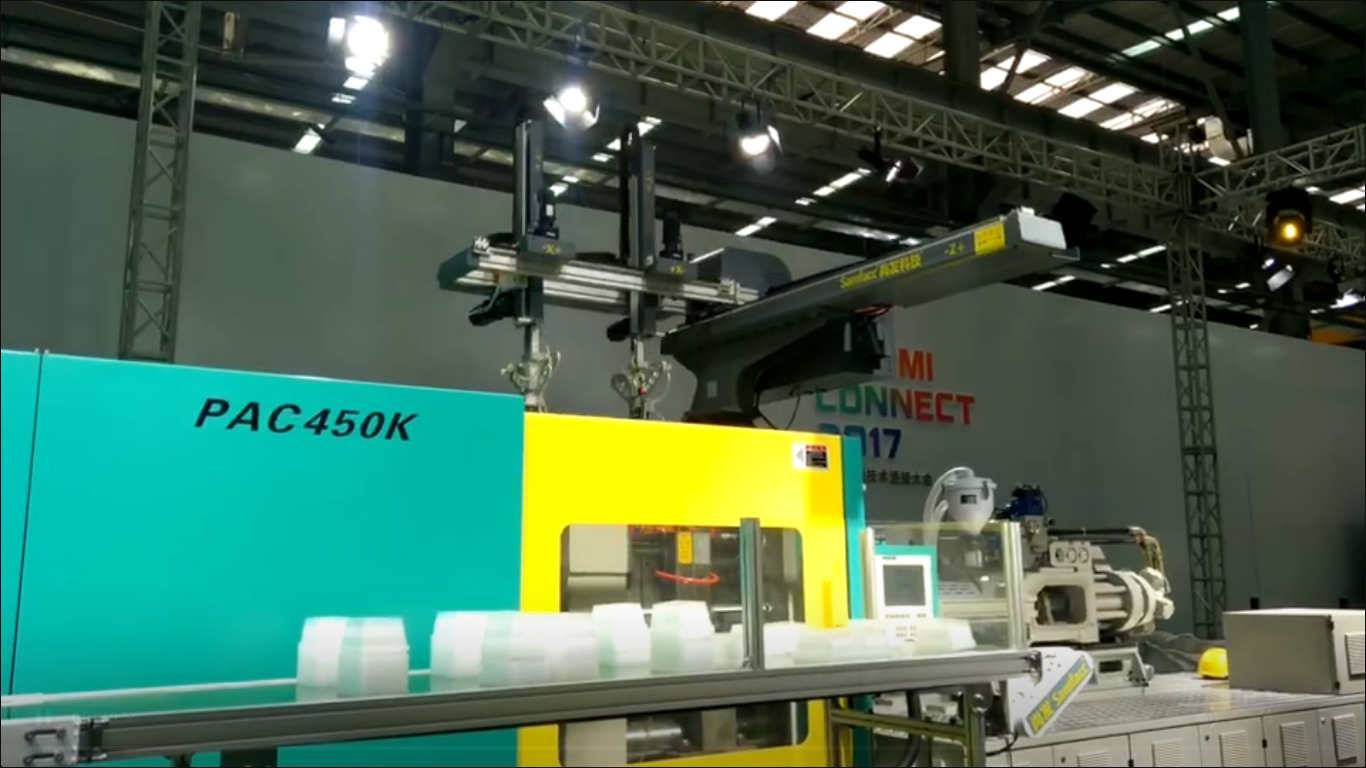
In the robotic-assisted system, the proper placement of a label is achieved by a robot, holding it in place and aligning it with the mold geometry. Then, molten plastic is injected, fusing the label and substrate into one solid and durable component.
Robotics integration contributes to reduced errors and lower cycle time while making it possible to have intricate designs that were hitherto difficult to achieve. The parts could also feature full-wrap graphics, metallic textures, or custom finishes with functional strength and aesthetic appeal.
Industry Applications
Packaging applications for the food and beverage industry, cosmetic jars, and household items are some of the popular applications of IML injection molding by robotic systems. The molded parts resulting from the process feature bright, high-definition graphics that will not chip, fade with moisture, or degrade from heat.
In addition to packaging, other fastest-growing areas of application of IML robot-assisted injection molding include automotive interiors, electronic casings, and durable goods.
- Robot-placed labels are resistant to environmental stressors while communicating brand identity and eliminating or reducing post-mold decoration.
- Robotics ensures consistency in placement and quality-even on high-volume production lines.
Advantages of Robot-assisted IML injection molding
The following are some advantages of using robotics in IML injection molding:
- Precision and consistency ensure that the robot does the right placement of the labels, hence reducing defects while adding to the part quality.
- High efficiency: one-step molding and labeling can fully automate production, save labor, and reduce the production cycle.
- Durability: The embedded labels resist scratches, peeling, and environmental wear.
- Design flexibility: Full-wrap designs, complex textures, and high-definition graphics are available from robots.
- Sustainability: Fused labels and substrates reduce material waste, improving recyclability.
The advantages mentioned make robot-assisted IML injection molding a preferred option for efficiency, aesthetic appearance, and durability by many manufacturers.
Practical Considerations
Successful application of robotic IML injection moulding requires careful planning:
- Material Compatibility: Film or label must bond well with the plastic being injected.Molds should be designed to accommodate labels, positioned properly, and easily ejected without problems.
- Automation: Highly automated lines, for large-scale productions of high-volume, thin-wall containers, and complicated shapes, should have the integration of robots.
- Cycle time: While robotics improves accuracy, the insertion of labels does extend cycle times somewhat.
- Design complexity: Labels that call for deep draws or steep curves necessitate special robotic programming.
Whether robotic IML injection molding is the right solution depends on production volume, part geometry, and design requirements.
Industry Trends
- Eco-friendly: Recyclable labels and films reduce environmental impact.
- Smart Labeling: Further traceability capabilities might be enabled by the integration of QR code, NFC, or RFID within the parts themselves.
- Cross-Industry Adoption: Robotic IML finds its adoption in automotive, electronics, and industrial components that need durability and branding.
These emerging trends show the rise in importance of robotics in IML injection molding regarding quality and high-volume production.
Why Choose SAMFACC?
With SAMFACC, one is assured of reliable equipment and expertise coupled with maximum output.
Top Entry IML is a product from SAMFACC specializing in IML injection molding. It boasts multiple international certifications, including ISO9001 and CE, ensuring high quality. With 100 mold memory settings and 18 standard programs, it offers high speed, stability, and long service life.
Its fastest cycle time can meet product labeling needs within 5 seconds, such as for food container lids and other flat labels, while the fastest paper pick-up and labeling time is only 1 second.
SMAFACC’s products in this category minimize waste and optimize energy consumption, thereby improving sustainability.
Conclusion
State-of-the-art robotic solutions by leading IML robot manufacturers ensure faster, more reliable, and even more sustainable production. Robot-assisted IML injection molding is but one of the smart choices available to manufacturers seeking practical and high-performance solutions for the future.
Please log onto the SAMFACC website and behold your favorite products.