 English
  Chinese
 Automation has become a practical part of modern manufacturing, especially where the same handling task must be repeated hundreds or thousands of times. A Three Axis Robot Arm is commonly used for picking, transferring, positioning, and removing parts from production equipment. Its X, Y, and Z movements provide a straightforward way to control the position of a workpiece without relying on a complicated multi-joint structure. In injection molding, where every second of the production cycle matters, the robot’s movement speed, repeatability, and compatibility with the molding machine can directly affect production performance. Understanding how these systems are built and where they work best makes equipment selection much easier.
1. What Is a Three Axis Robot Arm?
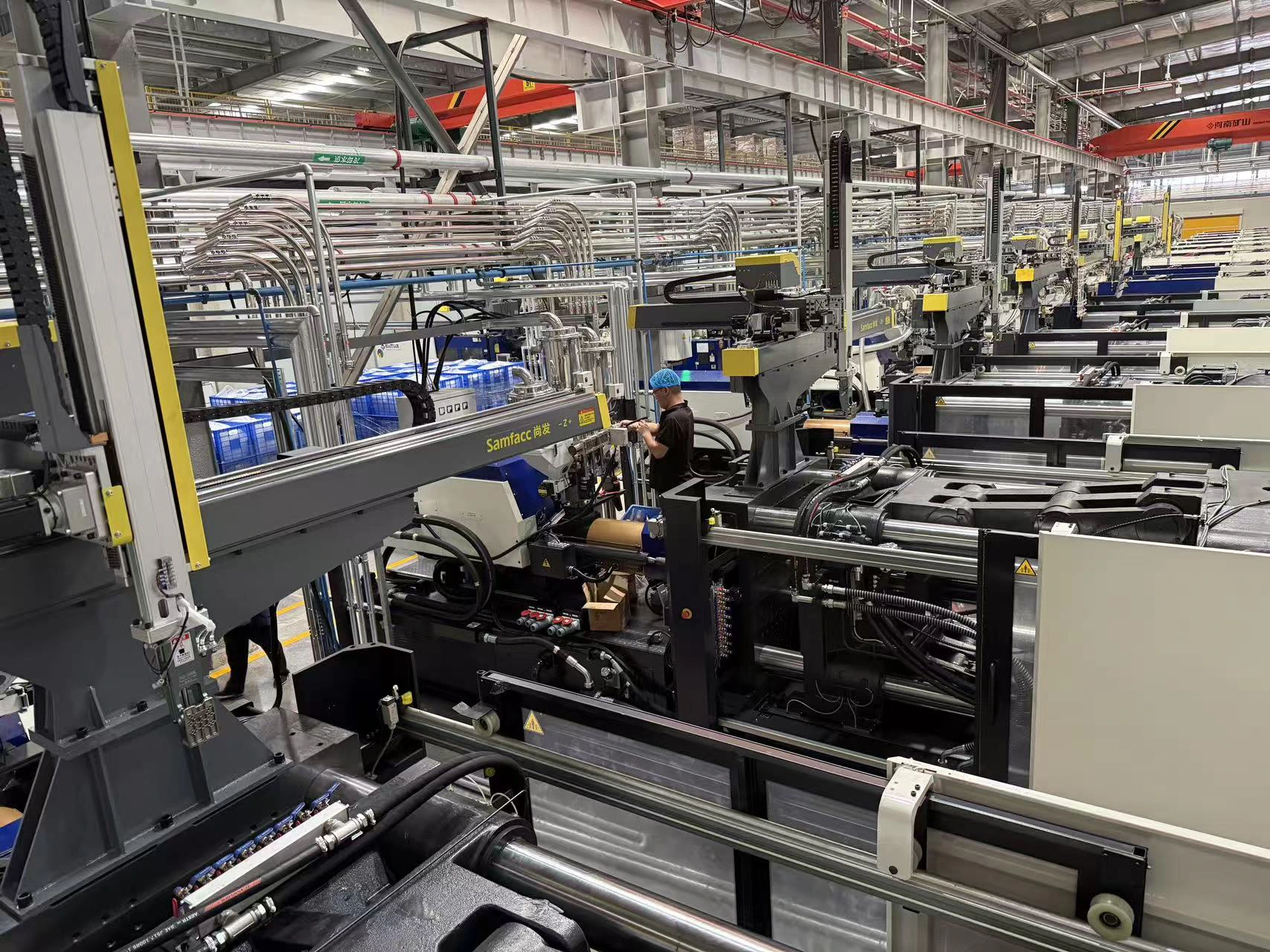
The Three Axis Robot Arm is a mechanical handling system designed with three main linear axes that allow the motion of an end effector within a specified work area. Normally, the X axis is responsible for the horizontal motion of the robot arm, while the Y axis is in charge of the vertical motion. The Z axis is responsible for the movement of the robot arm backwards and forwards.
This makes the movements of the robot very easy to predict. For operations involving removal of the molded parts, transfer of the parts, and the placement of the products onto the conveyor line, it is not necessary to include any complex rotational joints. Therefore, a three-axis configuration will serve well here.
2. What Are the Main Components of a Three-Axis Robot Arm?
A three-axis robot arm is made up of several systems that work together. The performance of the complete unit depends on how well these components are matched.
Linear Motion System
The X, Y, and Z axes form the basic movement structure. Linear guides, transmission components, and drive mechanisms determine how far and how smoothly the arm can travel. The required stroke should be considered according to the machine layout and the distance between the pickup and placement points.
Servo Drive System
Servo motors provide controlled movement along the different axes. They allow the controller to adjust speed, position, and acceleration according to the programmed sequence. For repetitive production, stable servo control helps maintain consistent movement from one cycle to the next.
End-of-Arm Tooling
The end effector is the part that directly handles the workpiece. Depending on the product, it may use mechanical grippers, vacuum cups, or customized tooling. For thin-wall plastic parts, for example, the tooling must provide enough grip without applying excessive force that could deform the product.
Control System
The controller coordinates the movement of each axis and stores operating programs. A well-designed control system can make it easier to adjust positions, speeds, and sequences when switching between different molds or products.
3. What Are the Advantages of a Three-Axis Robot Arm?
The main value of a three-axis robot arm is not simply replacing manual labor. It is the ability to repeat the same movement with a controlled and predictable rhythm.
- Consistent handling: The robot follows a programmed path instead of relying on operator timing.
- Short handling cycles: Properly configured movement can reduce unnecessary waiting during production.
- Lower labor requirements: Repetitive part removal and transfer can be automated.
- Straightforward integration: The robot can work with injection molding machines, conveyors, and downstream equipment.
- Simple motion logic: Linear movement makes programming and operation relatively easy to understand.
Consider a molding machine running a five-second cycle. Even a small delay during part removal, repeated throughout a full production shift, can reduce the number of parts produced. For this reason, robot take-out time should be evaluated together with the complete machine cycle rather than considered as an isolated specification.
4. Where Are Three Axis Robot Arms Used?
A three-axis robot arm can be applied to many industrial tasks where movement mainly follows defined linear paths.
Injection Molding
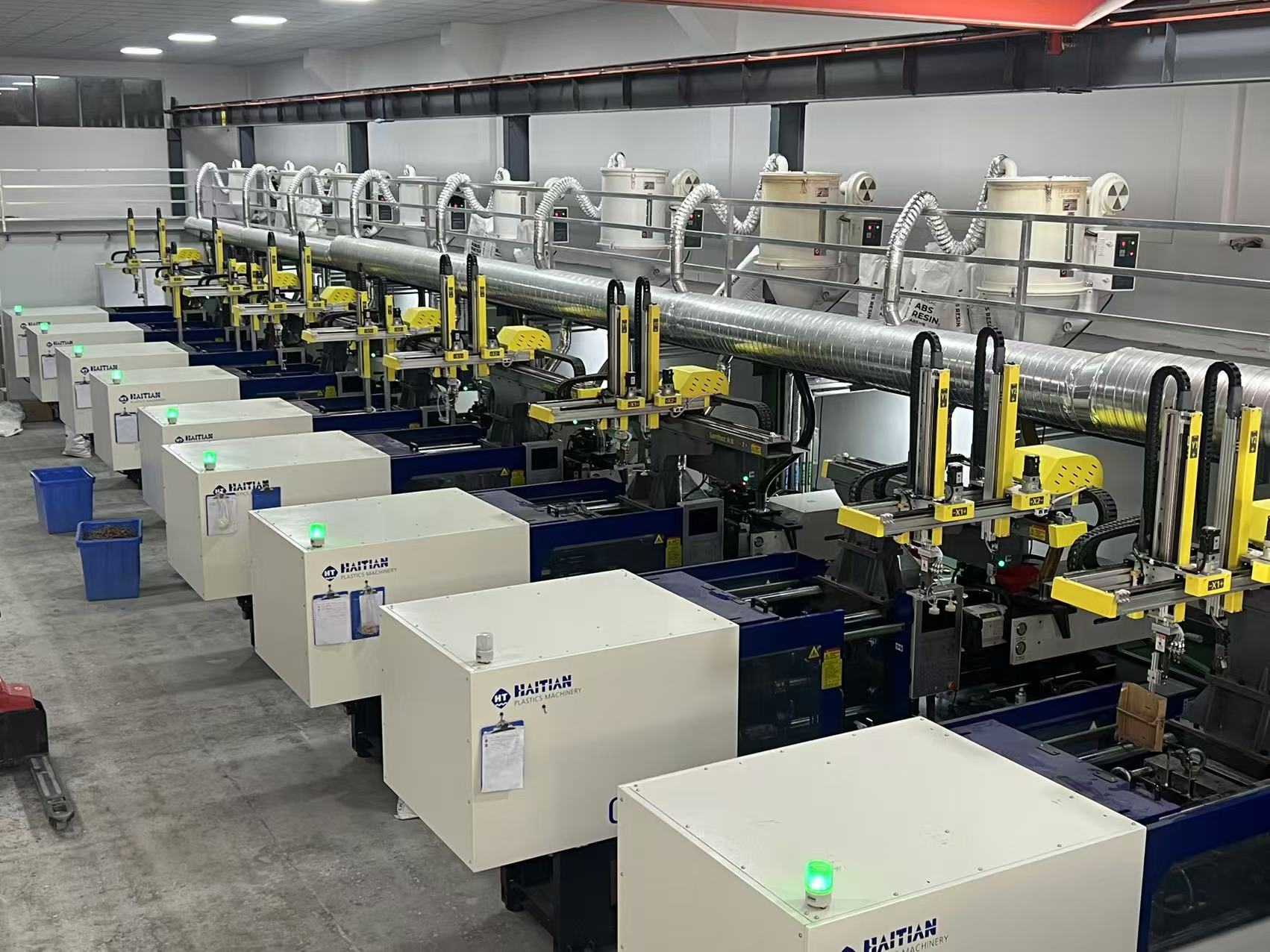
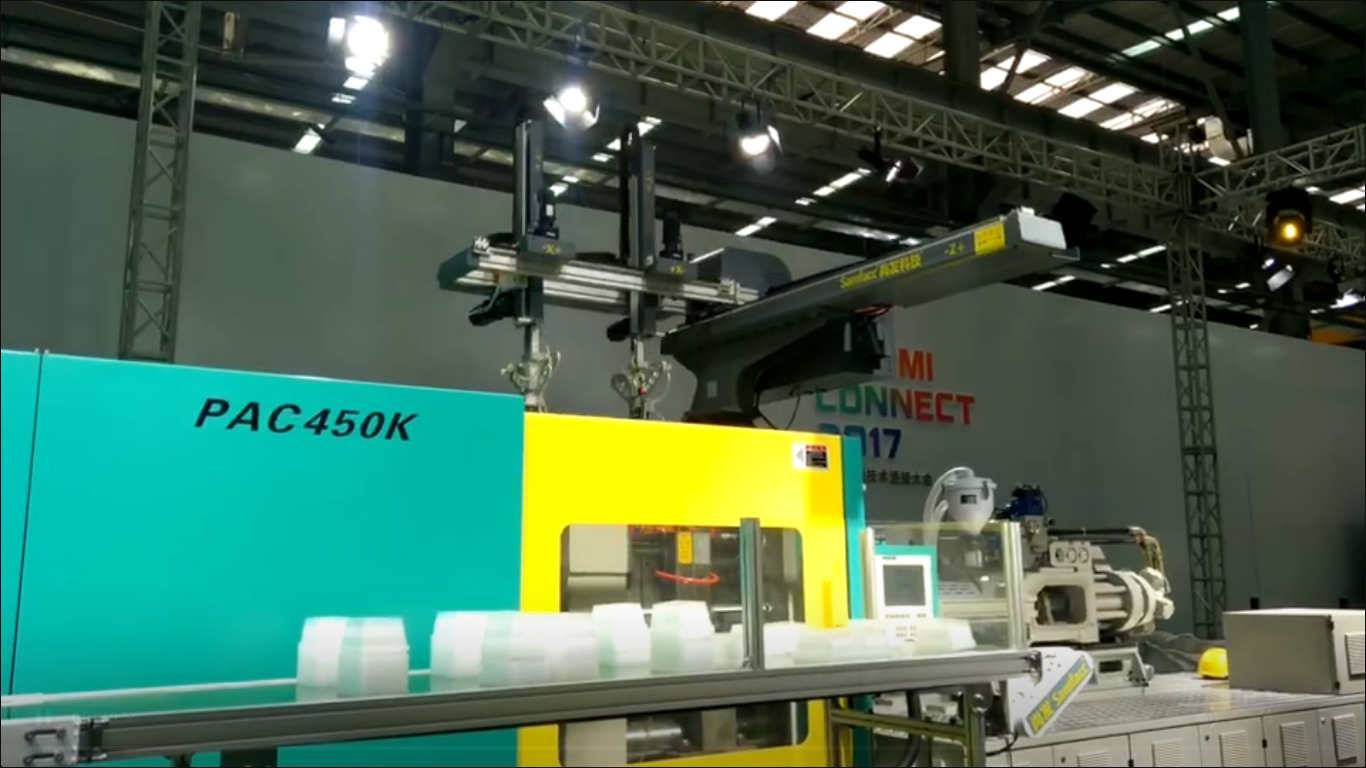
Injection molding is one of the most common applications. After the mold opens, the robot can enter the mold area, remove the finished part or runner, and place it on a conveyor, in a collection bin, or at another workstation.
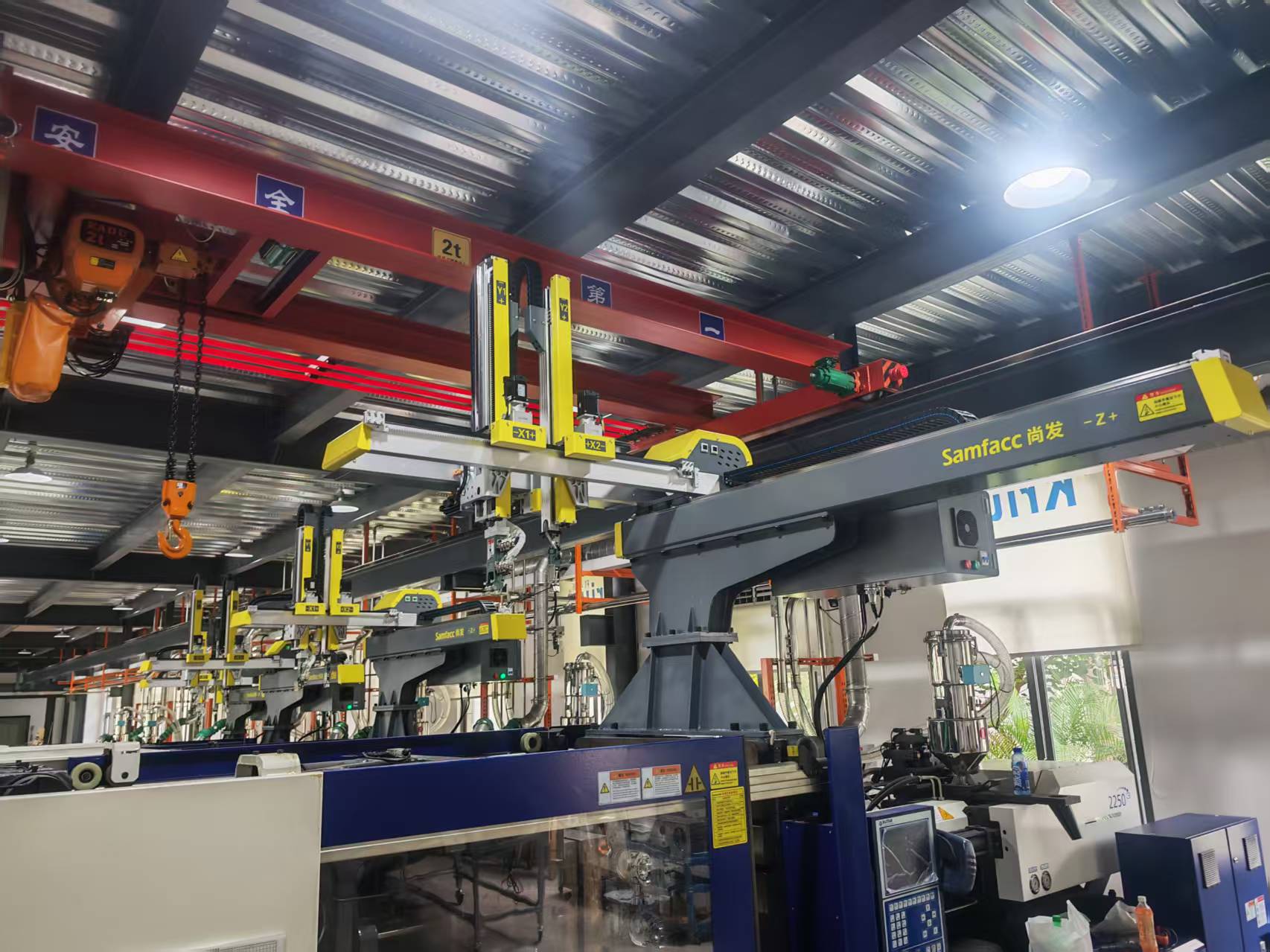
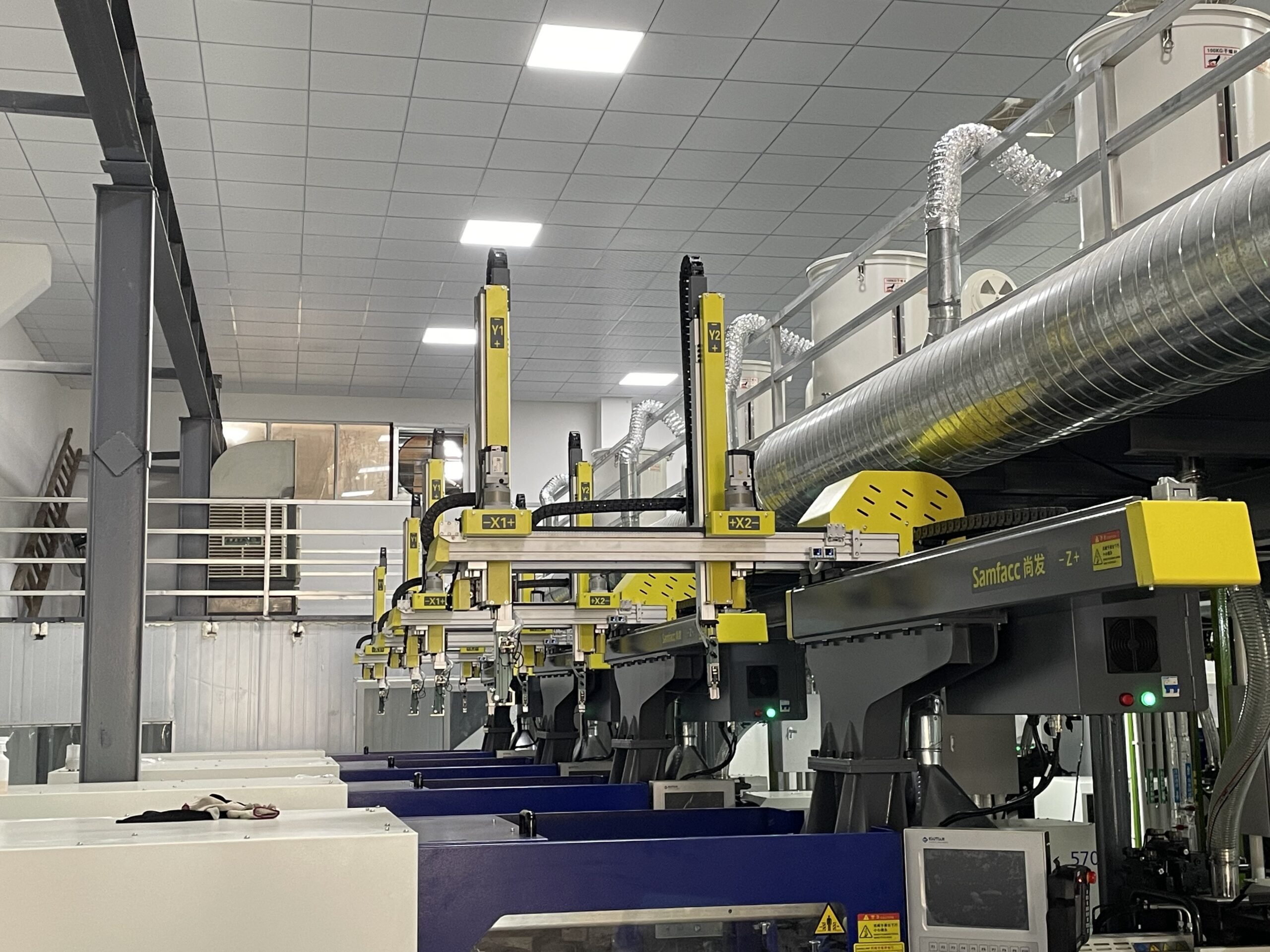
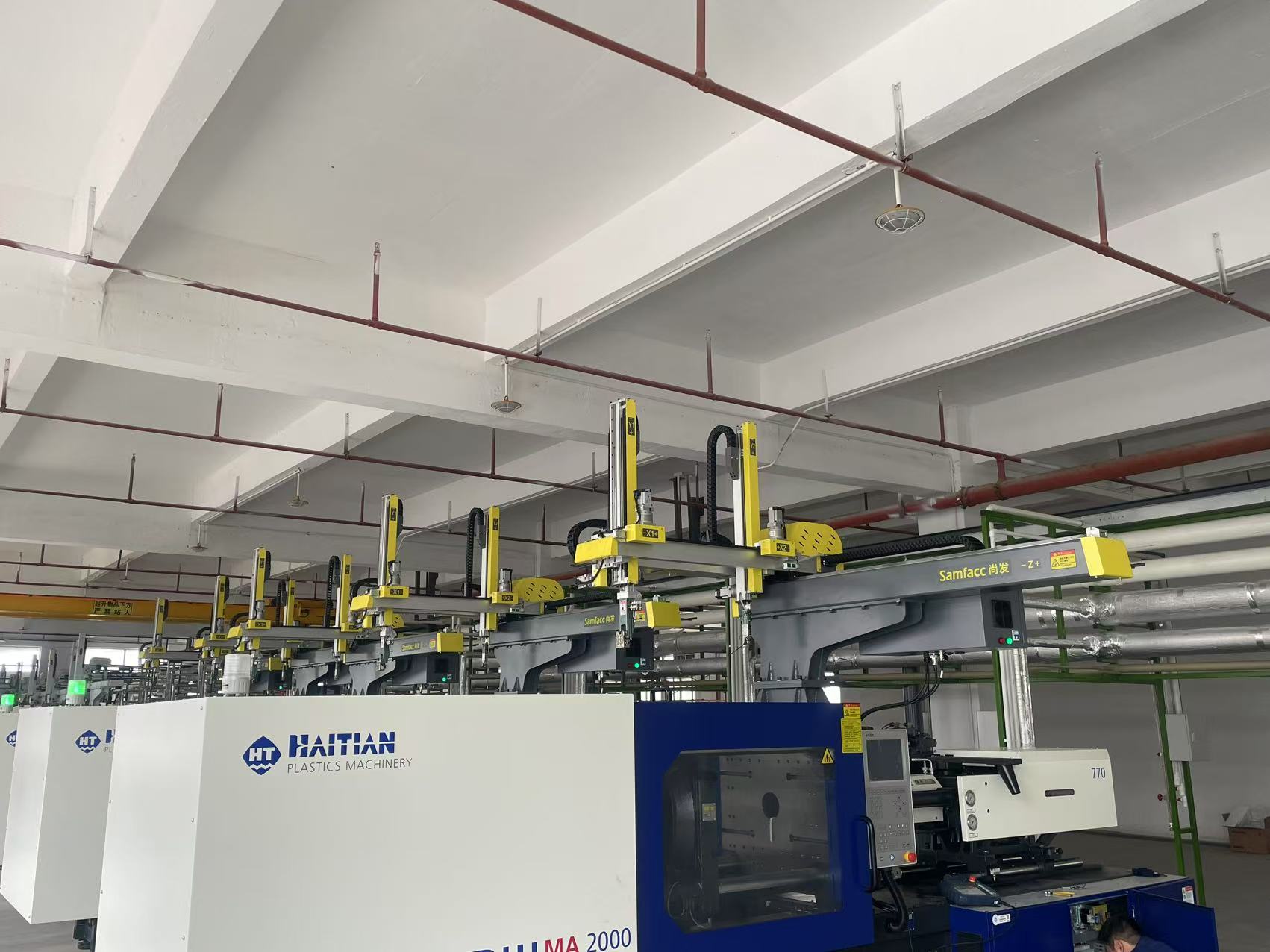
SAMFACC’s High Speed Robot SFK-WD Series is designed for injection molding machines from 90T to 400T. Its stated production cycle is 3–10 seconds, with a fastest cycle time of 2.8 seconds and a take-out time of up to 0.6 seconds. The series uses servo-driven movement and a dual-arm design, making it suitable for applications involving electronics, household appliances, medical products, and stacked molds.
Pick-and-Place and Material Handling
Outside molding applications, a three-axis robot arm can transfer parts between workstations, arrange components, or perform simple stacking operations. This is useful when operators would otherwise spend much of their working time repeating the same movement.
In-Mold Labeling
Some three-axis systems are also adapted for in-mold labeling, where labels must be positioned accurately before or during the molding process. SAMFACC’s Top Entry IML uses a 3–5-axis servo robot and is designed for injection molding machines from 90T to 800T. Its production cycle can reach approximately 4–6 seconds, depending on the application and configuration.
5. What Should You Consider When Choosing a Three Axis Robot Arm?
Choosing a Three Axis Robot Arm requires more than comparing maximum speed. The robot needs to match the machine, mold, product, and production target.
| Selection Factor | What to Check |
| Payload | Product, tooling, and total handling weight |
| Stroke | Required X, Y, and Z travel distance |
| Cycle Time | Whether robot movement matches machine output |
| Repeatability | Position consistency during repeated cycles |
| Machine Compatibility | Injection machine and mold requirements |
| Tooling | Gripper or vacuum system suitability |
| Control System | Programming and operation convenience |
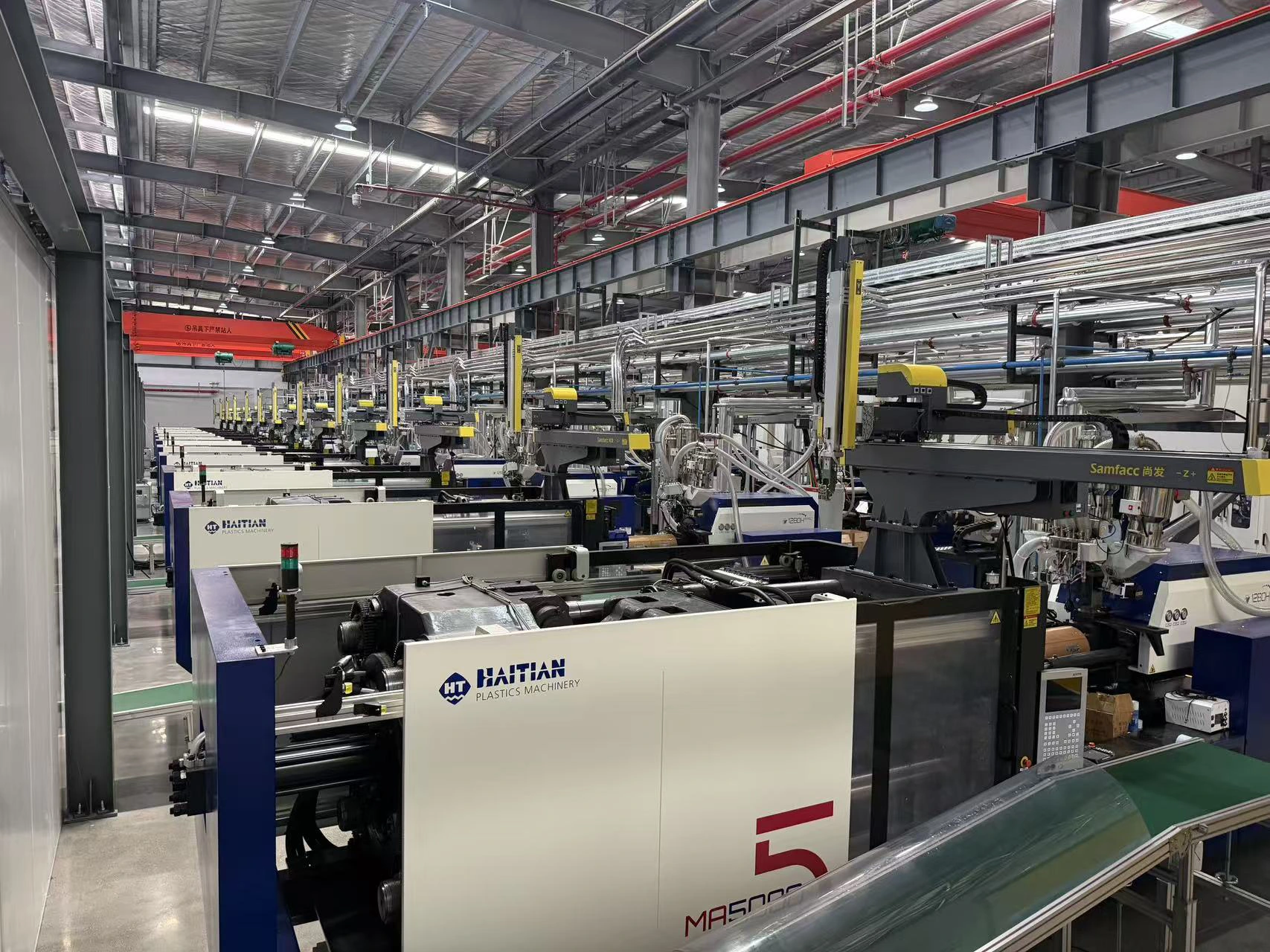
Factory space should also be considered. If ceiling height or machine placement is limited, the robot’s overall structure and arm configuration can affect installation. For high-volume production, take-out time, acceleration, repeatability, and long-term operating stability may be more useful indicators than maximum speed alone.
6. Conclusion
The Three Axis Robot Arm is a reliable solution for the automation of part removal, material handling, product handling, and many other processes that require repetitive actions. The X, Y, and Z motions make it very accurate in positioning, and using the correct servo drives and end-of-arm tools enables customization of the robot to fit specific production needs.
If you are considering a three-axis robot arm or want to upgrade your injection molding automation process, do not hesitate to get in touch with SAMFACC regarding your application.