 English
  Chinese
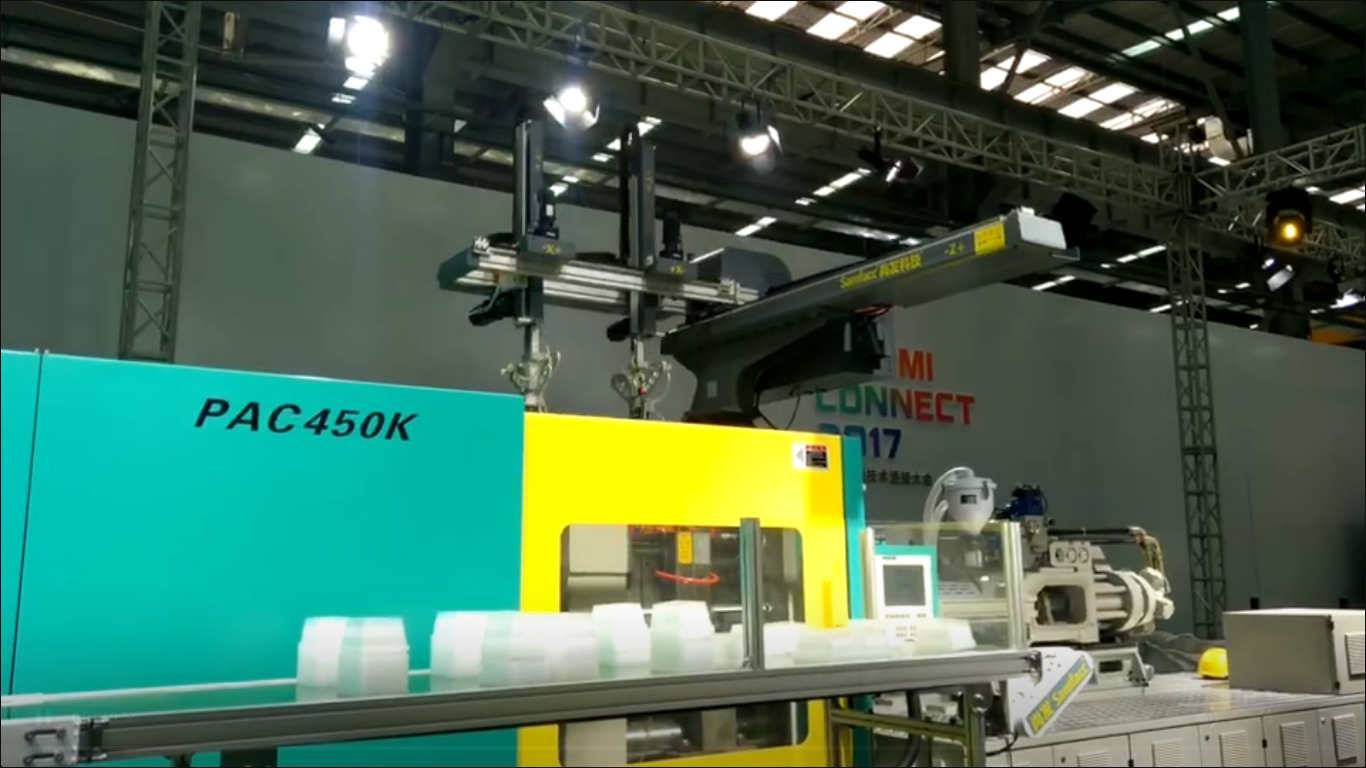
 In today’s manufacturing industry, improving efficiency and maintaining consistent production quality are top priorities. As companies seek ways to optimize operations, automated industrial robots have become an essential part of modern production systems. From material handling and product removal to assembly and inspection, industrial automation robots help manufacturers increase output, reduce manual labor, and improve workflow efficiency. By replacing tedious and repetitive labor with automation, companies can ensure efficient and reliable production while significantly increasing capacity.
Why Automated Industrial Robots Are Essential for Productivity
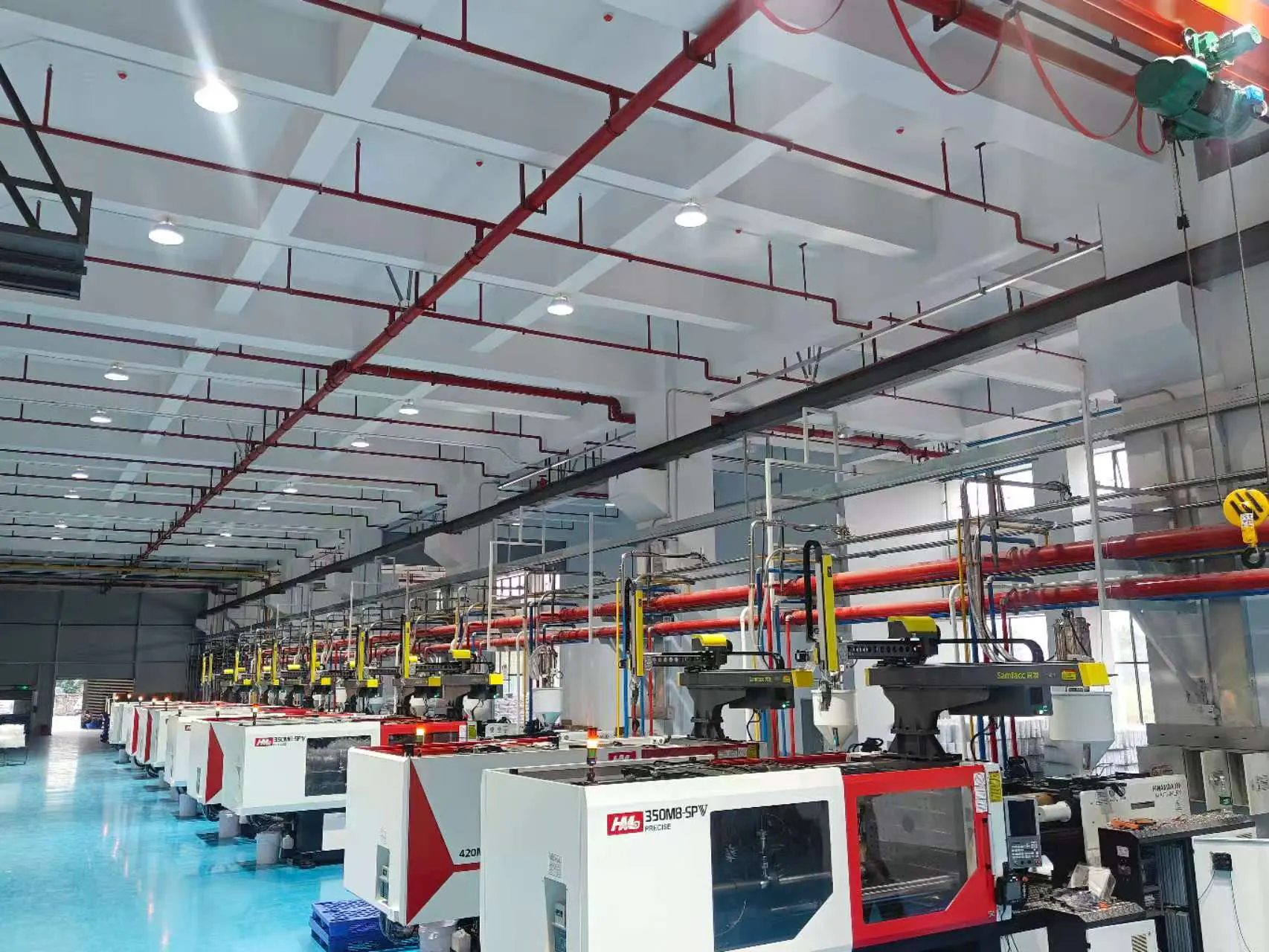
Productivity depends on how effectively resources are used throughout the manufacturing process. Automated industrial robots help manufacturers optimize operations by improving efficiency, consistency, and production output.
Key productivity benefits include:
- Reduced cycle time through faster and more precise task execution.
- Fewer production errors caused by manual handling and repetitive operations.
- Consistent performance across every production cycle.
- Improved workflow efficiency through seamless integration with automated production lines.
- Lower operational bottlenecks by automating repetitive and time-consuming tasks.
Unlike manual processes, automated industrial robots operate with consistent speed and accuracy. They help manufacturers maintain stable production schedules and improve overall workflow efficiency.
How Industrial Automation Robots Increase Production Speed
Faster production is one of the primary benefits of automated industrial robots. By reducing manual handling and automating repetitive processes, these systems help manufacturers improve throughput and maintain efficient production workflows.
Faster Cycle Times:
Automated robotic systems can complete repetitive operations much faster than manual labor. Tasks such as part extraction, material transfer, and product sorting can be performed continuously, helping manufacturers increase overall output.
Continuous Operation:
Automated industrial robots can operate for extended periods with minimal interruptions. With this technology, factories can keep their machines running at full capacity without idleness, thereby greatly improving production efficiency.
Reduced Workflow Delays:
By automating material movement and repetitive handling processes, automated industrial robots help eliminate delays that often occur in manual production environments.
Industrial Robots Improve Product Quality
Maintaining consistent product quality is essential for efficient manufacturing. Automated industrial robots help reduce defects and improve process accuracy through precise, repeatable operations. This contributes to higher product consistency and lower quality-related costs.
- Consistent Manufacturing Performance: Industrial automation robots follow programmed instructions with high precision, helping maintain consistent production standards across every batch.
- Accurate Positioning and Handling: Many manufacturing processes require precise positioning and repeatability. Robotic systems reduce variability and improve accuracy during production operations.
- Automated Inspection Support: Robots equipped with sensors and vision systems can assist with inspection tasks, helping manufacturers identify defects earlier in the production process and reduce quality-related losses.
Automated Industrial Robots Reduce Labor Demands
Labor shortages coupled with rising costs have brought ongoing and severe challenges to manufacturers worldwide. Industrial automation robots help address these issues by automating repetitive and physically demanding tasks.
1. Reduced Manual Handling
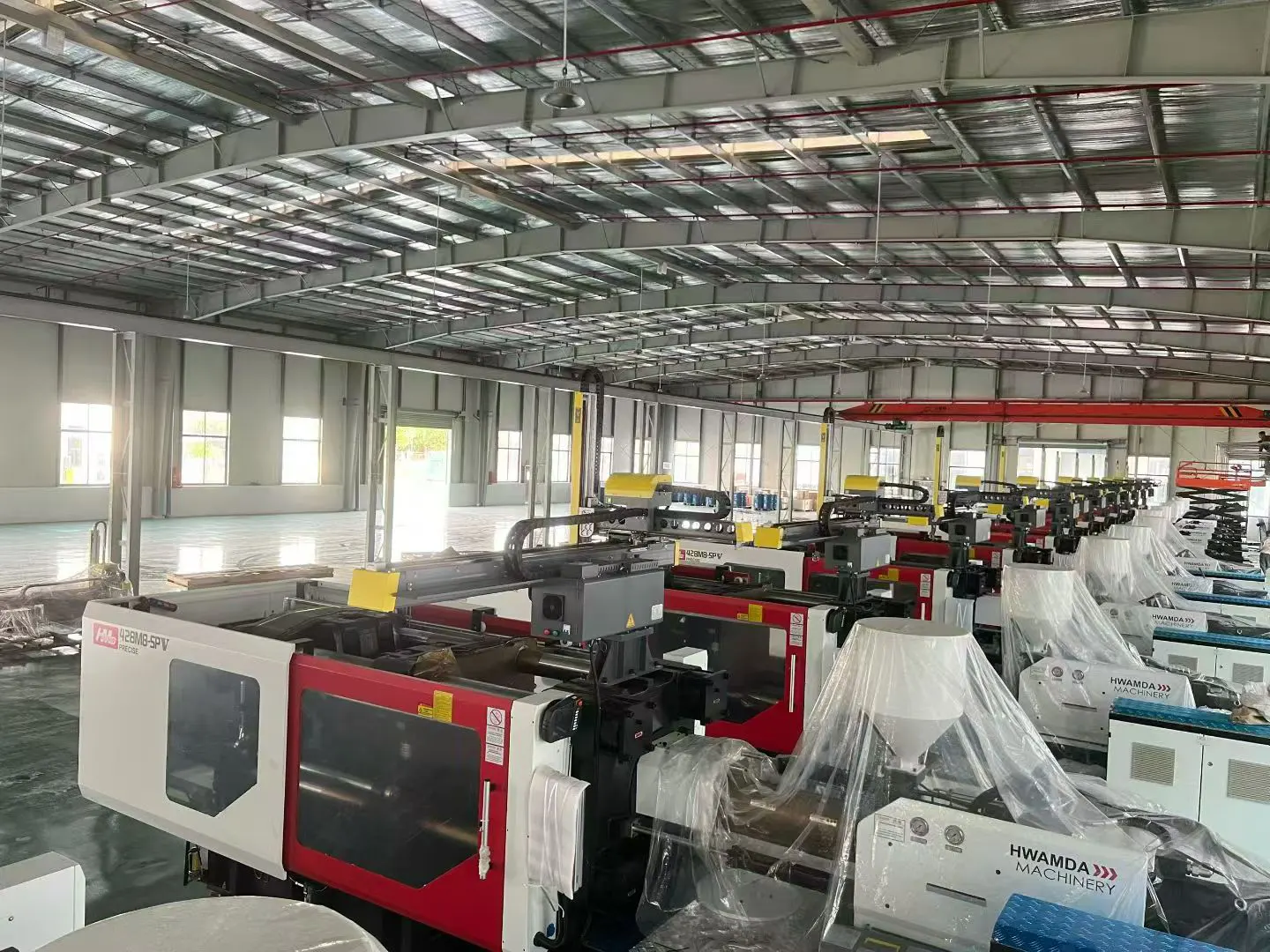
Material loading, unloading, and product transfer often require significant labor resources. Automated robotic systems can perform these tasks efficiently while reducing worker fatigue.
2. Better Workforce Utilization
When repetitive operations are automated, employees can focus on higher-value responsibilities such as equipment monitoring, quality management, and process optimization.
3. Improved Workplace Safety
Automated industrial robots can handle tasks in environments that involve heavy loads, repetitive motion, or potentially hazardous conditions, helping create safer workplaces.
Common Industrial Automation Robots Used in Manufacturing
Different types of automated industrial robots are designed to improve productivity in specific manufacturing applications.
Standard Robots for Automated Production
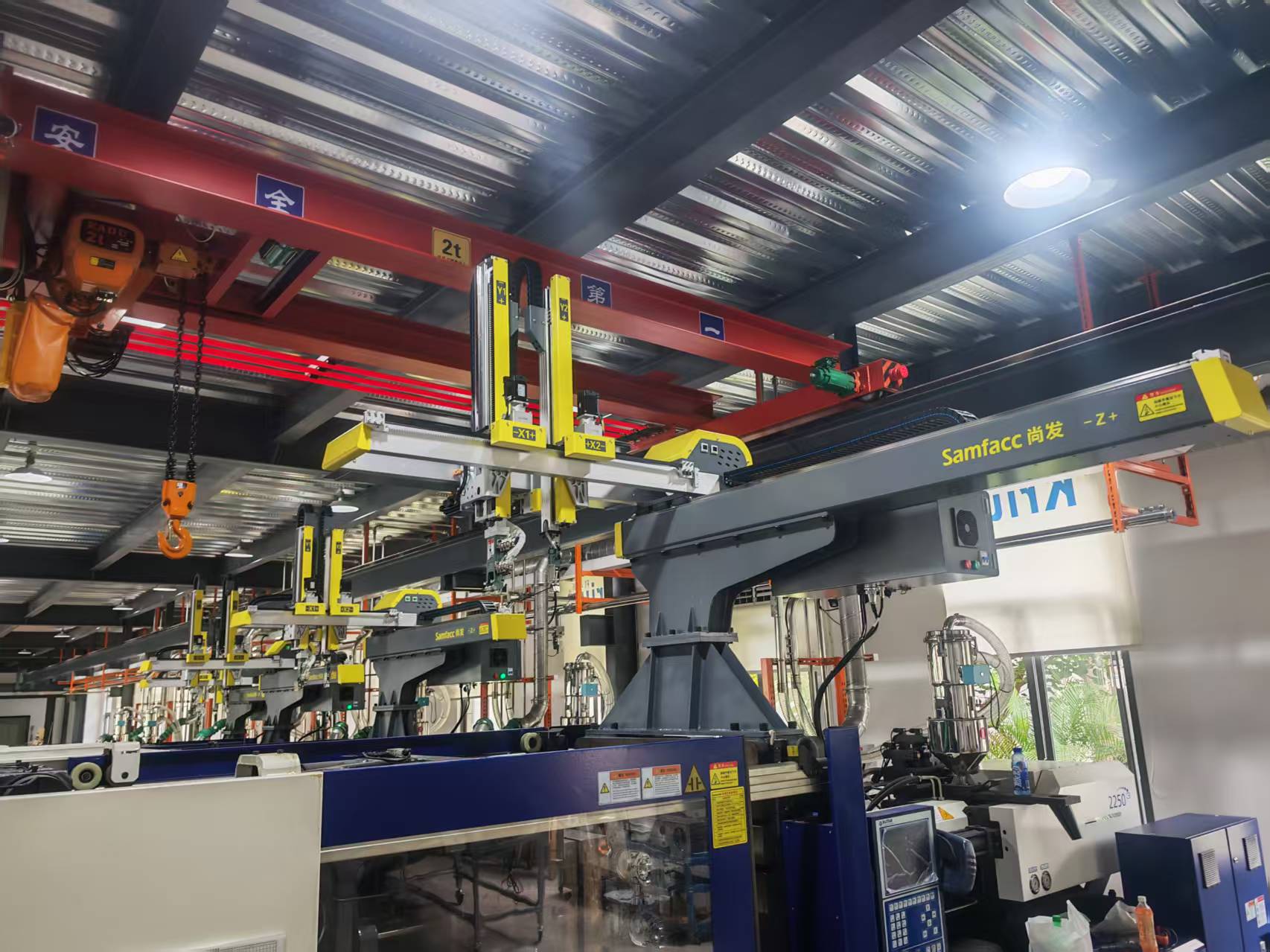
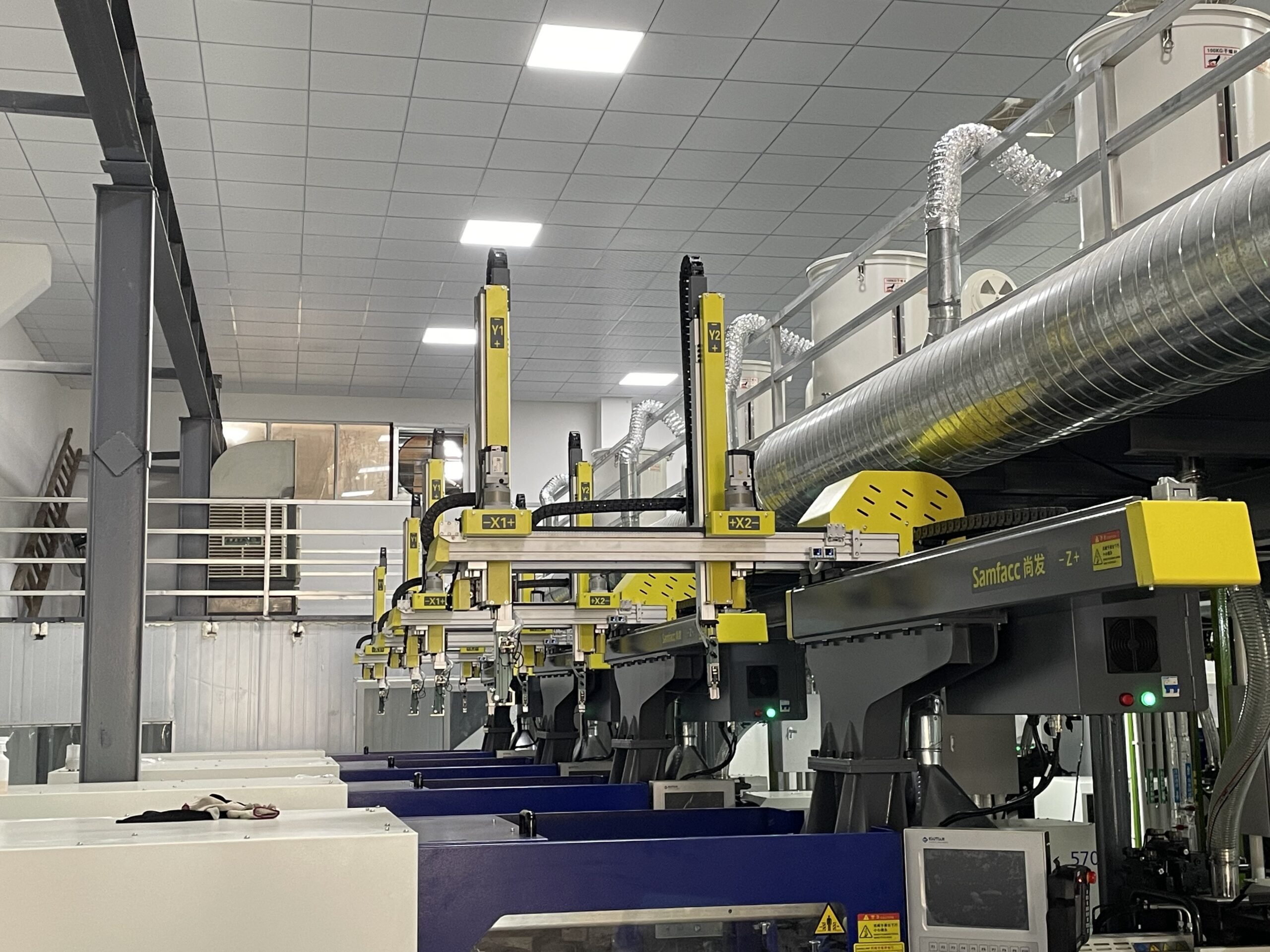
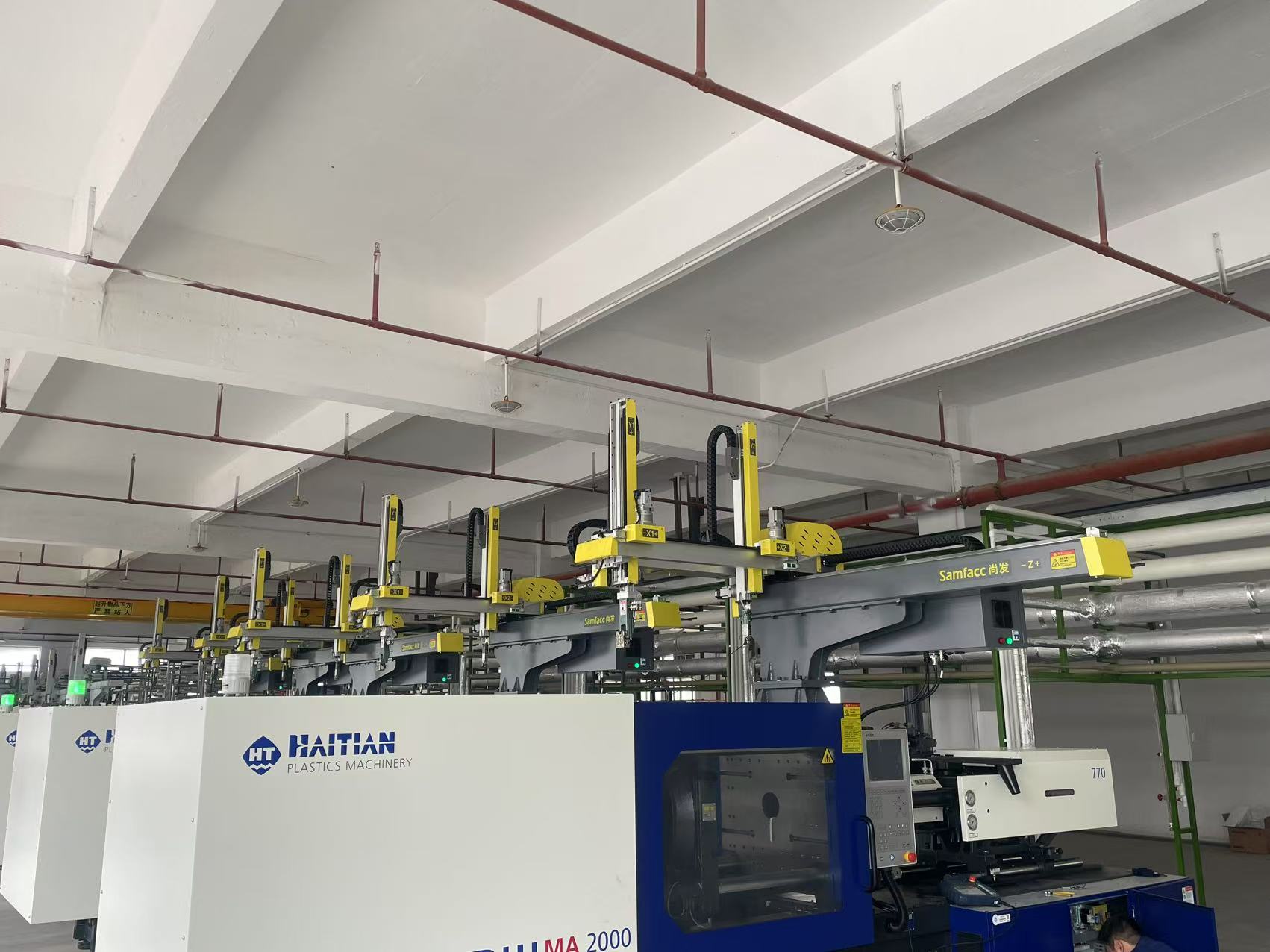
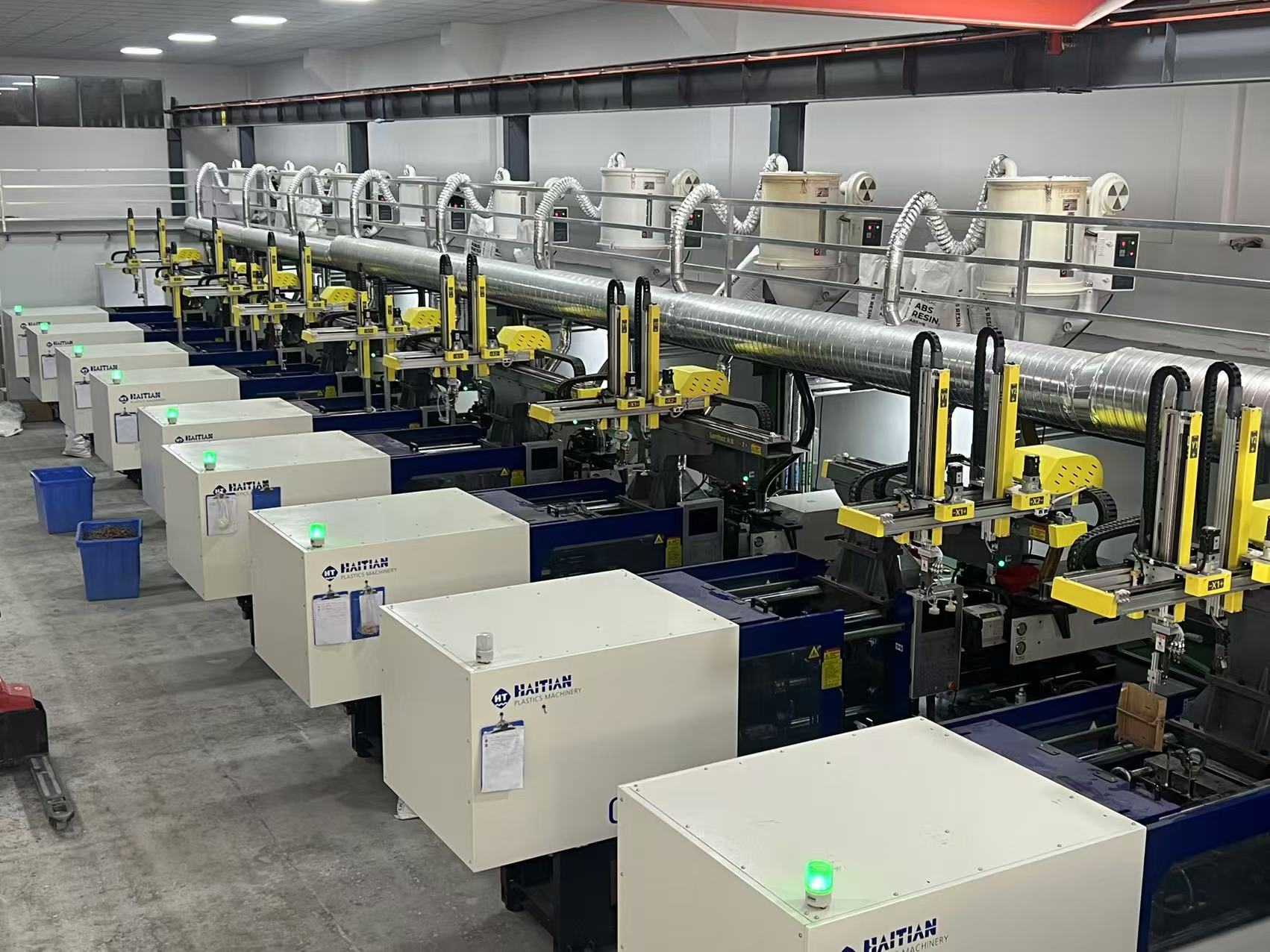
Standard robotic systems are commonly used in injection molding and automated manufacturing environments. Robots such as the SF Series and SFN Series models are designed to support product removal, material handling, and production automation. Their consistent operation helps reduce cycle times and improve production stability.
High-Speed Robots for Faster Manufacturing
If a production line needs to quickly grab and transfer products, then using this kind of high-speed industrial automation robot is the perfect solution. Systems such as the SFK Series, SFK-WD Series, and SFNK Series are designed to support high-volume manufacturing environments where speed and efficiency are critical factors.
Side-Entry Robots for Space-Efficient Automation
In facilities where production space is limited, side-entry automated industrial robots provide an efficient solution. By accessing products from the side rather than above, these robots help optimize floor space while maintaining fast production performance.
Swing Arm Robots for Simple Automation Tasks
Swing arm robotic systems are frequently used for sprue removal and basic pick-and-place applications. Their compact structure makes them suitable for manufacturers seeking practical automation solutions for routine production tasks.
Automated Industrial Robots Help Reduce Operating Costs
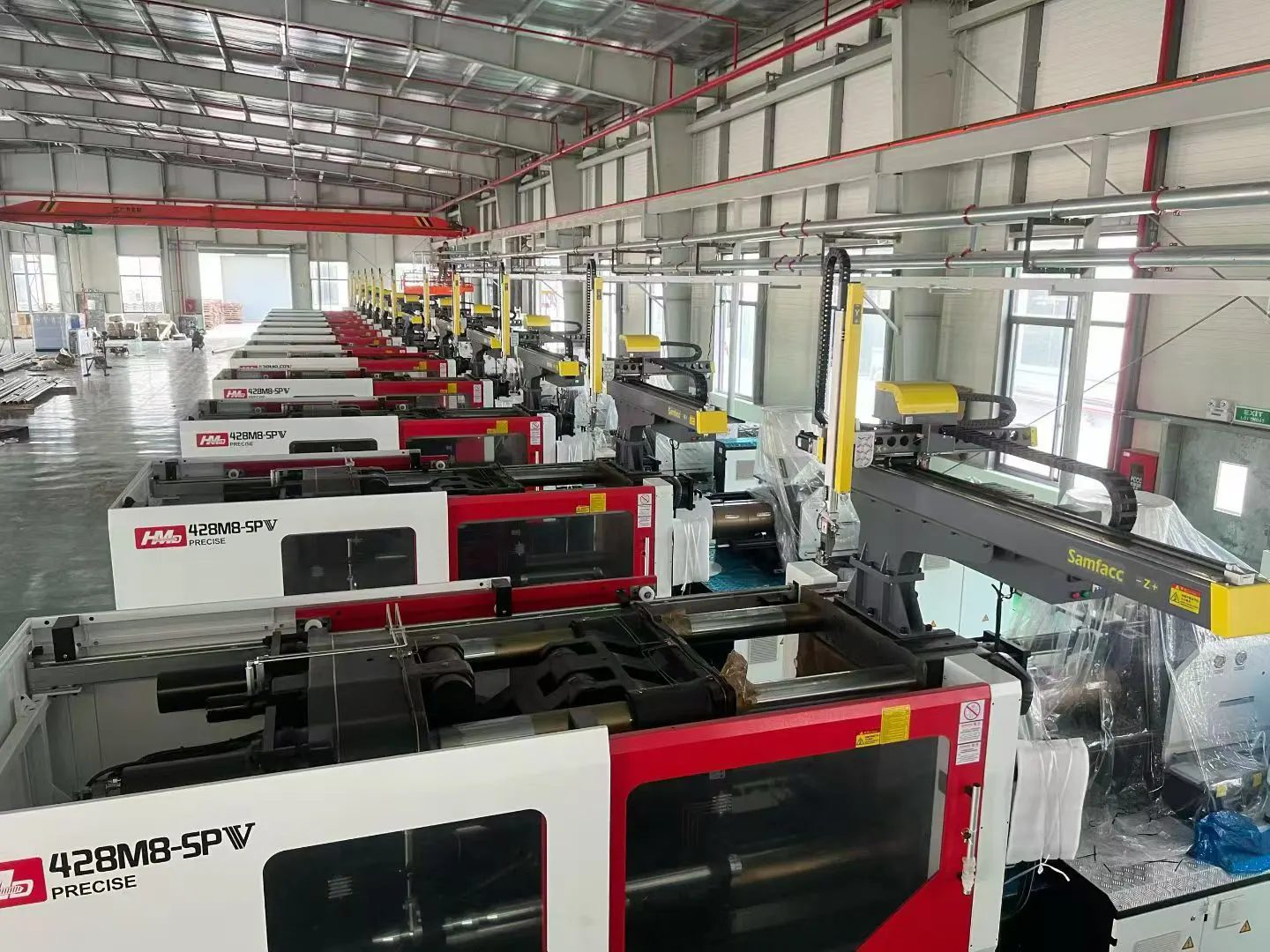
Although automation requires an initial investment, automated industrial robots can generate long-term cost savings through improved efficiency.
Reduced Production Waste:
Precise robotic movements help minimize handling errors and material waste, improving resource utilization throughout the production process.
Lower Downtime:
Reliable robotic systems reduce process interruptions and help maintain stable production schedules, contributing to higher overall equipment effectiveness.
Increased Return on Investment:
By improving productivity, reducing labor requirements, and minimizing defects, industrial automation robots can support long-term operational efficiency and cost control.
Future Development of Industrial Robots
As manufacturing technologies continue to evolve, industrial robots are becoming more intelligent and connected.
- Smart Factory Integration: Modern robotic systems increasingly connect with factory management platforms, allowing real-time monitoring and production analysis.
- Enhanced Automation Flexibility: Advanced control systems make it easier for manufacturers to adapt robotic operations to changing production requirements.
- Data-Driven Manufacturing: Industrial automation robots can generate valuable operational data that supports process improvement and production optimization initiatives.
Conclusion
Automated industrial robots play a vital role in improving productivity across modern manufacturing environments. By increasing production speed, enhancing quality consistency, reducing labor demands, and lowering operating costs, these systems help manufacturers achieve more efficient and reliable operations. Whether through standard automation robots, high-speed robotic systems, side-entry solutions, or swing arm robots, industrial automation robots provide practical solutions for a wide range of manufacturing challenges. As automation technologies continue to advance, their contribution to productivity and operational efficiency will remain an important part of modern industrial production.