 English
  Chinese
 With the rapid development of automation in the manufacturing industry, injection molding, one of the most crucial processes in the plastic industry, is gradually achieving more efficient and precise automated production through the introduction of injection molding robots. These robots not only enhance production efficiency but also significantly reduce labor costs, minimize human errors, and improve the stability of production lines while maintaining product quality.
This article delves into how injection molding robots enable the automation of the injection molding process, helping manufacturers improve the efficiency and precision of their production lines.
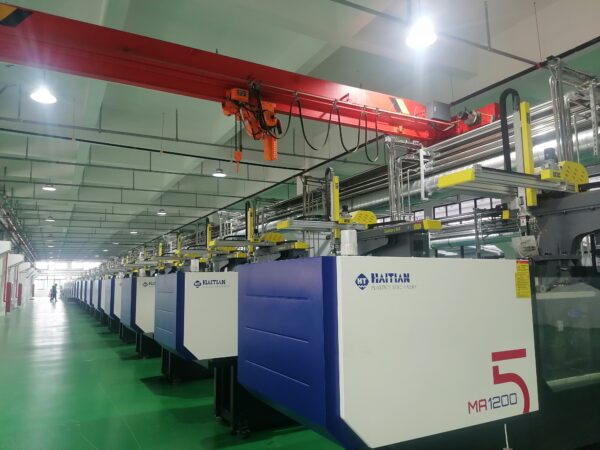
Automation in the Injection Molding Process and Robot Applications
Traditional manual operations are time-consuming and prone to quality fluctuations, but the introduction of injection molding robots has automated these tasks, resolving these issues.
- Automatic Part Removal: Robots can quickly remove molded parts from the mold after injection, eliminating quality inconsistencies and delays caused by manual handling.
- Precise Positioning and Handling: Robots can transport molded parts precisely, reducing the errors and waste associated with manual handling, ensuring smooth operation of the production line.
- Automatic Assembly and Packaging: After part removal, robots can also handle subsequent operations such as assembly, packaging, and labeling, achieving integrated automation from production to packaging.
With these capabilities, injection molding robots significantly increase the production efficiency and precision of the entire molding process, enabling manufacturers to produce high-quality products more efficiently and accurately.
Three Factors to Consider Before Automating the Injection Molding Process
1. Production Line Compatibility
When introducing injection molding robots to an existing production line, manufacturers must first consider the compatibility of the production line equipment. Different injection machines and products may require different types of robots.
2. Robot and Mold Compatibility
Injection molding robots must be highly compatible with the mold to ensure precise part removal and handling. If the mold is complex or frequently changes, custom End-of-Arm Tools (EOAT) may be required to meet specific mold production needs.
3. Technical Support and Maintenance
After introducing injection molding robots, manufacturers need to ensure that there is ongoing technical support and maintenance for the robots. The long-term stable operation of the production line depends on timely technical assistance and efficient maintenance processes to avoid production downtime.
Common Types of Injection Molding Robots and Automation Implementation
In the automation of the injection molding process, selecting the right robot type is critical. The common types of injection molding robots include:
1. Articulated Robots (Six-Axis Robots)
- Features: Six-axis robots are highly flexible and can perform complex three-dimensional movements with six degrees of freedom. They are ideal for tasks that require precision and high flexibility.
- Applications: Widely used for part removal, assembly, and other complex operations after injection molding. They are particularly effective for handling complex-shaped parts.
2. Selective Compliance Assembly Robot Arm (SCARA)
- Features: SCARA robots have four degrees of freedom and can perform fast, precise operations mainly in the horizontal plane. Their simple structure and high speed make them suitable for repetitive tasks.
- Applications: Commonly used for fast material handling, part retrieval, and automatic assembly tasks. SCARA robots are especially suitable for rapid part extraction and assembly after injection molding.
3. Cartesian Robots (Linear Robots)
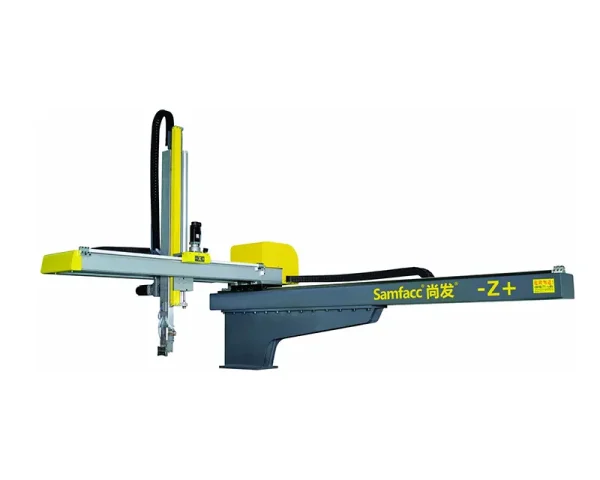
- Features: Cartesian robots use three-axis linear motion (X-axis, Y-axis, Z-axis) and are typically suited for simple linear material handling tasks. They offer high precision and are capable of handling heavy loads.
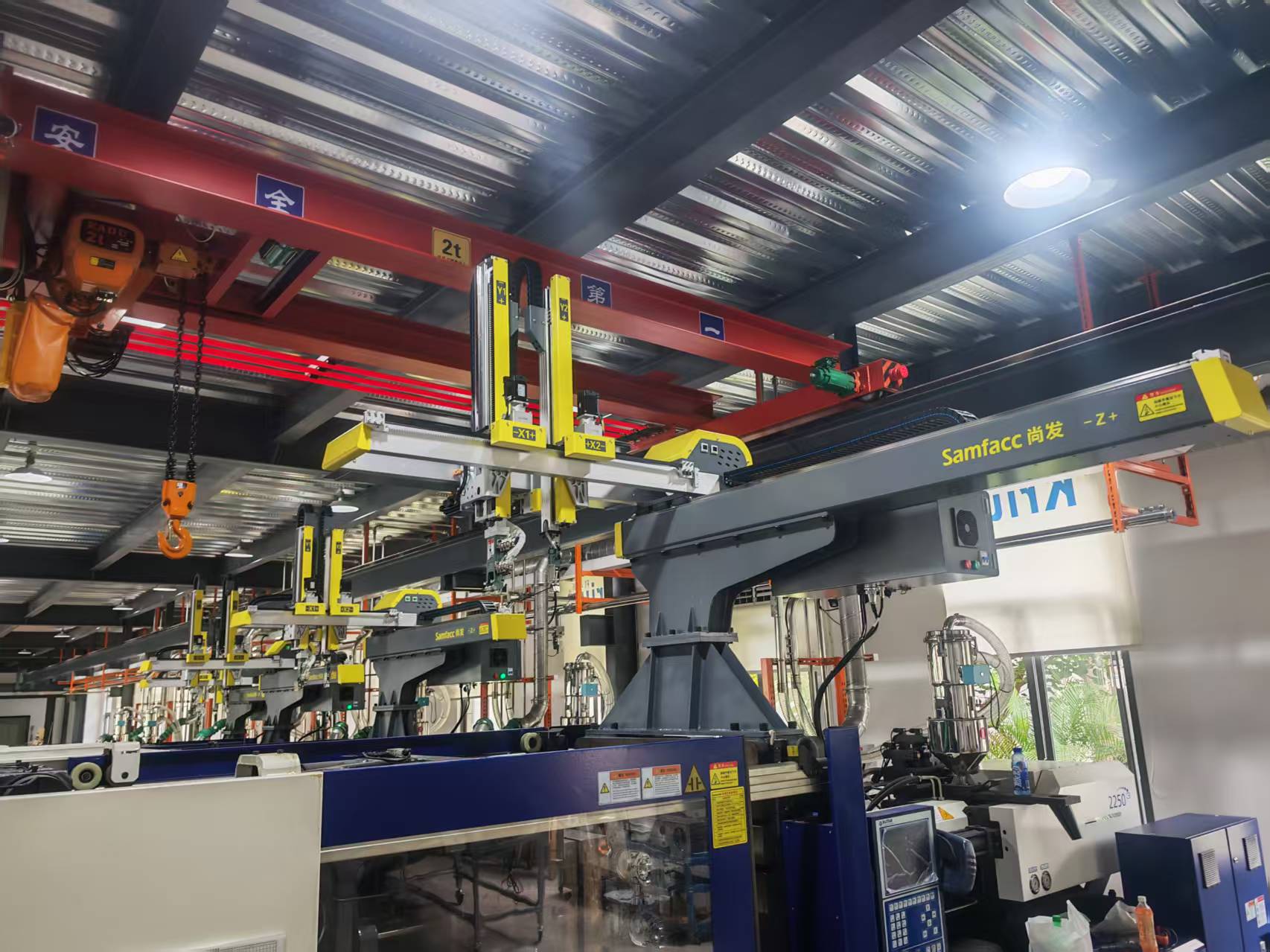
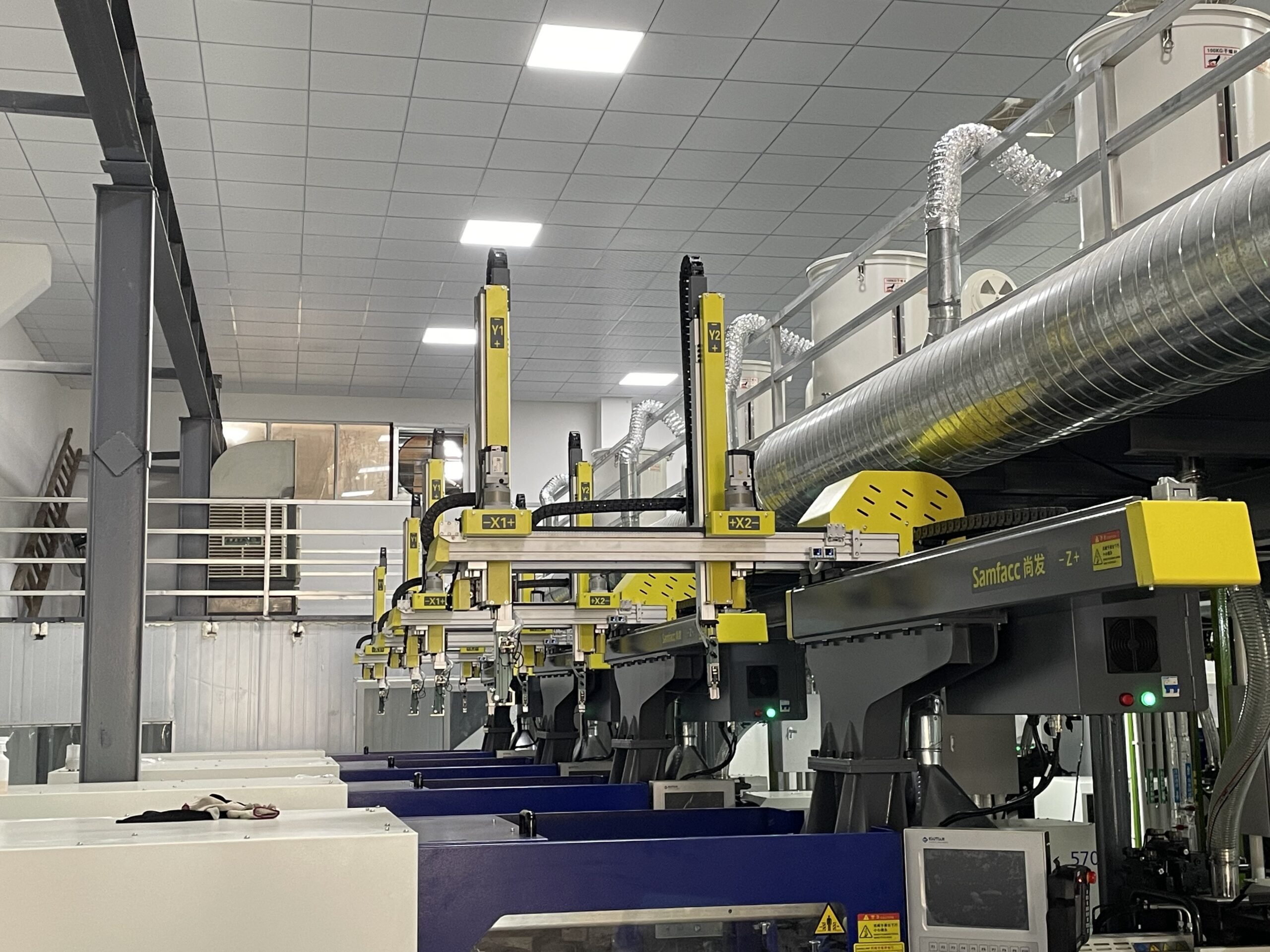
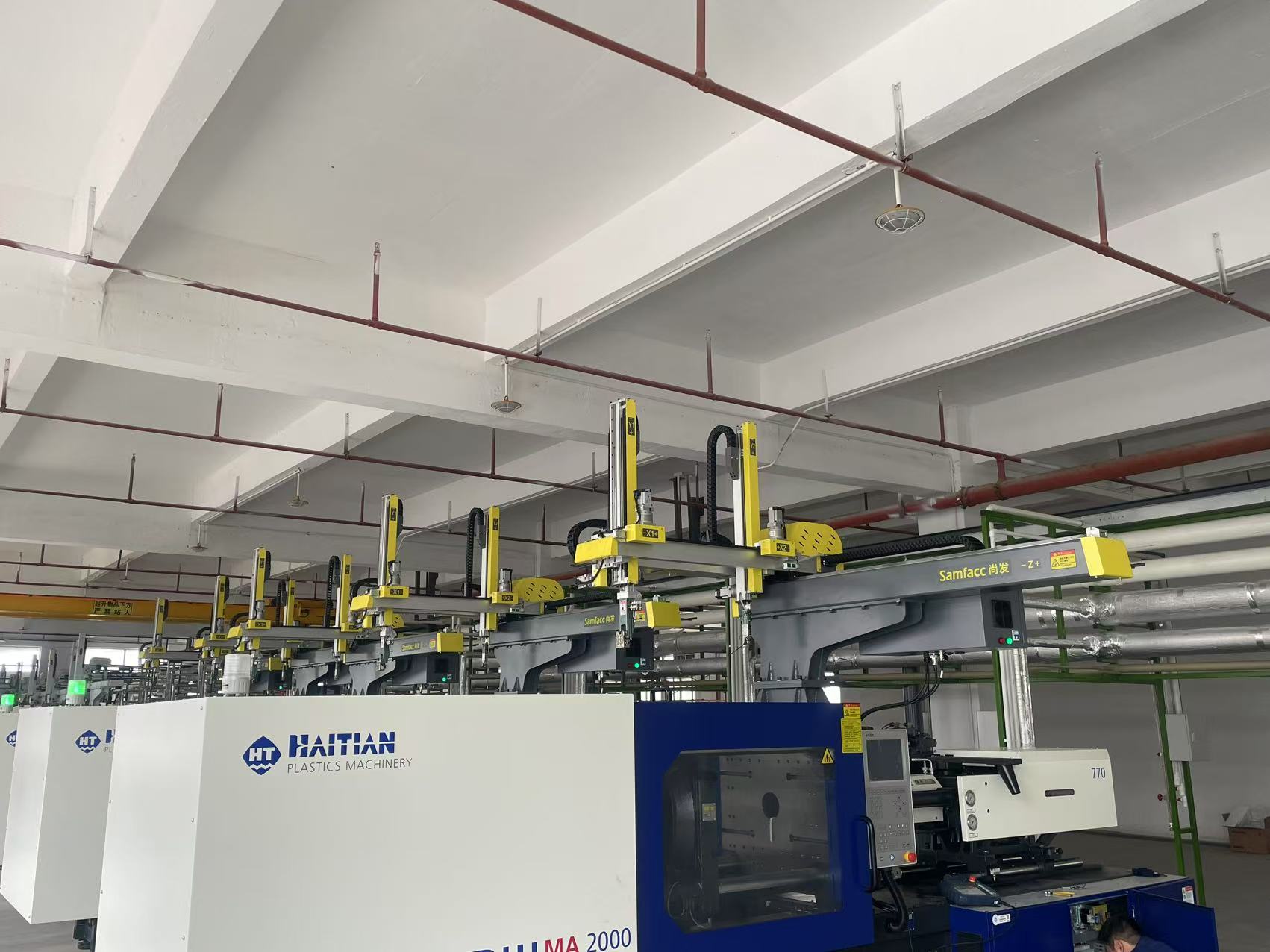
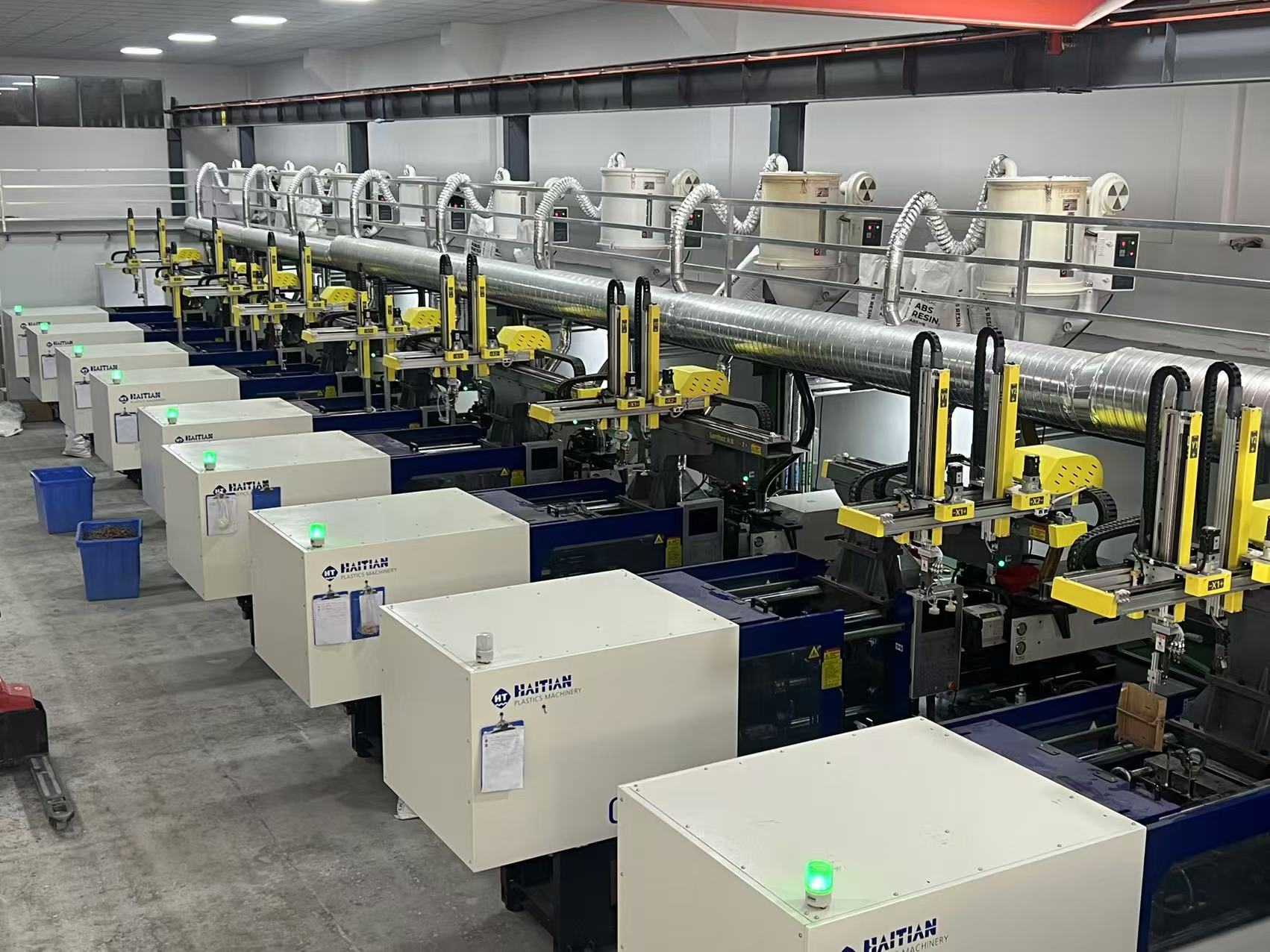
- Applications: Often used for post-injection part handling, particularly tasks that require precise positioning. The SAMFACC Standard Robot SF Series 3-5 axis servo injection molding robot is a typical Cartesian robot. It utilizes a single-arm/double-arm and frame structure, offering high precision, longer production cycles (above 6 seconds), and high load capacity. It is ideal for 90-800T injection molding machines, making it highly adaptable to different production needs, especially in automated production lines requiring complex operations.
4. Delta Robots (Parallel Robots)
- Features: Delta robots typically feature a three-arm design, offering high speed and precision. They are especially suitable for light-load tasks and are designed for high-frequency operations.
- Applications: Used for high-speed part retrieval, handling, and packaging tasks. Delta robots excel in applications where rapid cycle times are critical.
How Injection Molding Robots Drive Automation in the Molding Process
1. Enhancing Production Efficiency
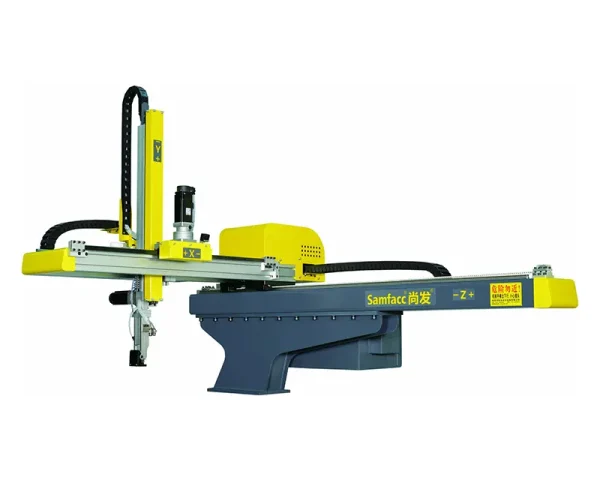
Injection molding robots can perform tasks such as part retrieval, material handling, assembly, and packaging much faster, significantly reducing production cycle times. For instance, the SAMFACC SFK Series High-Speed Three-Axis Injection Molding Robot can reduce its production cycle to as low as 2.8 seconds, with part retrieval times of just 0.6 seconds, making it highly suitable for fast-paced production environments, especially in industries like disposable products.
2. Reducing Labor Costs and Error Rates
By automating operations, injection molding robots significantly reduce reliance on manual labor, minimizing human errors and improving consistency in production.
3. Increasing Flexibility and Adaptability
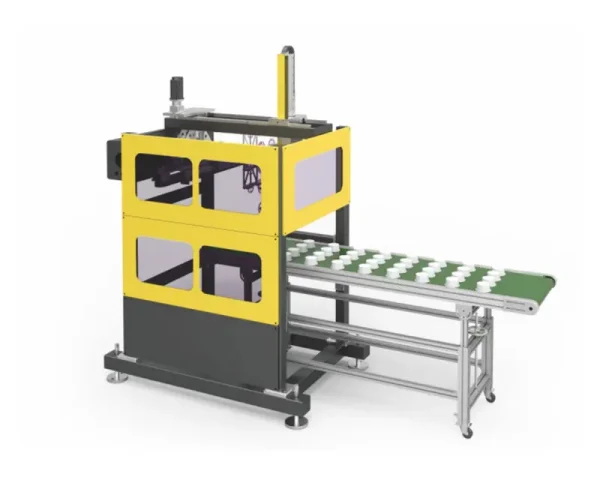
Modern injection molding robots offer high adaptability, enabling them to adjust operations based on different molds and production batches. For example, the SAMFACC Side-Entry Three-Axis Servo Injection Molding Robot supports 100-500T injection machines and adapts to various mold sizes and production volumes, ensuring efficient production in diverse environments.
Conclusion
Injection molding robots provide powerful support for the automation of the injection molding process. Through precise and fast operations, they not only improve production efficiency but also reduce manual intervention and error rates, enhancing product quality. In the future, SAMFACC injection molding robots will continue to deliver higher efficiency and smarter production methods for the manufacturing industry.