 English
  Chinese
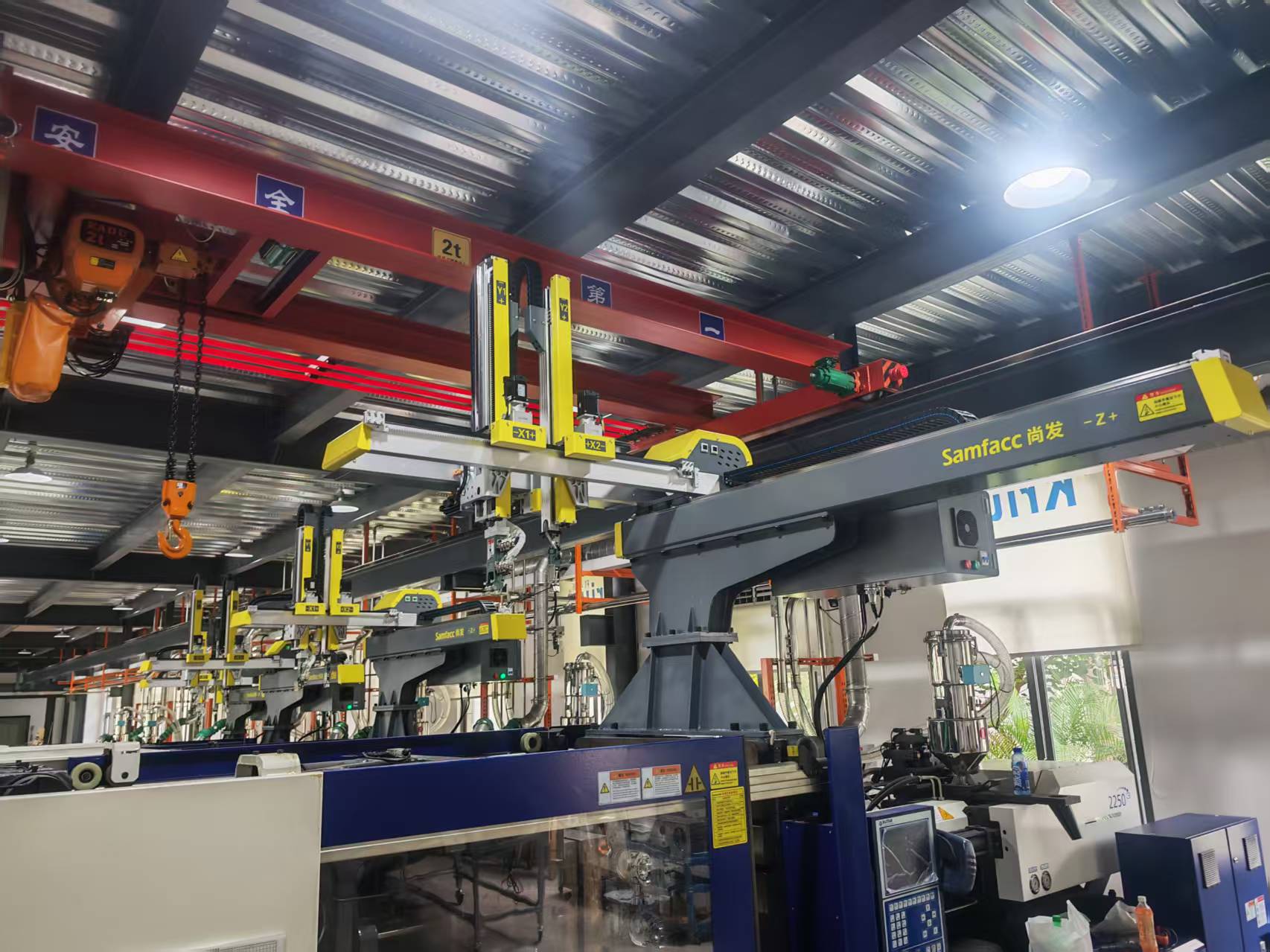
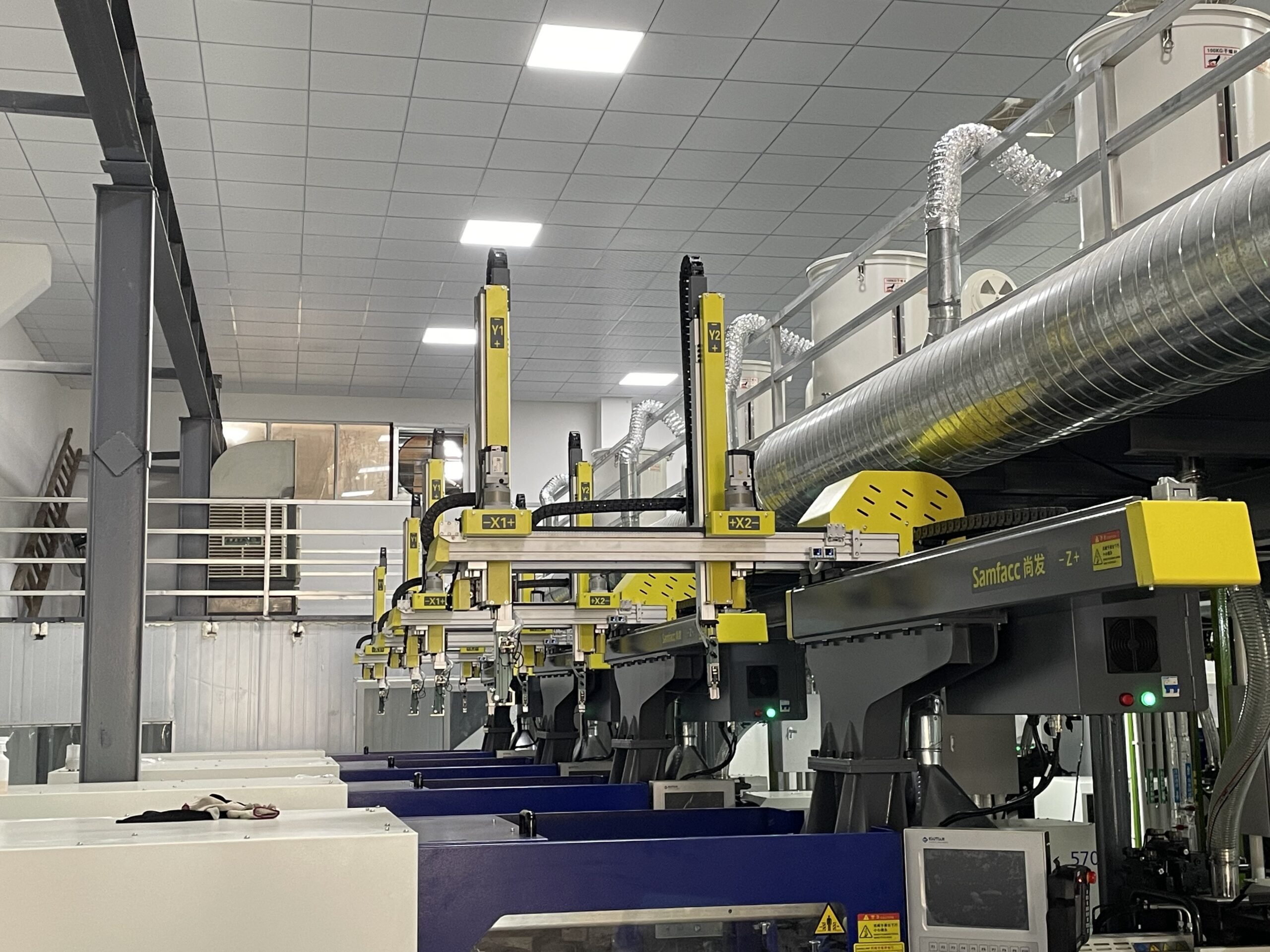
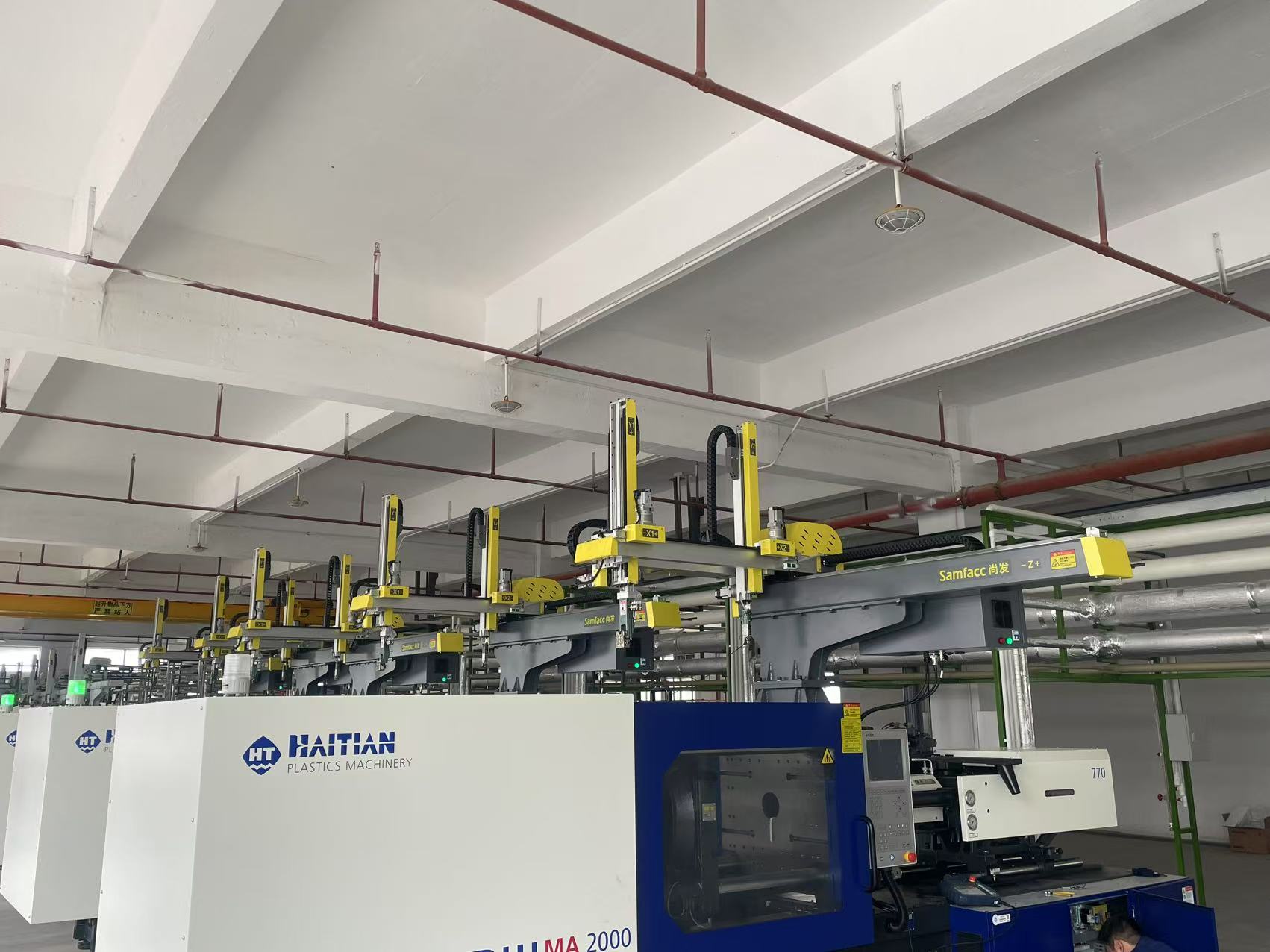
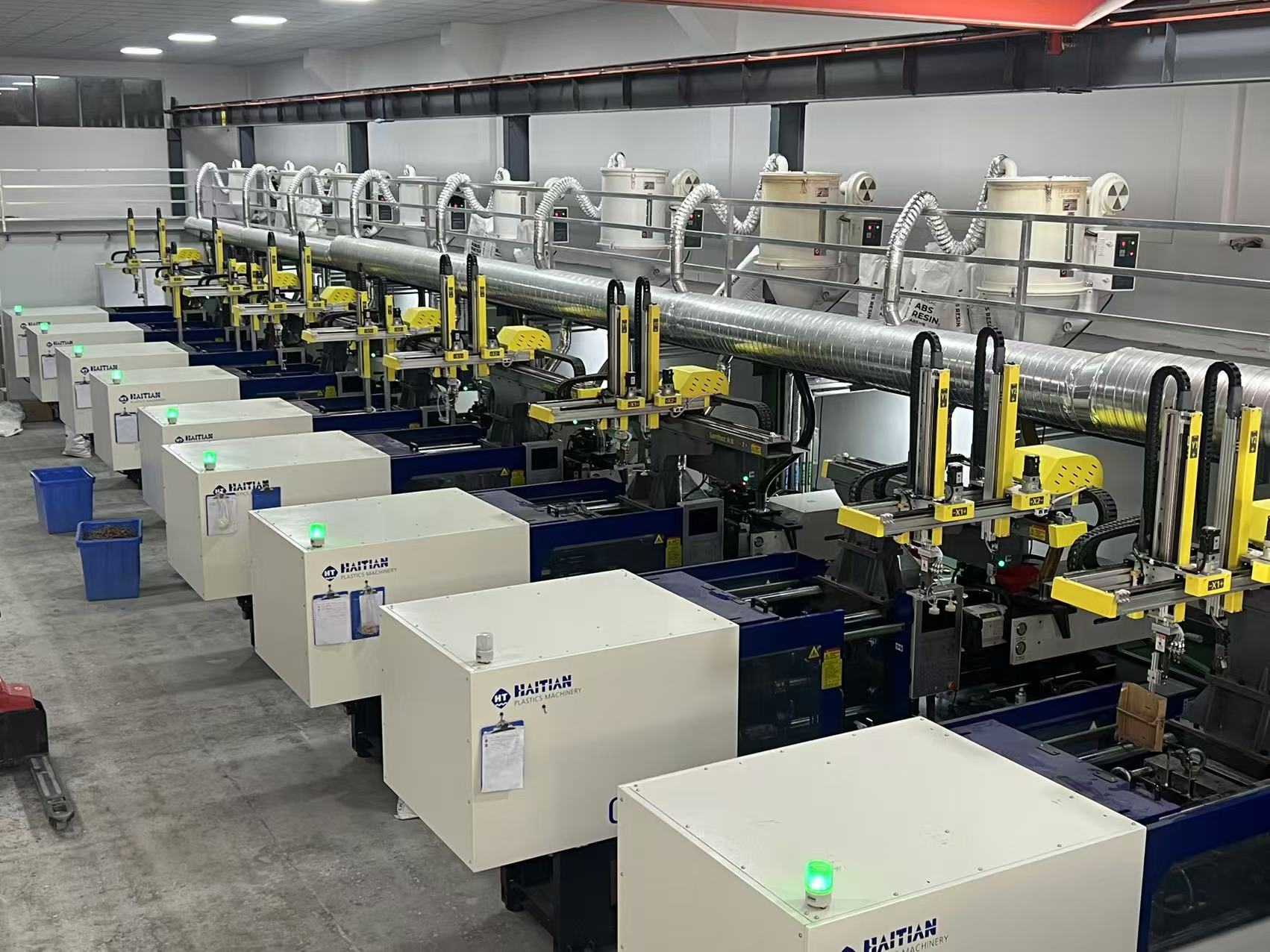
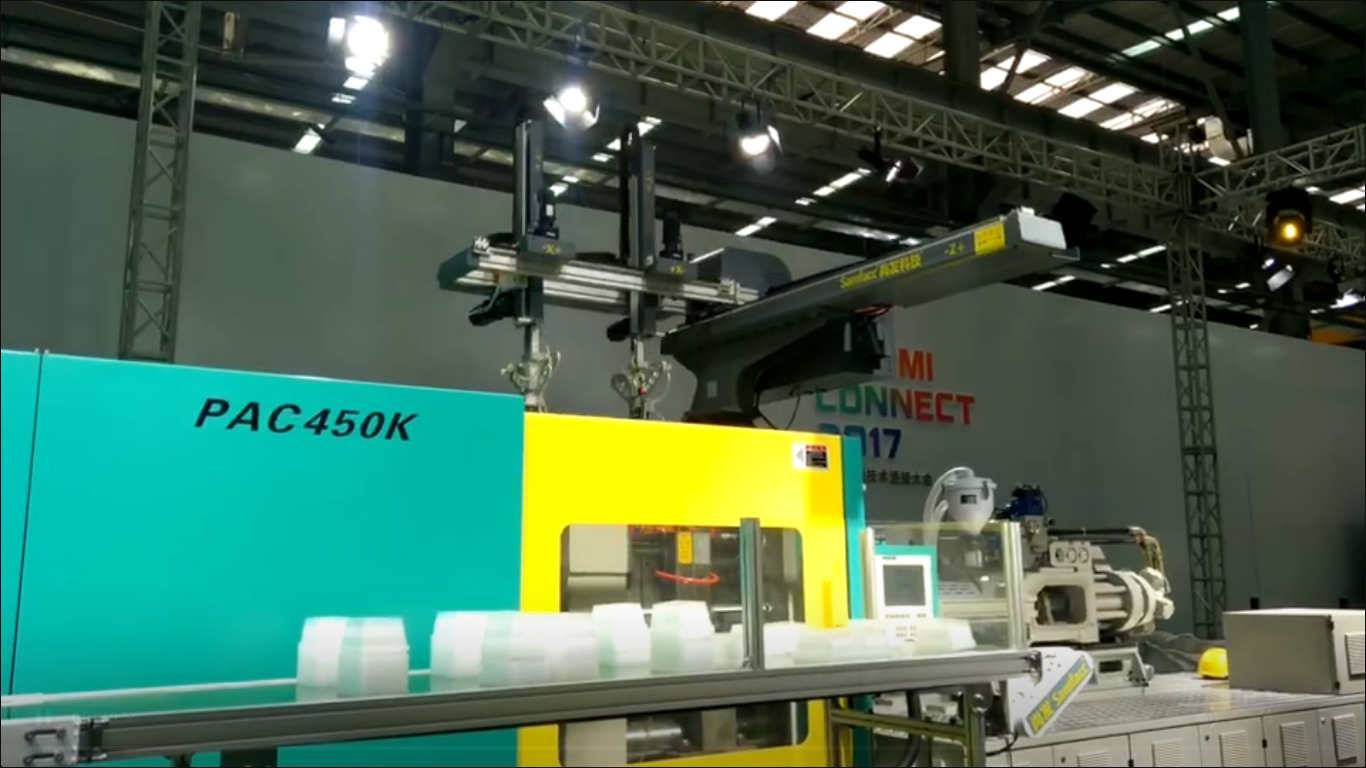
 In modern manufacturing, companies are increasingly adopting industrial robotic arm technology to improve production efficiency, accuracy, and automation levels. With the development of smart factories, robotic systems have become an important solution for handling repetitive operations, precision assembly, and complex manufacturing tasks.
Modern industrial production faces challenges such as increasing labor costs, strict quality requirements, and the need for flexible production. An industrial robot arm can help manufacturers optimize workflows through accurate movement control, stable operation, and continuous production capability. Robot arms work together with customized automation equipment and intelligent production systems to create practical solutions for diverse industrial scenarios.
Why Are Industrial Robotic Arms Important for Modern Manufacturing?
Improving Production Efficiency Through Automation
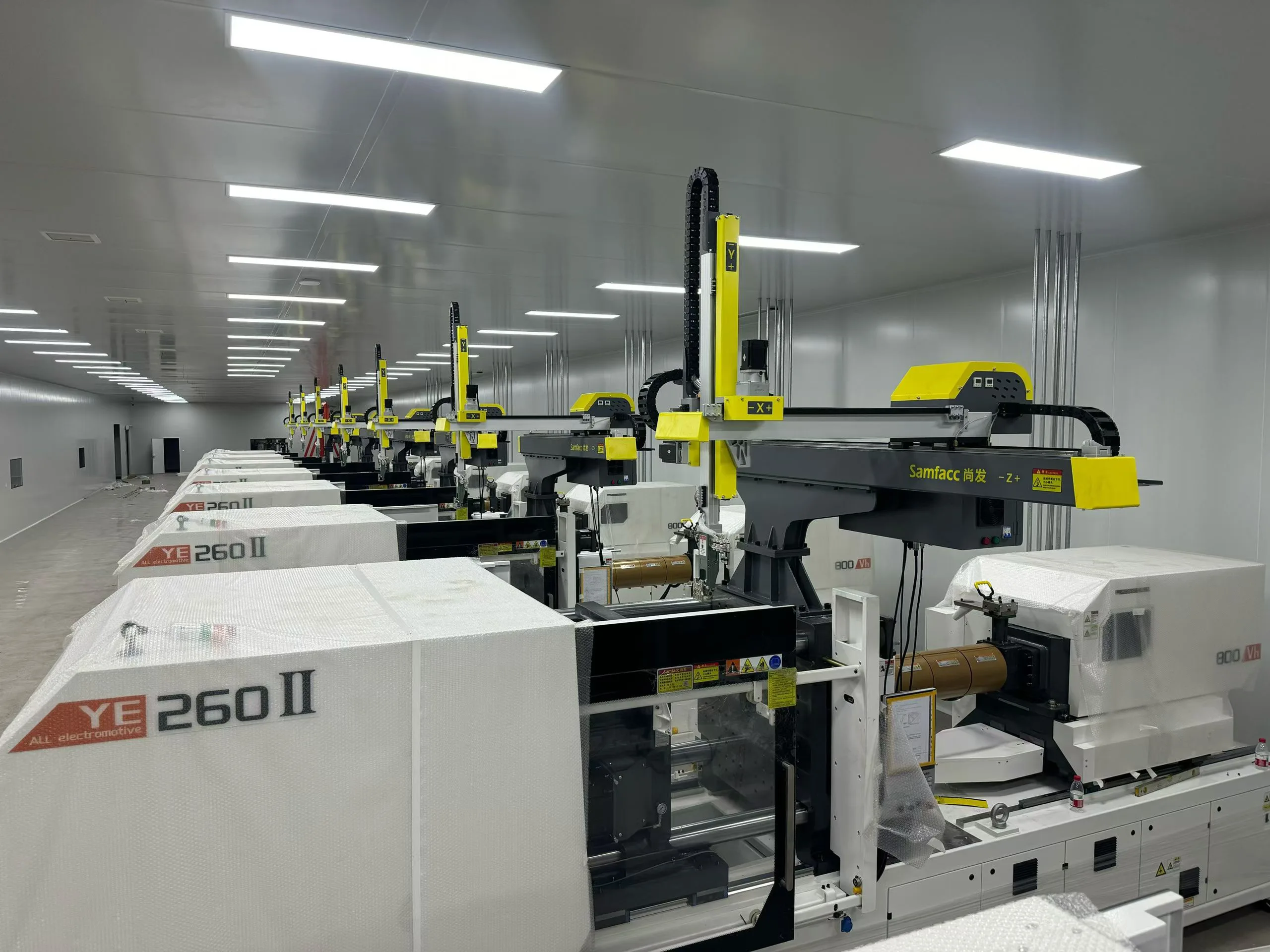
An industrial robot arm is widely used in automated manufacturing because it can perform repeated tasks with high consistency. Compared with traditional manual operations, robotic systems can maintain stable performance during long production cycles.
Industrial robot automation helps manufacturers achieve:
- Higher production efficiency
- Reduced manual workload
- Improved processing consistency
- More stable production output
For factories requiring continuous operation, integrating robot arms into automated production lines can improve overall manufacturing performance.
How Do Industrial Robotic Arms Work in Automated Systems?
Precision Control and Flexible Movement
An industrial robot arm works through the cooperation of mechanical structures, control systems, and programmed instructions. Multiple joints allow the robot to move accurately, while the control system manages operational sequences according to production requirements.
The basic working process includes:
- Receiving programmed commands
- Controlling robotic movement
- Completing assigned manufacturing tasks
- Repeating operations with stable accuracy
This technology allows robot arms to complete precise tasks that may be difficult to achieve through manual operation.
What Automation Solutions Use Industrial Robotic Arms?
Automated Assembly and Production Line Integration
One of the main applications of an industrial robotic arm is automated assembly. In modern factories, robot systems can be integrated with customized automation equipment to complete assembly, positioning, testing, and production processes.
Industrial automation solutions may include:
- Automated assembly machines
- Robotic handling systems
- Intelligent production equipment
- Customized manufacturing lines
By combining robot arms with automation technology, manufacturers can improve production flexibility and reduce unnecessary manual intervention.
Material Handling and Precision Operations
Efficient material flow is the cornerstone for ensuring the smooth operation of industrial production. An industrial robot arm can perform accurate picking, placing, and transferring operations, helping improve production workflow.
Common applications include:
- Component loading and unloading
- Product transfer between processes
- Automated sorting
- Precision positioning
These applications make robot arms suitable for industries requiring reliable and efficient production processes.
How Do Industrial Robotic Arms Support Smart Factory Development?
Integration with Customized Automation Equipment
Smart manufacturing requires more than individual machines. It requires complete automation systems that connect different production processes.
Professional automation solutions combine:
- Industrial robot arms
- Automated equipment
- Control systems
- Production monitoring technologies
Customized automation equipment can be designed according to different manufacturing requirements, allowing companies to create more efficient production environments.
For example, industrial robotic arm systems can work together with automated assembly equipment and intelligent production lines to improve manufacturing flexibility and process control.
What Industries Use Industrial Robotic Arms?
Electronics and Precision Manufacturing
Electronics manufacturing requires high accuracy and stable production performance. An industrial robot arm can support component handling, assembly, and inspection processes where precision is important.
Robot automation helps manufacturers:
- Improve assembly accuracy
- Reduce operation errors
- Maintain consistent quality
Automotive and Component Production
Automotive manufacturing requires efficient production systems capable of handling large production volumes. Robot arms are commonly used for component handling, assembly, and automated processing.
Applications include:
- Parts transportation
- Assembly operations
- Production line automation
Consumer Products Manufacturing
Consumer product manufacturing often involves diverse product models and fast production cycles. Industrial robot arms help improve production flexibility by supporting automated assembly, material handling, inspection, and packaging processes. These automation solutions enable manufacturers to maintain consistent quality while adapting to changing market demands.
Applications include:
- Product assembly and component installation
- Automated packaging and sorting
- Quality inspection and production line automation
What Makes a Reliable Industrial Robotic Arm Solution?
Customized Design Capability
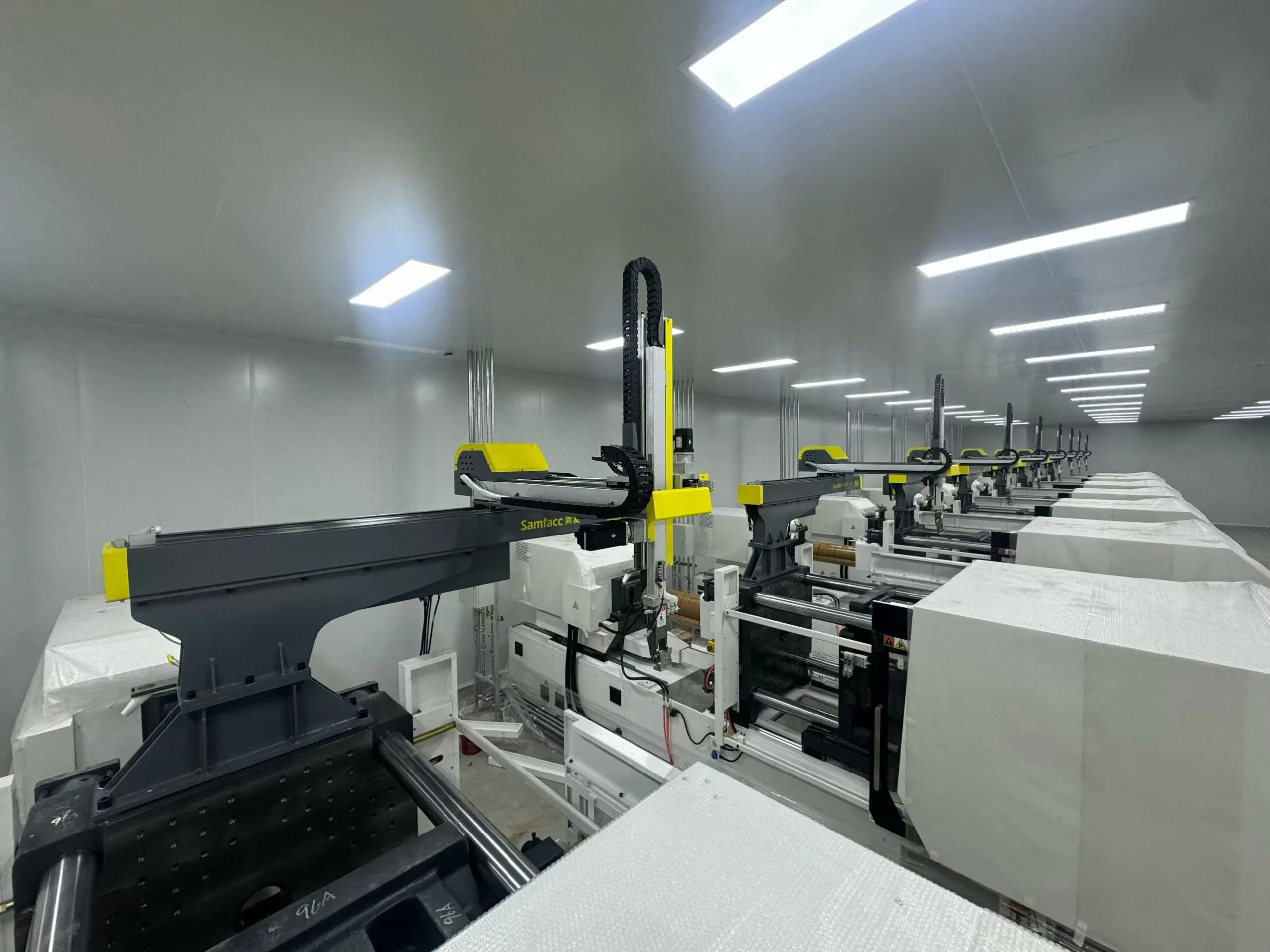
Different factories have different production conditions. The adaptation plan of the industrial robot arm needs to closely fit the four core elements of product size, production rhythm, spatial layout, and automation goals.
Customized solutions may include:
- Robot system design
- Automated equipment integration
- Production process optimization
- Special application development
This allows manufacturers to build automation systems that match their actual production needs.
Stable Performance and Technical Support
For industrial applications, equipment stability is essential. Reliable robot automation systems require professional engineering support, accurate system configuration, and long-term technical assistance.
Important factors include:
- Equipment reliability
- System compatibility
- Application experience
- Maintenance support
These factors help ensure that automation equipment continues to operate efficiently.
How Do Industrial Robotic Arms Improve Future Manufacturing?
Moving Toward Intelligent Automation
The future of manufacturing is developing toward higher automation, smarter control, and greater flexibility. An industrial robot arm plays an important role in this transformation by helping factories achieve more efficient production.
Future trends include:
- Intelligent robotic control
- Flexible manufacturing systems
- Automated production optimization
- Better human-machine cooperation
As industries continue upgrading, robot automation will become an important foundation for smart manufacturing.
How to Choose the Right Industrial Robot Arm Solution?
Selecting a suitable industrial robot arm requires evaluating production requirements, technical capability, and automation goals. Companies should consider whether the solution can integrate with existing production processes and support future expansion.
Key considerations include:
- Application requirements
- Production capacity
- Equipment compatibility
- Customization capability
Working with experienced automation solution providers helps manufacturers develop practical robotic systems that improve efficiency and production performance.
Conclusion
The increasing demand for smart manufacturing has made the industrial robotic arm an essential technology for modern factories. From automated assembly and material handling to customized production line integration, robot systems help manufacturers improve efficiency, accuracy, and flexibility.
By combining industrial robot arms with customized automation equipment and intelligent manufacturing solutions, companies can optimize production processes and prepare for future manufacturing challenges. Exploring suitable automation technologies can help businesses build more efficient and competitive production systems.