Traverse Robot

Categories

Standard Robot SFN Series 3
Machine
Machine
injection molding robots
Machine
Swing Arm SP Series

Traverse Robot: Industrial Robot Arm | Servo Robot | Robot Arm Servo

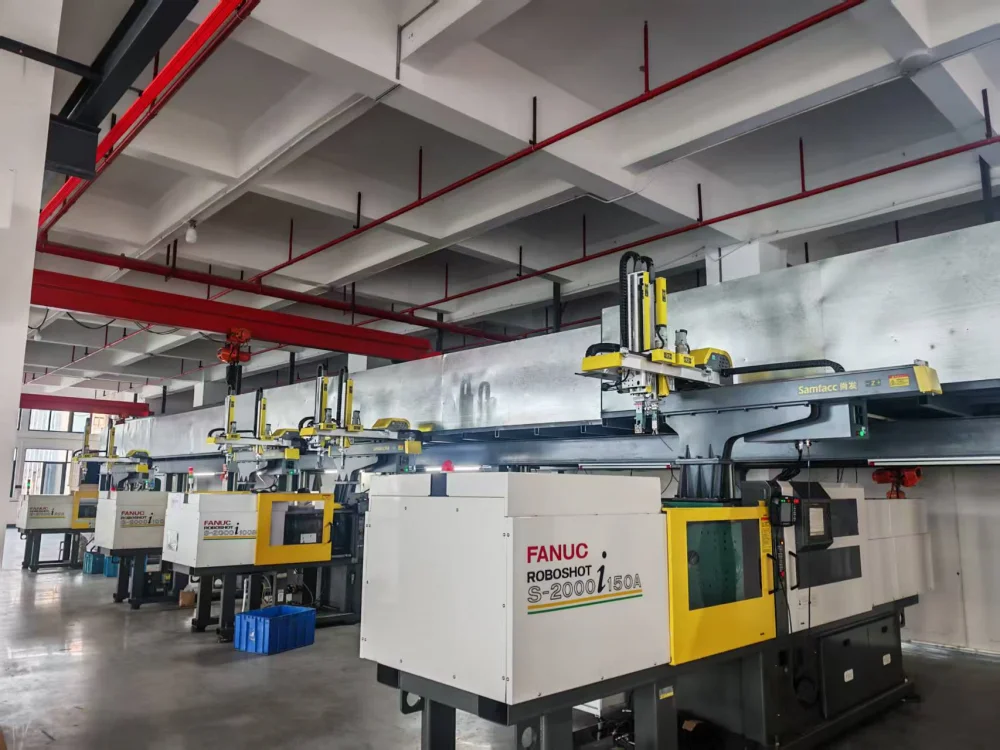
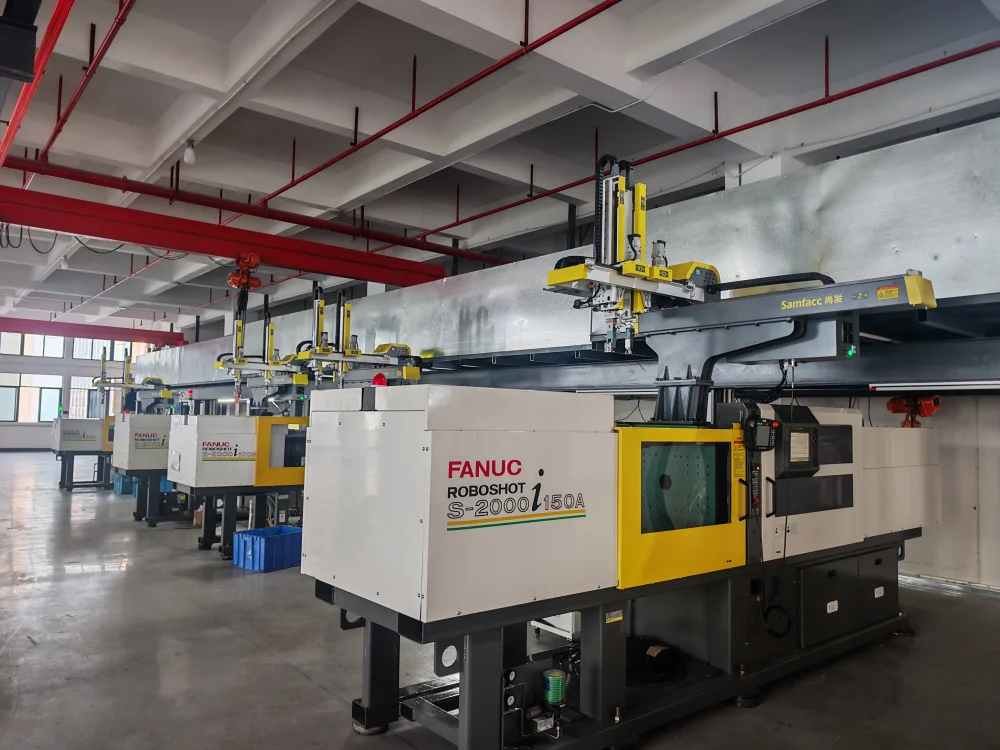
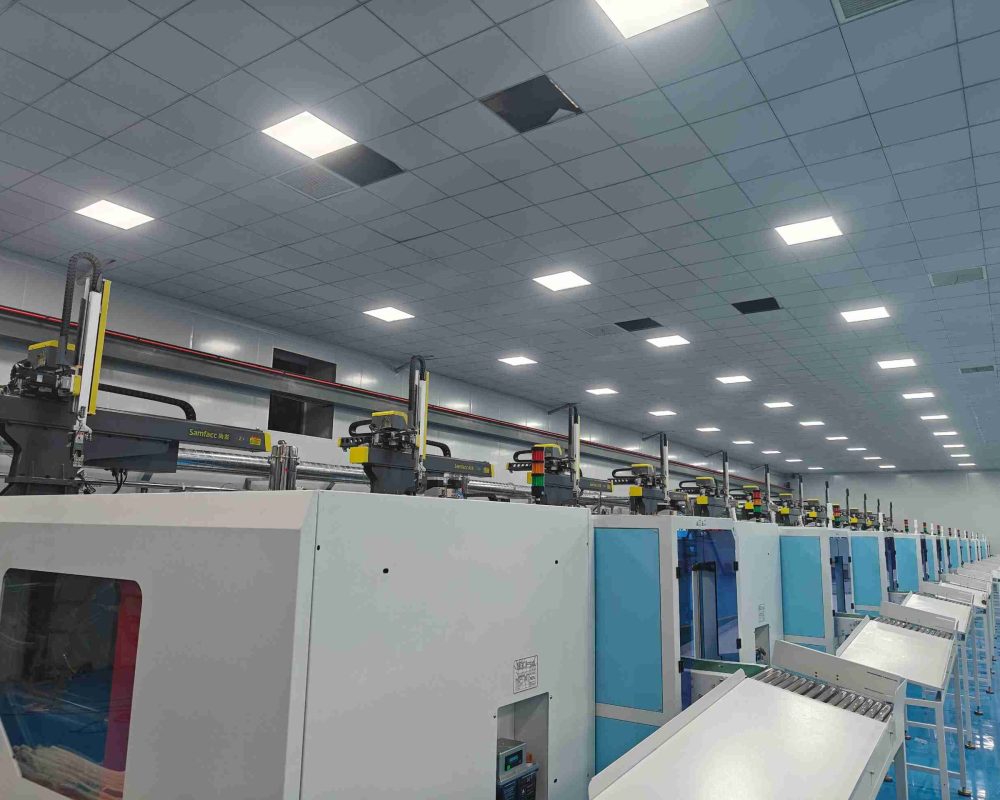
A traverse robot is an industrial robot arm that is employed in the extraction and transportation of the molded plastic products and sprues from the injection molding machine. It is often employed in conjunction with horizontal injection molding machines in order to increase efficiency in the extraction process and to ensure uniformity in the process. The servo motor controls the traverse robot’s motion and positioning, enabling precise and reliable operation in plastic molding applications.

Foshan Samfacc Robot specializes in manufacturing auxiliary equipment for injection molding machines. It specializes in automation and robotics and produces robotic arms that are used for plastic manufacturing. Having experience in the industry, Samfacc can provide reliable equipment for part handling.

Servo Robot1

Advantages of Samfacc Servo Robots

One of the strengths of the Foshan Samfacc Robot’s servo robot is its capability to perform fast yet precise movements. The servo robot works using servo motors; therefore, this allows the robotic system to position and extract the parts accurately and consistently.

Improved Production Efficiency

The industrial robot arm driven by a servomechanism is capable of automating the task of removing and transporting the molded plastic components, thus helping to shorten the manufacturing cycle time for the process.

Enhanced Workplace Safety

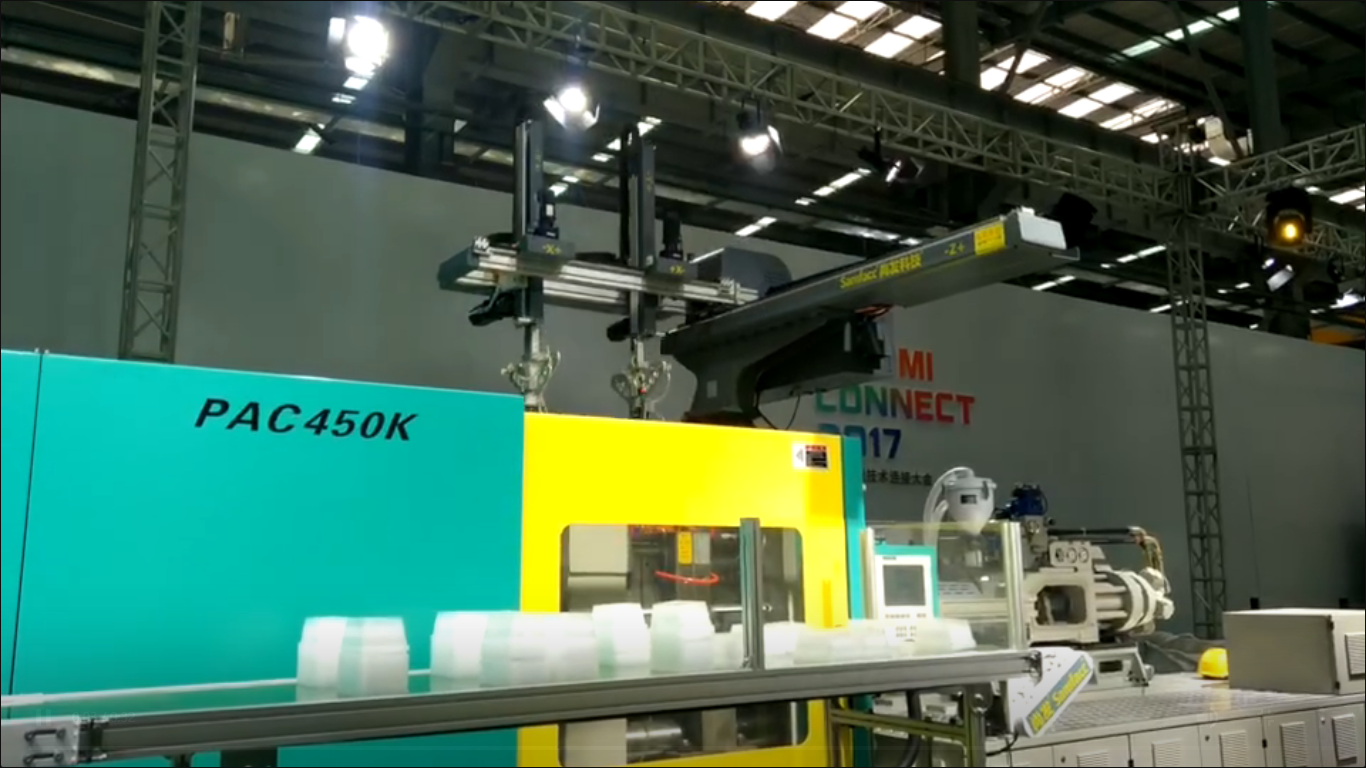
With automation of the take-out process, there is no need for workers to be directly involved in the process near the injection molding machine. Servo and pneumatic mechanisms can both facilitate safe material handling in such instances.

Reduced Defects and Material Waste

Effective motion control ensures that mistakes and collision risks during handling processes are avoided. An appropriately configured robot arm servo system enables precise part placement, which prevents unnecessary wastage.

Lower Operating Costs

Repetitive handling tasks may be automated in order to minimize the workforce and maximize machine usage. The integration of increased speed and efficiency in product handling through a servo robot would assist manufacturers in controlling their production costs.

Application

Materials used in Samfacc’s traverse robot arms are typically aluminum and cast iron. For the removal and placement of molded parts, medium-sized industrial robot arms are frequently used on injection molding machines. In the final step of the process, traverse robots act as a servo robot to remove finished products from the molds. They can also repackage the finished products. During operation, the process is fully automated and highly accurate. The robot arm servo system allows the robot’s orientation to be adjusted from horizontal to vertical according to the manufacturer’s requirements.

Servo Robot2

How Does a Traverse Robot Work?

A traverse robot is paired with an injection molding machine so that the process of removing and transporting molded plastic parts can be automated. After the mold is opened, the industrial robot arm enters the mold space and picks up the molded part with the help of a gripper. After removing the molded part, the robot moves away from the mold and transfers it to the designated location.

Servo systems incorporated in Samfacc’s SFK, SFK-WD, SFNK, SF, and SFN robots provide for accurate positioning and repeatability. The servo robot can program its movements in accordance with the molding process and therefore increase production consistency. The appropriate setup of the robot arm servos differs from one robot model to another depending on the gripper and injection molding machine characteristics.

Traverse Robot Types

Samfacc provides a range of traverse robots to suit various injection molding automation requirements, with options including high-speed, conventional, and swing-arm designs.

High Speed Robot (SFK, SFK-WD, and SFNK Series)

Designed for applications requiring fast part removal and efficient production cycles.

01.

Standard Robot (SF and SFN Series)

Designed for routine injection molding operations, these robots handle molded part removal and transportation between designated positions.

02.

Swing Arm Robot (SP Series)

Offers a different automation option for injection molding processes that require a swing-arm robot structure.

03.

When choosing an industrial robot arm, manufacturers should consider the injection molding machine, product dimensions, handling requirements, and production cycle. Samfacc’s servo robot options can support automated part handling, with the appropriate robot arm servo configuration depending on the selected model.

How to Choose the Right Traverse Robot

Selection of the correct industrial robot arm is based on the injection molding machine tonnage, cycle time, and the nature of the robot itself. Samfacc has many robotic systems available, all driven by servos.

Servo Arm Robot1

The SFK Series accommodates 260-500T injection molding machines with 3-6 second cycle times and a single-arm construction design. The SFNK Series caters to 200-500T injection molding machines with 3-6 second cycle times and a single-arm open construction design. The above two series can be considered suitable when choosing a fast servo robot.

SFK-WD series can be used for 90-400t injection molding machines with 3-10s production cycle time and double arm frame construction. It may be considered if this combination is required during the production process.

The SF Series is designed for 90-800T machines that have a single- or double-arm frame type with more than 6-second production cycle times. The SFN Series has 120-800T machines that are single arm frame types with 3-6 second production cycle times.

The Swing Arm SP Series is designed for 80–160T machines, with a production cycle of 6–9 seconds, making it an option for applications suited to a swing-arm configuration.

The five servo robot ranges mentioned above all have 100 mold memories, 18 standard programs, and 80 user-programmed teaching programs along with ISO 9001 and CE certified compliance as per the product specifications. Prior to opting for any robot arm servo system, it is essential to check the number of axes, payload, strokes, and installation conditions with Samfacc.

FAQ

A traverse robot is used to remove molded plastic parts and sprues from injection molding machines. As an industrial robot arm, it can also transfer parts to conveyors or designated collection areas, helping automate repetitive handling tasks.

Samfacc offers the SFK, SFK-WD, and SFNK high-speed series, the SF and SFN standard series, and the SP swing-arm series. The right model depends on injection molding machine tonnage, required cycle time, robot structure, and handling requirements.

The SFK Series features a single-arm frame structure and is designed for 260–500T injection molding machines, with a listed production cycle of 3–6 seconds. The SFK-WD Series uses a double-arm frame structure, supports 90–400T machines, and has a listed cycle time of 3–10 seconds.

Yes. The SFK, SFK-WD, SFNK, SF, and SFN series are listed as servo injection molding robots with 3-axis or 3–5-axis configurations. The required servo robot configuration depends on the selected model and application.

Consider the injection molding machine's tonnage, molded part weight, required stroke, production cycle, and installation space. Confirm the robot's axis configuration, payload capacity, and compatibility with your equipment with Samfacc before ordering an industrial robot arm.

The SFK, SFK-WD, SFNK, SF, SFN, and SP series list ISO 9001 and CE certifications. The SFK, SFK-WD, SFNK, SF, and SFN series also specify 100 sets of mold memory, 18 standard programs, and 80 user teaching programs. Please confirm the exact specifications for the selected model before purchase.

Scroll to Top

Get Free Quote