 English
  Chinese
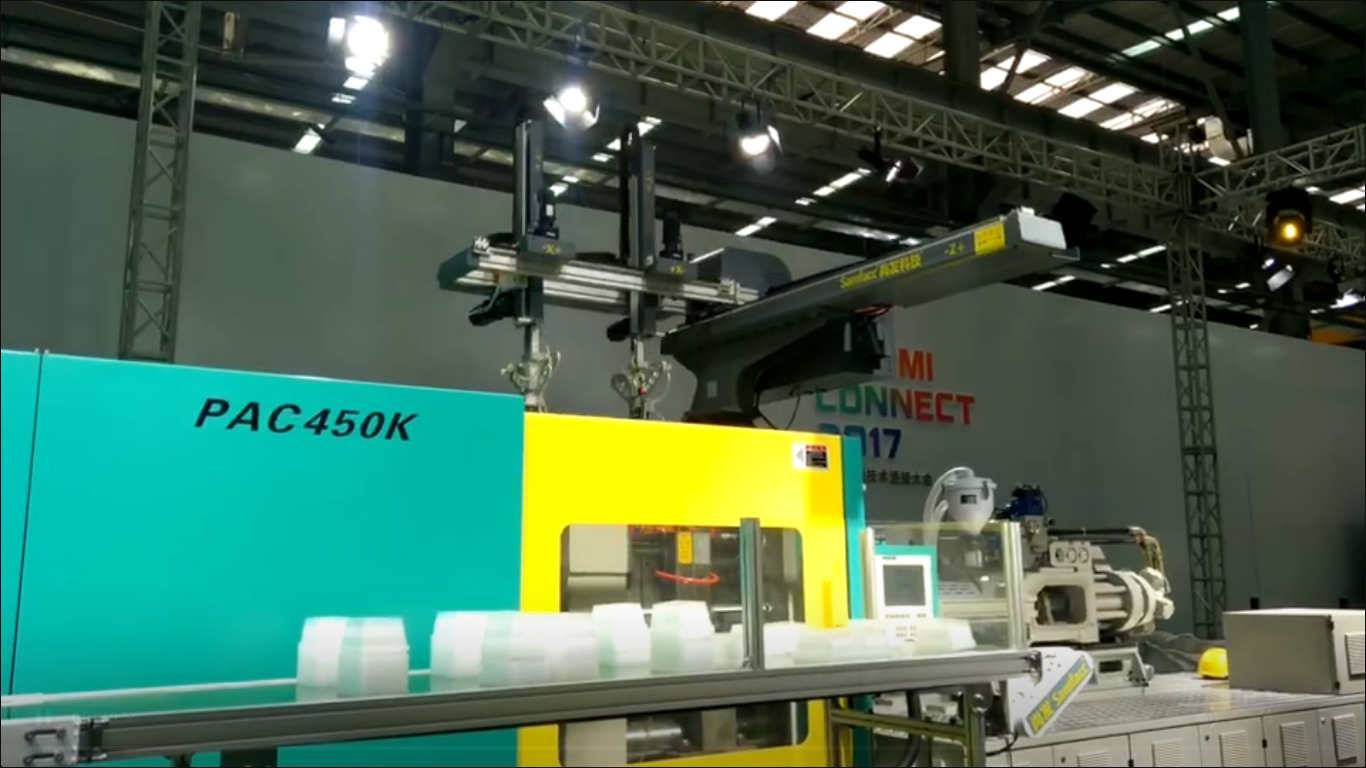
 As manufacturing industries continue to move toward automation, the demand for flexible and precise robotic solutions is increasing. A 5-axis robotic manipulator has become an important automation technology for manufacturers seeking precise motion control, efficient production, and adaptable operations. Unlike traditional industrial equipment with limited motion capability, a five-axis robotic system can perform complex tasks from multiple angles, making it suitable for assembly, handling, processing, and intelligent manufacturing applications. Understanding the working principles, advantages, and applications of a 5-axis robot arm can help companies better evaluate automation solutions and select the right robotic system for their production needs.
What Is a 5-Axis Robotic Manipulator?
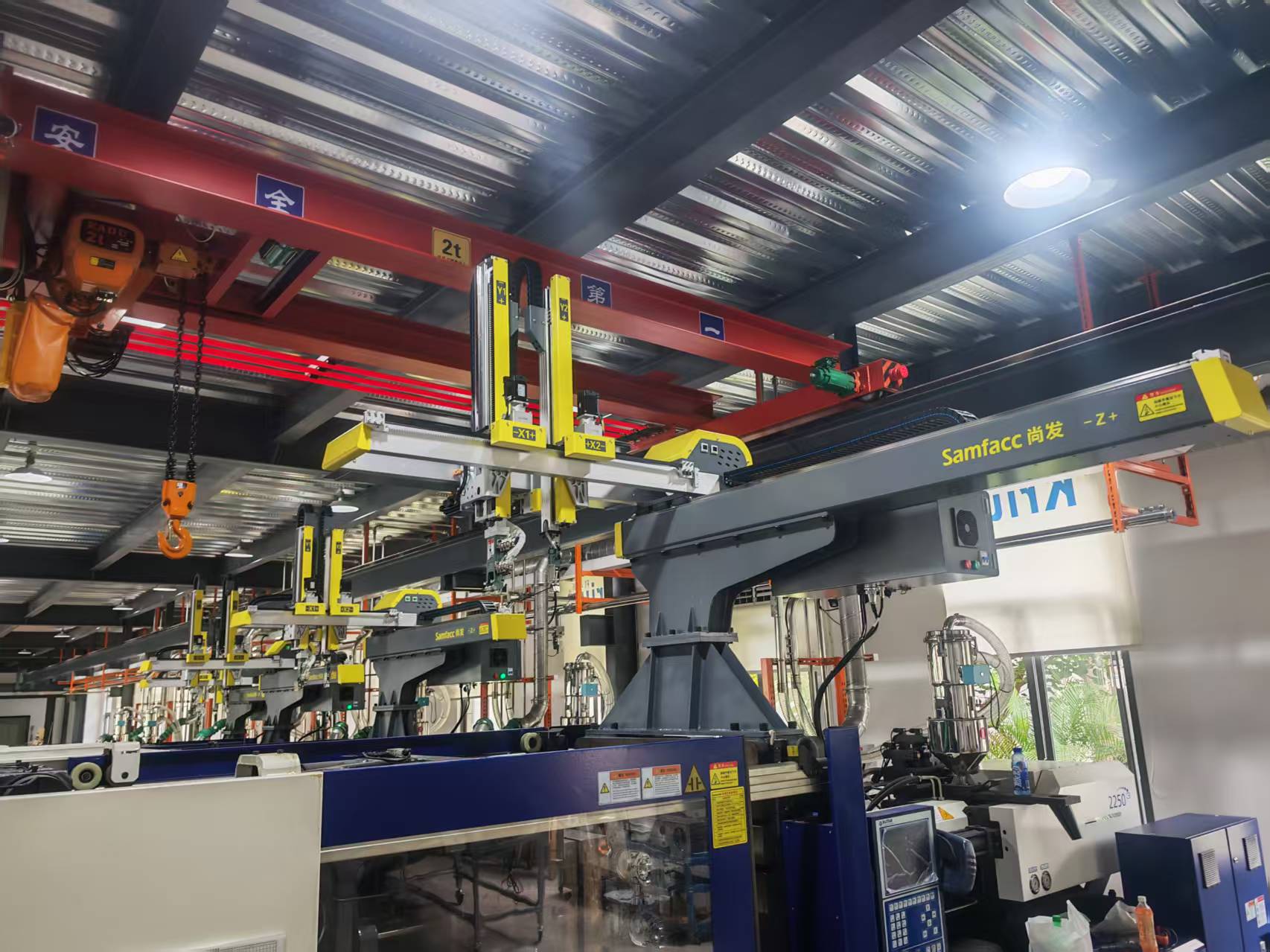
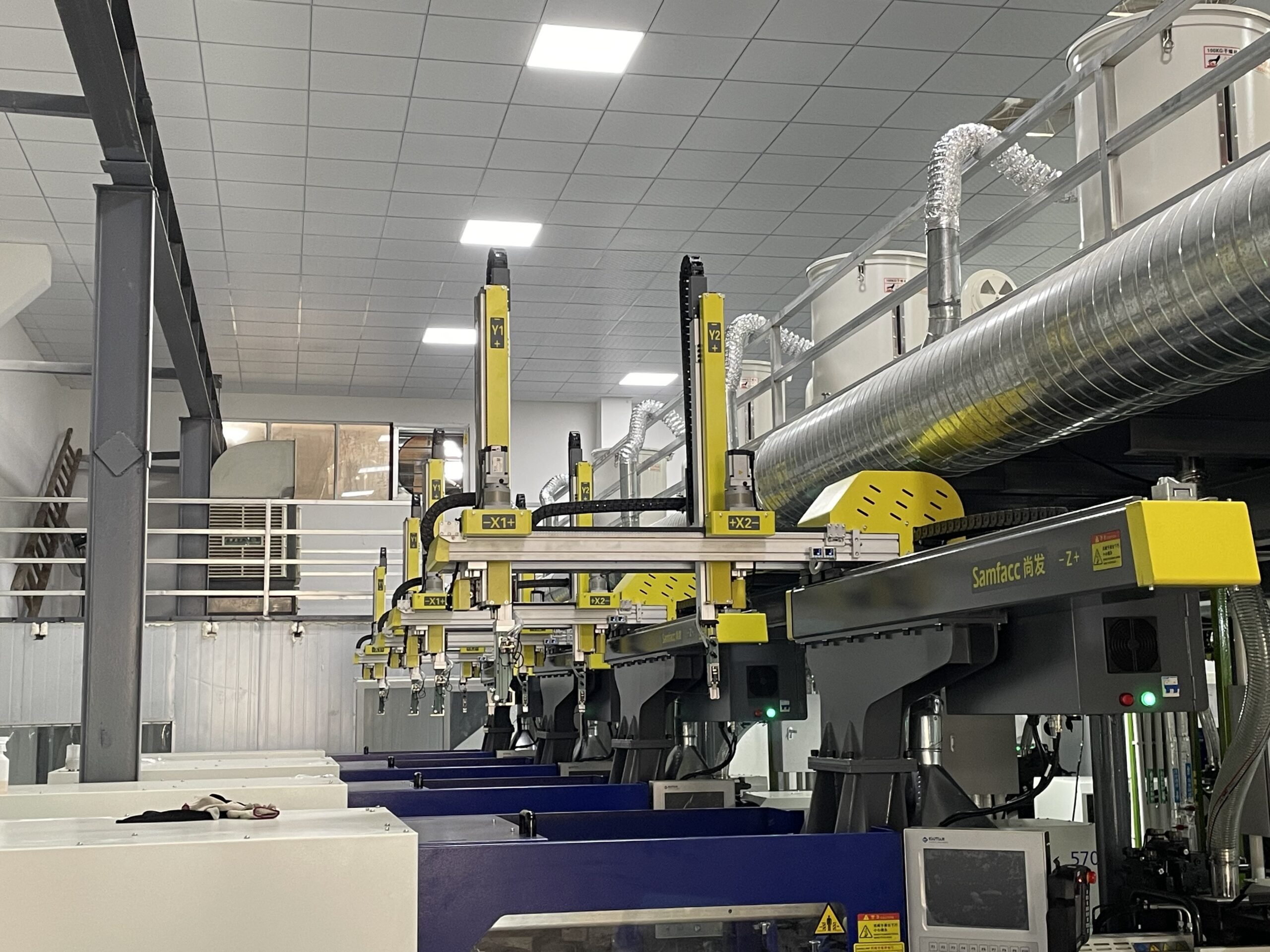
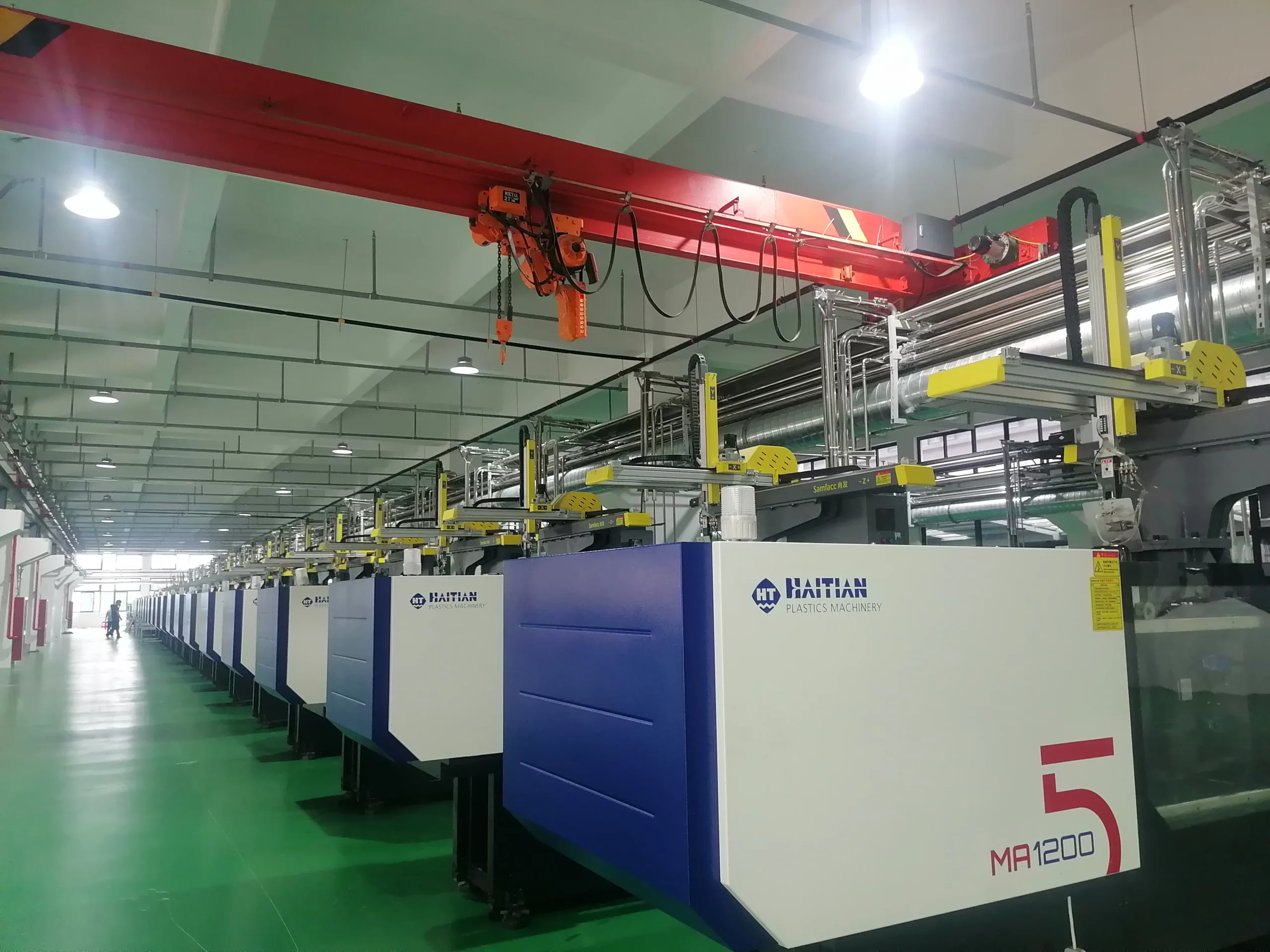
A 5-axis robot arm is an industrial robotic system that uses five independent axes of movement to achieve flexible positioning and operation. Each axis controls a specific movement direction, allowing the robot to rotate, move, and adjust its position during production.
Compared with traditional automation equipment, a 5-axis robot arm provides greater freedom of movement and can access areas that are difficult for fixed machines to reach. This makes it especially valuable for manufacturing environments where products have complex structures or require precise processing.
A typical five-axis robotic system includes:
- Robotic joints and motors
- Mechanical arm structure
- Motion controller
- Programming system
- End-of-arm tools
- Sensors and feedback devices
Through coordinated control of these components, the robot can complete different production tasks with high repeatability and stability.
How Does a 5-Axis Robotic Manipulator Work?
Multi-Axis Motion Control Technology
The core feature of a 5-axis robot arm is its ability to coordinate multiple axes simultaneously. The control system calculates the movement path based on programmed instructions and then adjusts joint positions one by one to ensure precise positioning. This multi-axis movement allows the robotic arm to approach workpieces from different directions. Compared with simple robotic systems, five-axis technology provides better flexibility for complex manufacturing operations. For example, in automated production lines, a 5-axis robotic manipulator can move components between different stations, adjust tool angles, and maintain consistent working accuracy during continuous operations.
Intelligent Programming and Automation Integration
Modern 5-axis robot arm systems are often integrated with industrial software, sensors, and automated production equipment. Through programming, operators can define movement routes, working speed, and task sequences. In smart manufacturing environments, robotic arms can work together with other automation systems to improve production efficiency. Solutions such as robotic assembly systems, industrial handling robots, and automated processing equipment help manufacturers create more flexible production workflows.
Why Choose a 5-Axis Robot Arm for Manufacturing?
Improve Production Flexibility
One major advantage of a 5-axis robot arm is its ability to handle different manufacturing tasks with high adaptability. Instead of using separate machines for each operation, manufacturers can adjust programming and tooling to support different production requirements. This flexibility is especially useful for industries with frequent product changes, customized manufacturing, or small-batch production.
Enhance Accuracy and Repeatability
Precision is essential in modern manufacturing. A 5-axis robot arm can perform repeated movements with consistent accuracy, helping reduce production errors caused by manual operation. For industries such as electronics, automotive components, and precision manufacturing, stable robotic movement can improve product quality and production reliability.
Reduce Repetitive Manual Operations
Many industrial processes require repeated handling, assembly, or processing tasks. A 5-axis robotic manipulator can complete these operations continuously, reducing the workload of operators and improving overall efficiency. By introducing robotic automation, manufacturers can focus human resources on more complex tasks while improving workplace safety and productivity.
What Are the Applications of a 5-Axis Robot Arm?
Automated Assembly and Material Handling
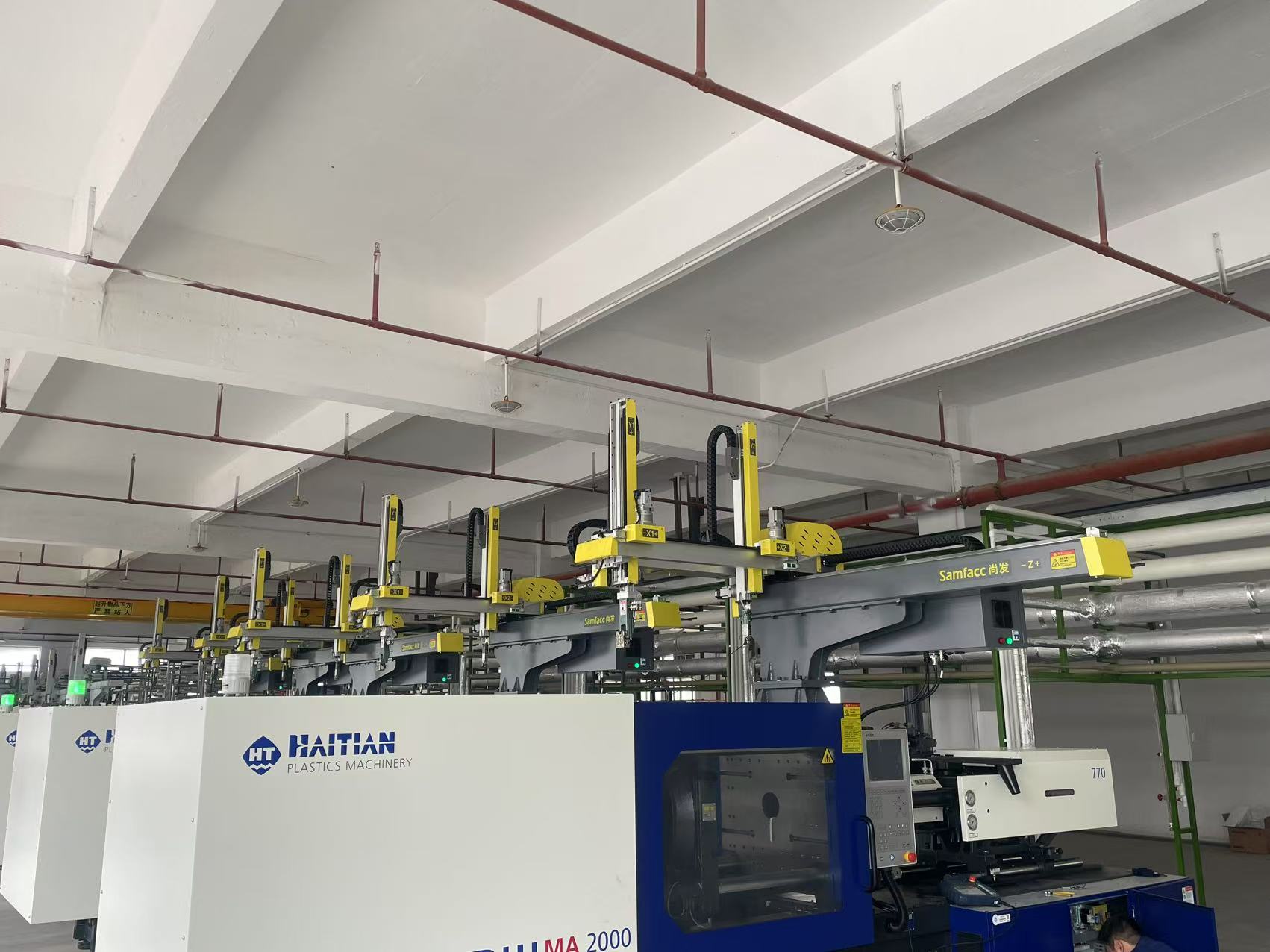
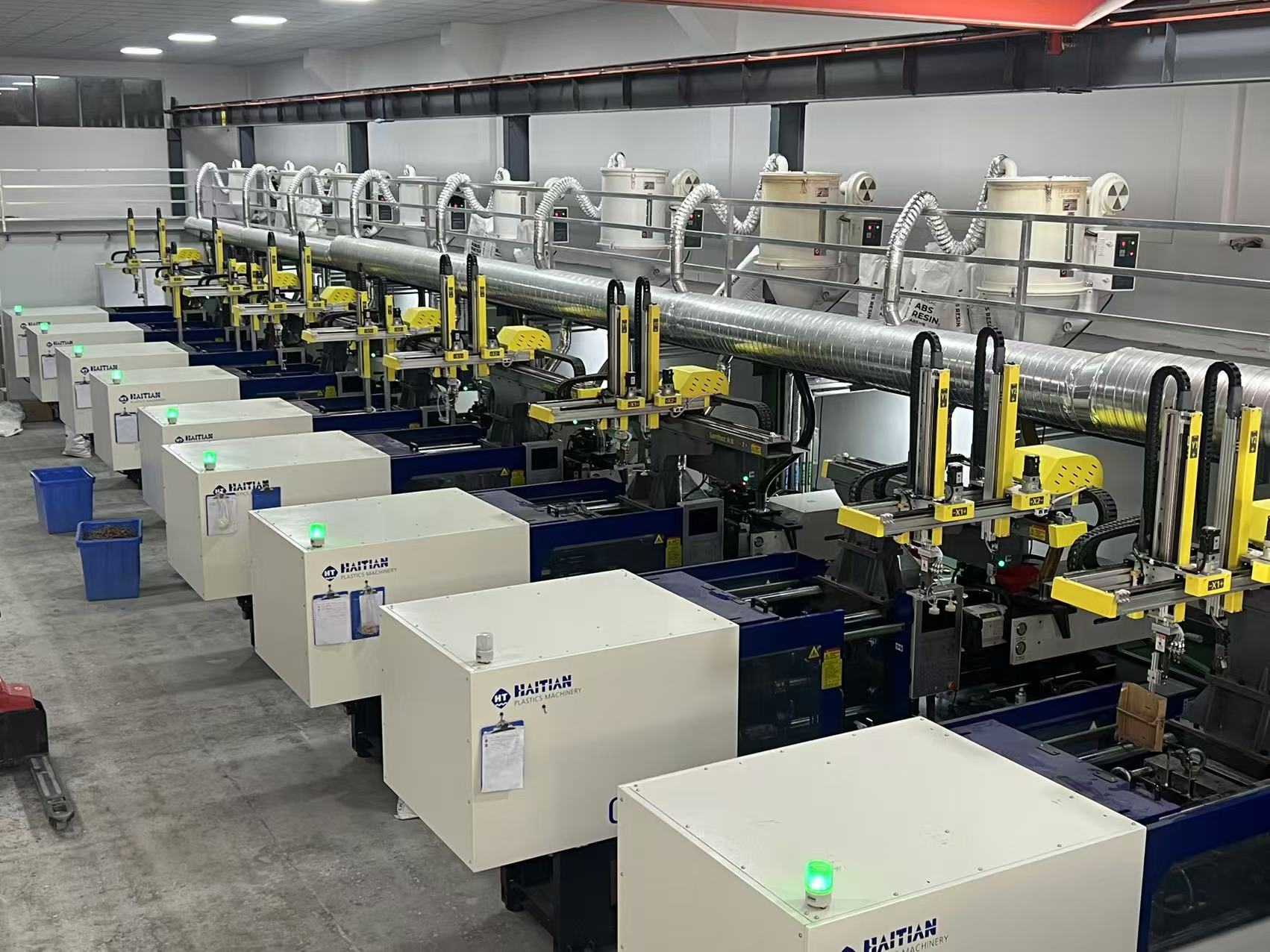
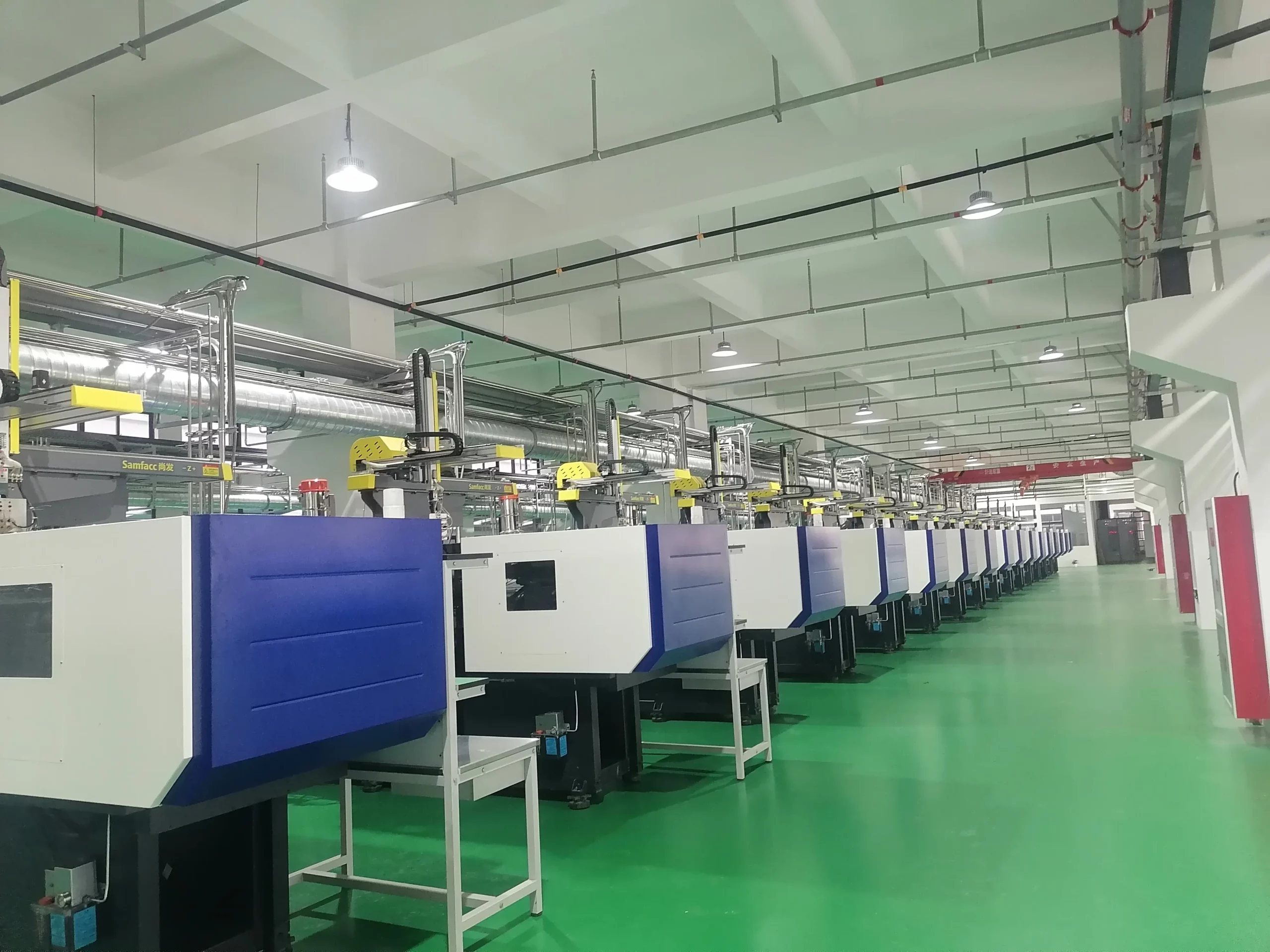
A 5- axis robot arm is widely used for automated assembly and material handling applications. Its flexible movement allows it to pick, position, and transfer components accurately during production. These applications help create smoother and more efficient manufacturing workflows.
In automated factories, robotic arms can support processes such as:
- Component loading and unloading
- Product assembly
- Material transfer
- Packaging operations
- Production line assistance
Precision Manufacturing and Processing
For industries requiring accurate positioning, a 5- axis robot arm provides excellent movement flexibility. The additional axis allows the robotic system to reach different working angles and complete complex operations. In industries such as metal processing and equipment manufacturing, robotic arms can assist with tasks including polishing, inspection, machining support, and automated production operations.
Intelligent Industrial Automation
Driven by smart factories, robotic automation is becoming increasingly interconnected, intelligent, and efficient. Industrial robot solutions, including five-axis robotic arms, can be integrated into automated production systems to improve efficiency and data management. Industrial automation products developed for modern manufacturing environments focus on improving flexibility, reducing production limitations, and supporting intelligent factory upgrades.
5- Axis Robot Arm vs Other Industrial Robot Types
5-Axis Robotic Manipulator vs 4 Axis Robot
A four-axis robot usually provides simpler movement capabilities and is commonly used for basic repetitive tasks. However, a 5- axis robot arm offers additional flexibility and can handle more complicated operations. When production requires better positioning ability and more movement angles, five-axis systems provide stronger adaptability.
5- Axis Robot Arm vs 6 Axis Robot
A six-axis robot provides even greater freedom because it includes one additional movement axis. However, a 5-axis robotic manipulator can provide an effective balance between flexibility, performance, and system complexity. For many industrial applications, five-axis robots are sufficient to complete demanding tasks while maintaining efficient operation and easier programming.
How to Select the Right 5- Axis Robot Arm?
Evaluate Payload and Working Range
Before choosing a 5- axis robot arm, manufacturers should consider the weight of products, tools, and materials involved in production. Selecting the correct specifications helps ensure stable operation.
Important factors include:
- Maximum payload capacity
- Working radius
- Movement speed
- Positioning accuracy
- Operating environment
Consider Production Requirements
Different industries have different automation needs. A 5- axis robot arm used for assembly may require different functions compared with one used for processing or handling. Manufacturers should evaluate production speed, task complexity, integration requirements, and future expansion possibilities before selecting an automation solution.
Check System Compatibility
A suitable 5- axis robot arm should work effectively with existing production equipment. Compatibility with controllers, software systems, and other automation devices is important for building an efficient production line. Industrial automation manufacturers provide different robotic arm configurations to meet various application requirements, including customized solutions for specific production environments.
Conclusion
A 5-axis robot arm provides manufacturers with improved flexibility, precision, and automation capabilities. From assembly and handling to intelligent manufacturing applications, five-axis robotic technology helps businesses improve production efficiency and adapt to changing industrial demands. Choosing the right robotic system requires careful consideration of application requirements, working conditions, payload needs, and future development goals. With professional industrial automation solutions and advanced robotic arm technologies, manufacturers can explore new possibilities for smarter and more efficient production.
For companies looking to upgrade automation processes, learning more about reliable 5-axis robotic manipulator solutions and related industrial robot technologies can be an important step toward building future-ready manufacturing systems.