 English
  Chinese
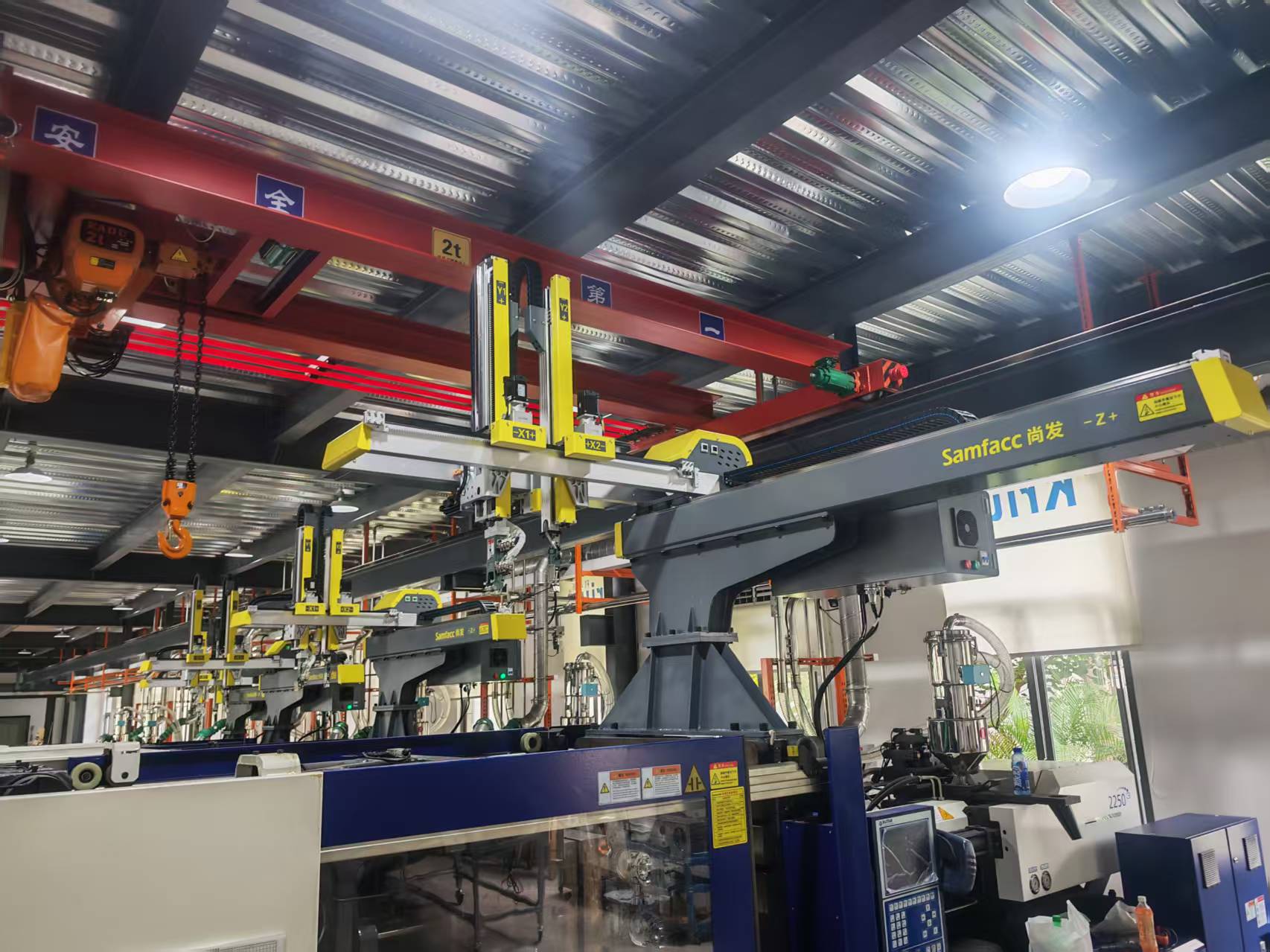
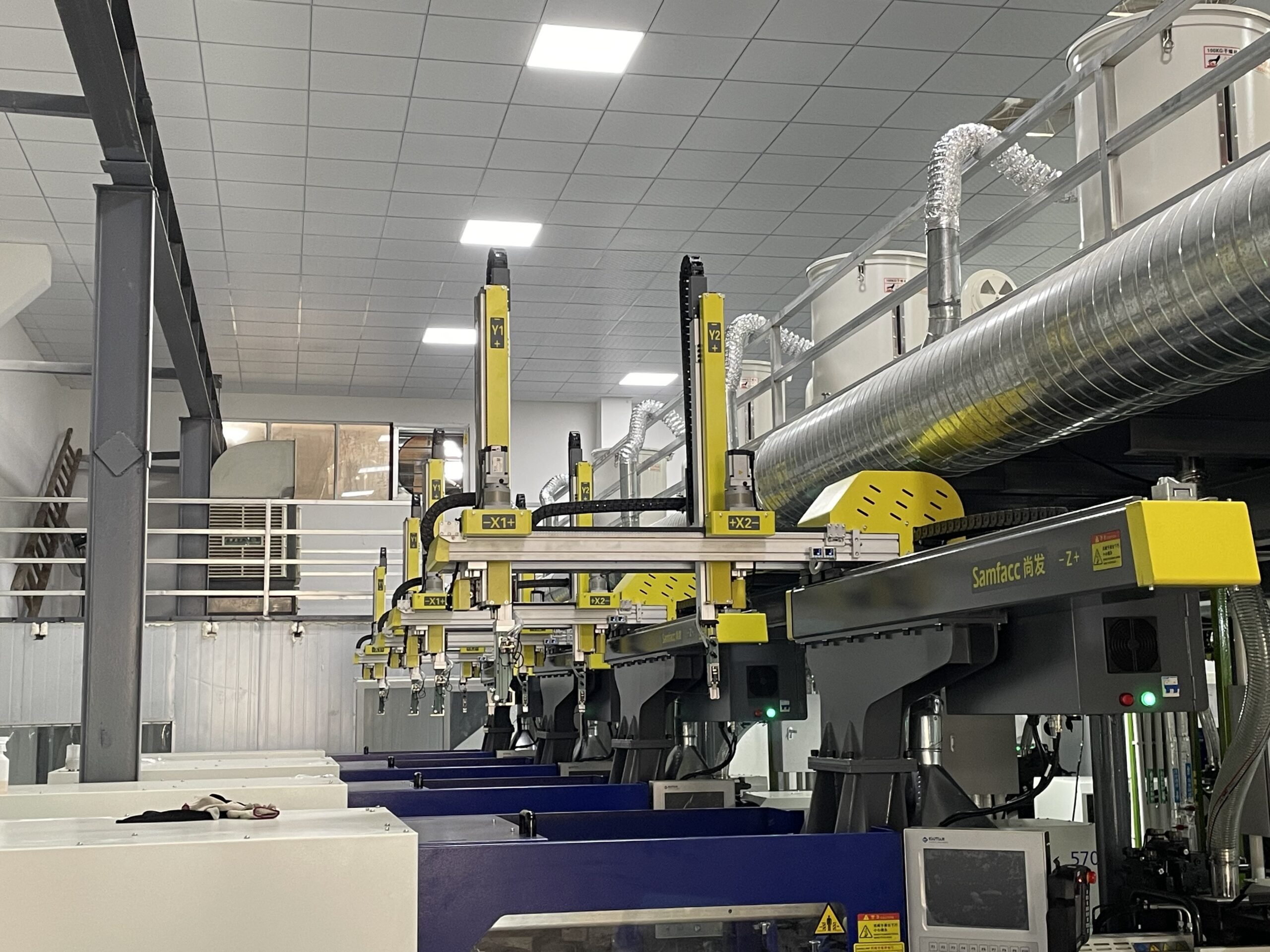
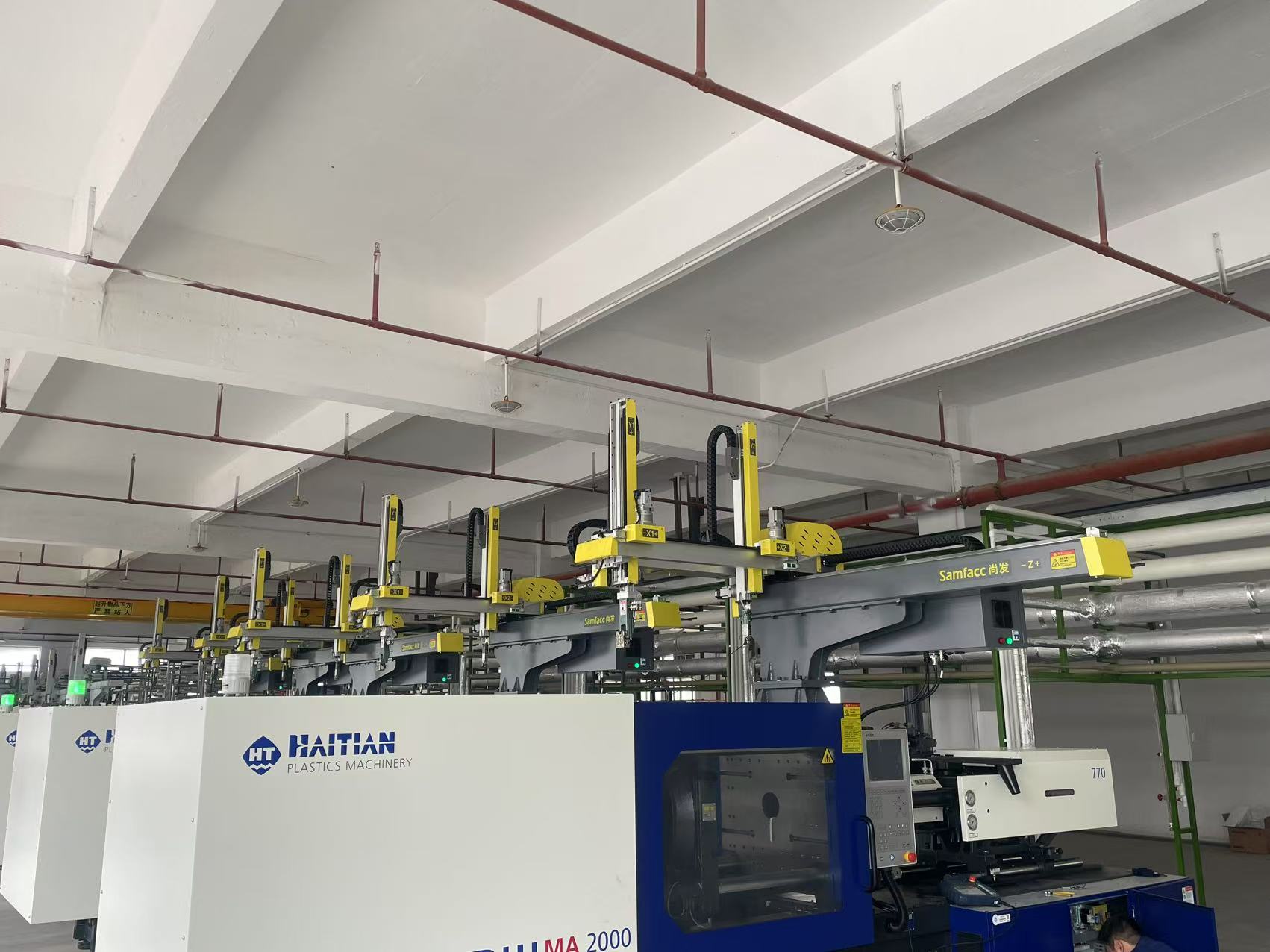
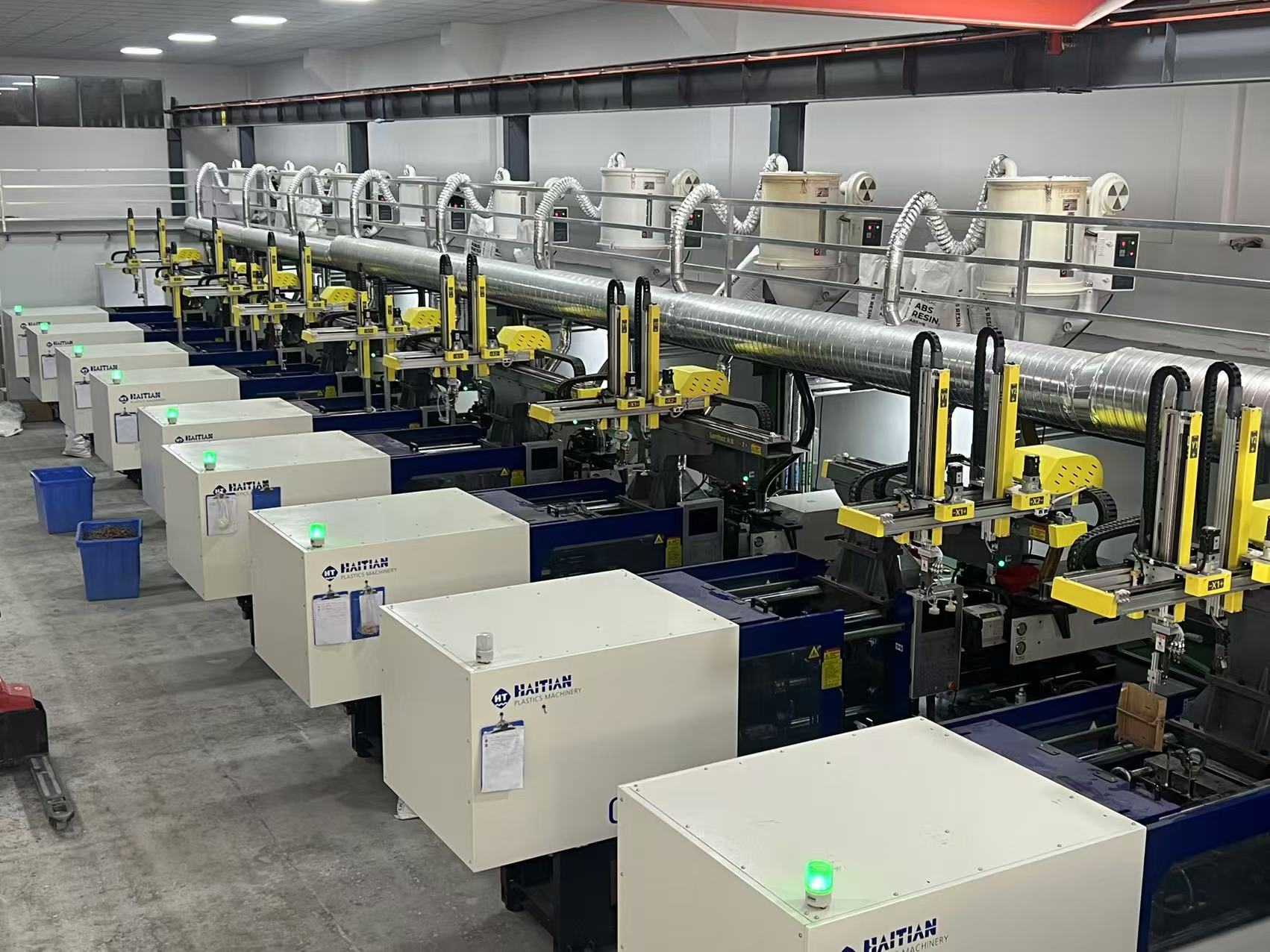
 As we navigate the industrial landscape of 2026, the definition of manufacturing efficiency has evolved dramatically. For modern production facilities, integrating an industrial robot arm is no longer just an option for large corporations; it has become a fundamental necessity for survival and growth. Whether you are managing a high-volume plastic injection molding plant or a precision medical components facility, deploying a factory robot arm directly addresses critical operational bottlenecks. Unlike traditional manual labor, an industrial robot arm provides a level of consistency and speed that is physically impossible for human workers to maintain over long shifts, making it the cornerstone of modern smart manufacturing.
Unmatched Speed with a High-Speed Industrial Robot Arm
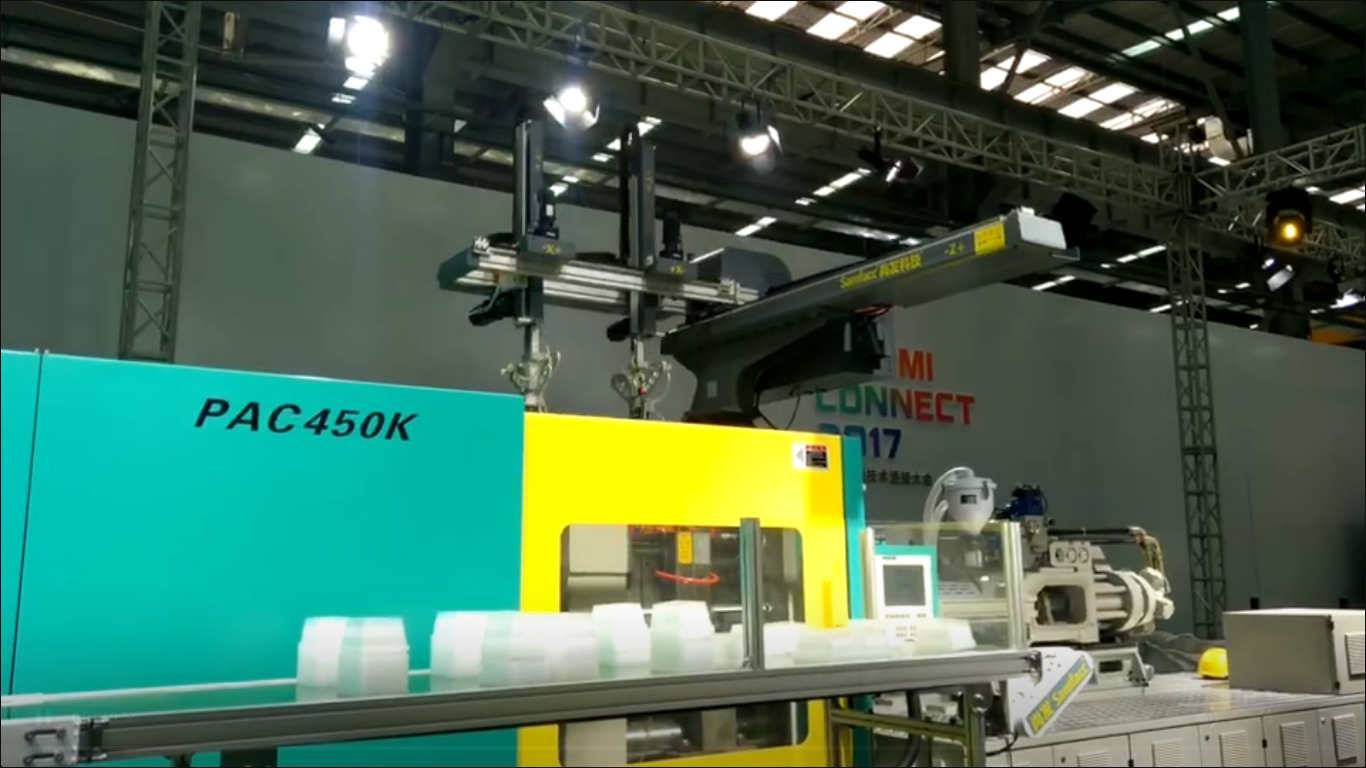
One of the most immediate benefits of upgrading your production line is the dramatic reduction in cycle times. In 2026, the market demand for thin-wall packaging and disposable products requires machinery that can operate at blistering speeds. A specialized side-entry factory robot arm is engineered specifically for this purpose.
- Rapid Extraction: By entering the mold from the side, a high-speed industrial robot arm can extract parts and sprues in under a second.
- Zero Idle Time: This rapid movement ensures that the injection molding machine is never waiting for the extraction process, thereby maximizing the overall output of your facility.
- ROI Boost: The combination of faster cycles and continuous operation significantly boosts your return on investment.
Precision & Quality with Servo Robot Arms
Quality control is another area where automation shines. Modern manufacturing relies on a servo-driven industrial robot arm to achieve micron-level precision.
- Smooth Motion Control: Unlike older hydraulic systems, a servo industrial robot arm utilizes advanced motion control algorithms to ensure smooth acceleration and exact positioning.
- IML Accuracy: This precision is particularly crucial for In-Mold Labeling (IML) applications, where a dedicated IML factory robot arm must place delicate labels into the mold with absolute accuracy before the injection cycle begins.
- Reduced Waste: High-precision handling eliminates label shifting and reduces product rejection rates, ensuring that every item leaving the line meets stringent quality standards.
Enhanced Safety with an Automated Factory Robot Arm
Workplace safety remains a top priority for facility managers, and an automated industrial robot arm is the ultimate solution for mitigating risk. Injection molding involves high temperatures, heavy molds, and repetitive motions that can lead to operator fatigue and injury.
- Risk Removal: By deploying an industrial robot arm to handle part removal, sprue picking, and stacking, you completely remove human operators from the dangerous “line of fire.”
- Smart Sensors: Modern safety interlocks and anti-collision sensors on a factory robot arm ensure that the machine stops instantly if an obstruction is detected.
- Asset Protection: These safety features protect both the workforce and the expensive mold tooling from accidental damage.
Versatility Across Different Industrial Robot Arm Configurations
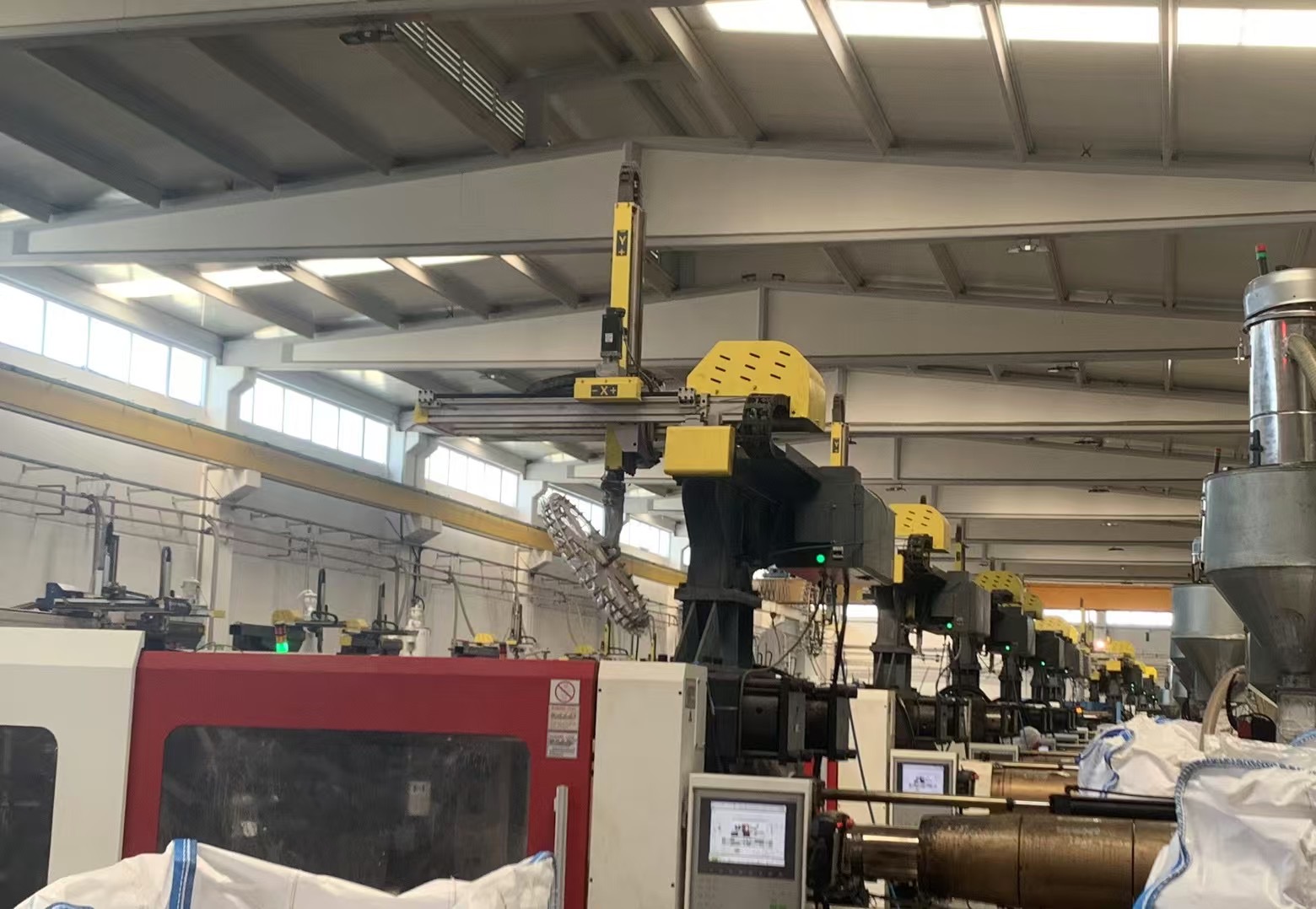
Flexibility is key in 2026, as production runs become shorter and more customized. The versatility of an industrial robot arm allows manufacturers to adapt quickly to different product geometries.
- Space Optimization: For facilities with limited floor space, a vertical industrial robot arm offers a compact footprint by entering the mold from above.
- Heavy-Duty Handling: Conversely, for large-tonnage machines, a robust traverse industrial robot arm can span across the platen to handle heavy automotive parts.
- Quick Changeovers: This adaptability means that a single factory robot arm platform can often be reprogrammed and re-tooled for multiple products, reducing changeover times and increasing overall equipment effectiveness (OEE).
Smart Integration with a Connected Industrial Robot Arm
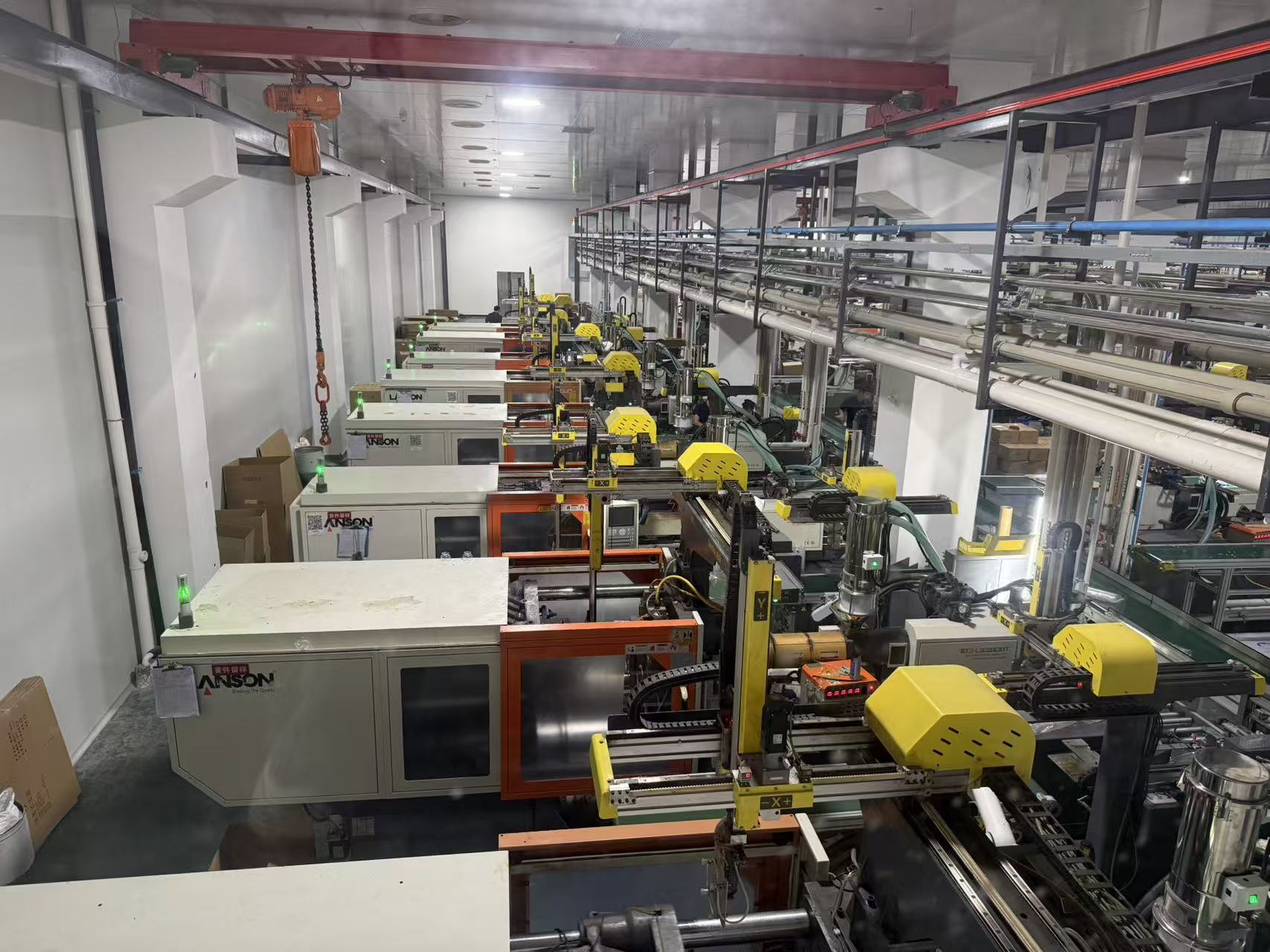
The future of manufacturing is connected, and the modern factory robot arm acts as the central hub of this digital ecosystem. In 2026, a smart industrial robot arm does not operate in isolation; it communicates seamlessly with peripheral equipment.
- Peripheral Sync: Through standardized I/O interfaces, an industrial robot arm can synchronize its movements with downstream processes like conveyors and stacking machines.
- Automated Cells: This integration creates a cohesive automated cell that transforms raw resin into finished, packaged goods with minimal human intervention.
- Lights-Out Manufacturing: A fully connected industrial robot arm paves the way for true “lights-out” manufacturing, where production can continue unmonitored.
Comparing Factory Robot Arm Configurations
To help you visualize the best fit for your production needs, here is a comparison of common factory robot arm types:
| Feature | Traverse Robot Arm | Side-Entry Robot Arm | Vertical Robot Arm |
| Primary Use | General part/sprue removal | High-speed thin-wall, IML | Space-constrained areas |
| Speed | Moderate to Fast | Extremely Fast | Moderate |
| Space Needed | Standard lateral space | Requires side clearance | Minimal floor footprint |
| Best Application | Automotive, Consumer Goods | Packaging, Medical, Cutlery | Tight machine layouts |
Conclusion
For more insights into industrial automation and to explore our comprehensive range of injection molding solutions, we invite you to follow Samfacc. Stay connected with us for the latest updates on robotics technology and expert advice to optimize your manufacturing processes.