 English
  Chinese
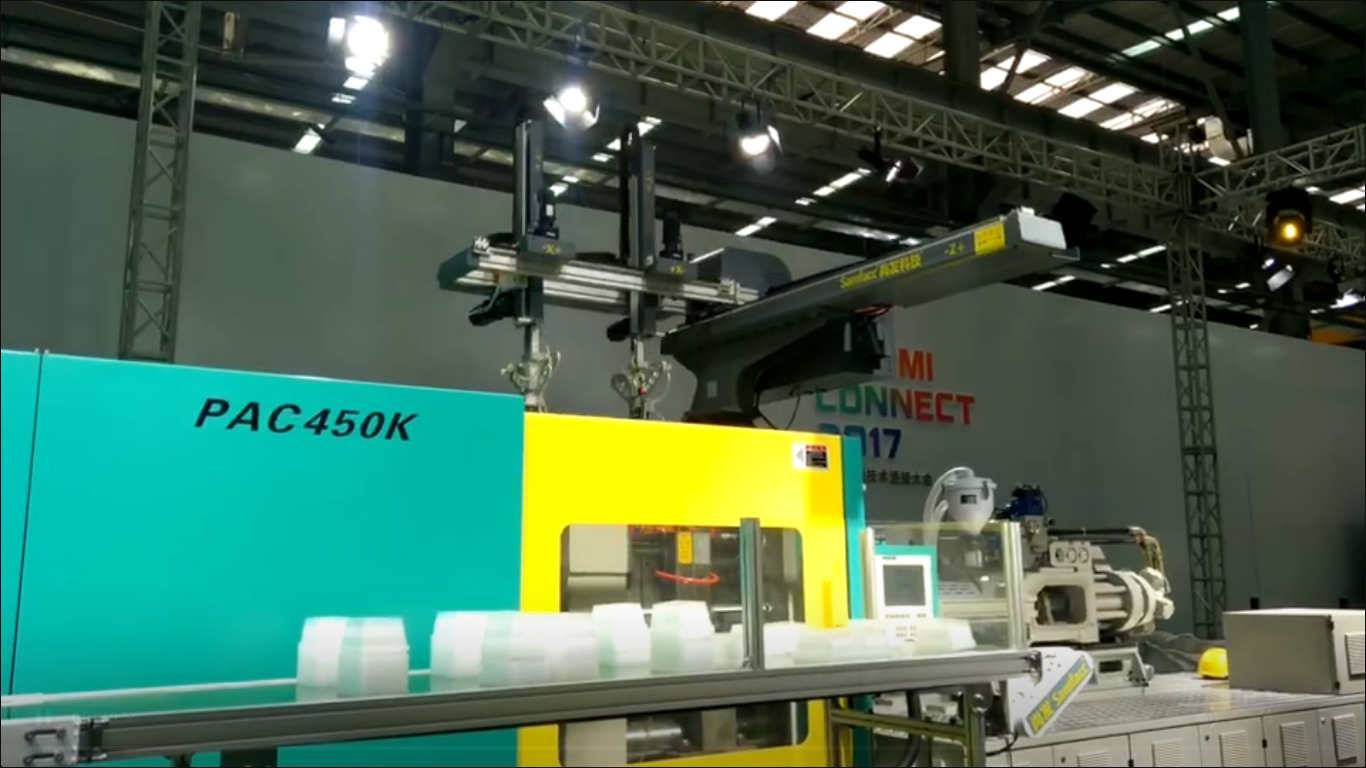
 In the fast-paced world of plastic manufacturing, the automated pick and place machine has become the backbone of automation. Whether you are looking to reduce labor costs in a packaging line or ensure precise part removal from an injection mold, selecting the right type of robot arm is critical. This guide cuts through the technical jargon to help you understand the different structures, speed requirements, and application scenarios for a pick and place robot, ensuring you make an investment that boosts efficiency without compromising on safety. Ultimately, the right automation strategy not only streamlines your daily operations but also secures a strong return on investment in a highly competitive market.
Understanding the Robot Arm Type Structures
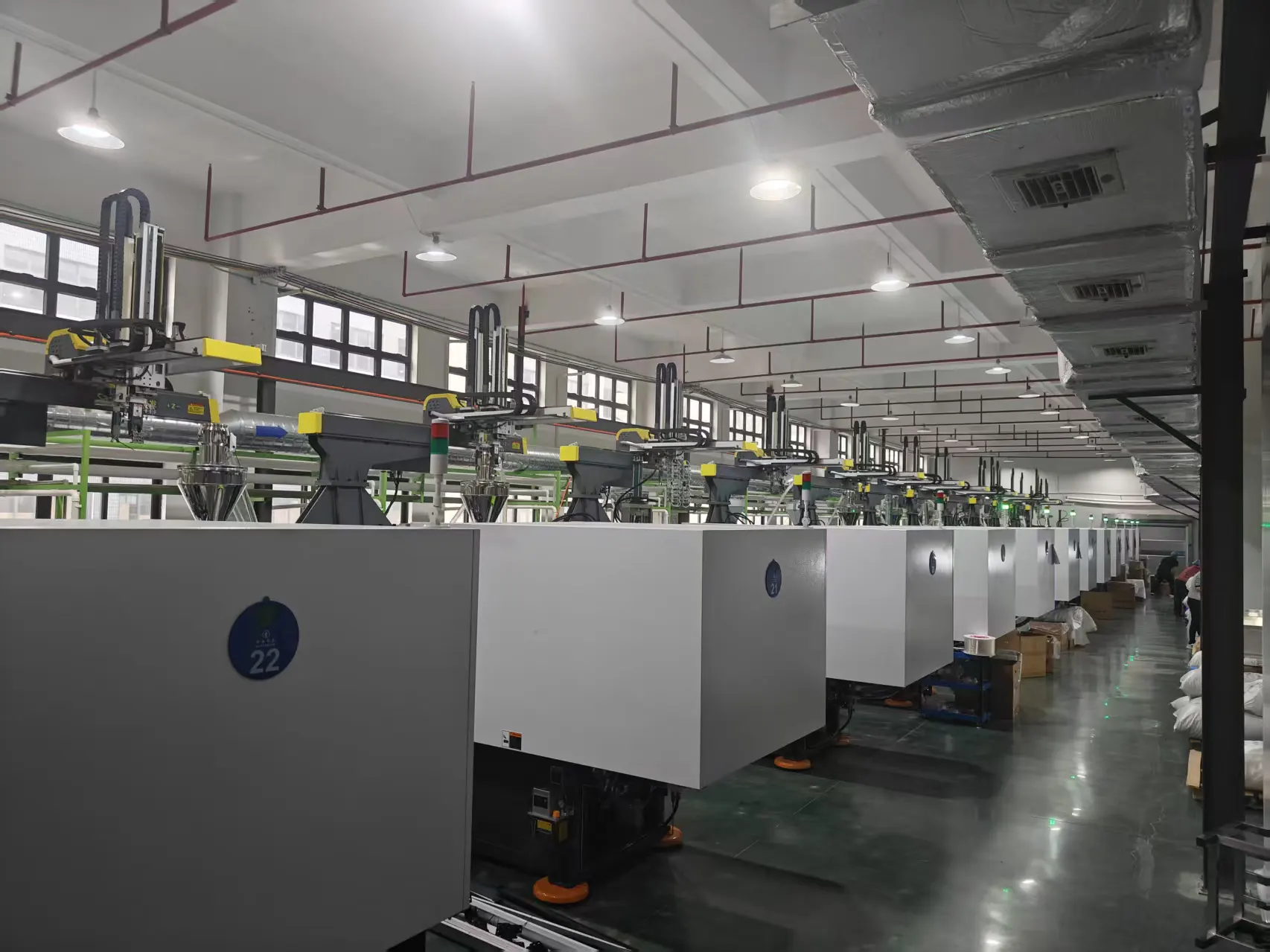
The term “pick and place robot” encompasses several distinct mechanical designs. Each design serves a specific purpose depending on the layout of your factory and the cycle time of your injection molding machine (IMM).
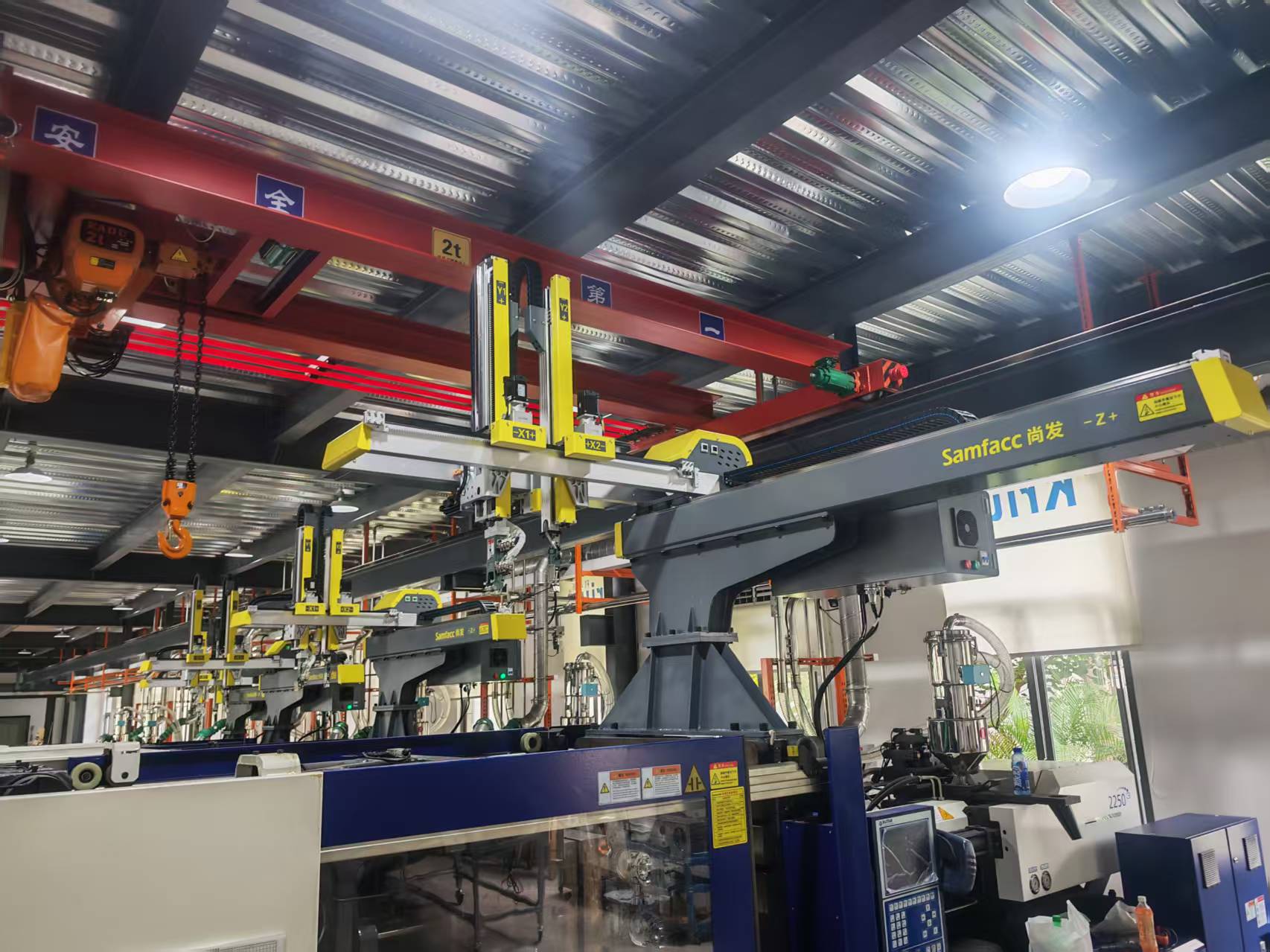
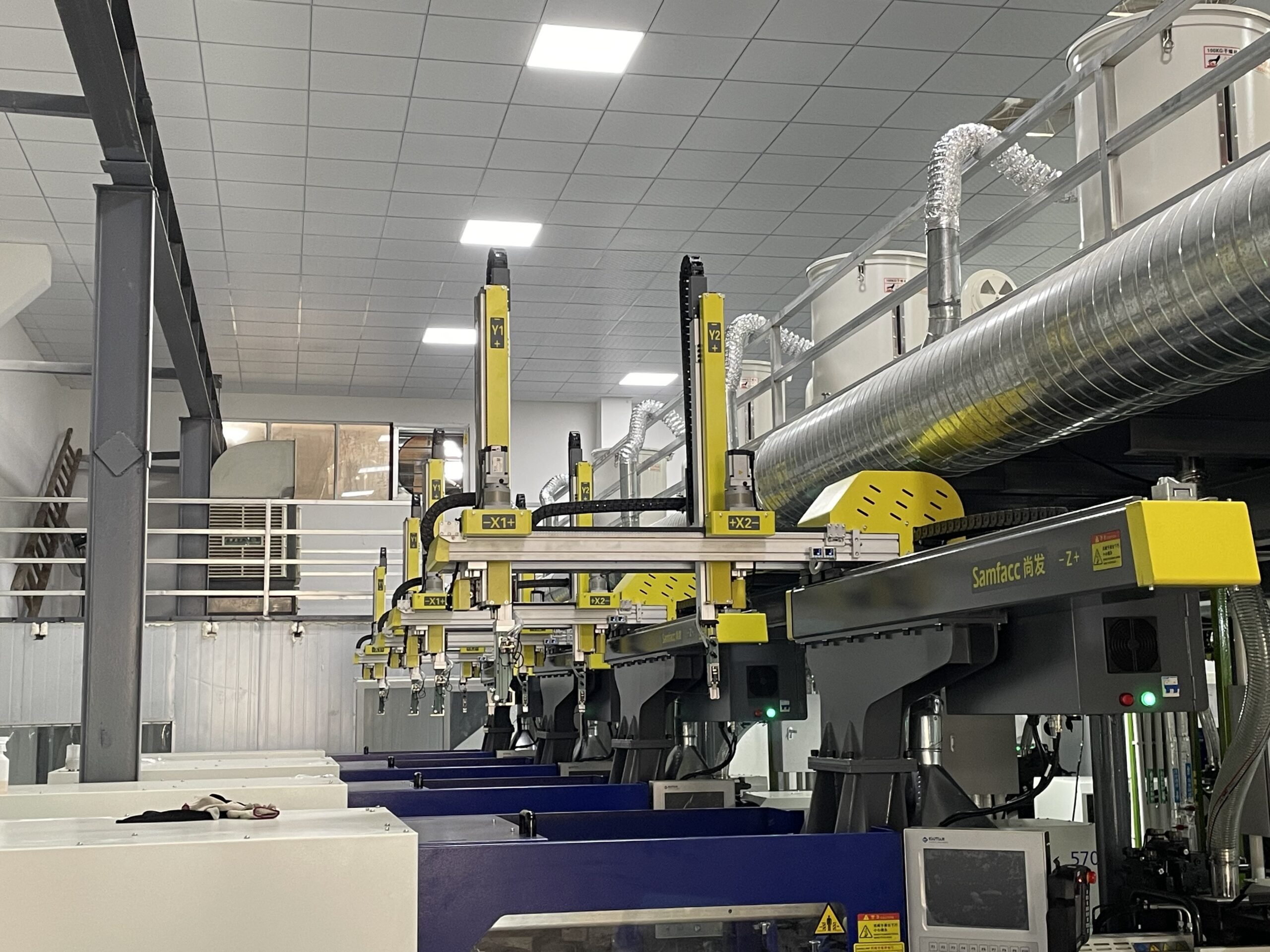
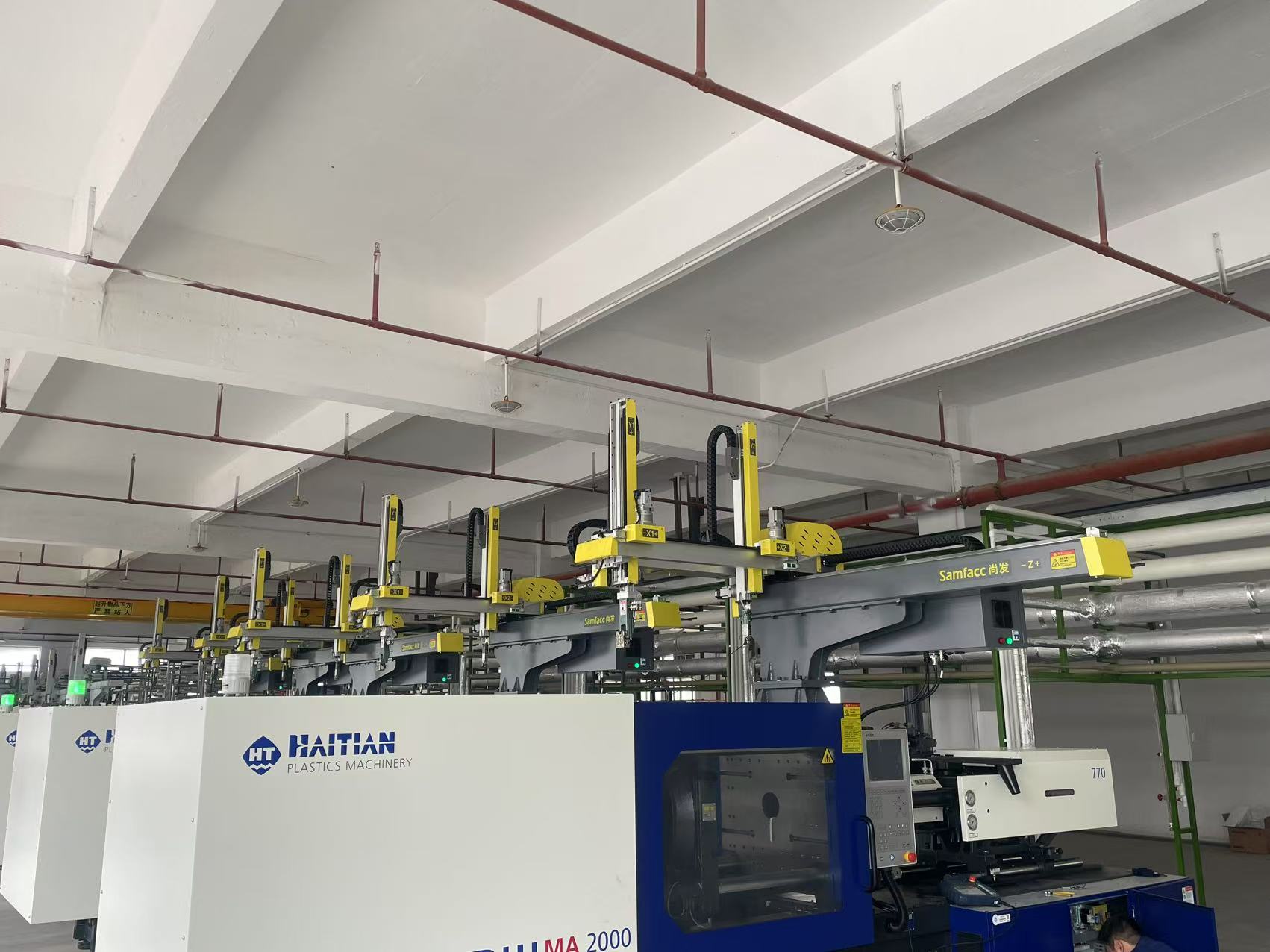
- Traverse Robots (Gantry/ Cartesian): This is the most common pick-and-place robot configuration for standard injection molding. It moves across the mold, extracts the finished product, and places it outside the machine. It is highly flexible and can be programmed for complex movements like sprue removal or stacking.
- Side-Entry Robots: Designed for high-speed packaging molds, this pick and place robot enters and exits the mold space laterally at very high speeds. It is ideal for minimizing cycle time in thin-wall container production.
- Vertical Robots: When floor space is limited at the side of the press, a vertical handling robotic arm is the solution. It operates from above, entering the mold vertically to take the part and exiting upwards, preventing interference with adjacent equipment.
- Delta (Parallel) Robots: Although not explicitly detailed in the source material, these are crucial for high-speed sorting and packaging downstream, often working in tandem with the primary extraction robot.
Key Advantages of Automation in Production
Integrating a pick and place robot into your production line offers far more than just replacing human labor; it fundamentally transforms the quality and consistency of your output. By eliminating the inherent variability of manual extraction, manufacturers can unlock a new level of operational excellence.
- Stable Repeatability: A servo-controlled pick and place robot ensures that every part is removed with the same force and trajectory, protecting delicate multi-cavity molds from damage caused by human error or fatigue.
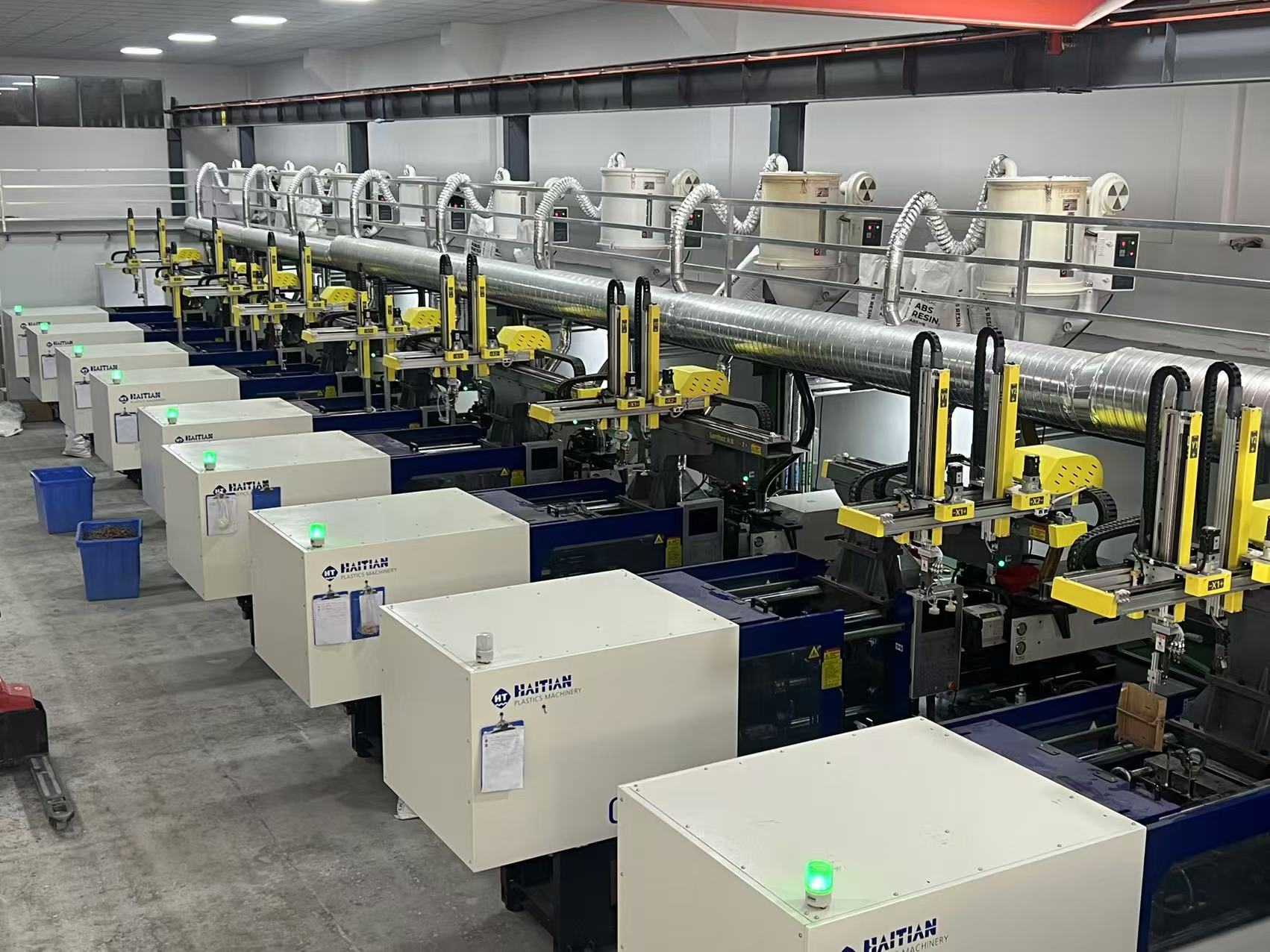
- 24/7 Production Capability: Unlike human operators, a robotic pick-and-place robot can run continuously, maximizing the utilization of your expensive injection molding machinery.
- Enhanced Safety: By removing the need for operators to reach into the press area, a handling robotic arm creates a much safer working environment, significantly reducing the risk of accidents.
Matching the Robot to Your Usage Scenario
Different industries require different specifications from a handling robotic arm. A one-size-fits-all approach rarely works, so understanding these nuances is essential to prevent bottlenecks. Here is how to match the machine to your specific needs:
For Automotive and General Housewares:
If you are producing automotive clips or medium-sized housewares, a standard pick and place robot with a traverse structure is usually sufficient. These robots offer a good balance of speed and payload capacity. Look for models with smooth servo control on every axis to handle parts gently.
For High-Speed Packaging and Thin-Wall Containers:
In the packaging industry, speed is everything. For disposable cutlery, spoons, or thin-wall food containers, you need a high-speed automated pick and place machine. These units are specifically engineered for rapid in-and-out movements. Some advanced systems even integrate counting and bagging functions directly into the pick-and-place robot workflow, creating a seamless “mold-to-package” solution.
For In-Mold Labeling (IML) and Decoration:
IML applications demand extreme precision. A specialized pick and place robot for IML jobs must place the label flat into the open mold with high accuracy before the injection cycle begins. The rigidity of the robot arm type is crucial here to prevent label wrinkling.
Why Choose Specific Robot Arm Type Solutions
When planning your automation, focusing on the “robot arm type” structure is often more important than just looking at the brand. The physical structure dictates the footprint, speed, and reach of the machine, directly impacting your factory’s layout and workflow. To make the best choice, consider the following structural configurations:
- Vertical or Side-Entry Designs: If your factory has multiple machines arranged closely together, space is at a premium. In these tight layouts, a pick and place robot with a vertical or side-entry design might be necessary to avoid collisions with neighboring equipment.
- Traverse Configurations: Conversely, if you need to stack products or transfer them to a downstream conveyor, a traverse pick-and-place robot offers the extended reach and flexibility required to bridge the gap between machines.
Conclusion: Planning Your Automation Strategy
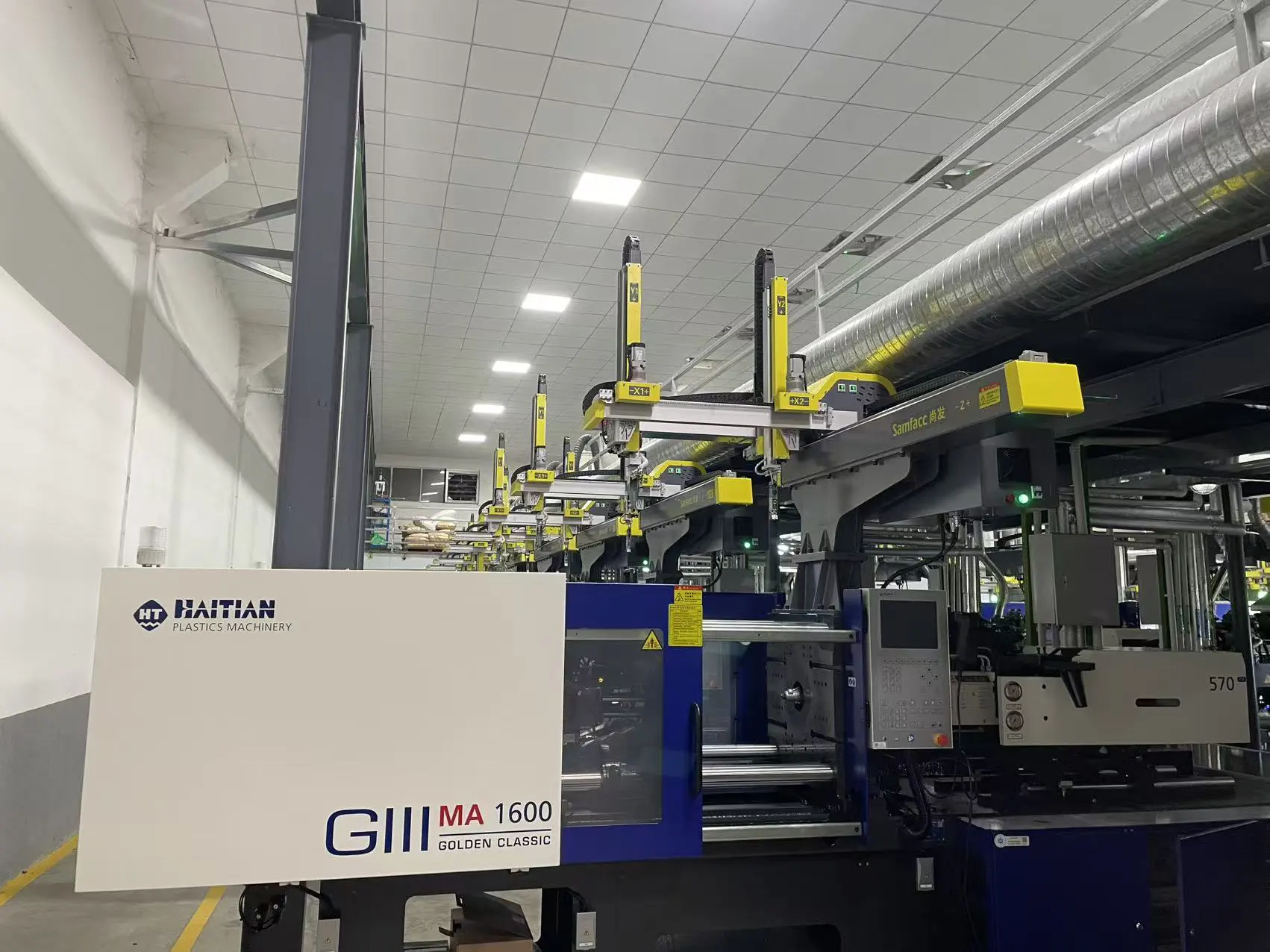
Selecting the right pick-and-place robot requires a deep understanding of your production constraints, including clamp size, ejector stroke, and available floor space. It is not just about buying a machine; it is about choosing a solution that integrates seamlessly with your existing injection molding presses. By focusing on the specific advantages of each robot arm type and matching them to your usage scenarios, you can achieve a stable, efficient, and safe automated production line. Ready to optimize your manufacturing capabilities? Discover our comprehensive range of high-performance pick and place robot solutions at Samfacc. Visit our website today to find the perfect automation system tailored to your specific needs.