分拣机器人如何提升智能制造水平?

With the rapid development of industrial automation, manufacturers are looking for smarter ways to improve production efficiency and reduce repetitive manual operations. A sorting robot has become an important automation solution for handling, identifying, and separating different materials with higher speed and accuracy.

Modern factories use sortation robots to optimize production lines, improve consistency, and support intelligent manufacturing systems. This article explains how sortation robots work, their applications, key advantages, and how they help industries achieve more efficient automated production.

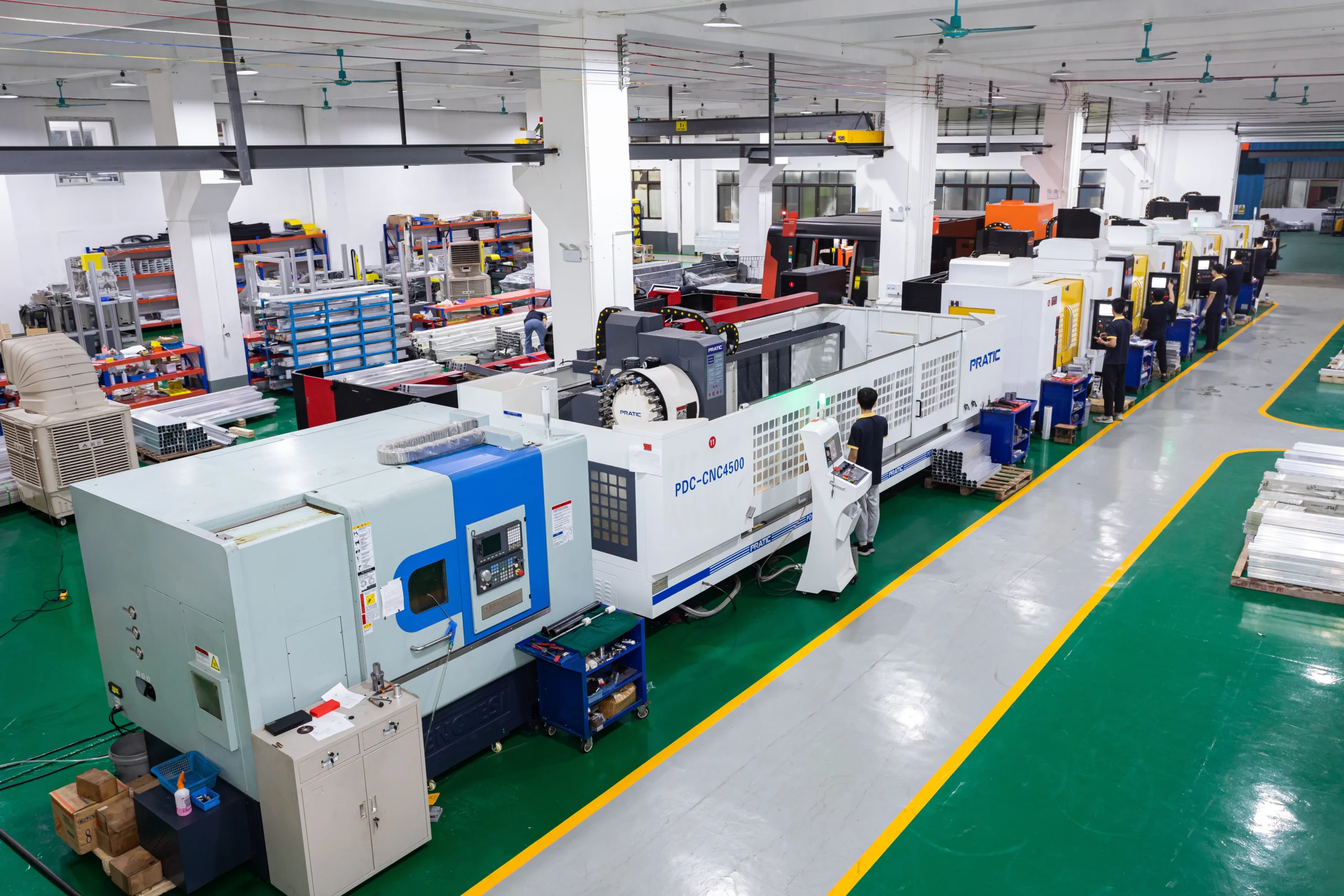
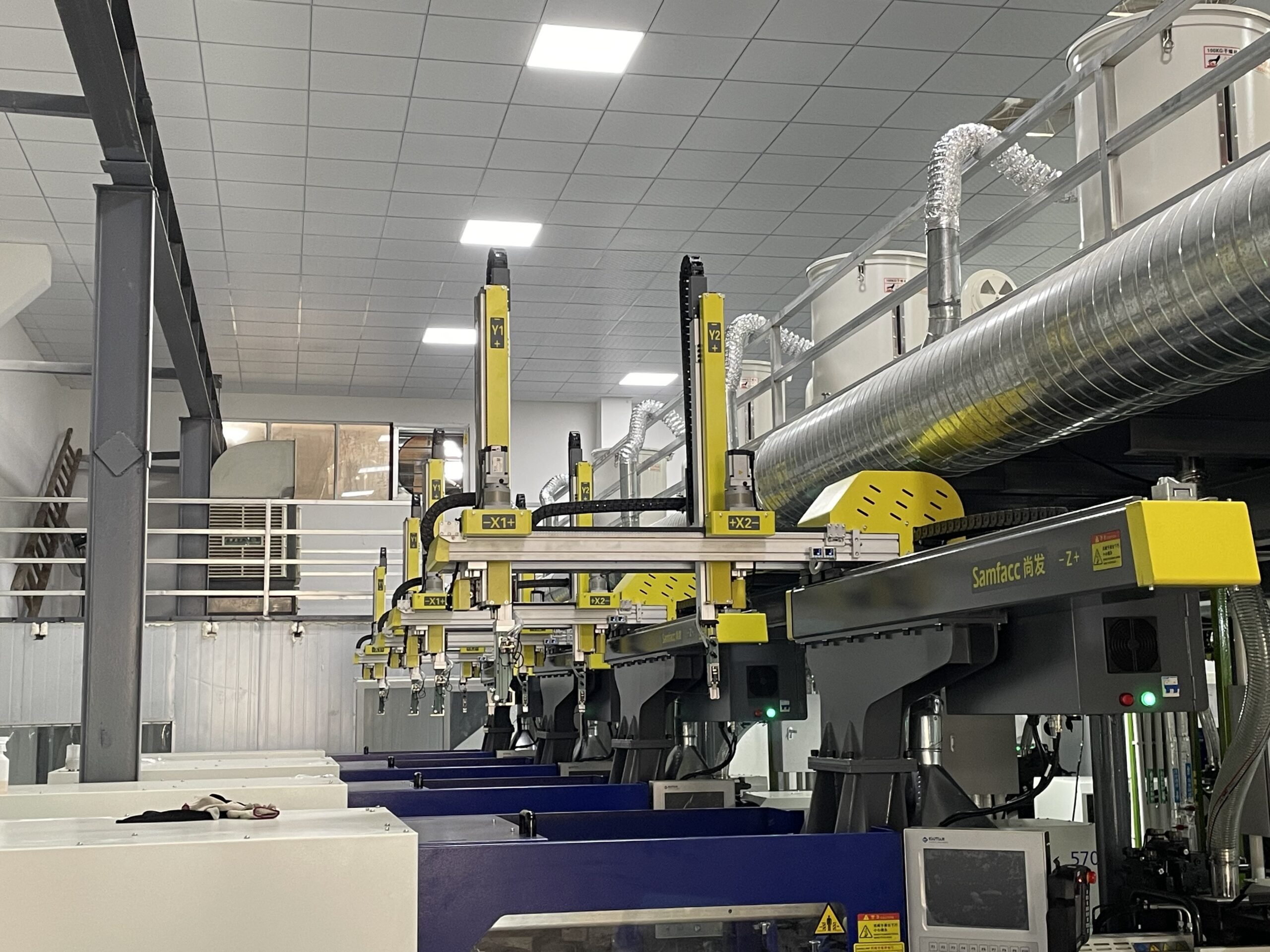
Sorting Robot (2)

What Is a Sortation Robot and How Does It Work?

This type of robot is an automated machine designed to identify, pick, move, and classify different products or materials according to preset requirements. It combines mechanical structures, control systems, sensors, and intelligent software to complete sorting tasks.

The Working Process of Sorting Robots

The operation process of a robot usually includes several steps:

  • Detection: Sensors or vision systems collect information about objects.
  • Recognition: The control system analyzes product features such as size, shape, color, or position.
  • Decision-making: The robot determines the correct sorting method according to programmed instructions.
  • Handling: The robotic arm or end tool moves products to the designated location.

Through automated control, the robot can complete continuous sorting tasks while maintaining stable performance.

Why Are Sorting Robots Important for Smart Manufacturing?

Smart manufacturing requires production systems that are flexible, efficient, and data-driven. Traditional manual sorting methods may face challenges such as inconsistent accuracy, labor limitations, and reduced efficiency in large-scale production.

Key Advantages of Sorting Robot Technology

A modern sorting robot provides several benefits for industrial automation:

  • Higher sorting accuracy: Automated systems reduce errors caused by manual operation.
  • Improved production speed: Robots can operate continuously without fatigue.
  • Flexible applications: Different robotic configurations can adapt to various production environments.
  • Better workplace efficiency: Workers can focus on higher-value tasks instead of repetitive handling.
  • Stable quality control: Automated sorting helps maintain consistent production standards.

These advantages make these robots suitable for factories that need reliable automation solutions.

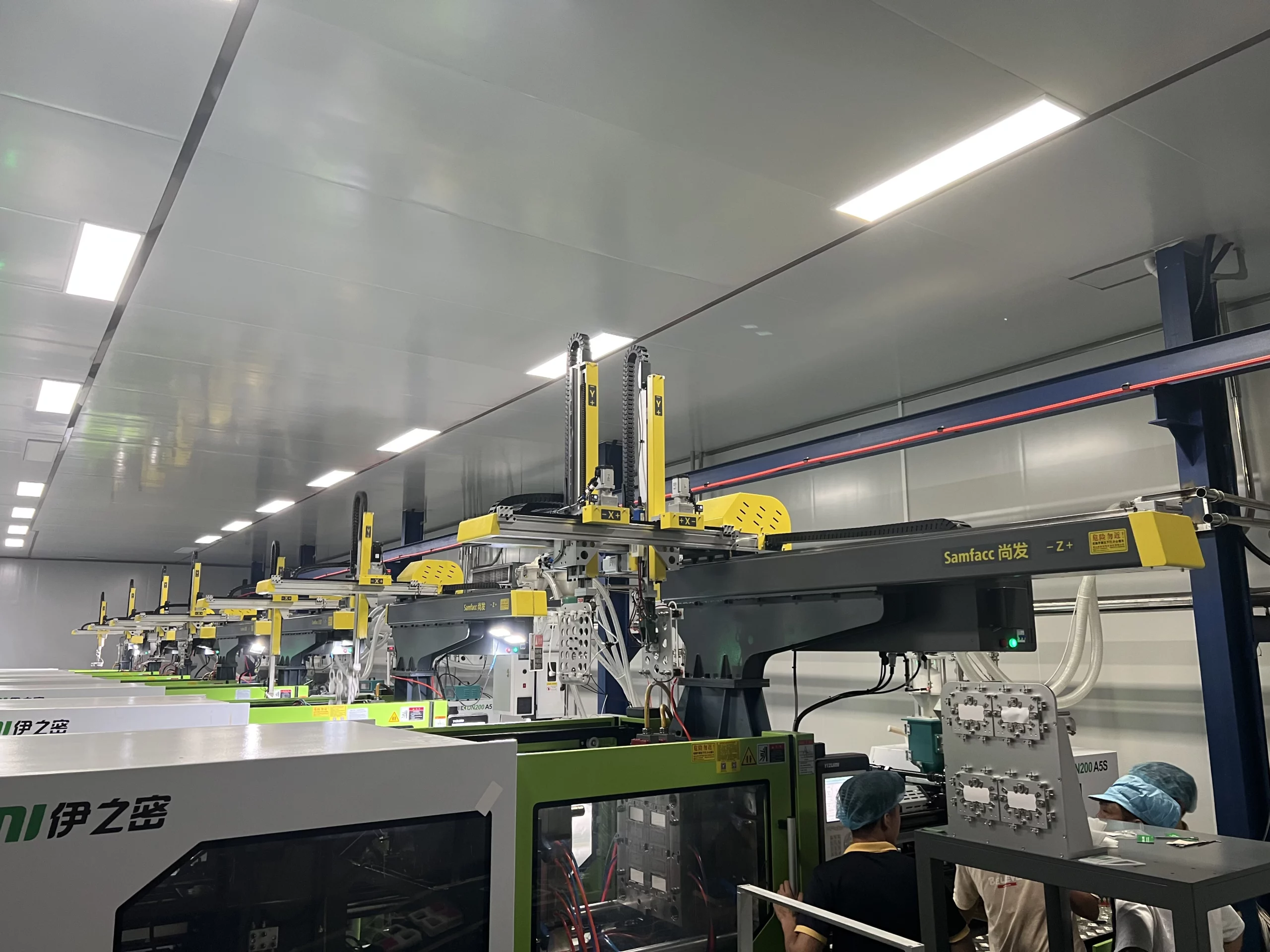
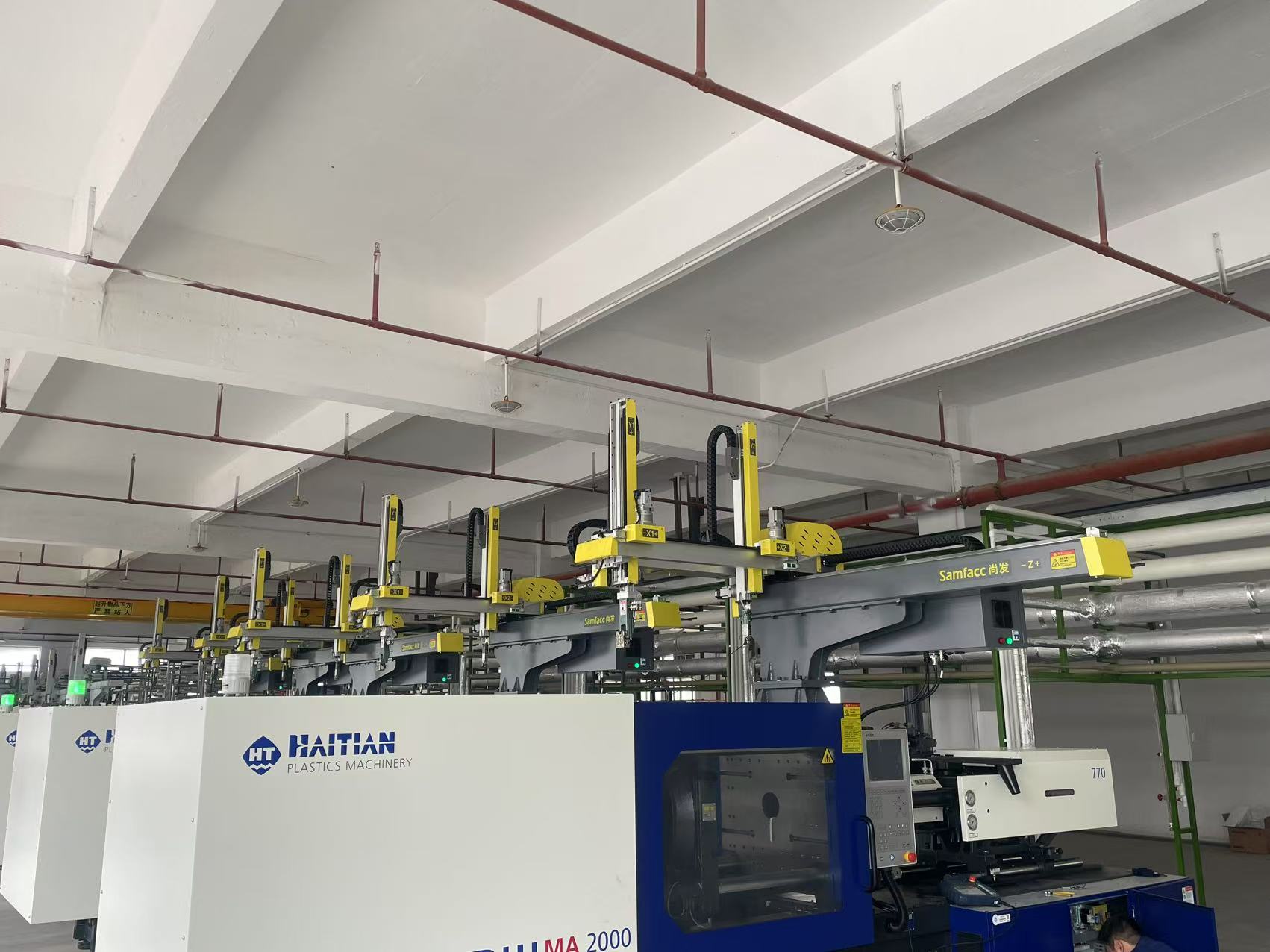
Sorting Robot (1)

What Industries Use Sorting Robots?

The application range of sortation robots continues expanding as automation technology develops. Robotic sorting systems are now being used across various industries to make workflows faster and more efficient.

Manufacturing and Assembly Industries

In manufacturing environments,  these robots can assist with component classification, material handling, and production line organization. Helps factories optimize production coordination and significantly eliminate inefficient, repetitive manual movement.

Logistics and Warehousing

Warehouses require fast and accurate product classification. A sortation robot can help separate packages, components, or goods according to different categories, improving overall logistics efficiency.

Electronics and Precision Industries

For industries requiring high precision, these sorting robots offer exceptionally stable motion control and consistent accuracy, making the handling of small parts and delicate products effortless.

How Can Sortation Robots Support Automated Production Lines?

Modern sorting robots are often integrated with industrial automation systems to improve production flexibility. Equipped with an intelligent control system, the robotic arm can not only perform material sorting, product handling, and loading/unloading, but also carry out various repetitive production tasks.

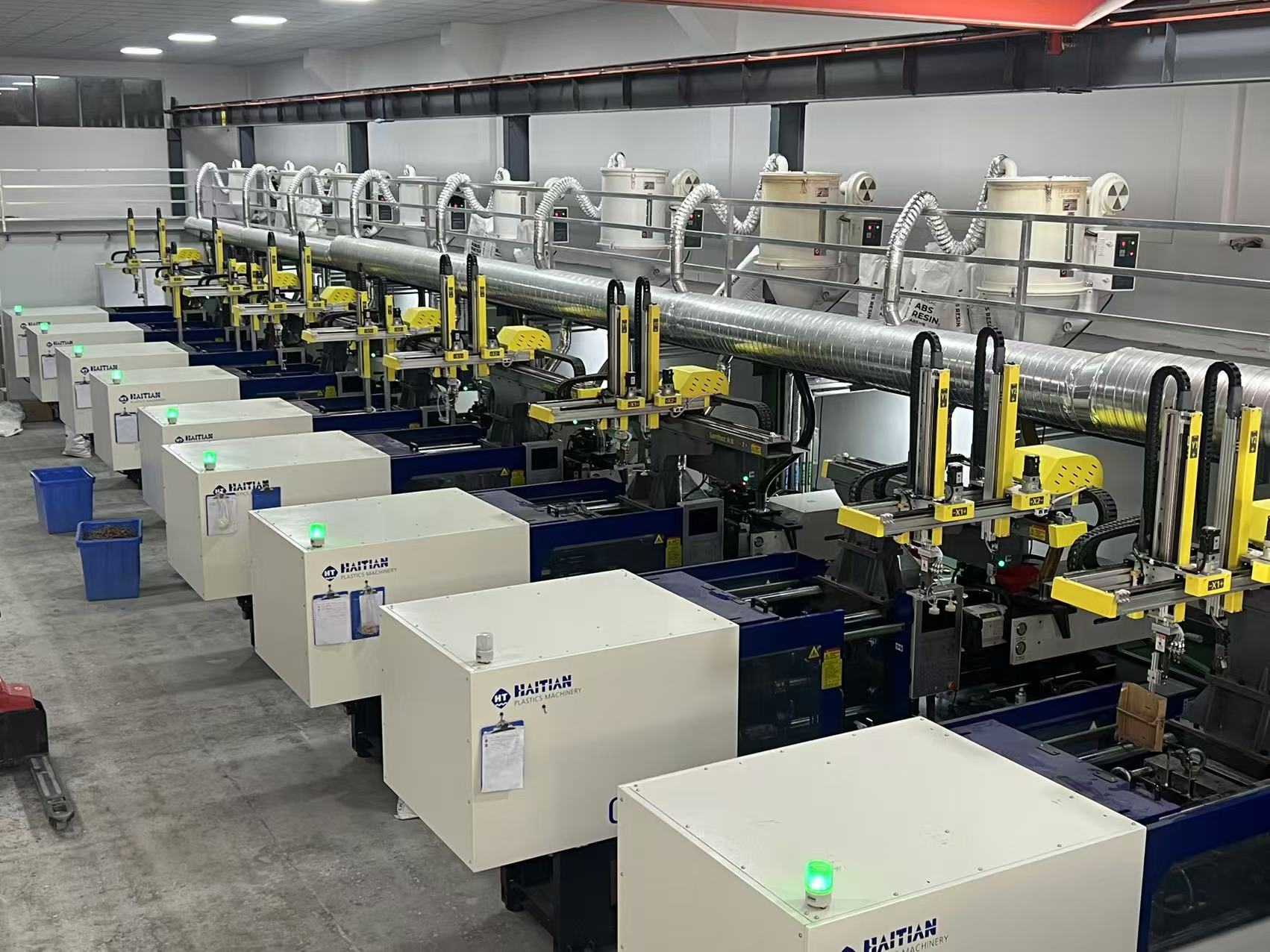
For factories with complex workflows, robotic automation helps reduce manual intervention and improve production consistency. Different robot configurations can be adapted according to product characteristics, working space, and processing requirements, making them suitable for various industrial manufacturing environments.

How Does AI Technology Improve Sortation Robots?

Artificial intelligence and machine vision are changing the capabilities of modern automation equipment. Powered by intelligent recognition technology, this type of robot can better interpret various objects and adapt to changes in the production environment in real time.

Intelligent Features of Modern Sorting Systems

Advanced sorting robots may include:

  • Machine vision recognition
  • Automatic positioning
  • Data collection and analysis
  • Flexible programming functions
  • Real-time production monitoring

These technologies allow robots to handle more complex sorting tasks compared with traditional automation equipment.

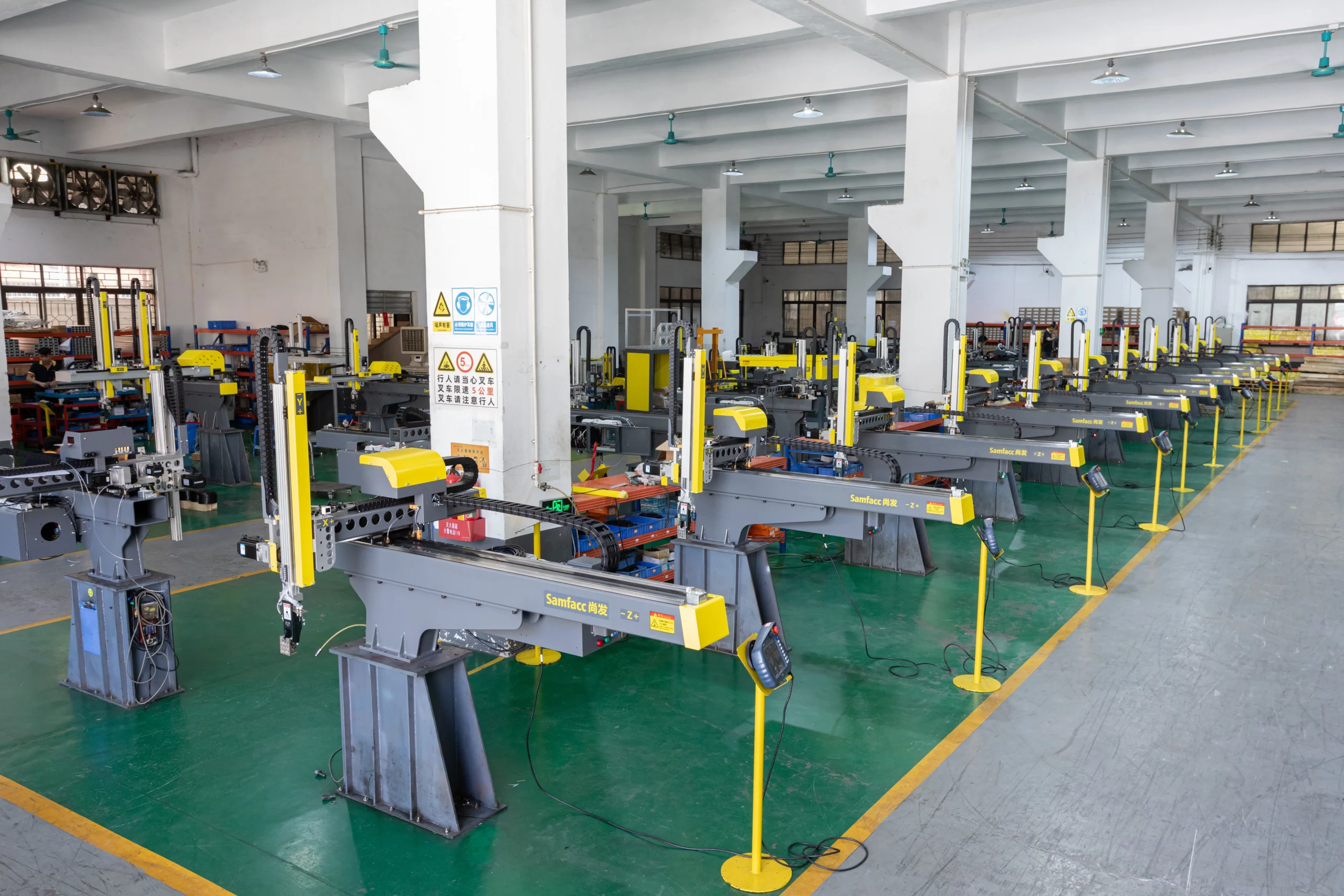
Sorting Robot (3)

How to Choose the Right Robotic Sorting System?

To select the right equipment, you must first thoroughly understand your production requirements and actual operating conditions. Different industries may need different robotic structures, payload capacities, and control functions.

Important Factors to Consider

Before choosing this type of robot, users should evaluate their production needs and working conditions. An ideal robotic solution must precisely align with product characteristics, sorting requirements, and automation goals.

Key factors include:

  • Material characteristics: Product size, weight, and shape affect robot selection.
  • Sorting requirements: Different tasks need different accuracy and flexibility.
  • Production Takt Time: High-capacity production lines require high-speed robotic solutions.
  • Work Environment: The size of the factory floor and the layout of the production lines will both affect the installation and integration of the entire system.

Choosing a suitable sortation robot can improve efficiency, reduce manual operations, and support more stable automated production.

 Sortation Robot Trends in Future Industrial Automation

The future development of the sorting robot industry is closely linked to the trends in intelligent manufacturing. More factories are adopting automation technologies to improve flexibility and competitiveness.

Future sorting systems are expected to focus on:

  • Smarter artificial intelligence integration
  • More flexible robotic movement
  • Improved energy efficiency
  • Better connection with industrial data systems

As manufacturing continues moving toward digital transformation, sortation robots will play a larger role in automated production environments.

Conclusion: Improving Automation with Advanced Sorting Robot Solutions

This type of robot is becoming an essential solution for modern factories seeking higher efficiency and smarter production processes. With advanced robotic systems, flexible configurations, and precise control technology, automated sorting equipment can support applications such as material handling, product classification, and production line automation.

By selecting the right robotic solution based on workload, application requirements, and production environment, manufacturers can improve operational efficiency and achieve more reliable automation performance. Explore our industrial robot solutionsfollow our latest updates to discover how intelligent automation technology can optimize your production processes.

类别

相关帖子

Automation Assembly2
Robot Automation System
Pick And Place Automation System 1
automated plastic1
滚动至顶部