In the modern manufacturing landscape, efficiency and precision are paramount. As factories strive to optimize production lines, the demand for automation has skyrocketed. Among the various technologies available, the different types of robots designed for specific industrial tasks are reshaping how products are made. Specifically, in the plastics industry, selecting the correct automation solution is critical for maintaining quality and speed. This guide explores the multiple robot varieties used in injection molding, helping engineers and plant managers understand which solution fits their specific production needs.
The Diversity of Different Types of Robots in Plastic Manufacturing
When discussing automation in plastic factories, one size does not fit all. The multiple robot varieties available today are specifically engineered to handle unique mold structures, varying cycle times, and complex part geometries. Understanding these different types of robots allows manufacturers to significantly reduce waste and improve overall workplace safety.
The primary goal of deploying these machines is to replace manual labor in repetitive or potentially dangerous environments. By integrating the right equipment, factories can achieve stable, 24-hour production. Whether it is a high-speed servo-driven unit or a specialized system for cutlery, the different types of robots share a common purpose: to enhance productivity while ensuring the safety of operators.
Key benefits of integrating these systems include:
- Handling Complex Geometries: Adapting to specific mold structures and varying cycle times.
- Waste Reduction: Minimizing errors and material loss through precise automation.
- Safety Enhancement: Removing operators from repetitive or hazardous environments.
- Continuous Production: Enabling stable, 24-hour manufacturing operations.
Traverse Robots: The Versatile Standard
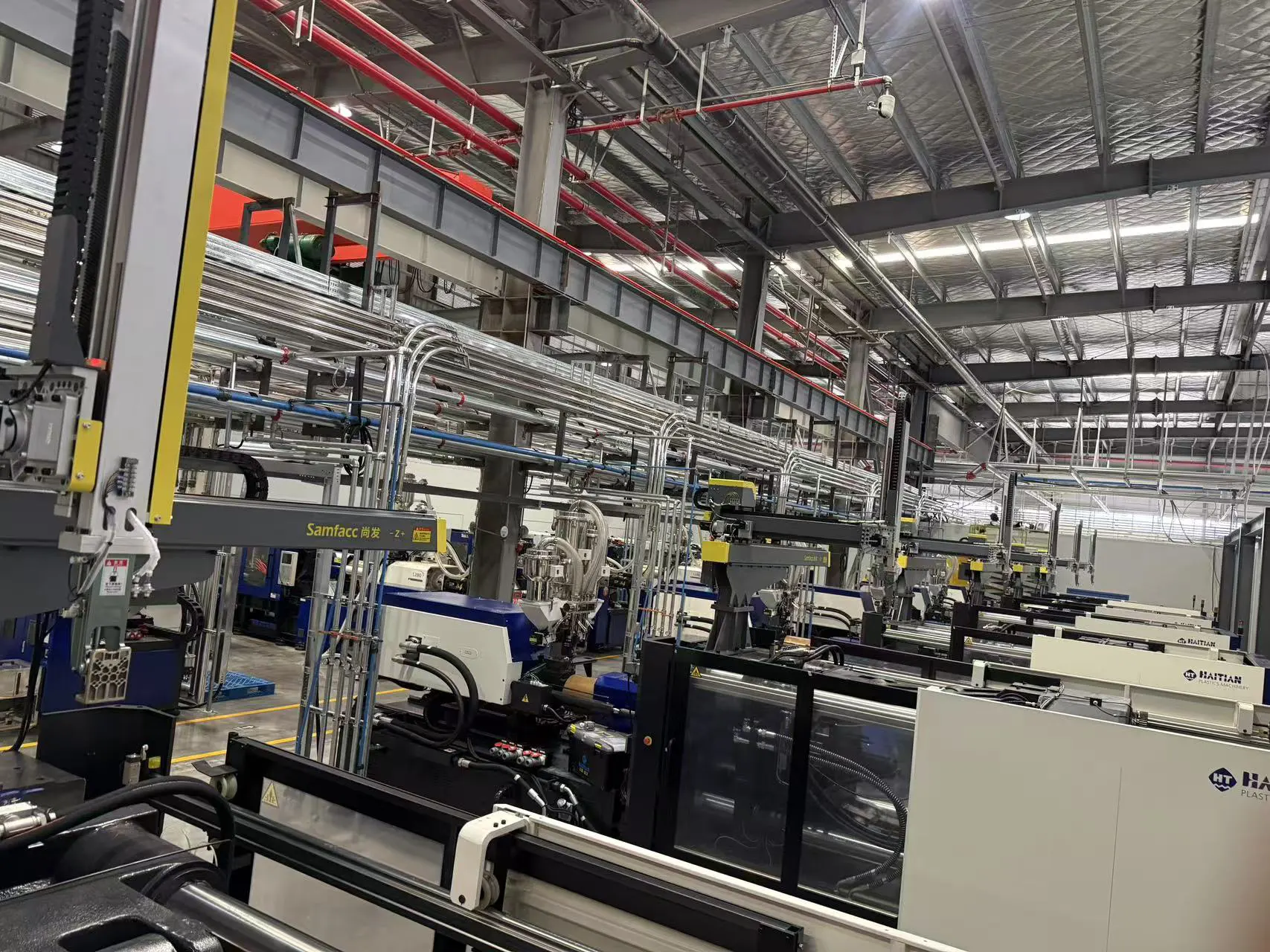
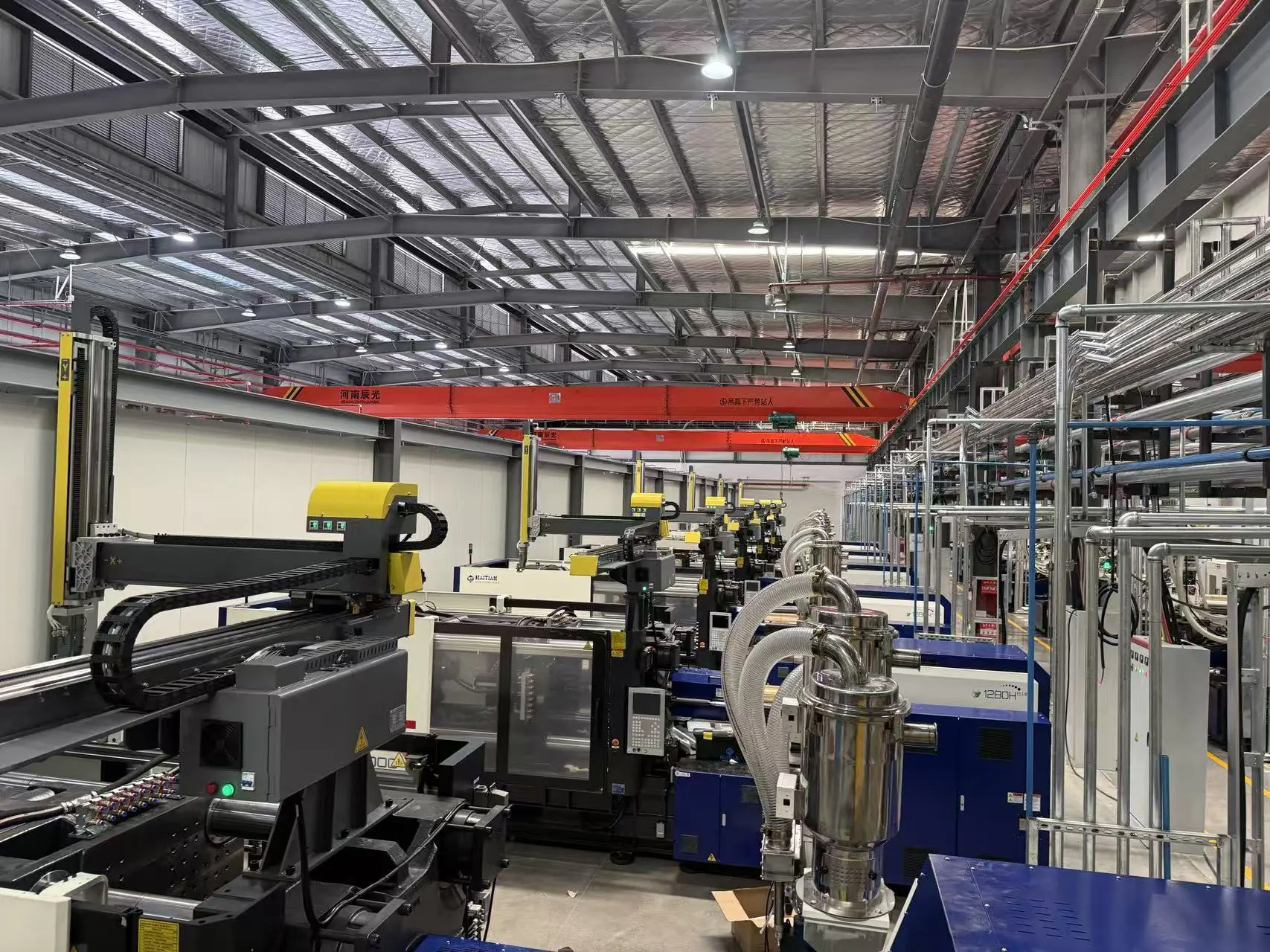
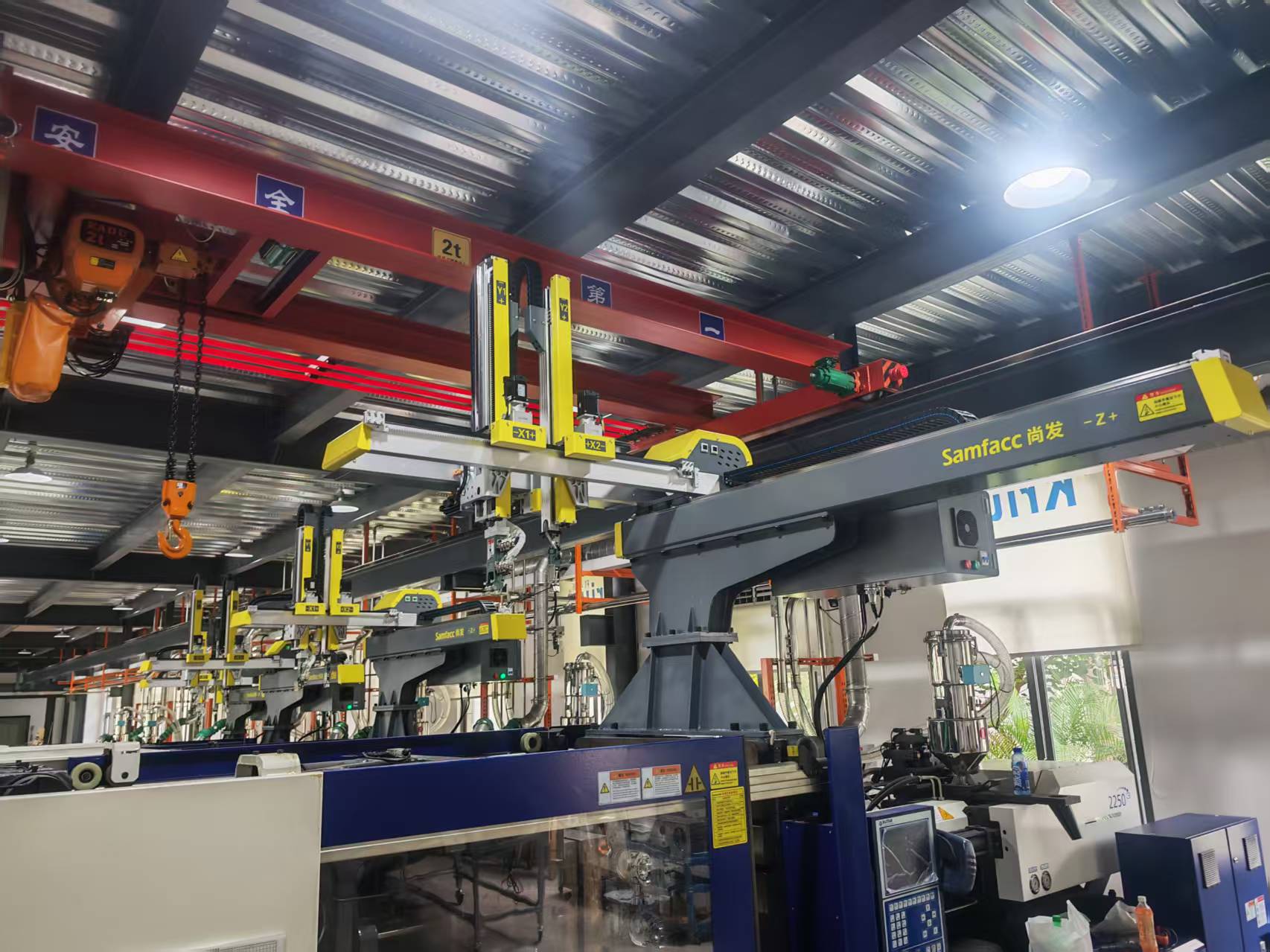
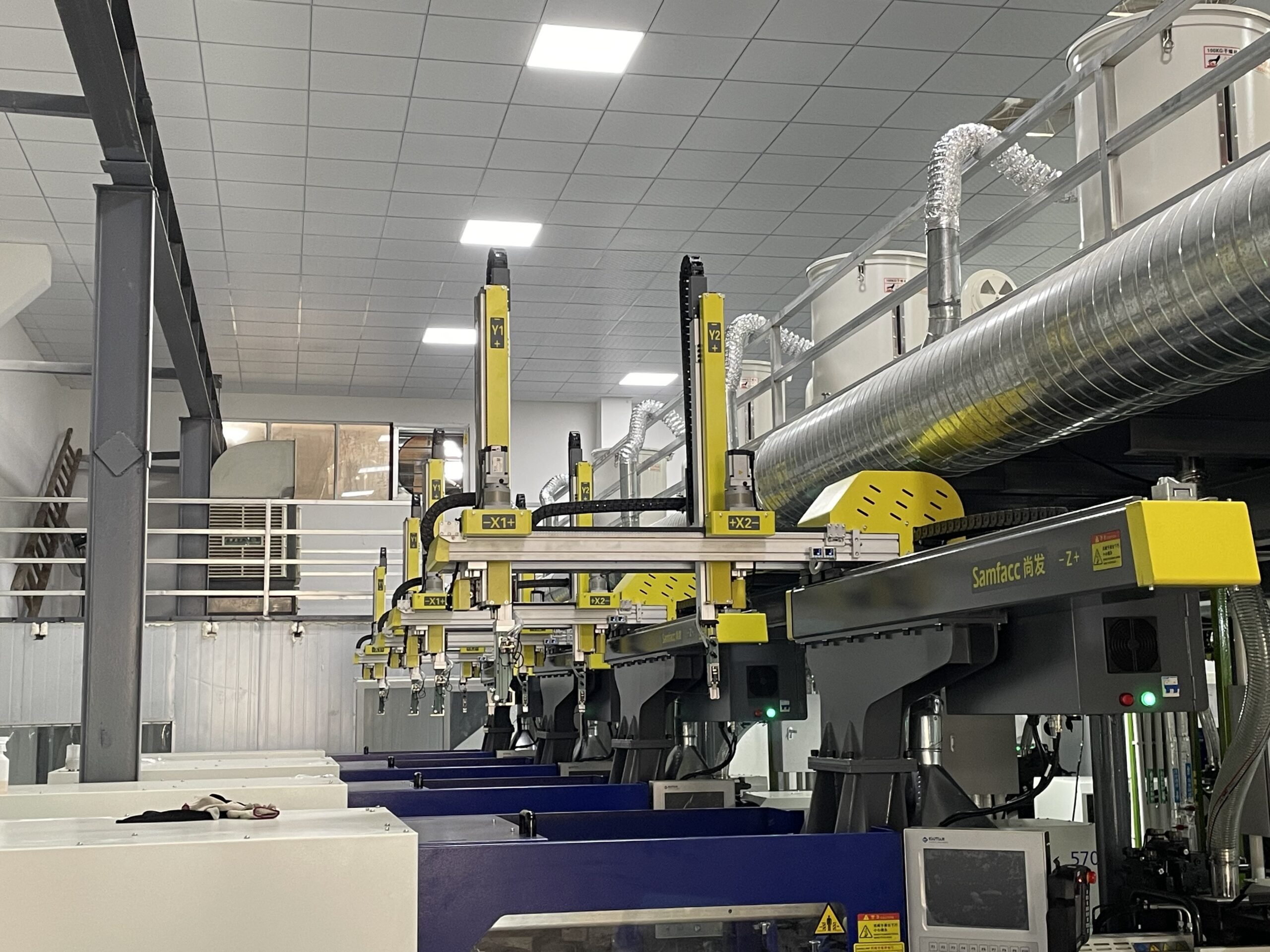
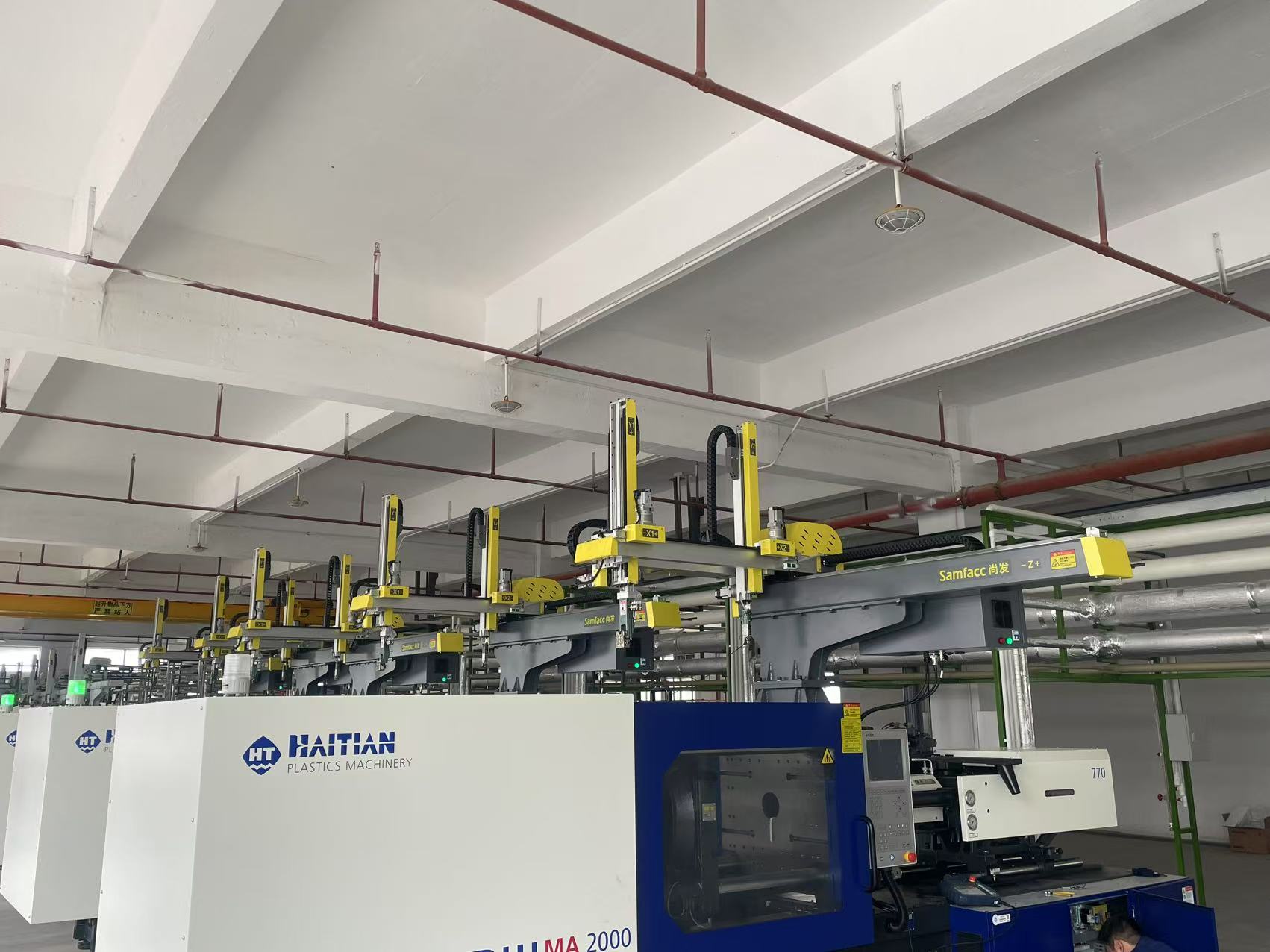
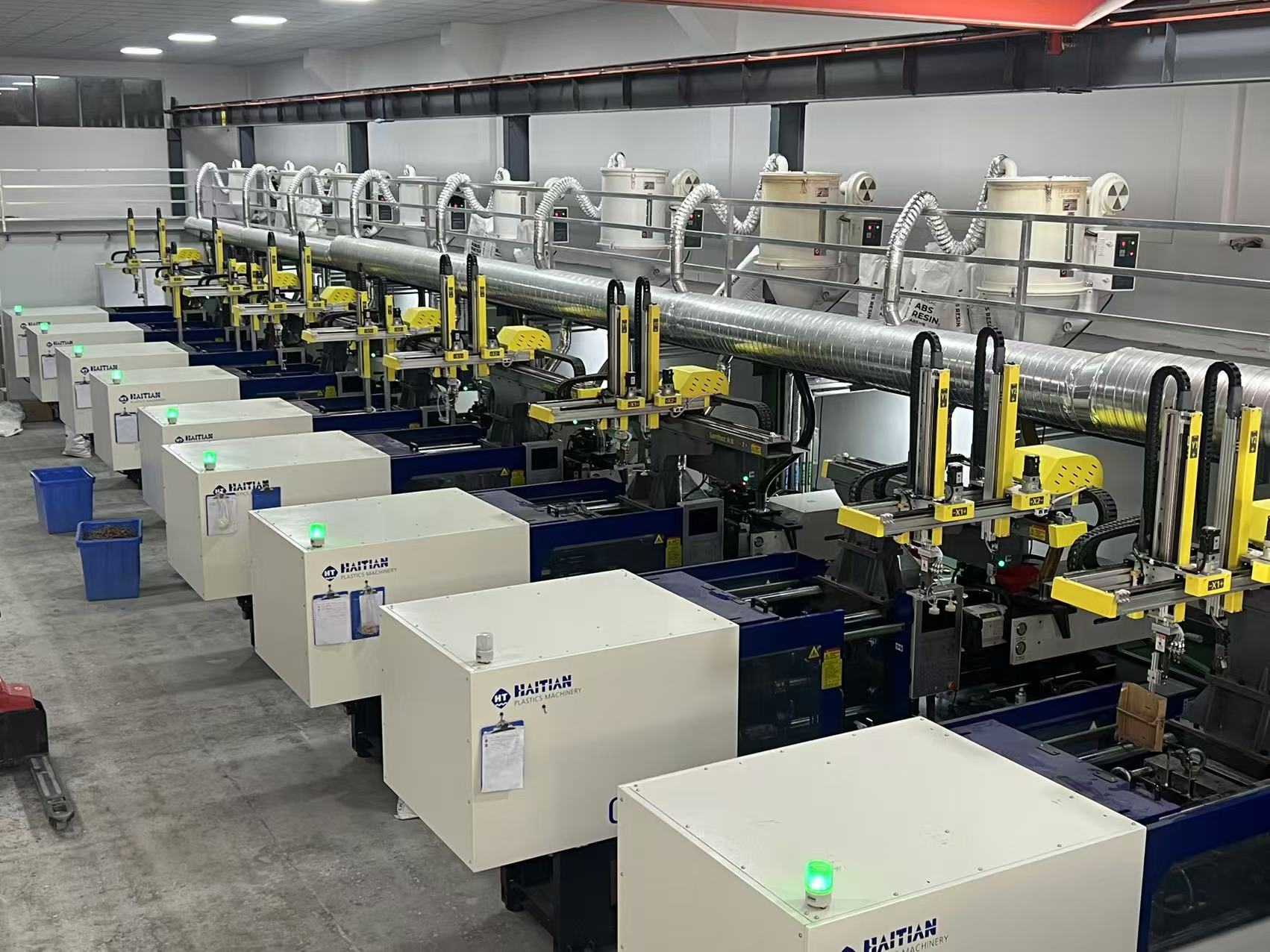
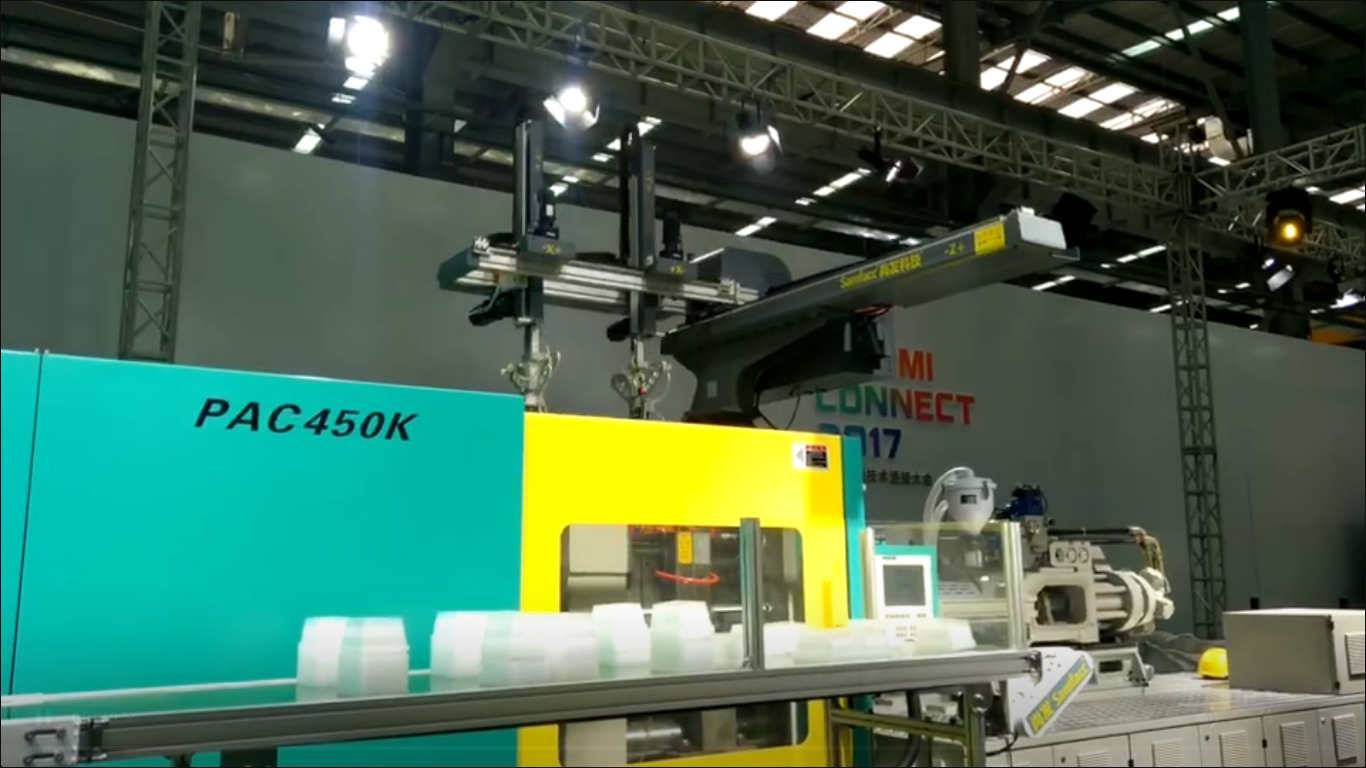
One of the most common entries among the different types of robots is the traverse robot. These machines are mounted on top of the injection molding machine and move across the mold area. They are highly versatile and can be configured for various applications.
Within this category, there are multiple robot varieties designed for specific operational speeds and needs:
- High-Speed Traverse Robots: These are essential for thin-wall packaging where cycle times are extremely short, requiring rapid and precise movements.
- Standard Traverse Robots: These models offer a perfect balance of payload capacity and reach, making them highly suitable for larger items like automotive parts or home appliances.
The flexibility of traverse robots makes them a staple when analyzing the multiple robot varieties for general-purpose automation.
Side-Entry Robots: Speed and Efficiency
For high-volume production, particularly in the packaging industry, side-entry systems stand out among the various robot categories. Unlike traverse robots that move over the mold, side-entry robots enter the mold from the side, parallel to the tie bars.
This unique movement allows for incredibly fast cycle times, making them a favorite for producing items like yogurt cups or ice cream tubs. When comparing the multiple robot varieties, the side-entry configuration is often chosen for its distinct advantages:
- Ultra-Fast Cycle Times: The direct horizontal entry significantly reduces the time taken to remove parts.
- Immediate Stacking: They can stack products right out of the mold, reducing the need for downstream equipment.
- Mass Production Focus: This efficiency makes them a critical subset of the different types of robots available for high-speed manufacturing.
Vertical Robots: Optimizing Floor Space
Factory floor space is expensive, and some of the various robot categories are designed specifically to address this constraint. Vertical robots, or top-entry robots, take up minimal space beside the machine because they operate strictly from above.
These are essential when discussing different types of robots for facilities with limited space or specific layout requirements. Key benefits of vertical units include:
- Space Efficiency: Maximizing floor space by eliminating the need for side clearance.
- Clean Room Compatibility: Ideal for environments where side access is restricted, or strict hygiene is required.
- Higher Machine Density: Allowing manufacturers to fit more injection molding machines into a smaller area.
By utilizing vertical units, manufacturers prove that the various robot categories offer practical solutions for spatial challenges as well as production ones.
Specialized Systems: IML and Cutlery Packaging
Beyond standard part removal, there are specialized multiple robot varieties designed for complex finishing tasks. These systems highlight how automation is evolving to handle complete manufacturing cells rather than just single tasks.
Two prime examples of different types of robots include:
- 模内贴标 (IML) 机器人: These machines must place a label into the mold before injection and then remove the finished, decorated part. Precision is key here, requiring high accuracy to ensure the label does not shift during the molding process.
- 餐具包装系统: Representing another niche, these systems not only extract plastic forks and spoons but also count and stack them
This integration demonstrates the versatility of the different types of robots available to modern manufacturers looking to streamline complex workflows.
Choosing the Right Automation
Selecting from the many robot varieties requires a clear understanding of your production goals. Factors such as mold size, part weight, and required cycle time will dictate the choice. To help you navigate these options, here is a quick comparison of the primary different types of robots discussed above:
| Robot Type | Best For / Key Advantage | Typical Applications |
| 横向移动机器人 | Versatility and balanced payload | Automotive parts, home appliances, general molding |
| 侧入式机器人 | Ultra-fast cycle times and immediate stacking | Thin-wall packaging, yogurt cups, ice cream tubs |
| 垂直机器人 | Space-saving and clean-room compatibility | Facilities with limited floor space, medical parts |
| IML & Cutlery Systems | High-precision finishing and integrated packaging | In-mold labeling, automated cutlery counting |
By evaluating these factors against the capabilities of the different types of robots, manufacturers can make informed decisions. Whether you need a high-speed side-entry or a precise IML arm, understanding the multiple robot varieties is the first step toward a fully automated, efficient future.

Conclusion: Elevating Your Manufacturing Future
In conclusion, navigating the landscape of the multiple robot varieties is essential for any manufacturer aiming to stay competitive. Whether you require the versatile reach of a traverse unit, the rapid efficiency of a side-entry system, or the space-saving benefits of a vertical arm, choosing the right automation is the key to unlocking your factory’s full potential. As technology continues to advance, the different types of robots will only become more integrated and intelligent, driving the future of industrial manufacturing.
Ready to upgrade your production line with advanced automation? Explore our comprehensive range of 注塑机器人 and discover the perfect solution for your factory. Follow our brand for the latest industry insights and product updates.