现代制造业中工业机器人手的演变

In the fast-paced world of modern manufacturing, efficiency and precision are not just goals; they are requirements for survival. As factories transition towards Industry 4.0, the demand for automation has skyrocketed. At the heart of this transformation lies a critical component: the industrial robot hand. Unlike general-purpose robotic arms used across sectors, these specialized end-effectors are engineered to meet the rigorous demands of production lines, particularly in the plastics and injection molding industries. From delicate electronic components to heavy automotive parts, a machine’s ability to grip, move, and place objects with repeatability defines the success of an automated cell.

The Critical Role of the Industrial Robot Hand in Injection Molding

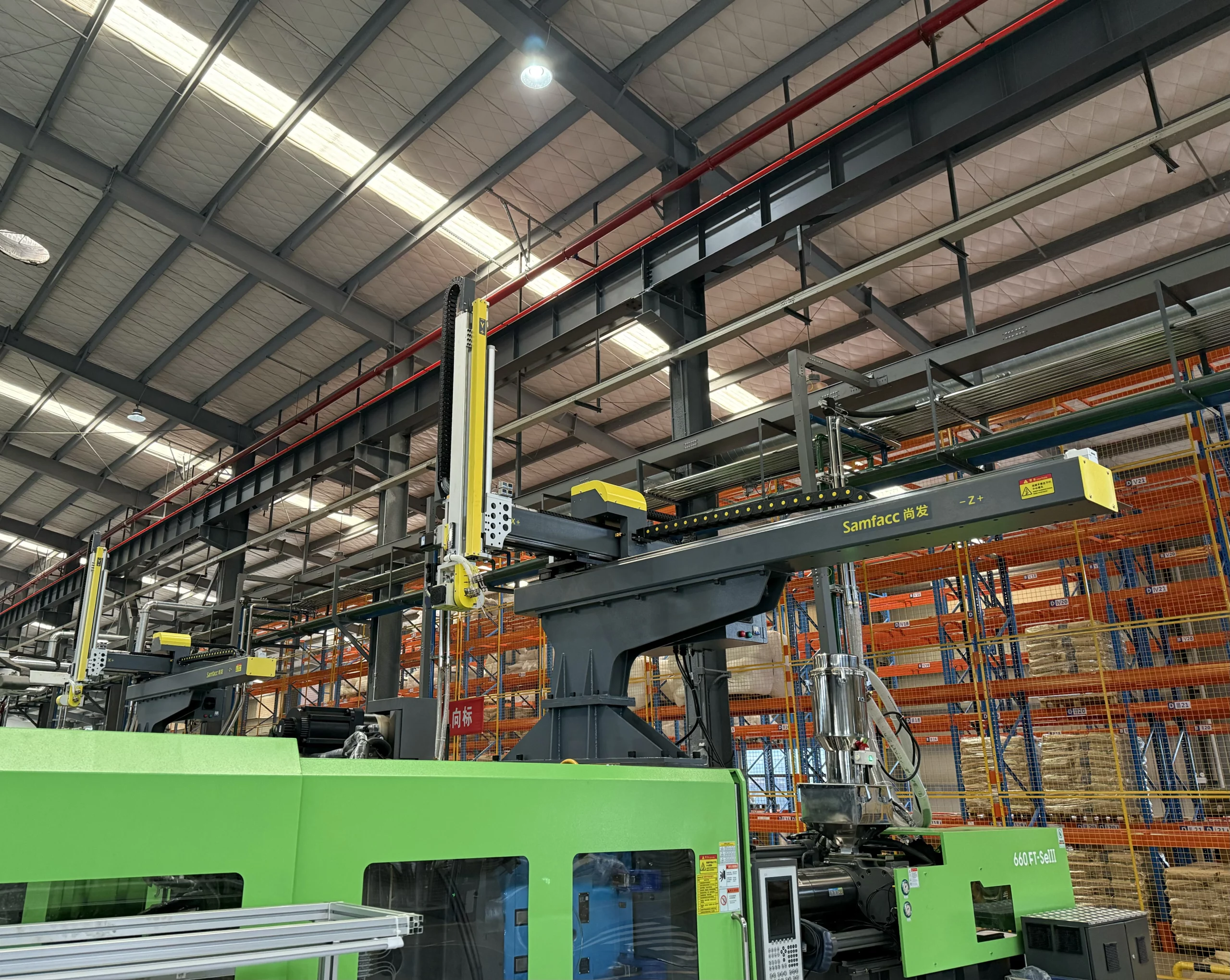
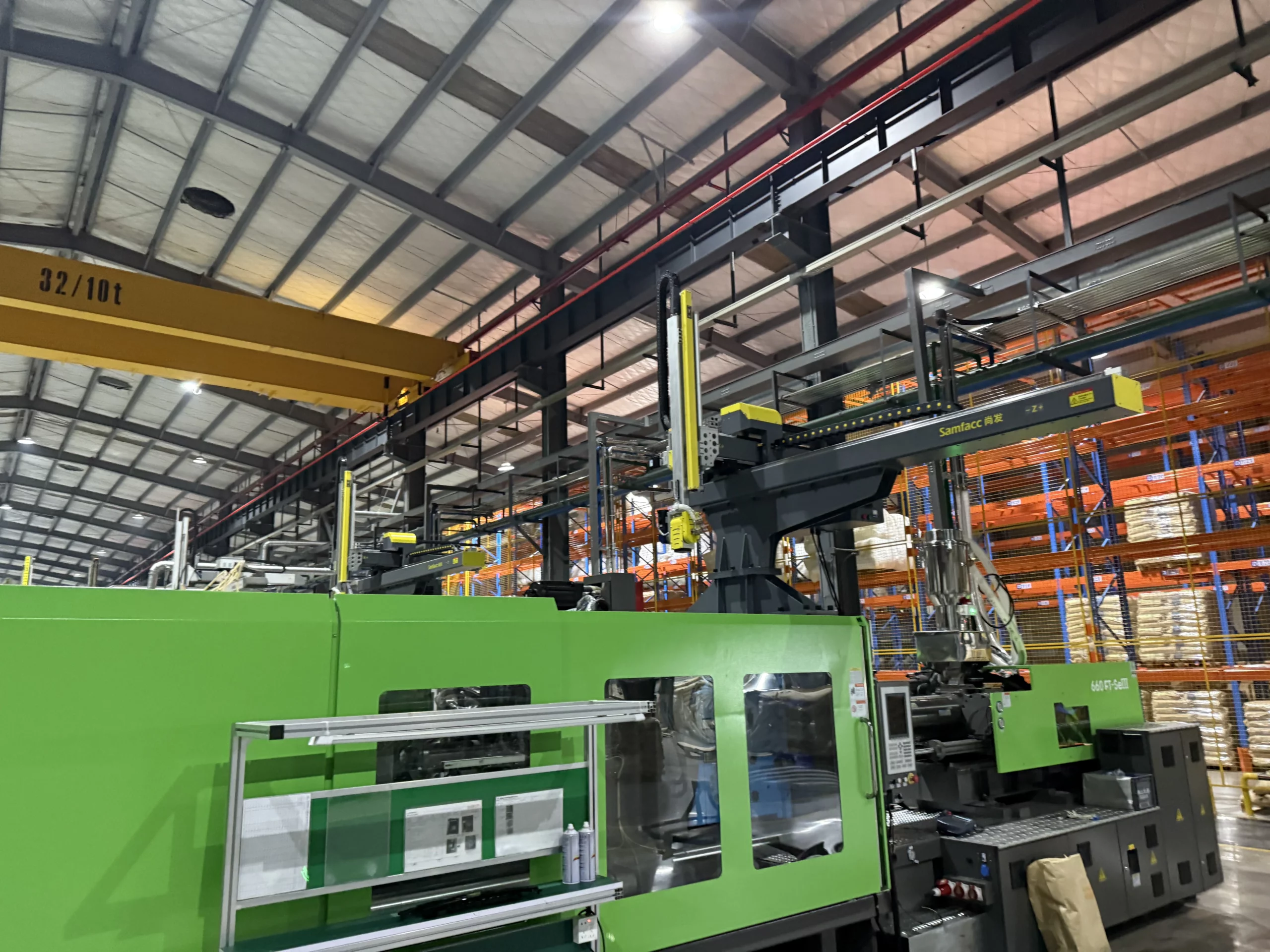
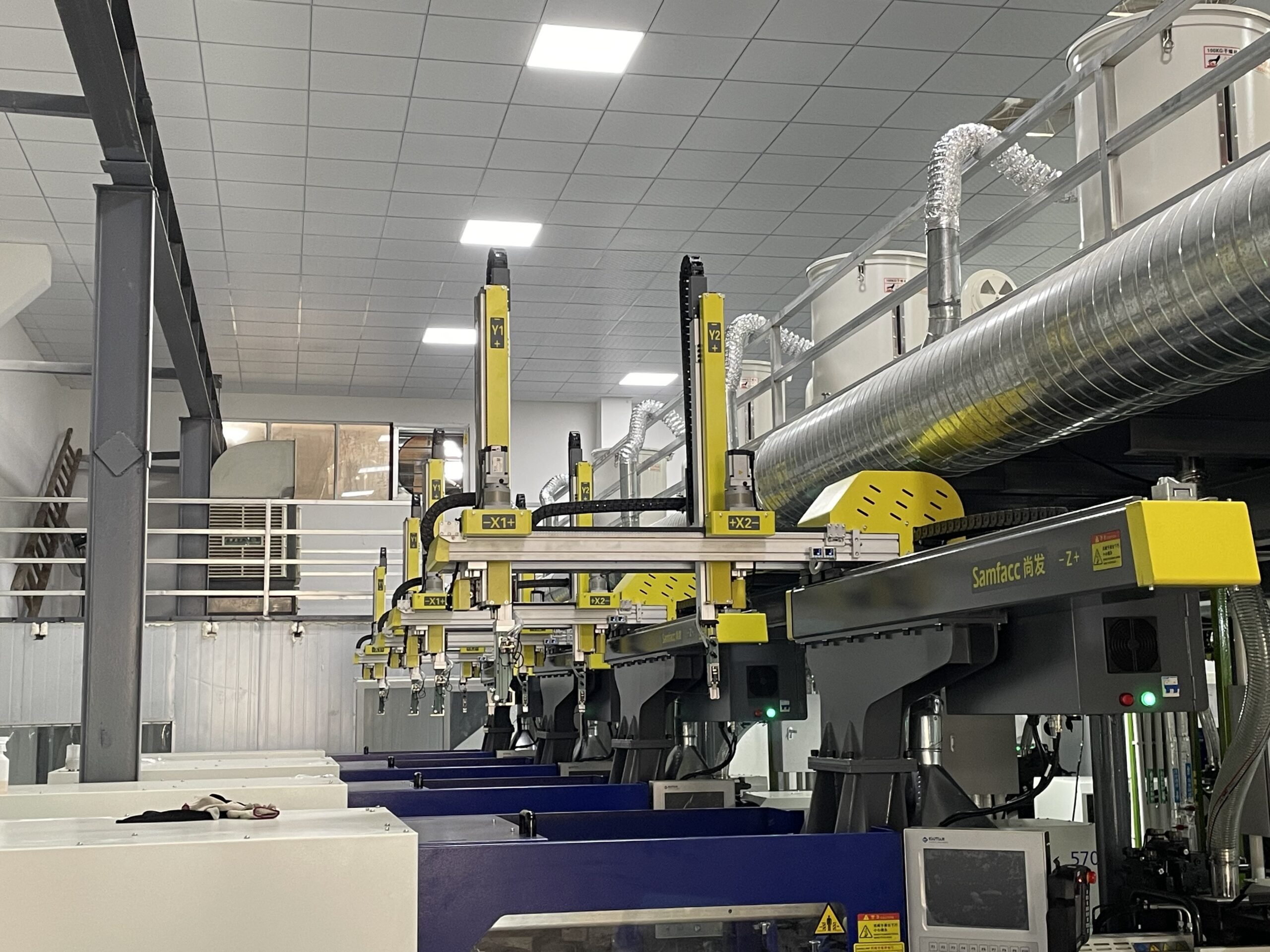
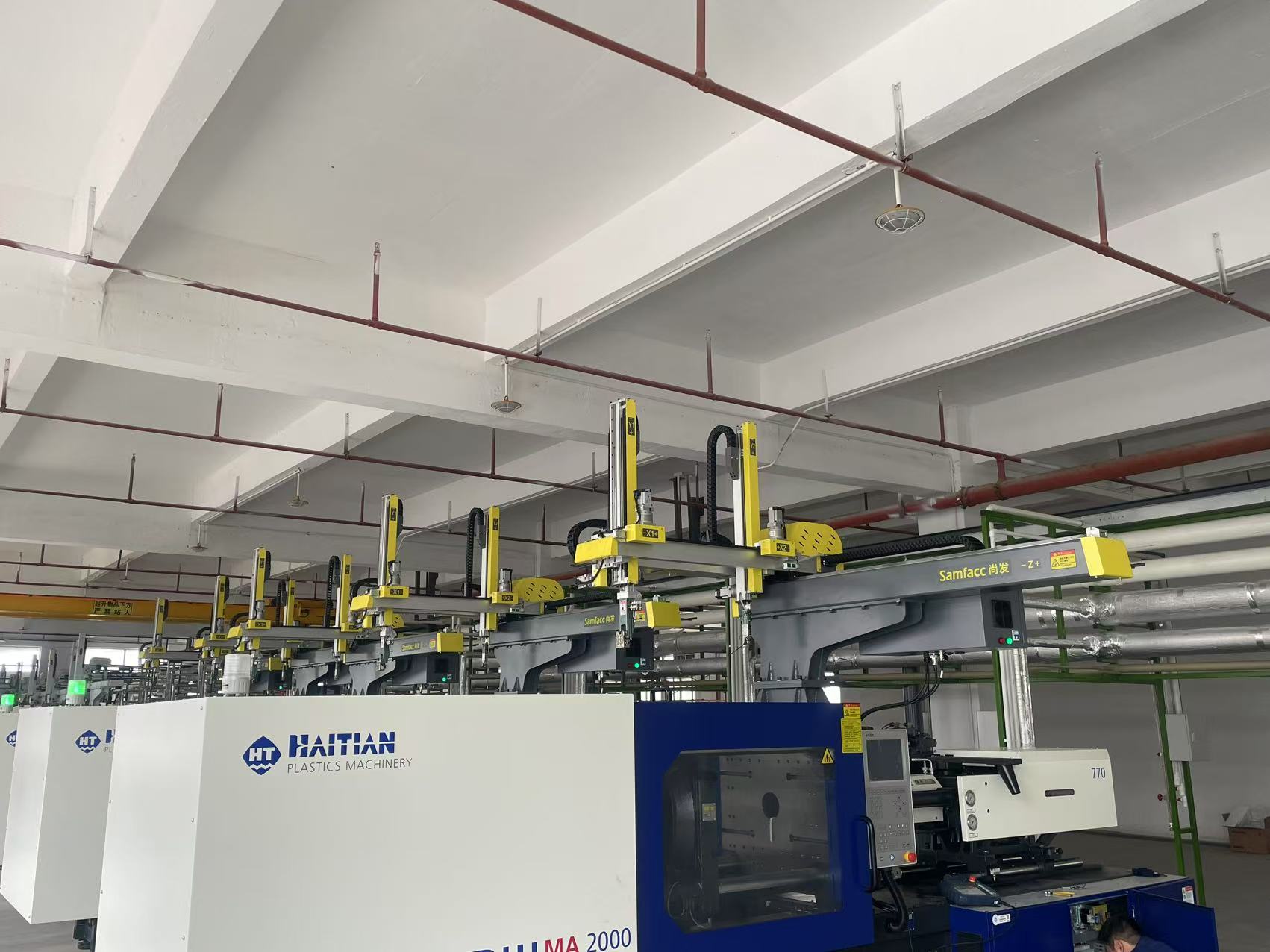
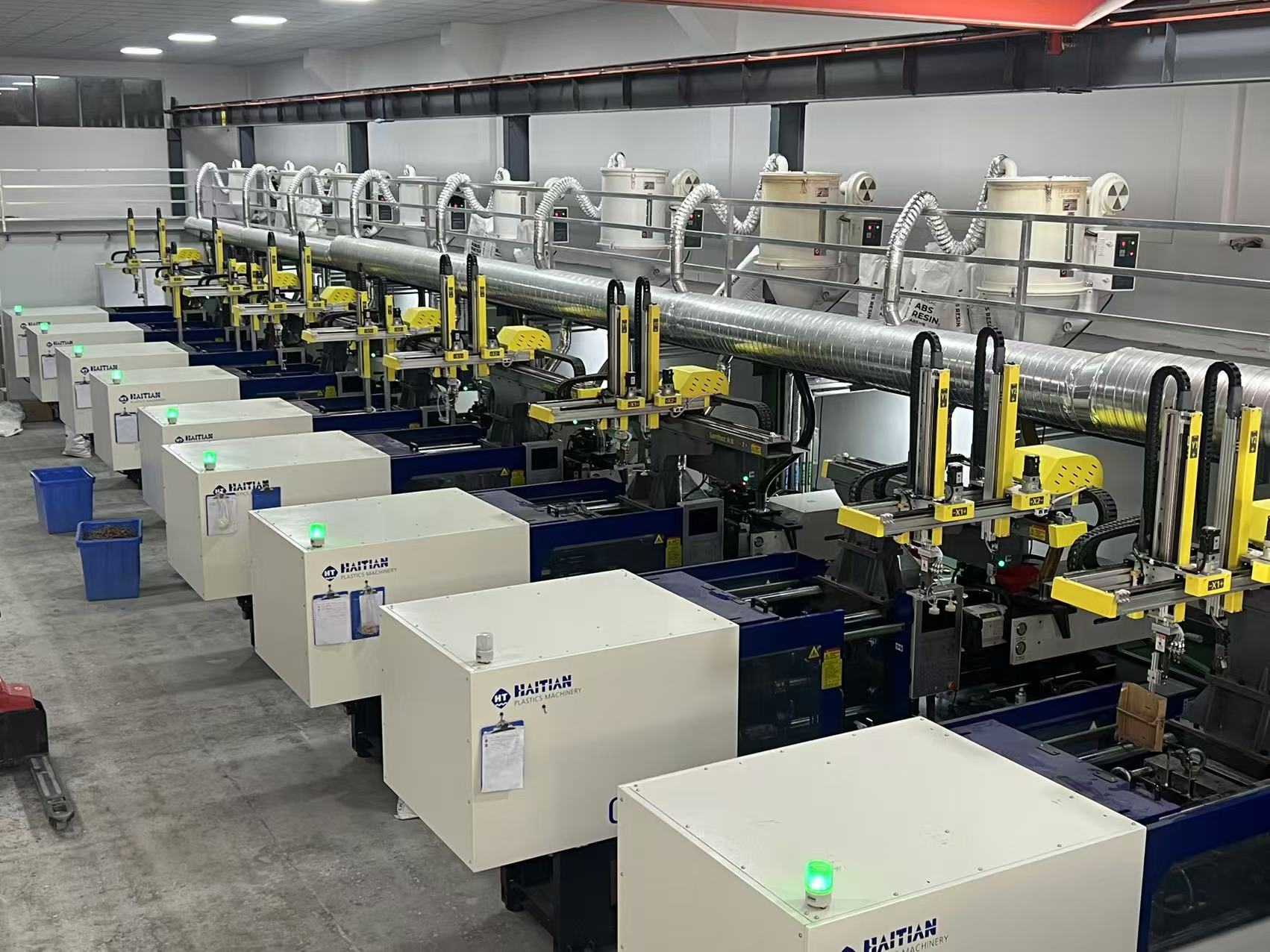
Injection molding is a high-speed, high-temperature process that requires precise timing. In this demanding environment, the industrial robot hand serves as the vital bridge between the mold and the post-processing station. Its primary function is to extract parts from the mold immediately after it opens, ensuring that the cycle time is kept to an absolute minimum.

While a standard robotic arm might be too slow or lack the necessary rigidity for this specific task, a dedicated injection molding robot designed for traverse or side-entry applications operates in perfect synchronization with the injection molding machine. This seamless integration delivers several critical advantages:

  • Precise Part Extraction: The end effector enters the mold area safely, securing the part using vacuum cups or mechanical grippers before retracting.
  • Mold Protection: This precise synchronization prevents accidental collisions, effectively protecting the expensive mold from damage.
  • Optimized Cycle Times: By ensuring that the cooling time is not extended unnecessarily, the industrial robot hand is vital for maintaining profitability and maximizing output in mass production.

Industrial Robot Hand (3)Types of Gripping Mechanisms

Not all parts are created equal, and neither are the tools used to hold them. The versatility of an industrial robot hand comes from its interchangeable end-of-arm tooling.

  • Vacuum Grippers: These are the most common type, utilizing suction cups to lift parts. They are ideal for flat or smooth surfaces like container lids, buckets, or automotive dashboards. The end effector uses a vacuum pump to create negative pressure, holding the part securely without marring the surface.
  • Mechanical Grippers: For parts with complex geometries or heavy weights, mechanical fingers are used. These can be customized to grip specific features of a product, such as the rim of a bottle or the edge of a crate.
  • Hybrid Systems: Some advanced applications require a combination of both. An injection molding robot might use vacuum cups to hold the main body of a part while using mechanical fingers to stabilize a delicate protrusion.

Enhancing Safety with Automation

One of the most compelling reasons to install an industrial robot hand is worker safety. Injection molding machines operate under immense pressure and heat. Historically, human operators had to reach into the machine to remove parts, exposing them to potential crushing hazards and burns.

By automating this extraction process, the injection molding robot eliminates the need for human intervention inside the safety gate during the cycle. This transformation brings several key safety benefits:

  • Eliminating Physical Hazards: By removing the need for manual extraction, the end effector protects operators from severe crushing injuries and high-temperature burns.
  • Mitigating Human Error: Automation prevents workplace accidents that are frequently caused by operator fatigue, distraction, or repetitive strain.
  • Enabling Unattended Production: In “lights-out” manufacturing scenarios where the factory runs at night, the injection molding robot ensures that production continues safely and efficiently without any human supervision.

Industrial Robot Hand (1)Speed and Cycle Time Optimization

In manufacturing, seconds matter. A difference of just half a second per cycle can translate to thousands of extra parts produced per month. A well-programmed industrial robot hand is specifically optimized for speed, utilizing servo motors to accelerate and decelerate rapidly along the shortest possible path. Unlike a human operator who moves at a variable pace and requires rest, the injection molding robot maintains a constant, high-speed rhythm. This level of consistency is critical for several reasons:

  • High-Speed Extraction: The end effector executes rapid, precise movements to minimize the time the mold remains open.
  • Preventing Defects: This speed is crucial for thin-wall packaging applications, where plastic cools and hardens in seconds. If the industrial robot hand is too slow, the part may shrink onto the core.
  • Reduce downtime risk: With its rapid and reliable part unloading capabilities, this end-effector not only eliminates product defects but also saves you from the costly losses associated with equipment downtime.

Integration with Downstream Processes

The capabilities of an industrial robot hand extend beyond simple part removal. Modern systems are designed to be multifunctional. Once the part is extracted, the robot can perform secondary operations before placing the item on a conveyor belt.

For example, an injection molding robot can be equipped to:

  1. Degate: Remove the sprue or runner system from the finished part.
  2. Inspect: Use vision systems to check for defects immediately after ejection.
  3. Stack: Neatly arrange parts into boxes or on pallets.
  4. Insert Mold: Place metal inserts or labels into the mold before it closes (In-Mold Labeling).

This level of integration turns a simple extraction device into a comprehensive processing unit. The industrial robot hand becomes the central manipulator in a complex workflow, reducing the need for multiple standalone machines.

Industrial Robot Hand (2)Choosing the Right Configuration

Selecting the correct automation solution depends heavily on the factory layout and the mold design.

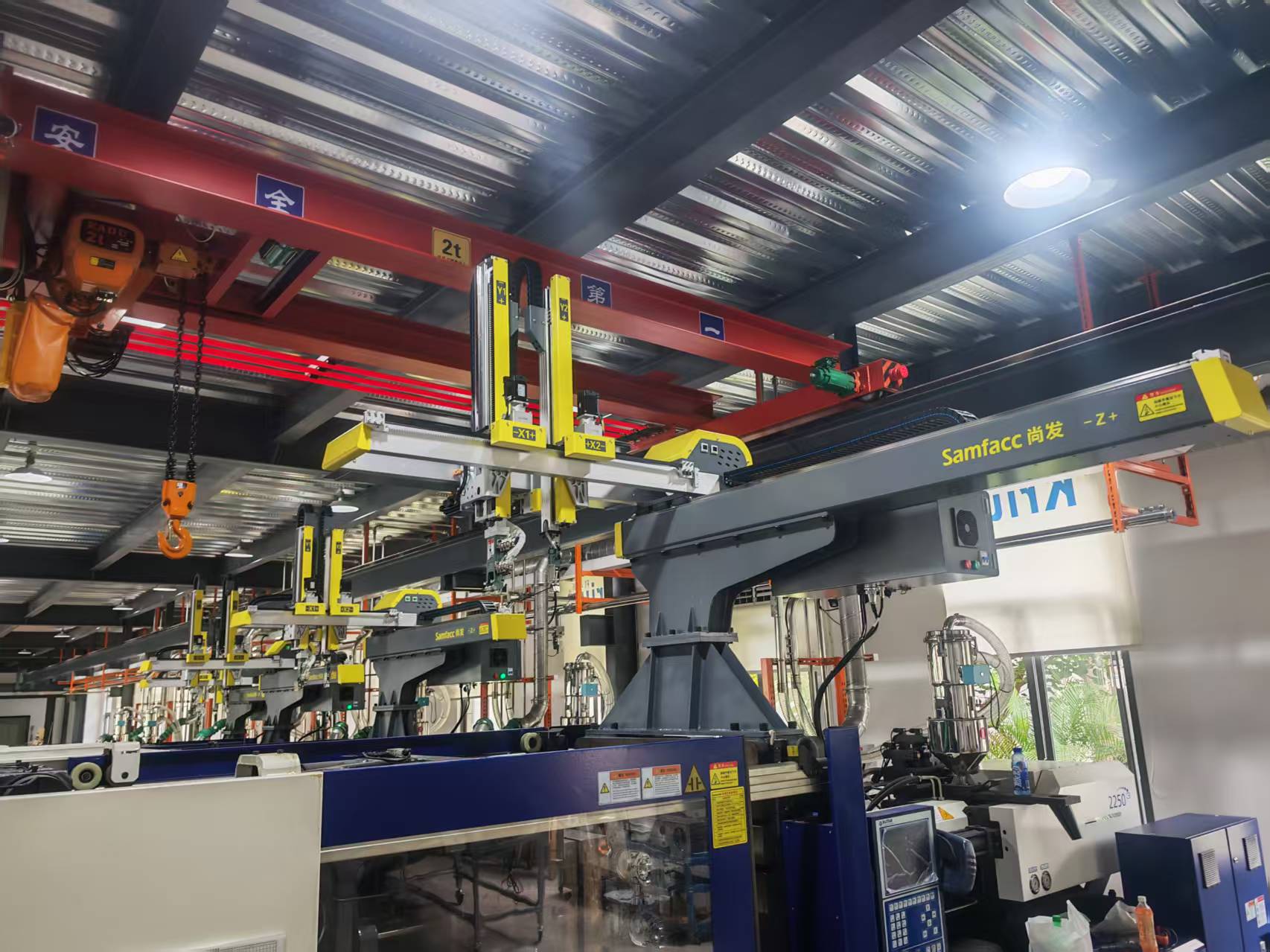
  • 穿越机器人 These are the most common. The injection molding robot is mounted on a beam that spans the width of the machine, moving in three axes (X, Y, Z). This offers great flexibility and reach.
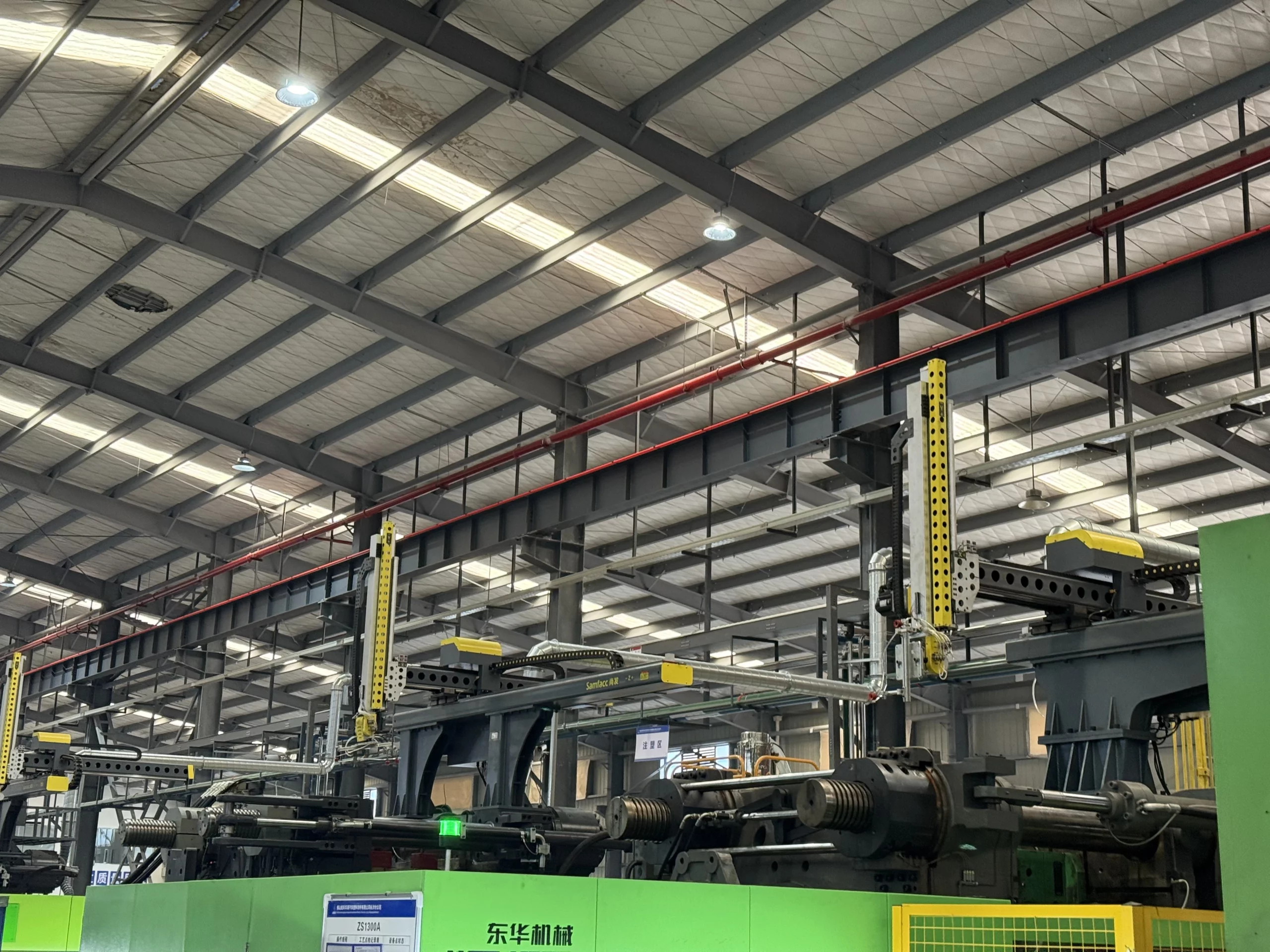
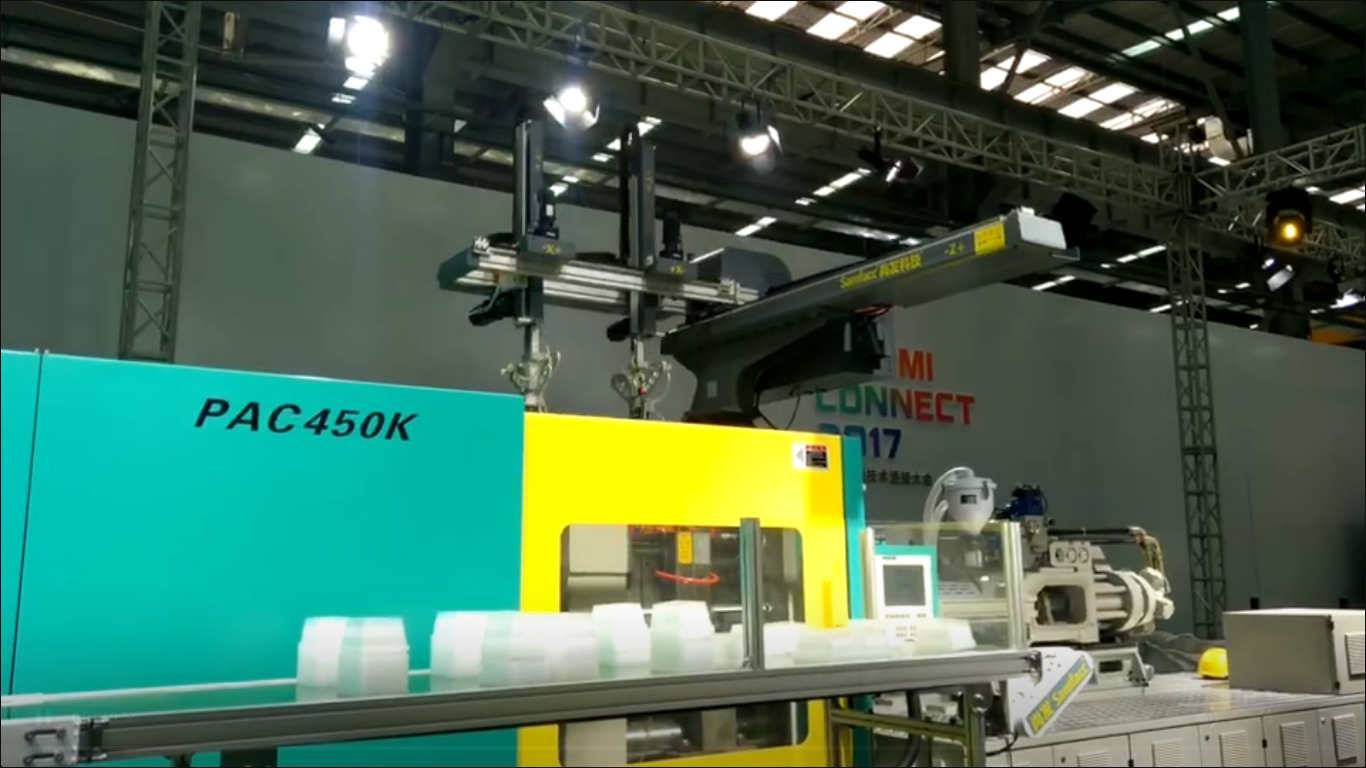
  • Side-Entry Robots: For high-speed applications like making disposable cutlery or cups, speed is paramount. A side-entry industrial robot hand enters the mold from the side rather than the top, significantly reducing the travel distance and cycle time.
  • 垂直机器人 In facilities with limited floor space or specific ceiling constraints, a vertical injection molding robot can be mounted directly to the fixed platen of the injection molding machine, saving valuable floor space.

结论

The shift towards automation is inevitable, and the industrial robot hand is the key to unlocking higher productivity, better quality, and improved safety. Whether it is a high-speed side-entry system for packaging or a heavy-duty 横移机器人 for automotive parts, the right automation solution transforms a standard injection molding machine into a high-efficiency production cell. As technology advances, these robotic systems will only become smarter, faster, and more integral to the manufacturing landscape.

Ready to see how our automation solutions can transform your production line? 关注我们的品牌 and explore our range of precision robots to find the perfect fit for your factory.

类别

相关帖子

Automation Assembly2
Robot Automation System
Pick And Place Automation System 1
automated plastic1
滚动至顶部