 Chinese
  English
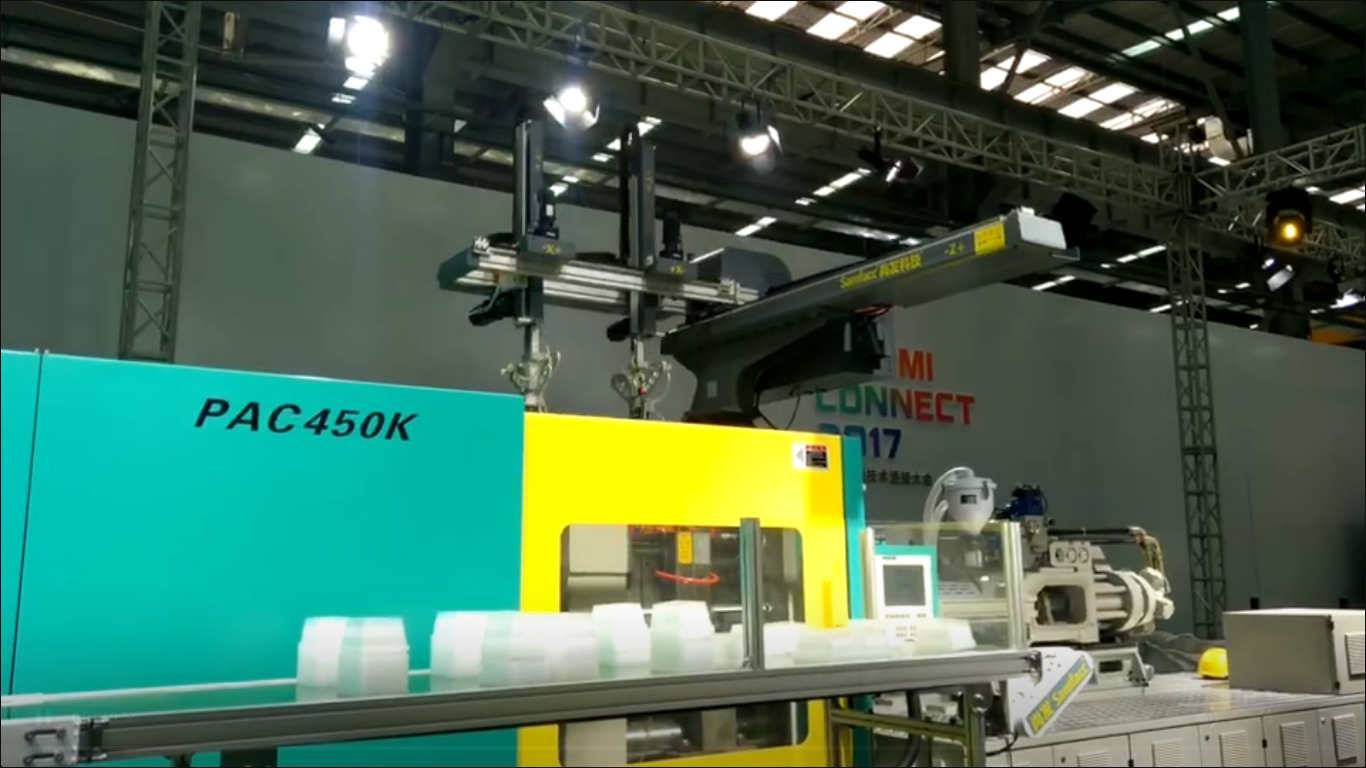
 In the competitive world of plastic packaging, visual appeal and production efficiency are paramount. Manufacturers are constantly seeking methods to enhance product branding while streamlining their manufacturing processes. One technology that has revolutionized this sector is in-mold labeling. This advanced process integrates the labeling step directly into the injection molding cycle, eliminating the need for post-molding decoration. By automating this process, factories can achieve superior quality and significantly higher output. This article explores the mechanics, benefits, and automation strategies behind successful IML in mould labeling systems.
Understanding the Mechanics of IML in Mould Labeling
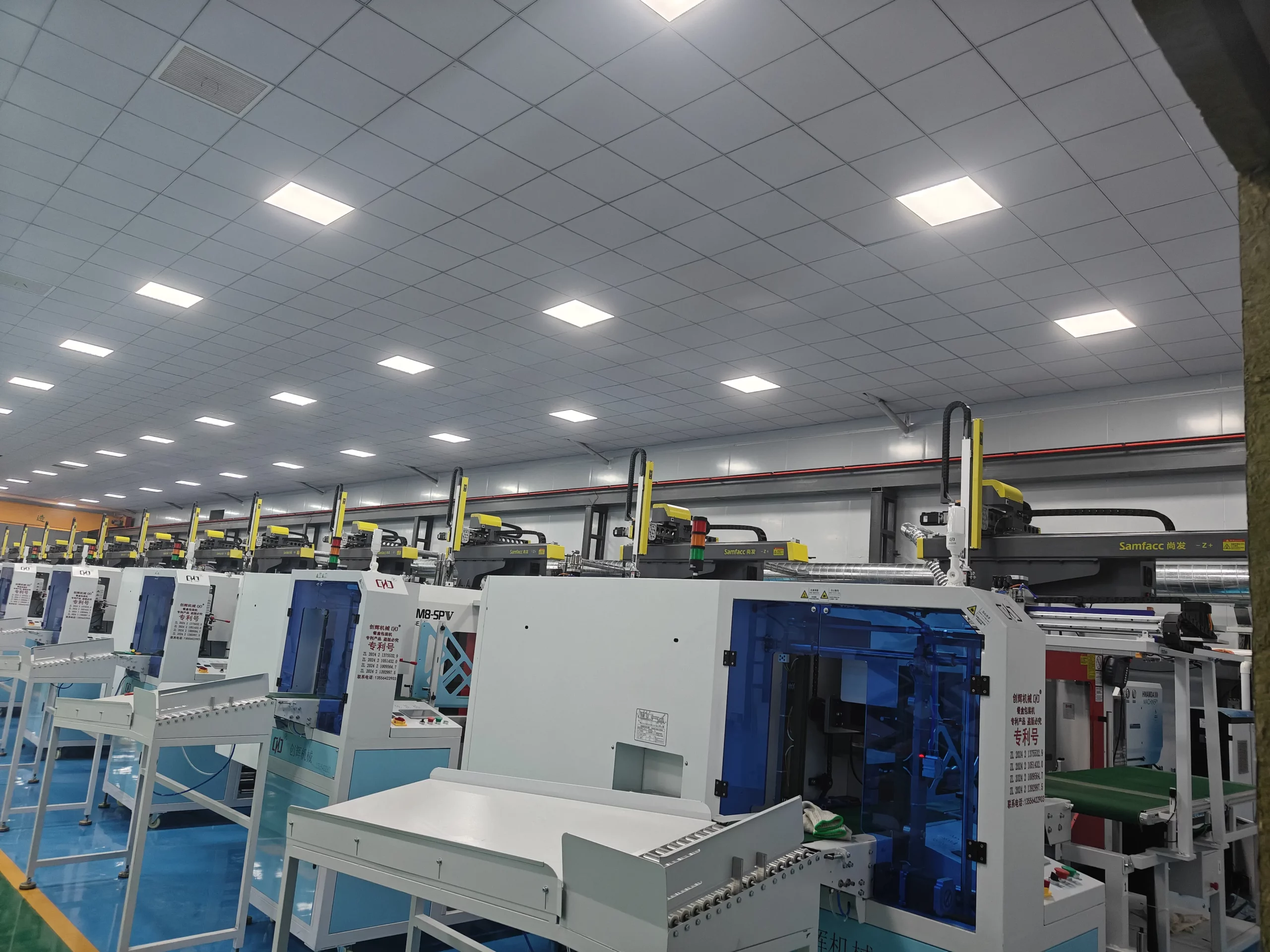
The process of IML in-mould labeling is a sophisticated interplay between mould design, label feeding, and robotic precision. Unlike traditional pressure-sensitive labeling, where a sticker is applied to a finished part, IML places the label inside the mould cavity before the plastic is injected. The molten plastic fuses with the label, making it an integral part of the final product.
Key mechanical advantages include:
- Seamless Integration: The label becomes a structural part of the container, eliminating the need for adhesives.
- Precision Robotic Operations: Utilizing electrostatic or vacuum suction technology, specialized robotic grippers can reliably pick up labels from a magazine and achieve precise in-mold placement.
- High-Speed Synchronization: The robot must enter, place, and retreat within a fraction of a second to avoid interfering with the mold closing.
Value of IML in Mould Labeling for Manufacturers
Adopting IML in mould labeling offers a multitude of advantages that go beyond simple aesthetics. For manufacturers, the primary benefit is the elimination of secondary processing steps. Since the part comes out of the mold fully decorated, there is no need for separate labeling stations or additional labor.
This reduction in workflow complexity leads to:
- Lower Operational Costs: Fewer processing steps and reduced labor requirements directly improve the bottom line.
- Enhanced Sustainability: The label and container are often made of the same material (e.g., polypropylene), making the entire package easier to recycle.
- Superior Durability: The “no-label look” provides 360-degree decoration that is resistant to peeling, moisture, and fading.
- Structural Rigidity: The label adds strength to thin-wall containers, allowing manufacturers to reduce container weight without sacrificing durability.
Automation Solutions for High-Speed IML in Mould Labeling
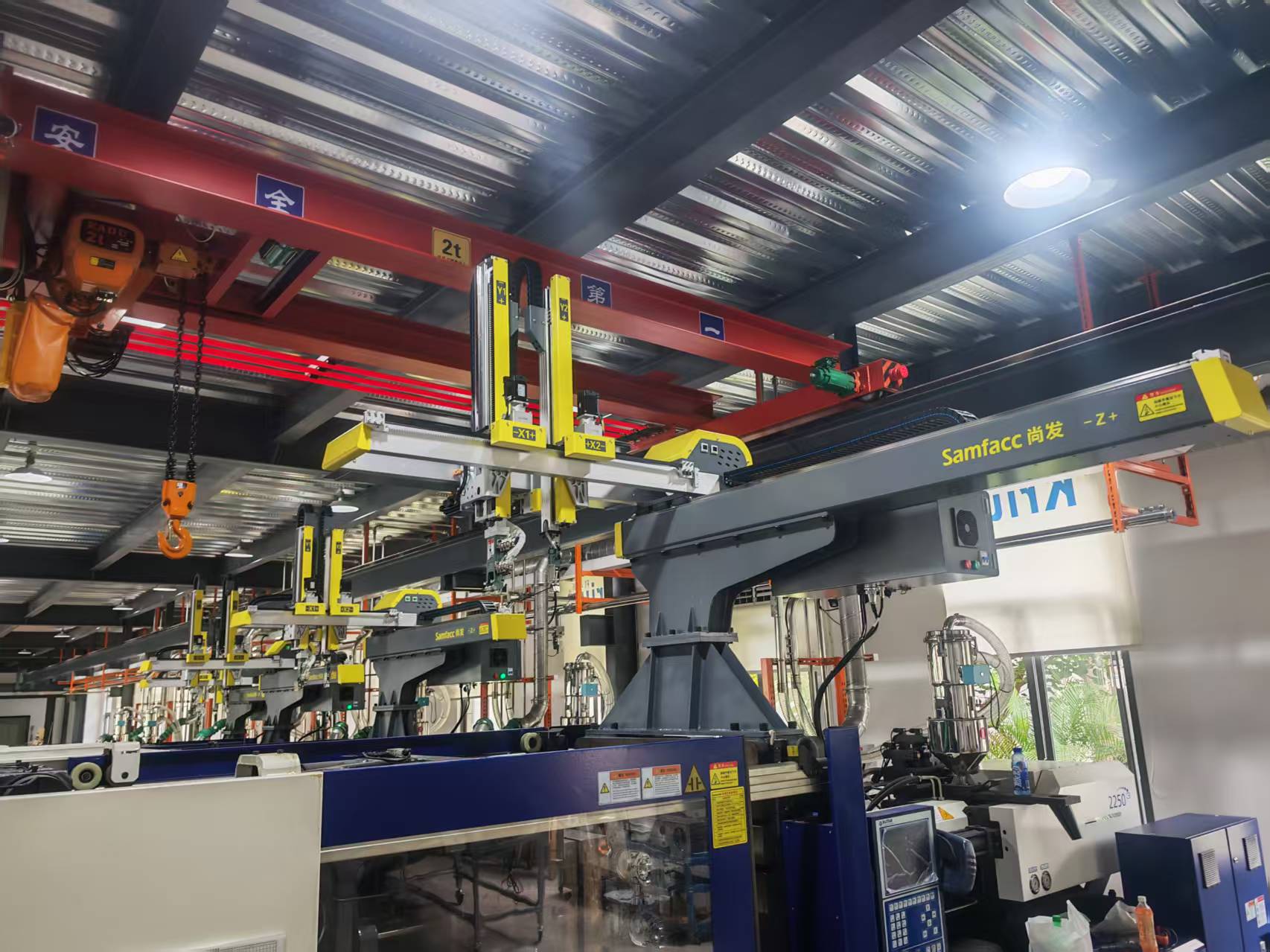
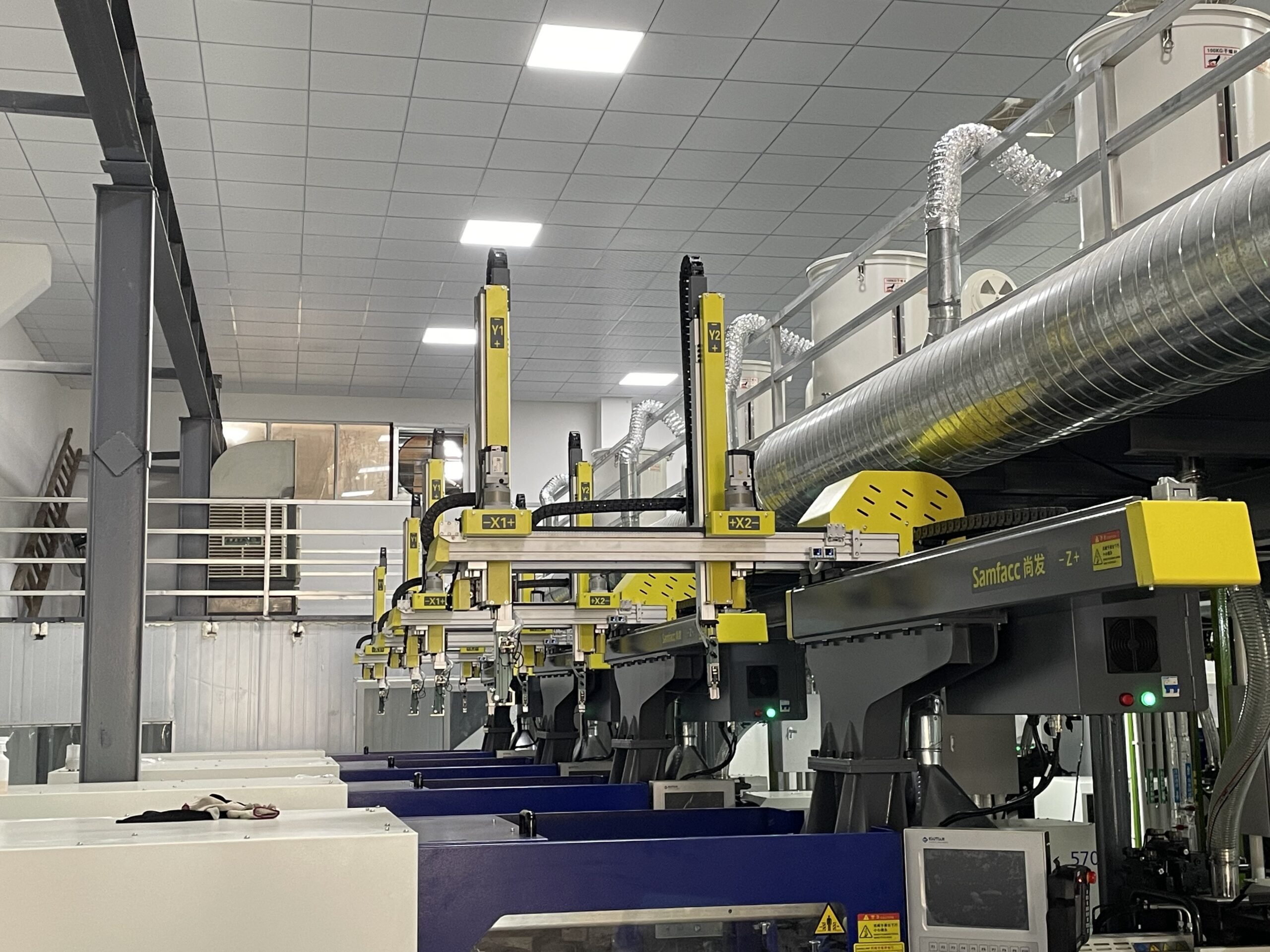
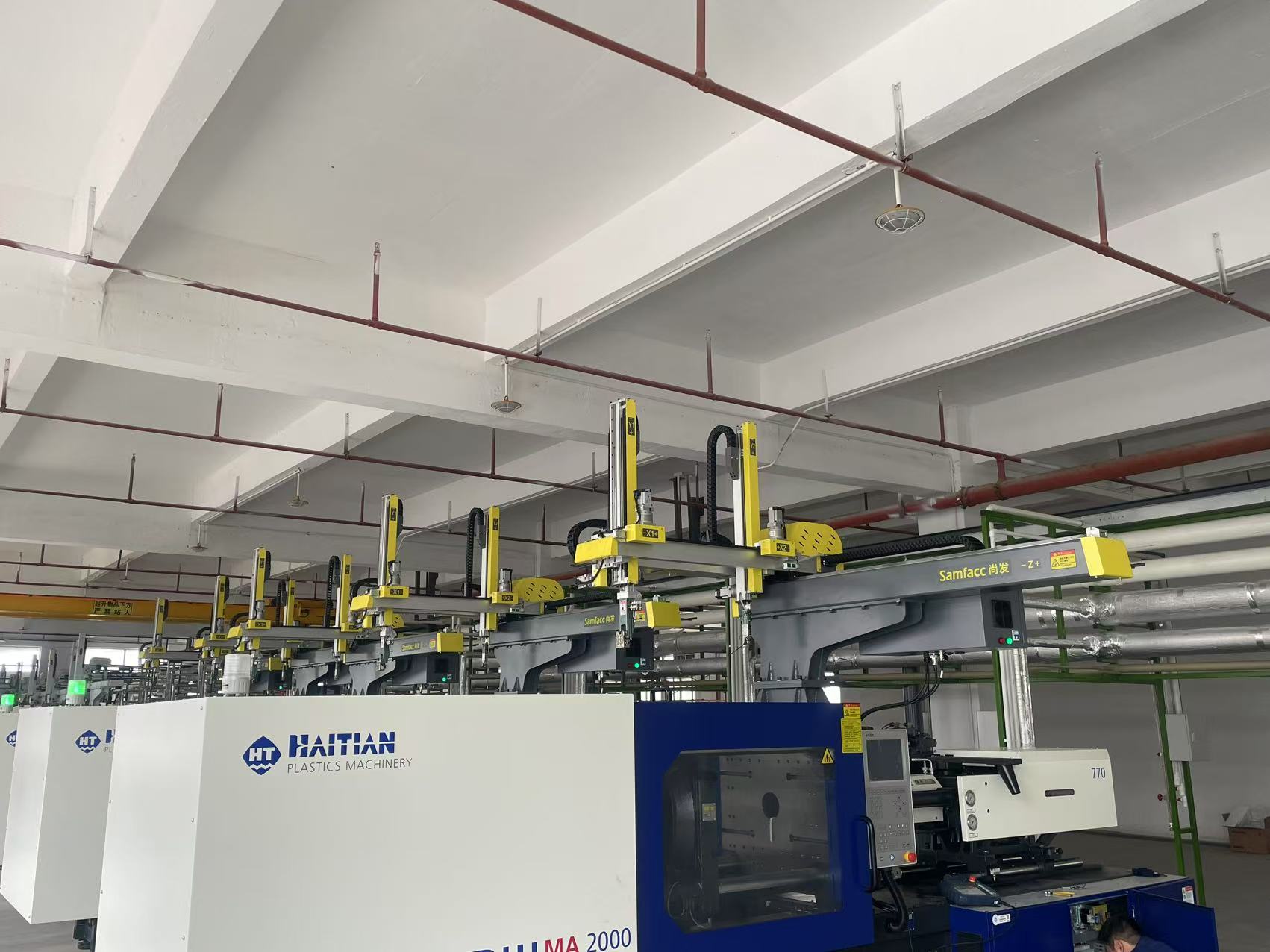
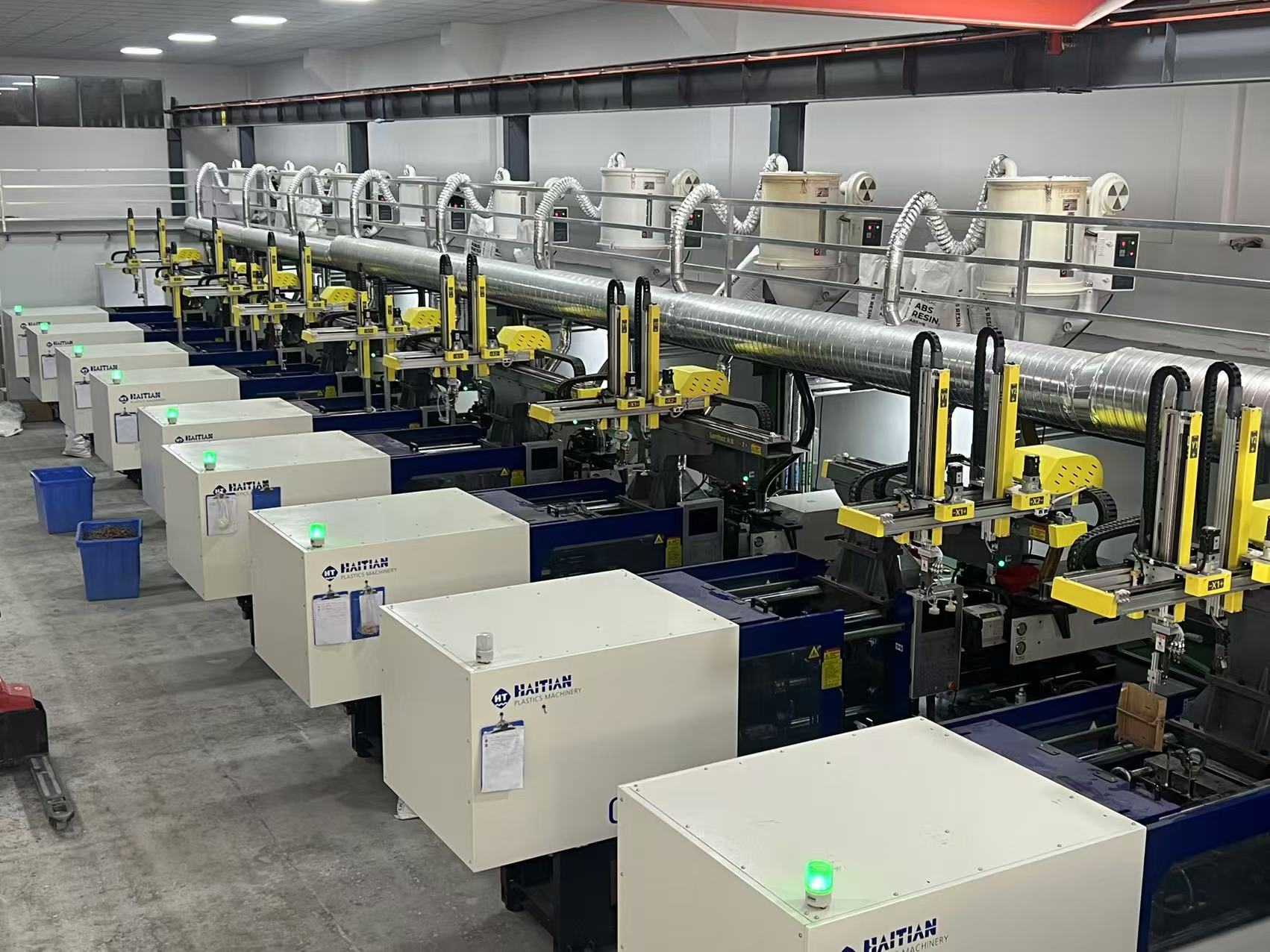
To achieve the high cycle times required for mass production, selecting the right automation is critical. A standard pick-and-place robot is often insufficient to meet the complex demands of IML (in-mould labeling). Instead, manufacturers typically utilize specialized systems designed to move parallel to the mold opening, entering the cavity from the side to place the label and extract the part in a single, fluid motion.
| 机器人类型 | 主要特点 | 最佳应用程序 |
| 侧入式机器人 | 沿拉杆方向进入模具;循环时间极短。. | High-speed thin-wall packaging, caps, and food containers. |
| 横走式机械手 | Versatile X, Y, Z-axis movement; available in high-speed configurations. | General-purpose IML, medium-to-large parts, and multi-cavity molds. |
| IML Dedicated Robot | Specialized in precise label placement; high positional accuracy. | Small cosmetic containers, medical devices, and complex geometries. |
Below is a quick reference guide to help you identify the right robotic solution for your IML in-mould labeling production needs:
Material Compatibility and Sustainability in IML in Mould Labeling
A critical aspect of successful IML in mould labeling lies in the material science behind the process. For the fusion to be permanent and durable, the label substrate and the injection-molded resin must be chemically compatible. Polypropylene (PP) is the most widely used material for both the container and the label in in-mold labeling systems. When identical polymers are used, the molten plastic melts into the label’s backing layer, creating a monomaterial structure.
This material synergy is a major driver for sustainability in modern packaging. Key environmental advantages include:
- Monomaterial Recycling: Because the label and the container share the same polymer base, the entire package can be recycled in a single stream without the need to separate adhesives or paper layers.
- Zero Solvents: IML in-mould labeling eliminates the use of solvent-based glues entirely, significantly reducing volatile organic compound (VOC) emissions during production.
- Eco-Friendly Branding: For brands focusing on eco-friendly initiatives, adopting IML in mould labeling is a strategic step toward achieving circular economy goals while maintaining premium product aesthetics.
Cross-Industry Applications and Design Guidelines
The versatility of in-mold labeling makes it an indispensable technology across diverse manufacturing sectors. In the food and beverage industry, it is the gold standard for ice cream tubs, yogurt cups, and butter containers due to its moisture resistance and freezer-safe durability. The personal care and household chemical sectors also heavily rely on IML in mould labeling for shampoo bottles and detergent containers, as the fused label resists degradation from harsh chemicals and frequent handling.
To achieve optimal results with IML in-mould labeling, manufacturers must adhere to specific design guidelines:
- Uniform Wall Thickness: Walls should be uniform to ensure even cooling and prevent label distortion during the injection phase.
- Micro-venting design: By incorporating micro-venting structures into the mold cavity, trapped air can be smoothly evacuated, fundamentally preventing defects such as scorching or air pockets on the back of the label.
- Strategic Gate Placement: The injection gate should be positioned away from the label edges to avoid high shear forces that could displace the film.
Incorporating the aforementioned design considerations at the early stages of development helps manufacturers maximize the efficiency and quality of the in-mold labeling (IML) process.
Common Challenges and Best Practices
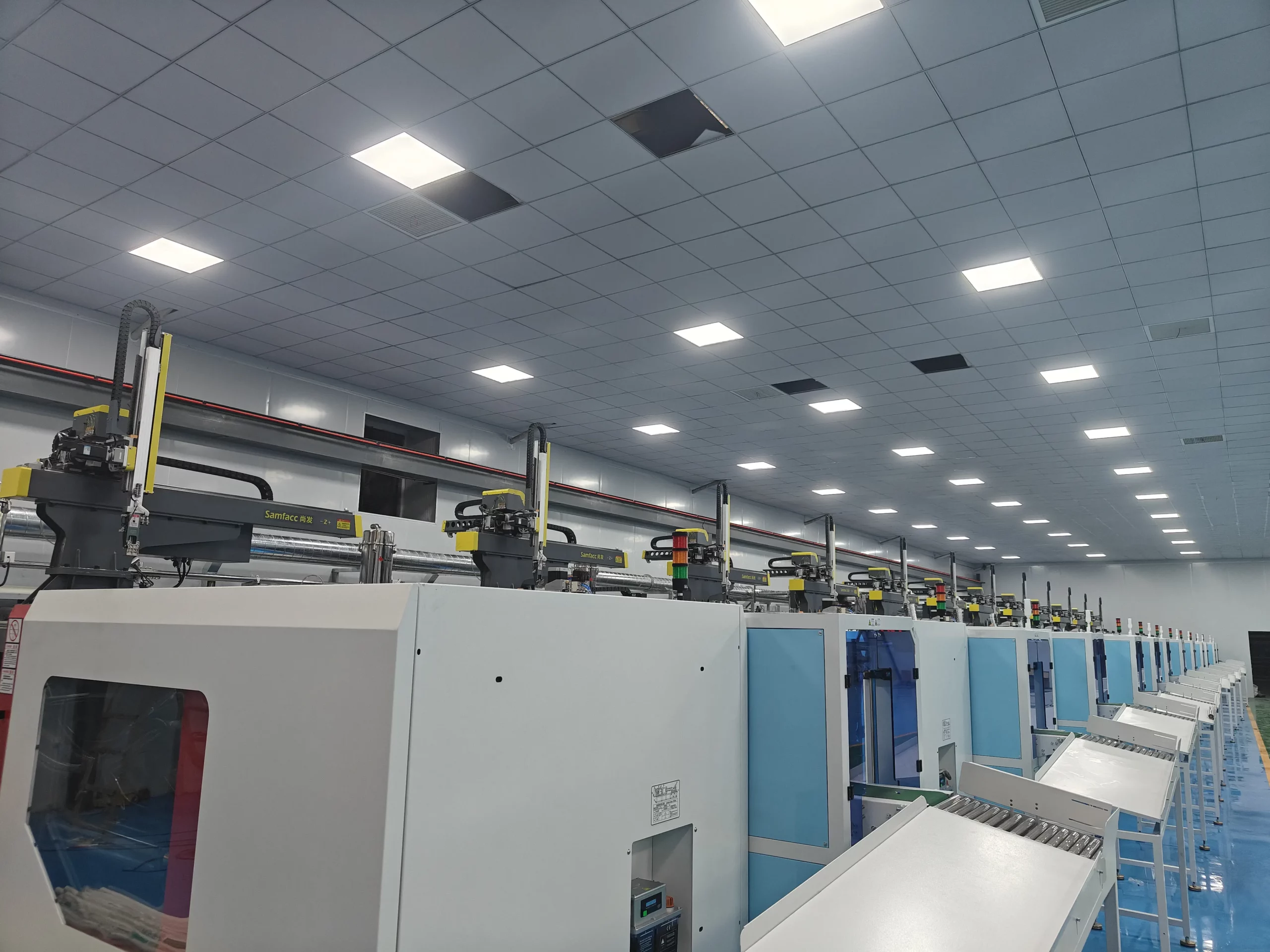
While In-Mold Labeling (IML) is renowned for its high efficiency, the technical challenges inherent in the process cannot be overlooked; consistent quality can only be achieved through precise control by engineers.
- Static Electricity Management: Static electricity can cause labels to stick together or misalign during the picking process. Proper grounding and static elimination systems on the robot end-of-arm tooling are necessary to mitigate this.
- Label Registration: If the mold or robot shifts slightly, the label may be placed incorrectly. Only by consistently performing regular maintenance and calibration on IML equipment can stable, high-quality output be ensured.
- Material Compatibility: The label must be able to withstand the high temperatures of the molten plastic without warping or discoloring.
- Mold Design: The mold must accommodate the label placement mechanism, often requiring specific grooves or vacuum holes to hold the label in place before injection.
结论
The shift towards automated decoration is reshaping the injection moulding industry, and IML in-mould labeling stands at the forefront of this transformation. By combining high-quality graphics with the efficiency of in-mold processing, this technology offers a compelling solution for modern packaging needs. As robotics continues to advance, becoming faster and more intelligent, the barriers to entry for IML in-mould labeling are lowering, making it accessible to a wider range of manufacturers.
Implementing a robust IML in-mould labeling system can transform your manufacturing capabilities, reducing waste and enhancing product appeal. Evaluate your current automation setup and consider how integrating specialized IML robotics can drive your production efficiency to the next level.