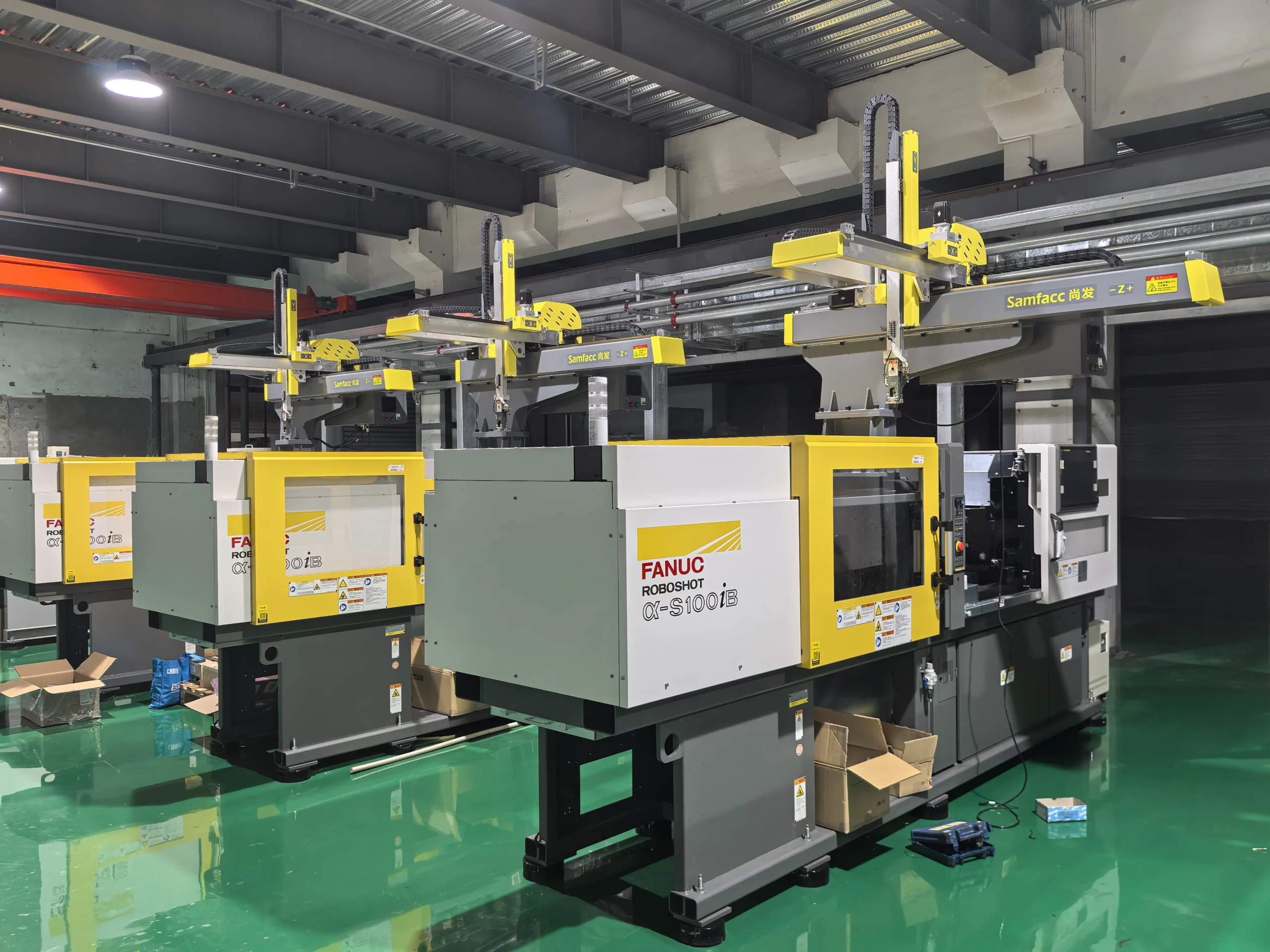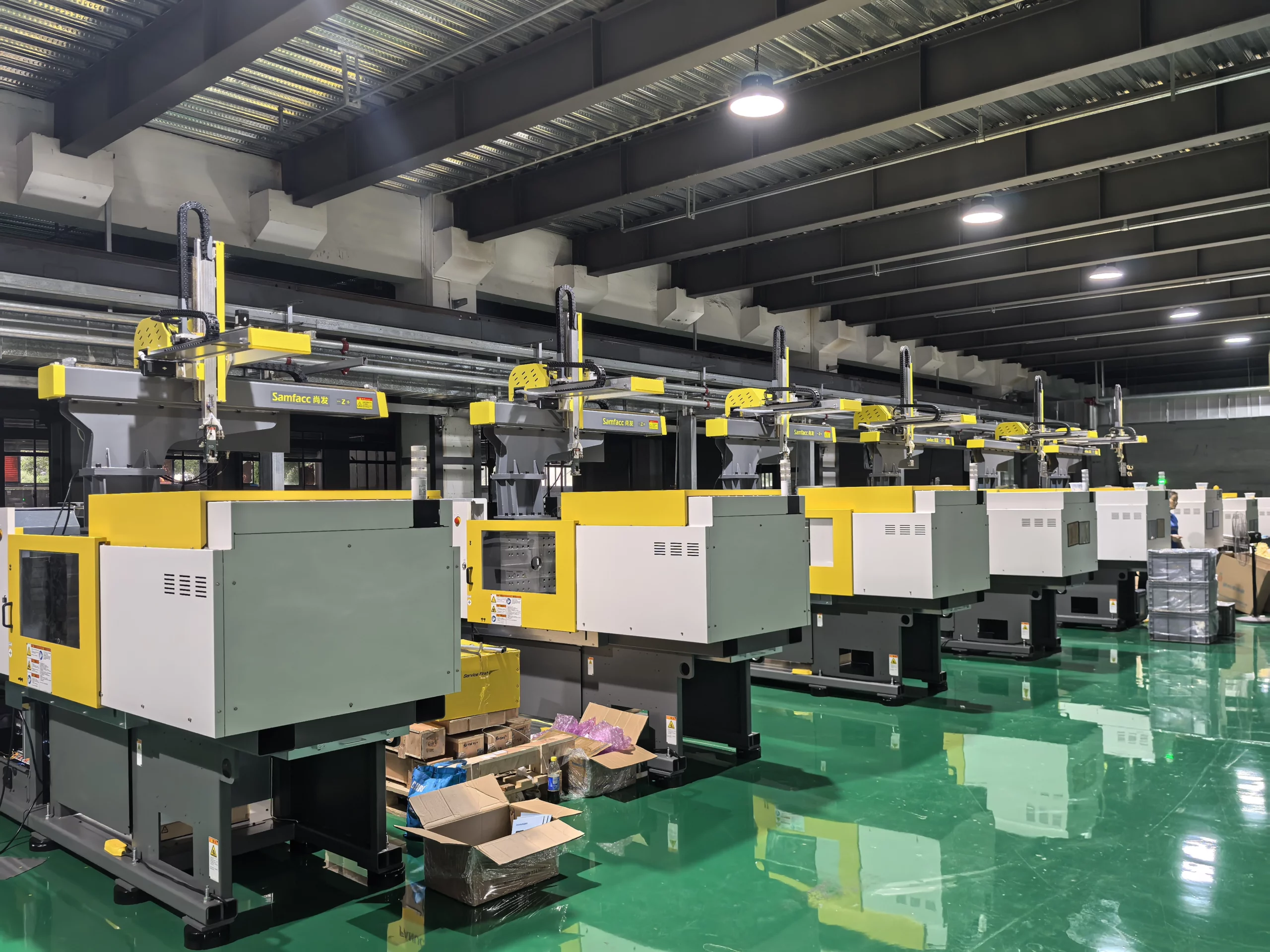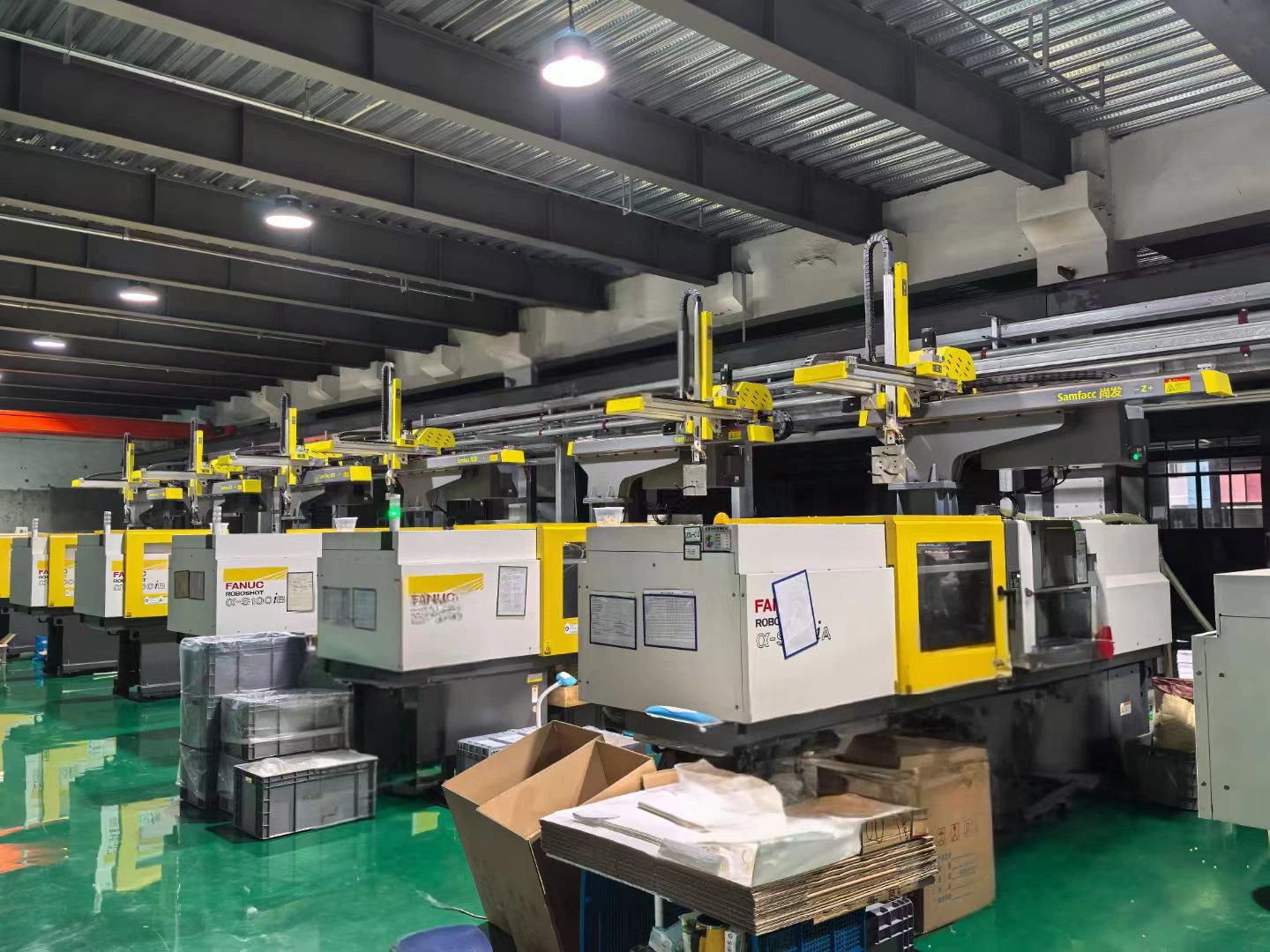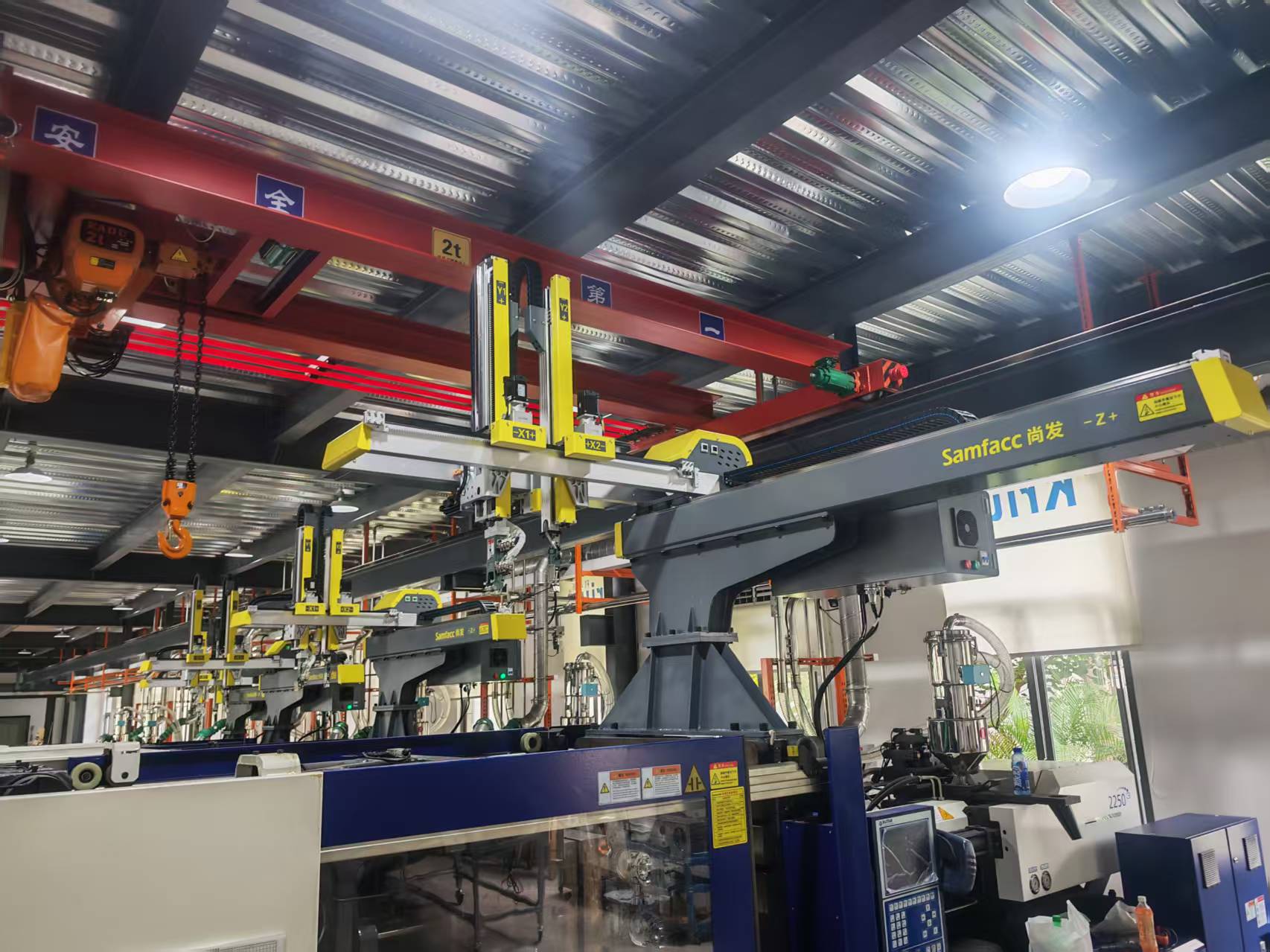
In today’s competitive manufacturing landscape, efficiency and consistency are paramount. For industries relying on plastic injection molding, integrating IT robotic automation is no longer a luxury but a necessity for survival and growth. This technology replaces manual labor for tasks like part removal, stacking, and packaging, leading to faster cycle times and a safer work environment. This guide explores the different types of robots available and how they can transform a production line.
The Core of Modern Manufacturing: IT Robotic Automation
At its heart, IT robotic automation in this context refers to the use of programmable robotic arms designed to work alongside injection molding machines (IMMs). These robots are engineered to handle the entire post-molding process with precision and speed that human operators cannot match.
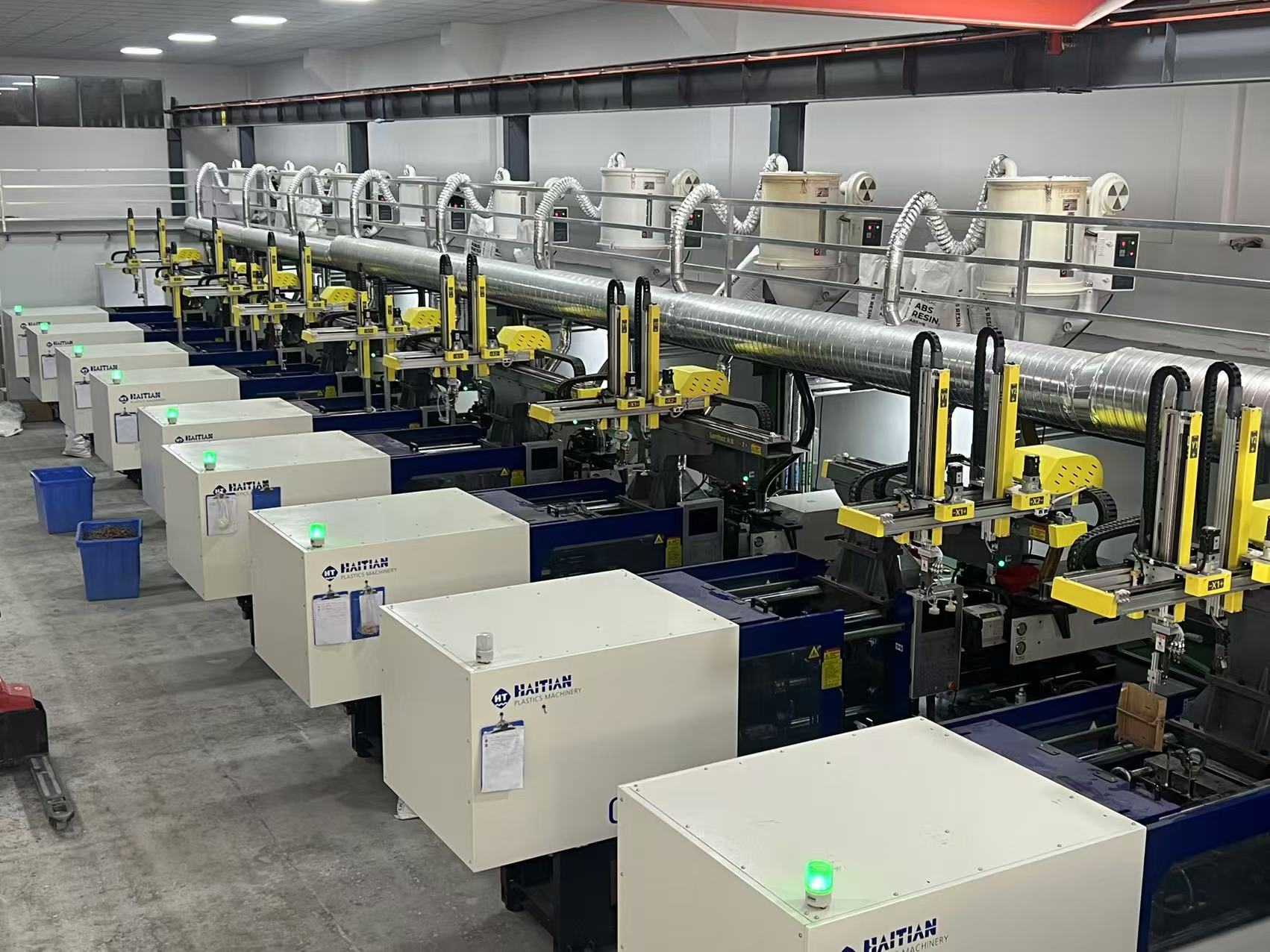
The primary goal is to create a seamless, 24/7 production cell. A well-implemented robotic automation system takes a finished part from the mold, performs any necessary secondary operations (like degating or inspection), and places it on a conveyor or stacks it for packaging. This level of integration minimizes machine idle time and ensures that every production cycle is identical to the last, guaranteeing product quality.
Key Types of Robots in IT Robotic Automation
Not all automation is the same. The choice of robot depends heavily on the mold type, part geometry, and required cycle time. Here are the most common configurations found in a modern factory.
Traverse Robots: The Versatile Workhorse
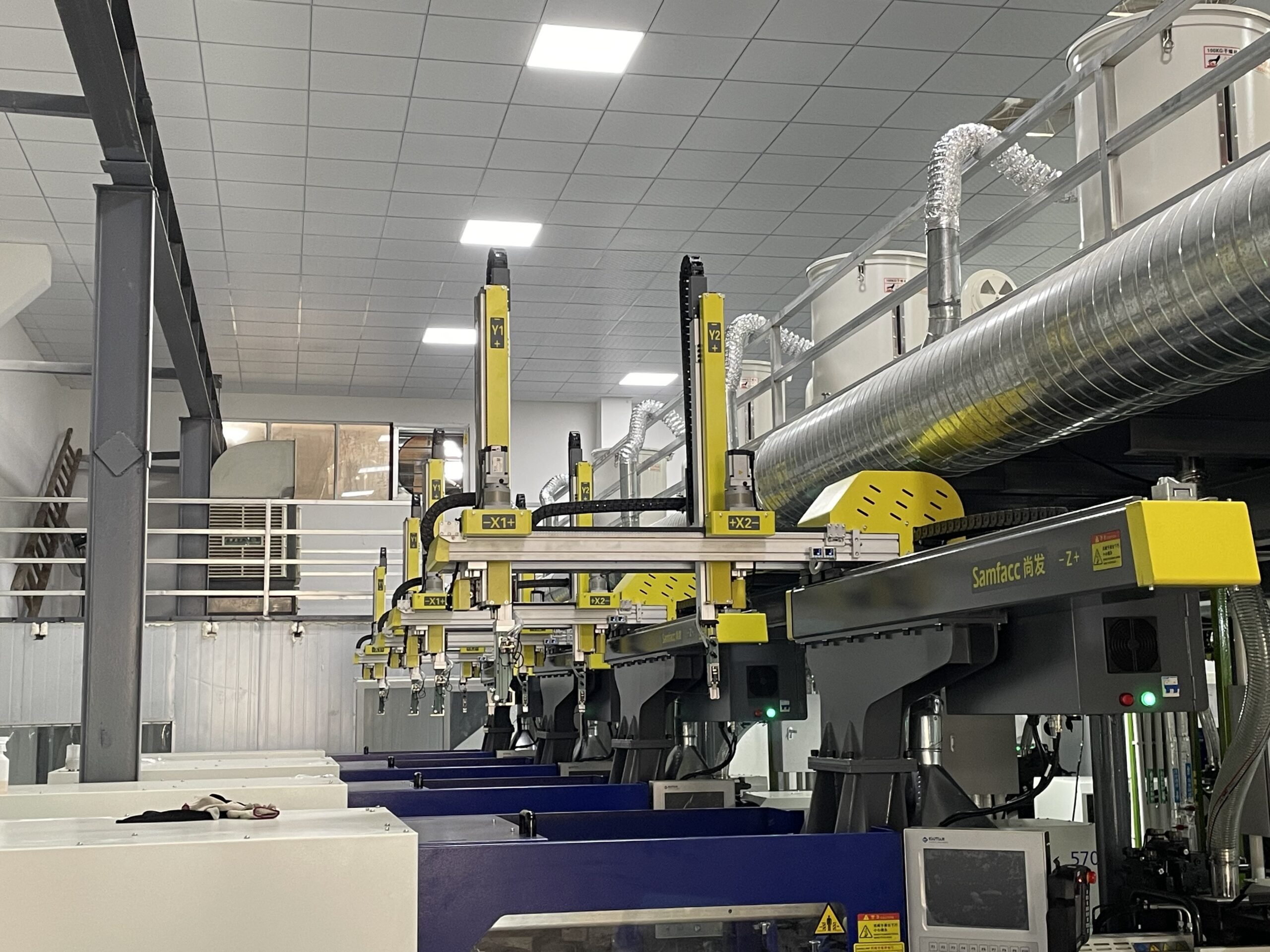
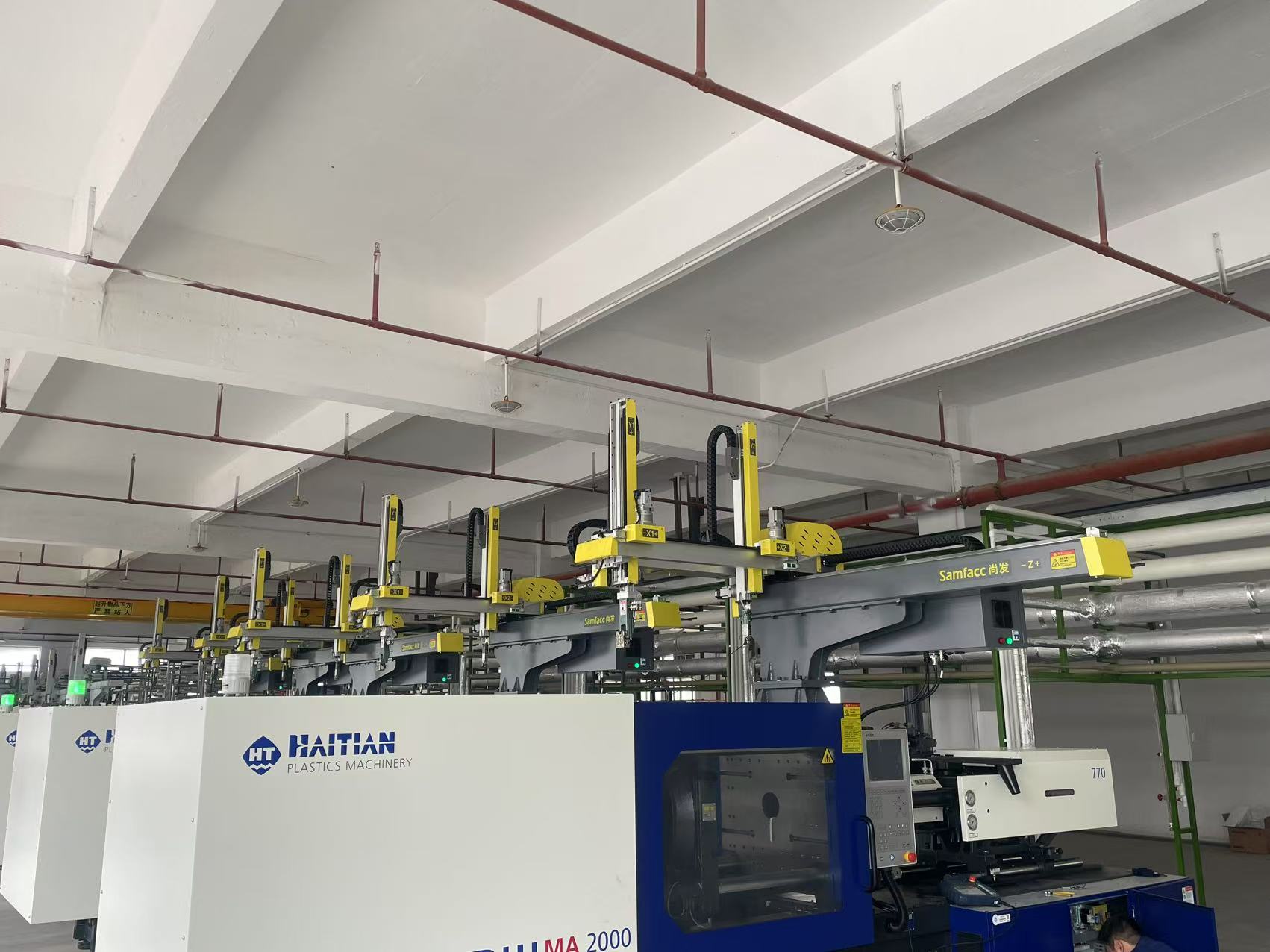
"(《世界人权宣言》) 横移机器人 is the most widely used solution in robotic automation. As the name suggests, the robot arm moves on a track across the top of the injection molding machine.
- Function: It enters the mold area from the top, grips the part and sprue, and retracts to the side of the machine to release them.
- Applicable fields: Covers a wide range of industrial applications, handling everything from simple part retrieval to complex pick-and-place operations with ease. They are highly flexible and can be programmed for a wide range of tasks, making them a cornerstone of IT robotic automation.
- Variations: These come in standard versions for general use and high-speed versions for applications with very short cycle times, such as thin-wall container production.
Side-Entry Robots: Built for Speed
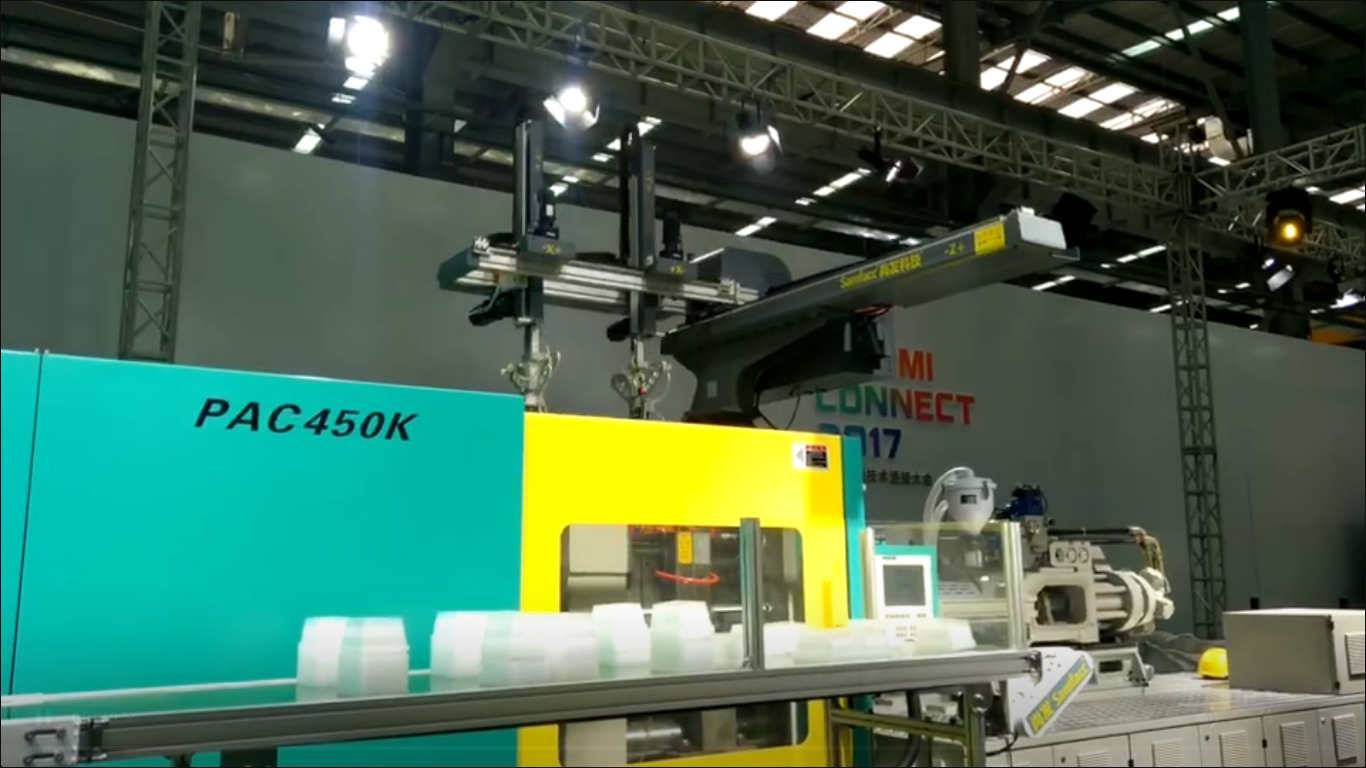
When cycle times are measured in seconds, a side-entry robot is often the best choice for robotic automation.
- Function: This robot is mounted on the side of the injection molding machine and enters the mold horizontally, parallel to the mold plates’ opening and closing.
- Best For: High-speed packaging molds, like those for yogurt cups or disposable cutlery. The motion is synchronized with that of the mold, enabling it to remove the part and insert the new label or part very quickly, thus increasing productivity.
In-Mold Labeling (IML) Robots: Precision Placement
IML is a specialized process that requires extreme accuracy, making it a perfect application for advanced robotic automation.
- Function: An IML robot has a dual function. First, it picks a pre-cut label and places it precisely inside the open mold. After the mold closes and the plastic is injected, the robot re-enters to remove the now-decorated part.
- Best For: Food containers, buckets, and thin-wall packaging where the label is fused into the product. The robot arm must be gentle and precise to avoid damaging the label, a task at which IT robotic automation excels
Vertical Robots: The Space-Saving Solution
For factories where floor space is at a premium, vertical robots offer a compact robotic automation solution.
- Functions: This robot arm is fixed onto a vertical support column and works above the injection molding machine.
- Best For: Facilities with machines placed close together or where side access is restricted. It provides all the benefits of automation without requiring additional floor space next to the press.
The Tangible Benefits of IT Robotic Automation
Investing in IT robotic automation delivers a clear return on investment (ROI) through several key advantages.
1. Increased Productivity and Consistency
Robots do not get tired, take breaks, or vary their speed. With the aid of automated robotic systems, every work cycle can be completed at extreme speed, enabling continuous, round-the-clock operation, seven days a week. This consistency is crucial for meeting large orders and maintaining a steady supply chain.
2. Enhanced Workplace Safety
Injection molding can be a hazardous environment with high temperatures, heavy moving parts, and repetitive motions. Through the use of robotic automation, manufacturers are able to eliminate human workers in such hazardous regions, thus greatly minimizing the chances of work-related accidents.
3. Superior Product Quality
Human handling can introduce defects like fingerprints, scratches, or deformation, especially with delicate parts. A robotic arm uses programmed force and gentle grippers to handle products consistently, ensuring that every piece leaving the machine is perfect. This is a key advantage of precise robotic automation.
4. Reduced Operational Costs
Although the initial investment requires a certain amount of capital, the long-term economic benefits (or long-term cost savings) it yields are substantial. Robotic automation reduces labor costs, minimizes product waste due to human error, and optimizes material usage. The ability to run lights-out (unmanned) production further amplifies these savings.
Integration and Control: The Brains of the Operation
A robot is only as good as its control system. Modern IT robotic automation is powered by advanced servo motors on every axis. This ensures smooth and controllable equipment operation while enabling high-precision positioning.
Operators can easily program the robot’s movements through a user-friendly interface, teaching it complex paths for stacking or assembly. Furthermore, these systems are designed for easy integration with other factory equipment, such as conveyors, vision inspection systems, and packaging lines, creating a fully connected and automated manufacturing cell.
结论
The adoption of robotic automation is a strategic move for any injection molding business aiming for long-term success. By selecting the right type of robot—whether it’s a versatile traverse model, a high-speed side-entry system, or a precise IML unit—manufacturers can dramatically improve their efficiency, safety, and product quality. As technology continues to advance, these robotic systems will become even more intelligent and integral to the future of smart manufacturing.
If you found this guide to IT robotic automation insightful, be sure to follow our channel for more in-depth articles on the latest trends and technologies shaping the future of industrial manufacturing.