 Chinese
 English
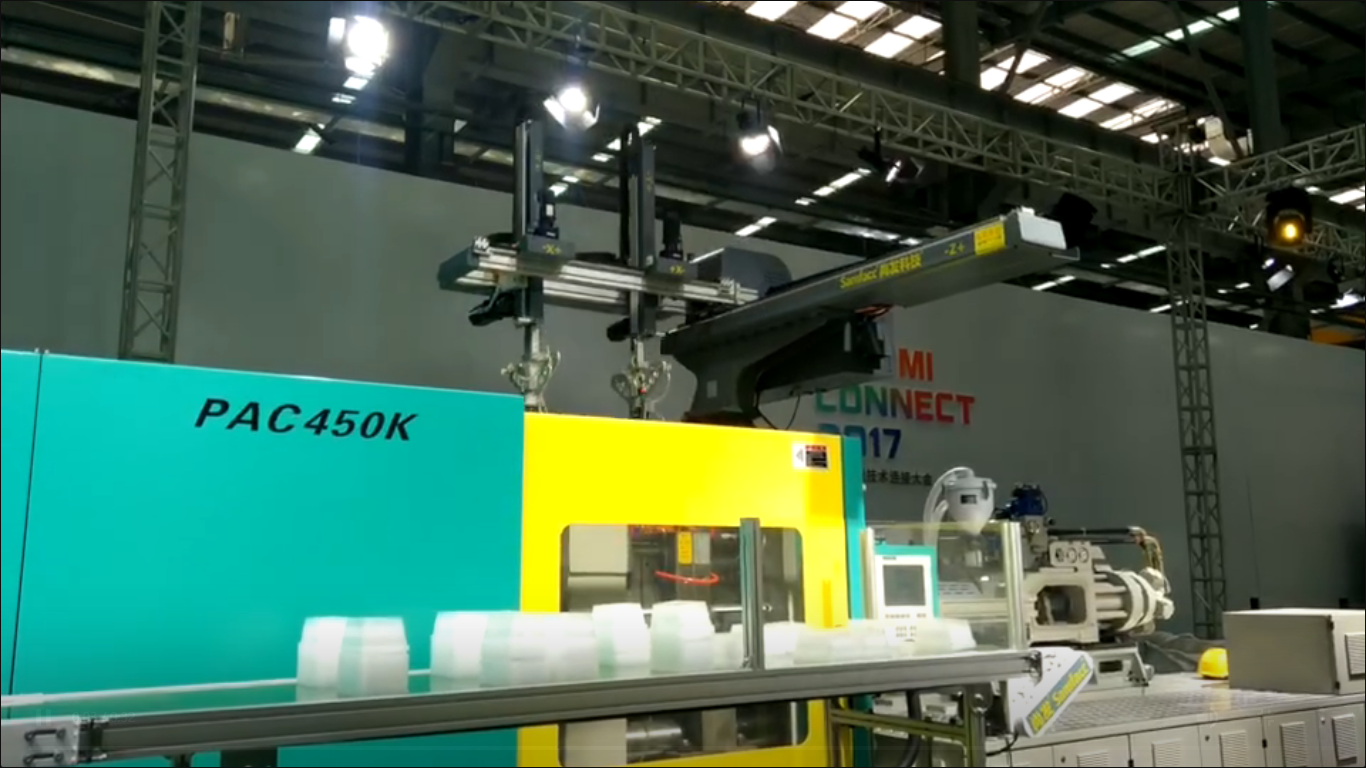
In the case of the medical device and sterile packaging manufacturing industries, the acronym IML robot stands for In-Mold Labeling robot. It is a piece of equipment that implies a high-speed automated robotic arm used to put printed labels into an injection mold prior to injecting the molten material into it. Due to the high temperature and pressure involved in the molding process, the resin and label become one solid unit. Unlike post-labeling approaches, utilizing the IML 机器人 excludes the possibility of delamination, adhesive contamination, and human involvement, which makes it an integral component of an automated cleanroom environment.
1. Why the Use of an IML Robot is Essential for Medical Manufacturing
Medical device manufacturing is conducted according to the most stringent manufacturing standards worldwide, which include ISO 13485 quality management systems and extremely clean Class 100,000 cleanrooms.
Zero Contamination Risk
The use of an IML robot makes it possible to automate both the feeding process and product pick-off and reduces human intervention to 0%, which significantly reduces bioburden in ISO 7 to ISO 8 cleanrooms.
Resistance to Sterilization and Chemicals
Due to being embedded right under the surface of the plastic part, the finished medical device is easily sterilized by a 121°C steam autoclave cycle and is easily cleaned using 70% IPA (isopropyl alcohol).
Uncompromising Traceability
An IML robot allows placing the Unique Device Identification (UDI) matrix codes, production lot numbers, and volumetric fill lines in the most accurate way possible.
2. Working Principle and Technical Advantages of an IML Robot
IML robot process cycle depends on precise mechanical synchronization, which requires completing several physical movements in milliseconds when the injection mold is open.
 Process Sequence
Label pick & charge:
The robot end-effector takes ultra-thin medical labels (with a thickness ranging between 50 and 80 microns) from the magazine, then charges them with a high-voltage electrostatic field (between 20 and 30 kV).
Mold insertion under acceleration:
Once the mold parts start separating, the robot reaches a speed of 12 G and quickly inserts the labels into the mold.
In-mold label fusion & part removal:
With the mold closed and injected with the molten material (polypropylene or cyclic olefin copolymer) at 230°C, the tooling head rotates to take out the ready parts from the previous injection molding cycle.
Vision inspection & stacking:
Camera modules check the label placement and barcode scannability in 0.1 seconds to allow the units to be sent to the stacker.
Key Technical Advantages
| Performance Metric | Traditional Pressure-Sensitive Labeling | High-Speed IML Robot System |
| Placement Precision (±0.03 mm) | ★☆☆☆☆ | ★★★★★ |
| Cleanroom Particle Control | ★★☆☆☆ | ★★★★★ |
| Label Fusion Durability | ★★☆☆☆ | ★★★★★ |
| Production Cycle Efficiency | ★★☆☆☆ | ★★★★☆ |
| Sterilization Resistance | ★☆☆☆☆ | ★★★★★ |
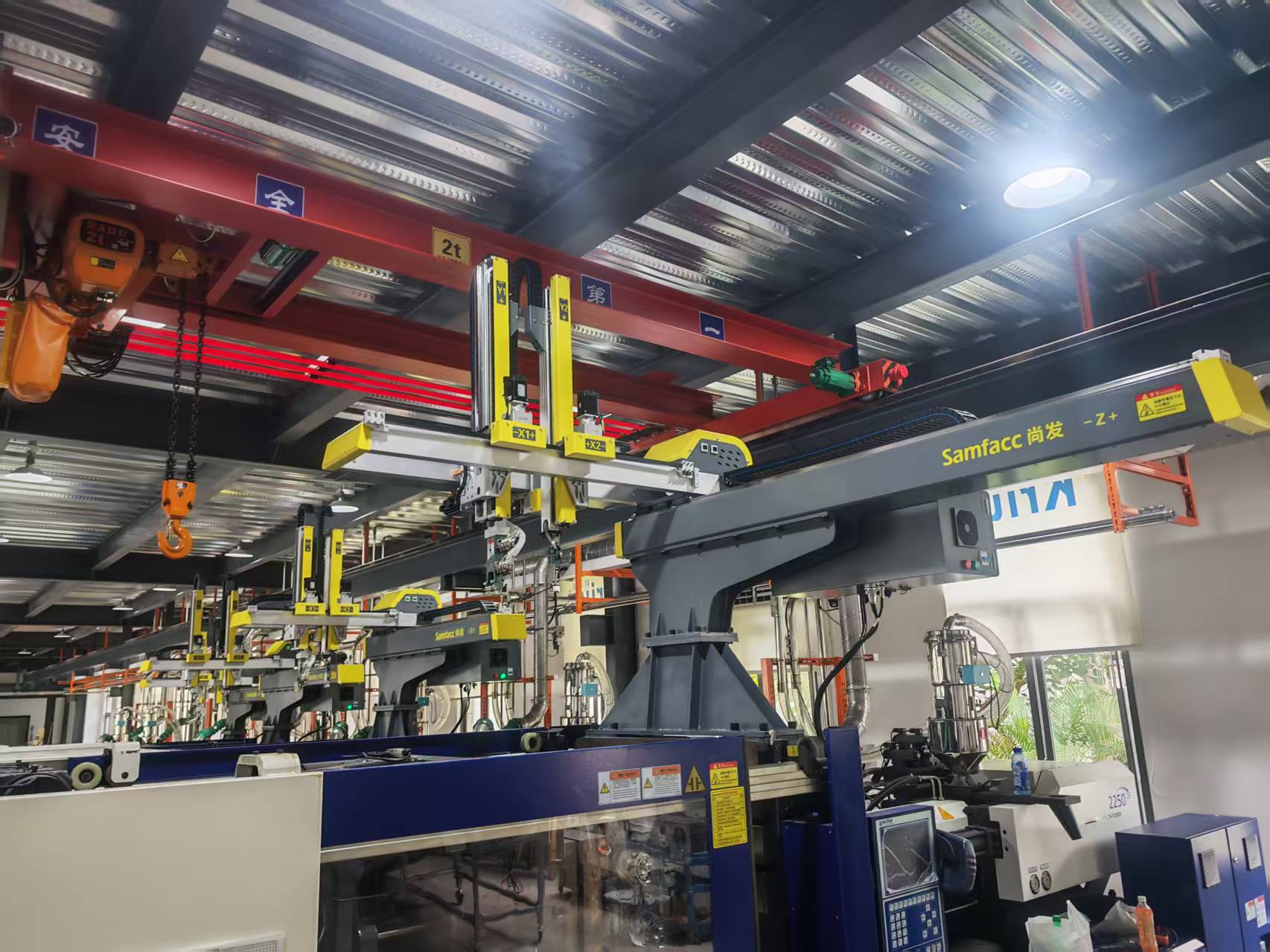
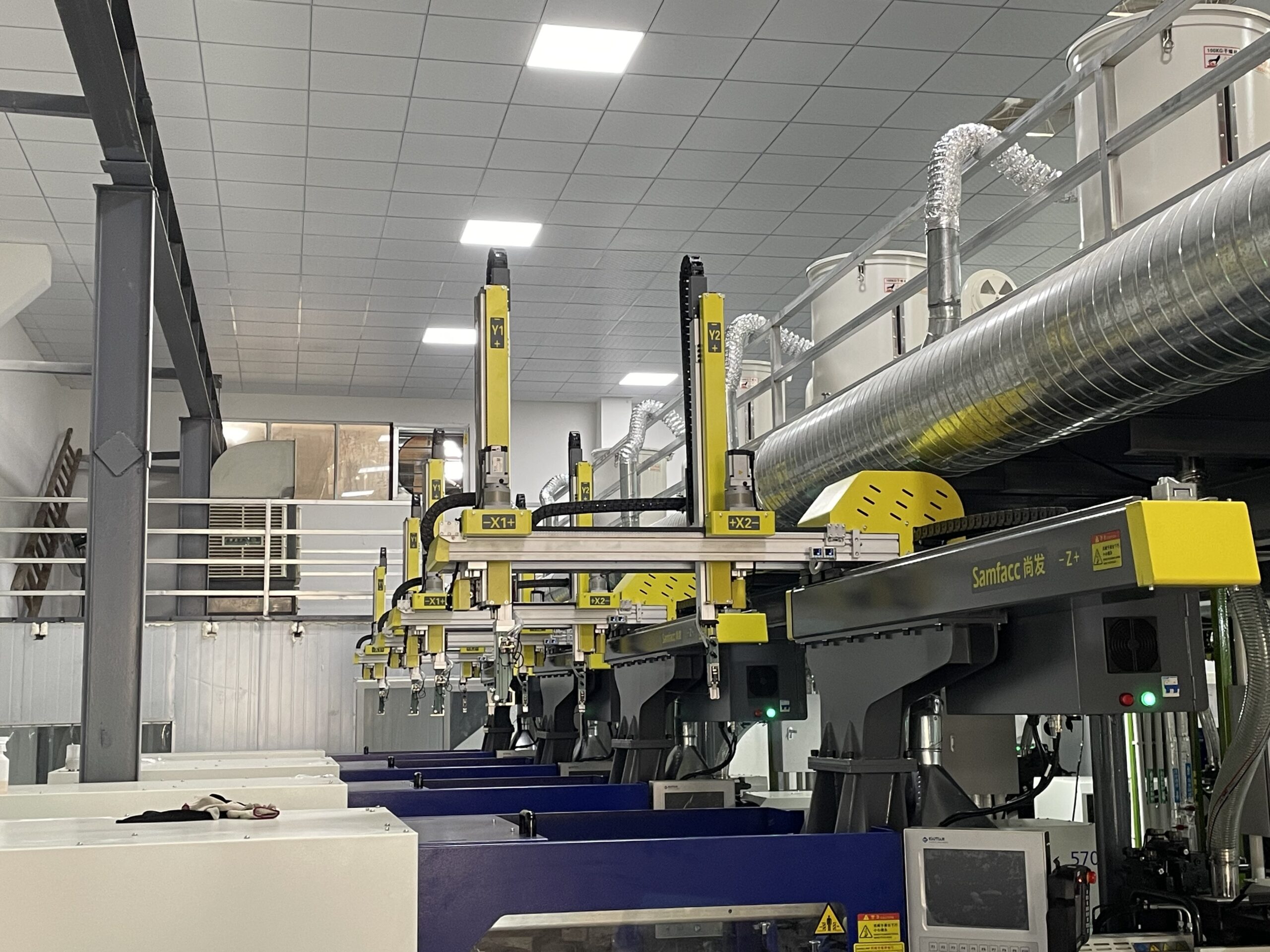
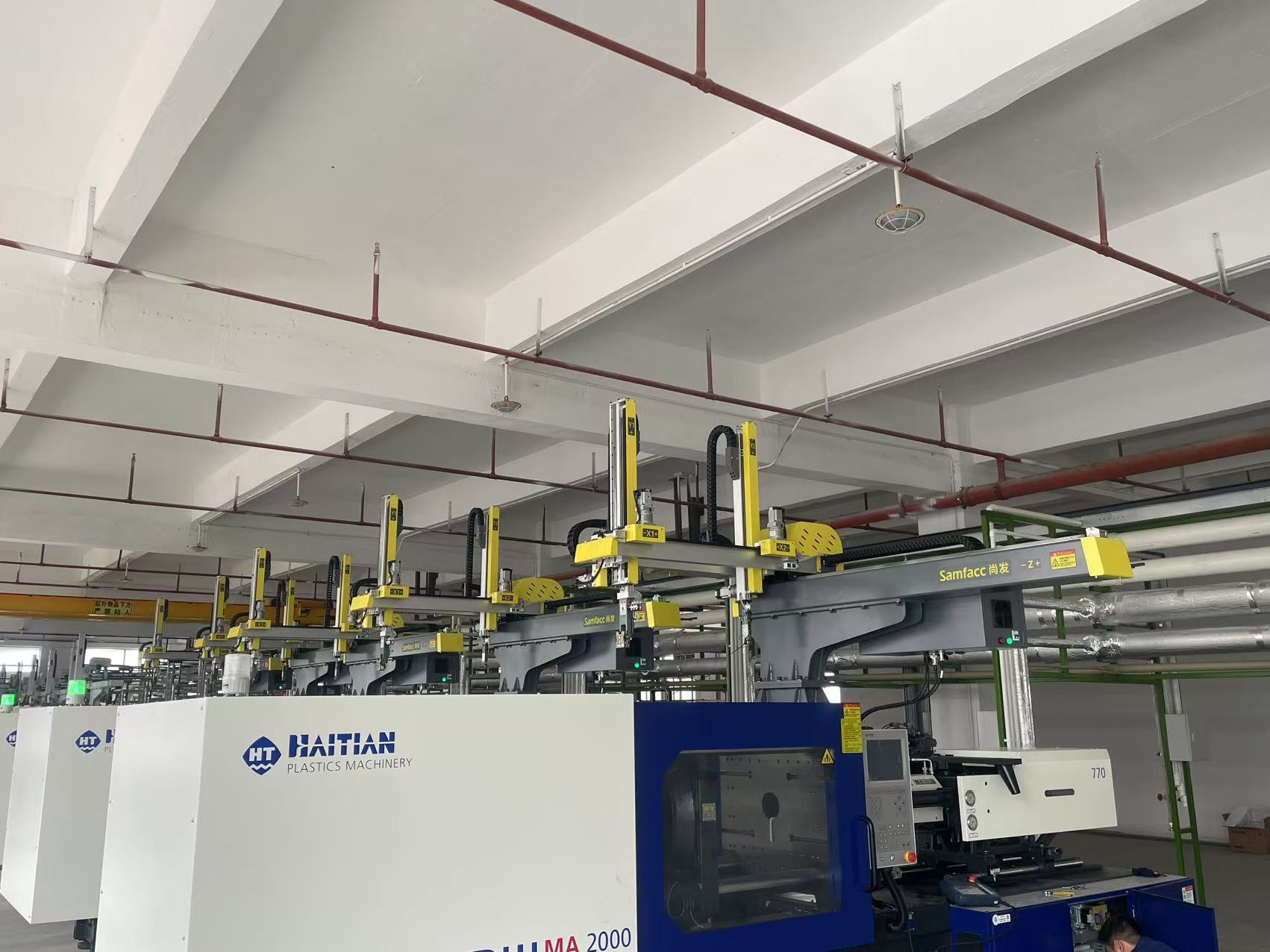
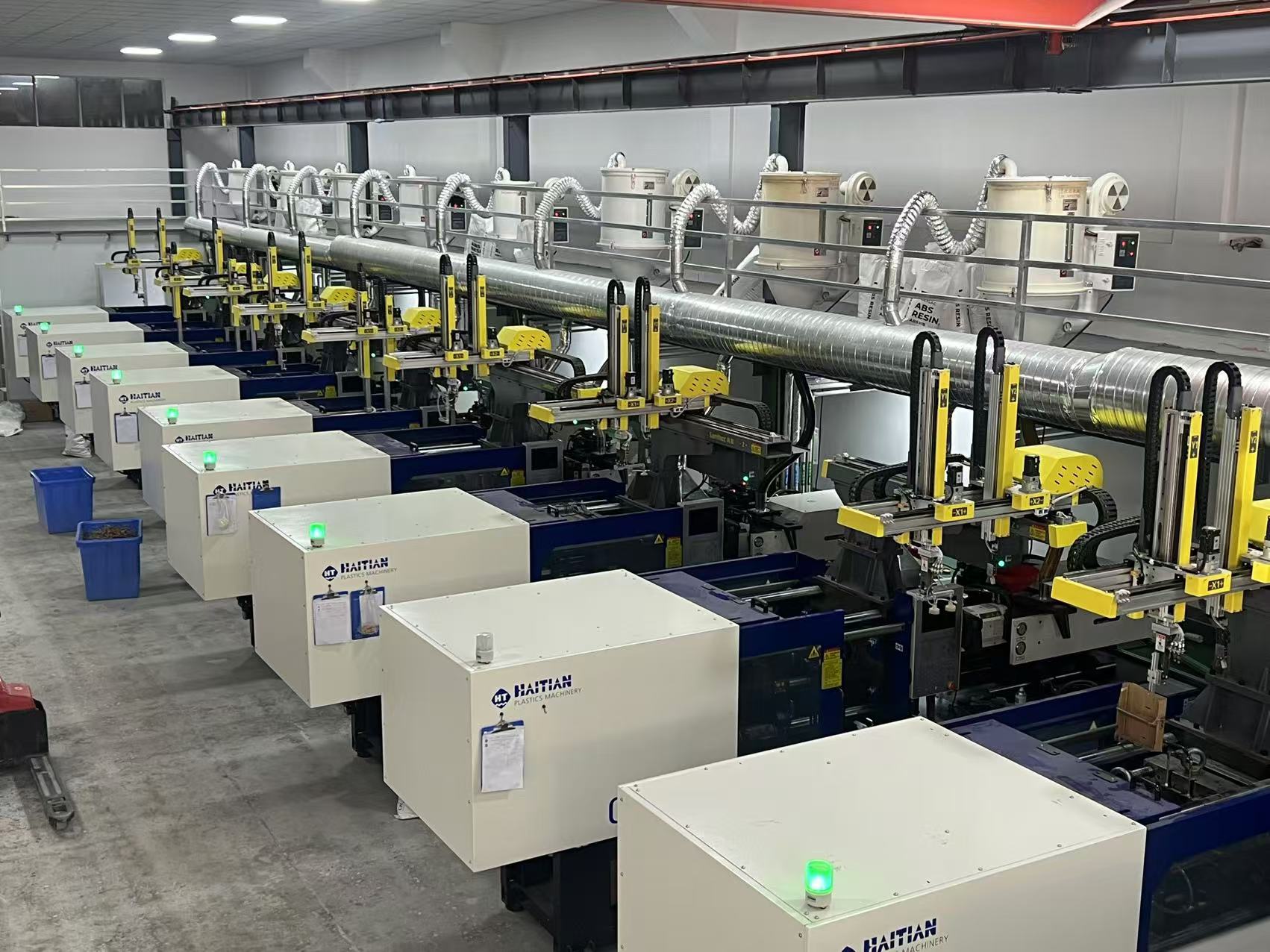
In fast-paced medical manufacturing environments, automated equipment like the SAMFACC SFK series high-speed robot demonstrates how advanced servo movement streamlines this exact workflow. Built with compact, low-vibration arm modules and response times well under 2.5 seconds, units like the SAMFACC SFK series integrate seamlessly alongside multi-cavity medical molds, ensuring smooth label placement while keeping total injection cycle times down.
3. Specific Application Scenarios for IML Robot Systems in Healthcare
Medical-grade IML robot automation performs challenging fabrication jobs in different healthcare industries where precise and sanitary handling together with structural precision is required.
Diagnostic & Laboratory Consumables
Used for PCR plates, centrifuge tubes, cuvettes, and reagent cartridges. Precise positioning by the IML robot guarantees that the graduation marks are still accurate and visible.
Drug Delivery & Injection Devices
Important for pre-filled syringe barrels, insulin pen cartridges, and auto-injector cartridges, keeping dosage markers and counterfeit protection features protected from rough handling.
Fluid Management & Specimen Collections
Installed into manufacturing lines producing petri dishes, blood specimen vials, and urine sample tubes, providing a smooth interior surface, eliminating the places where bacteria can stick.
Key Selection Criteria for a Medical-Grade IML Robot
Choosing the right automated labeling cell for health care components means considering important parameters regarding mechanics, electronics, and the environment. Integrating an IML robot into a medical manufacturing line includes unique engineering aspects in contrast to traditional food container packaging systems.
Payload and Arm Stiffness
The end-of-arm tooling must support multi-cavity grippers (often 16 to 32 cavities) without flexing. Carbon-fiber arm construction minimizes mass while ensuring positional repeatability within ±0.02 mm.
Electrostatic Charge Stability
Precise calibration of the static generator in terms of proper charge levels is vital to avoid any problems with the label (slippage, static interference in the case of electronic sensors).
Clean Room Compliant Lubricants
Drive components should be compatible with food-grade lubricants that do not outgas and use cable chains.
Vision System
Downstream CCD cameras should confirm label orientation, print integrity, and edge flash in real time at the line’s full speed.
结论
The introduction of IML robot automation in medical products manufacturing revolutionizes the traditional plastic components production process, turning it into a perfectly efficient one without defects. Using in-line electrostatically applied labels instead of post-molding gluing operations allows medical device manufacturers to ensure absolute sterility, unbreakable traceability, and high dimensional accuracy. With more stringent hygiene and serial number regulation requirements in international regulations, implementation of an IML robot system becomes critical for up-to-date cleanroom facilities that are seeking increased efficiency and reduced risk of quality problems.
If you need any information on IML robot automation for medical products or mold integration and cleanroom equipment selection, SAMFACC will be happy to help.