What Makes a Production Line Robot Essential for Smart Factories?

As manufacturers face growing pressure to improve productivity, reduce costs, and maintain consistent quality, the production line robot has become a key technology in modern smart factories. From automated assembly and material handling to quality inspection and packaging, robotic systems are transforming how products are manufactured. With the rise of Industry 4.0, artificial intelligence, and data-driven production management, understanding the role of an industrial robot is more important than ever. This article explores why these systems are essential for smart factories and how they support efficient manufacturing operations.

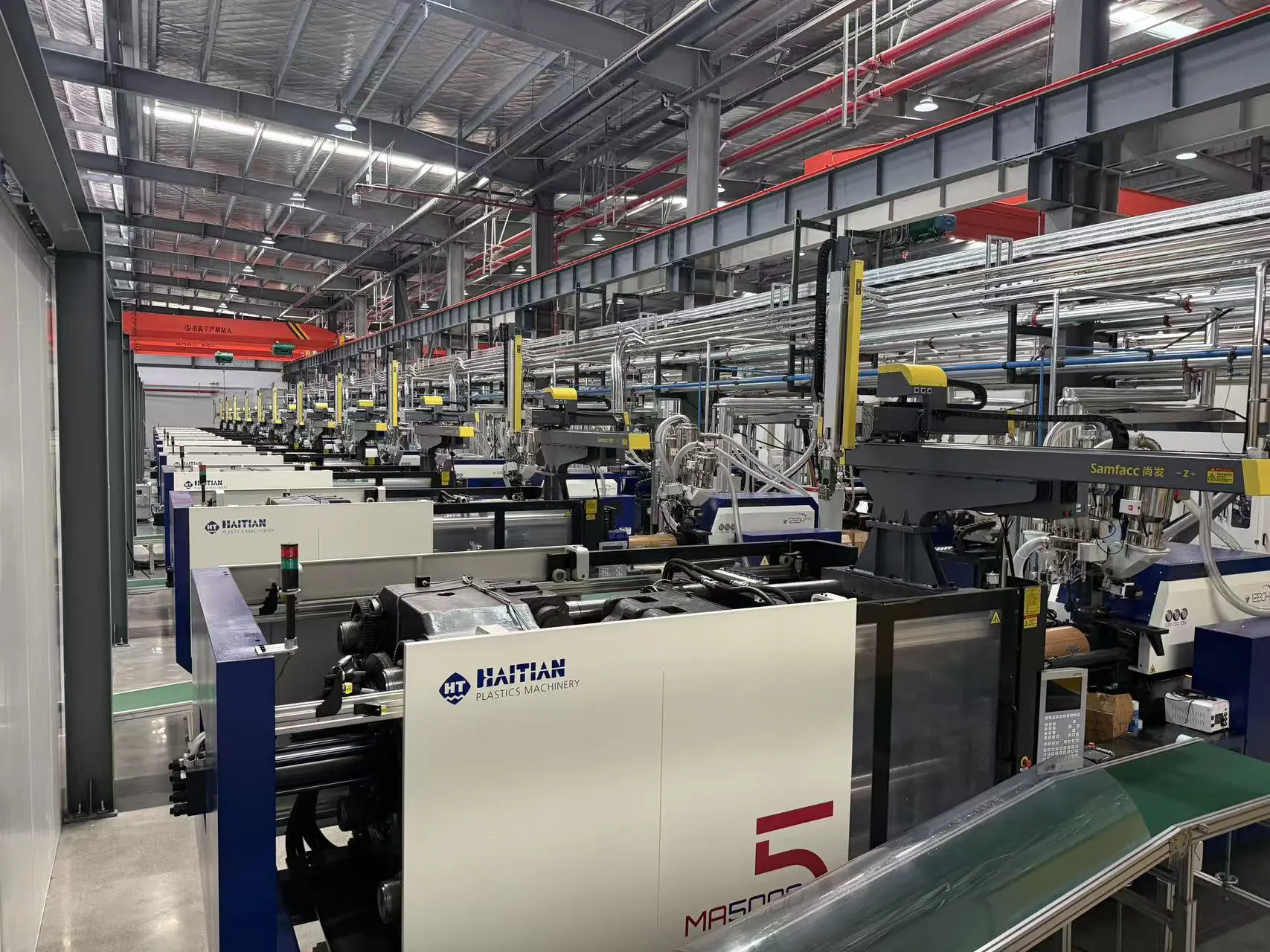
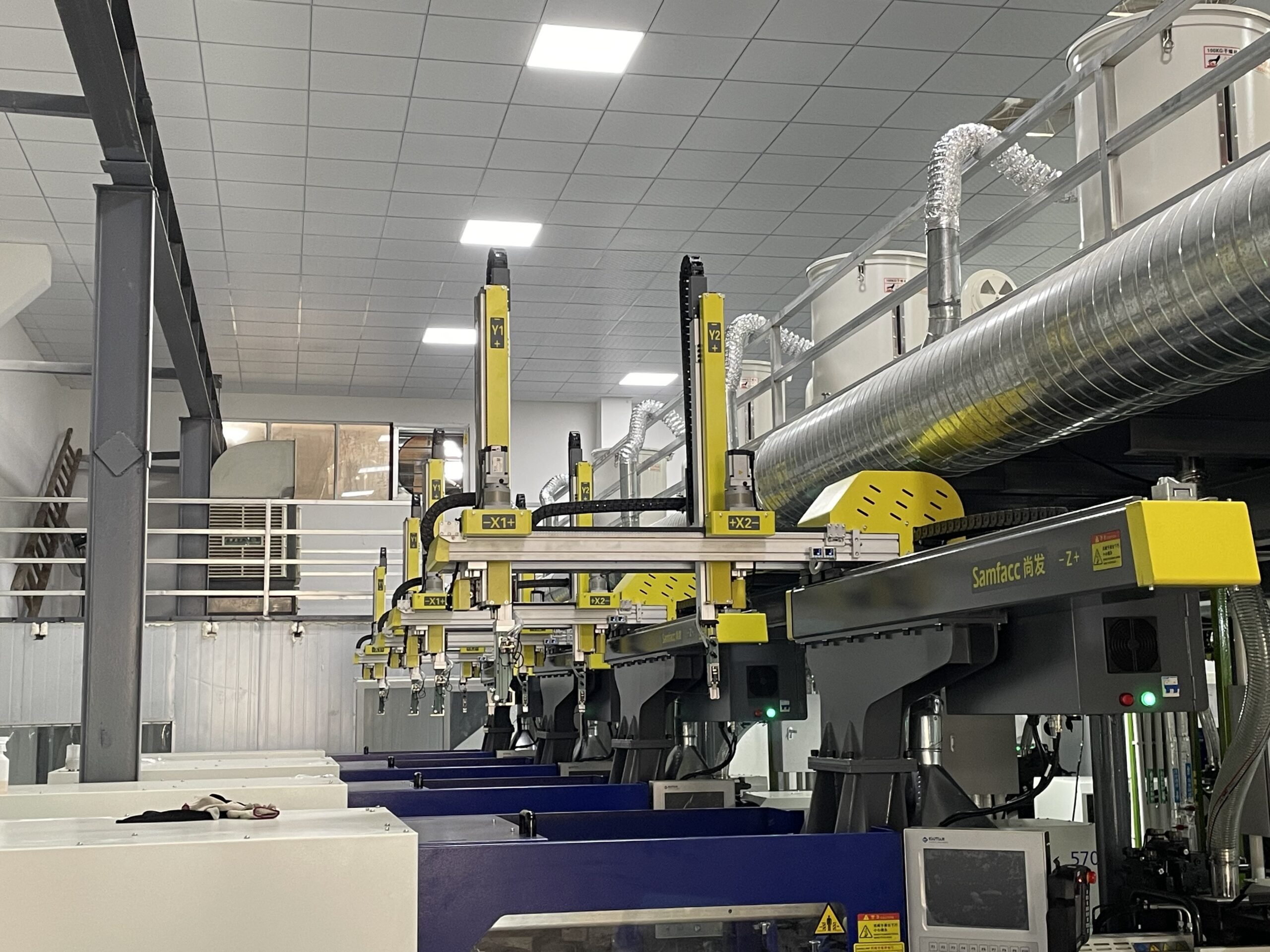
Production Line Robot (2)

How Does a Production Line Robot Improve Manufacturing Efficiency?

A manufacturing robot helps manufacturers optimize production processes by combining automation, precision, and data-driven operations. In smart factories, robotic systems contribute to efficiency improvements in several key areas:

  • Higher Production Throughput: Automated Production Robots can operate continuously with minimal downtime, allowing manufacturers to increase output while maintaining stable production performance.
  • Improved Product Consistency: By following programmed instructions with high accuracy, an industrial robot reduces variations between products and helps maintain consistent quality standards.
  • Reduced Human Error: Automation minimizes mistakes associated with repetitive manual tasks, improving overall production reliability and reducing rework rates.
  • Real-Time Process Monitoring: Modern production line robots can connect with factory management systems, providing valuable operational data that supports faster decision-making and process optimization.
  • Predictive Maintenance Support: Data collected from robotic equipment can help identify potential issues before failures occur, reducing unexpected downtime and maintenance costs.

Together, these capabilities make an automated production robot an essential tool for manufacturers seeking greater efficiency, improved quality control, and more flexible production operations.

Key Functions of an Automated Production Robot

1. Automated Assembly Operations

Assembly is one of the most common applications for an industrial robot. Robots can perform tasks such as fastening, welding, dispensing, inserting, and component positioning with high accuracy.

Benefits include:

  • Consistent assembly quality
  • Reduced production errors
  • Faster cycle times
  • Lower dependence on manual labor

These advantages make robotic assembly a fundamental element of smart manufacturing systems.

2. Material Handling and Transfer

Only by making material handling efficient can productivity be guaranteed. A production line robot can automate loading, unloading, sorting, and transferring components between workstations. By reducing manual transportation tasks, manufacturers can improve workflow efficiency while minimizing the risk of product damage and workplace injuries.

3. Quality Inspection

Quality control remains a critical challenge for manufacturers. Modern manufacturing robots equipped with machine vision systems can inspect products in real time. These robotic inspection systems help identify defects, verify dimensions, and ensure assembly accuracy. This allows manufacturers to identify potential problems earlier in the production process and effectively reduce waste.

The Impact of Production Line Robots on Smart Manufacturing

1. Real-Time Data Collection

One of the defining characteristics of a smart factory is data connectivity. Every production line robot can collect information about production speed, equipment performance, and operational status. The ability to analyze production data is a major advantage of robotic automation.

This data enables manufacturers to:

  • Monitor production efficiency
  • Track equipment utilization
  • Identify maintenance needs
  • Improve decision-making

2. Improved Production Flexibility

Modern markets demand shorter product cycles and greater customization. Traditional manufacturing systems often struggle to adapt quickly to changing requirements. A programmable industrial robot can be reconfigured for different products, tasks, and production volumes. This flexibility helps manufacturers respond more effectively to market demands without extensive equipment changes.

3. Enhanced Process Consistency

Consistency is essential in industries such as electronics, automotive manufacturing, consumer products, and industrial equipment production. A production line robot performs tasks according to predefined parameters, ensuring that every operation follows the same standards. This consistency improves product quality while reducing variation between production batches.

Technologies Driving the Modern Production Line Robot

1. Artificial Intelligence Integration

Artificial intelligence is becoming increasingly important in robotic manufacturing systems. AI-powered industrial robots have the ability to analyze operational data, optimize motion trajectories, and adapt to dynamic production environments. Some systems can even identify patterns that indicate potential equipment failures, allowing maintenance teams to address issues before downtime occurs.

2. Machine Vision Systems

Machine vision technology expands the capabilities of a production line robot beyond simple automation. These capabilities improve both efficiency and quality control throughout the manufacturing process.

Vision-guided robots can:

  • Recognize product positions
  • Detect defects
  • Verify assembly accuracy
  • Sort components automatically

3. Collaborative Robotics

Collaborative robots, often referred to as Cobots in the industry, are designed to perform safe collaborative work alongside human operators. Unlike traditional robotic systems that may require extensive safety barriers, collaborative industrial robots can support workers in shared environments. This approach combines human flexibility with robotic precision, creating more efficient production workflows.

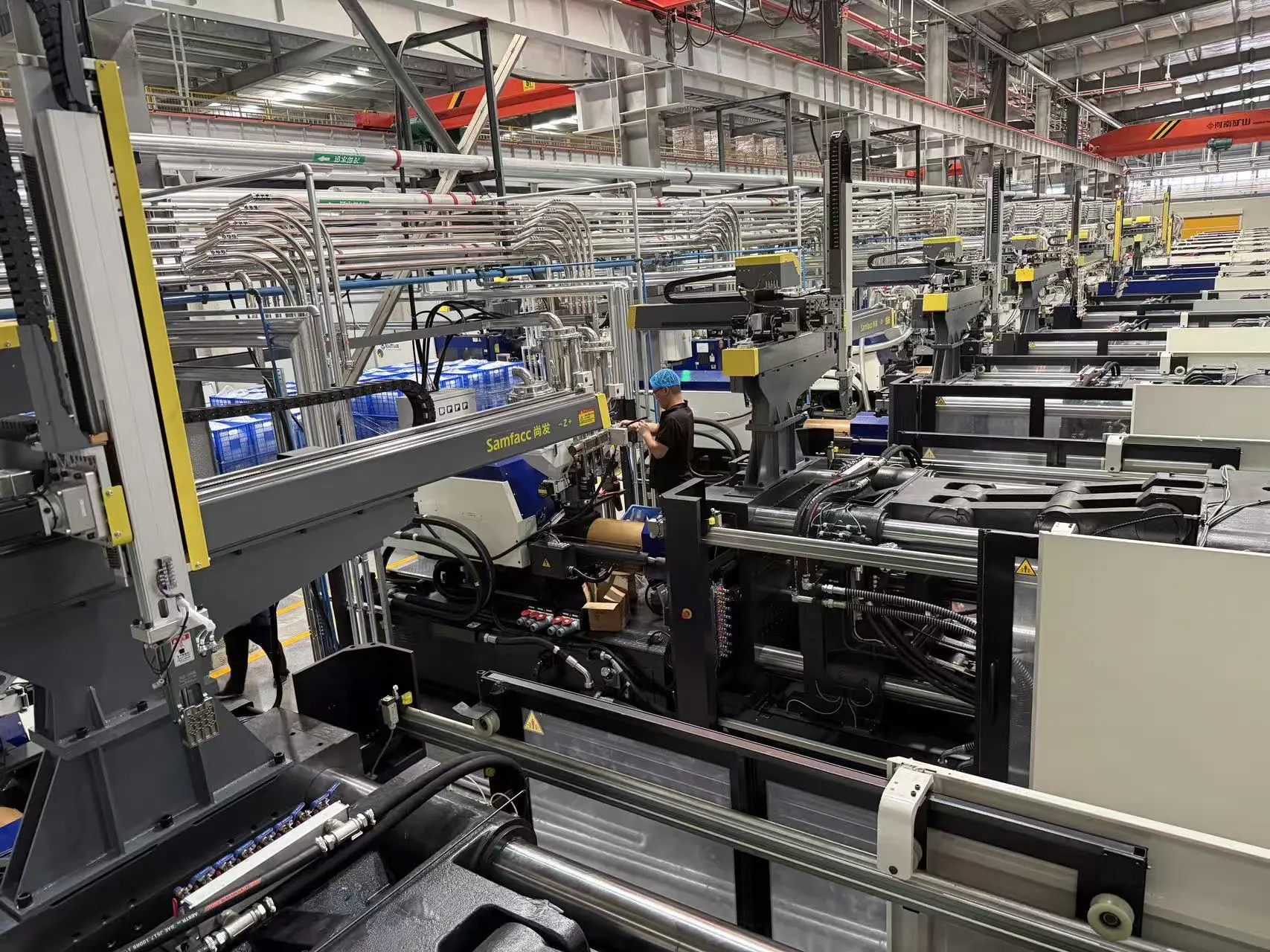
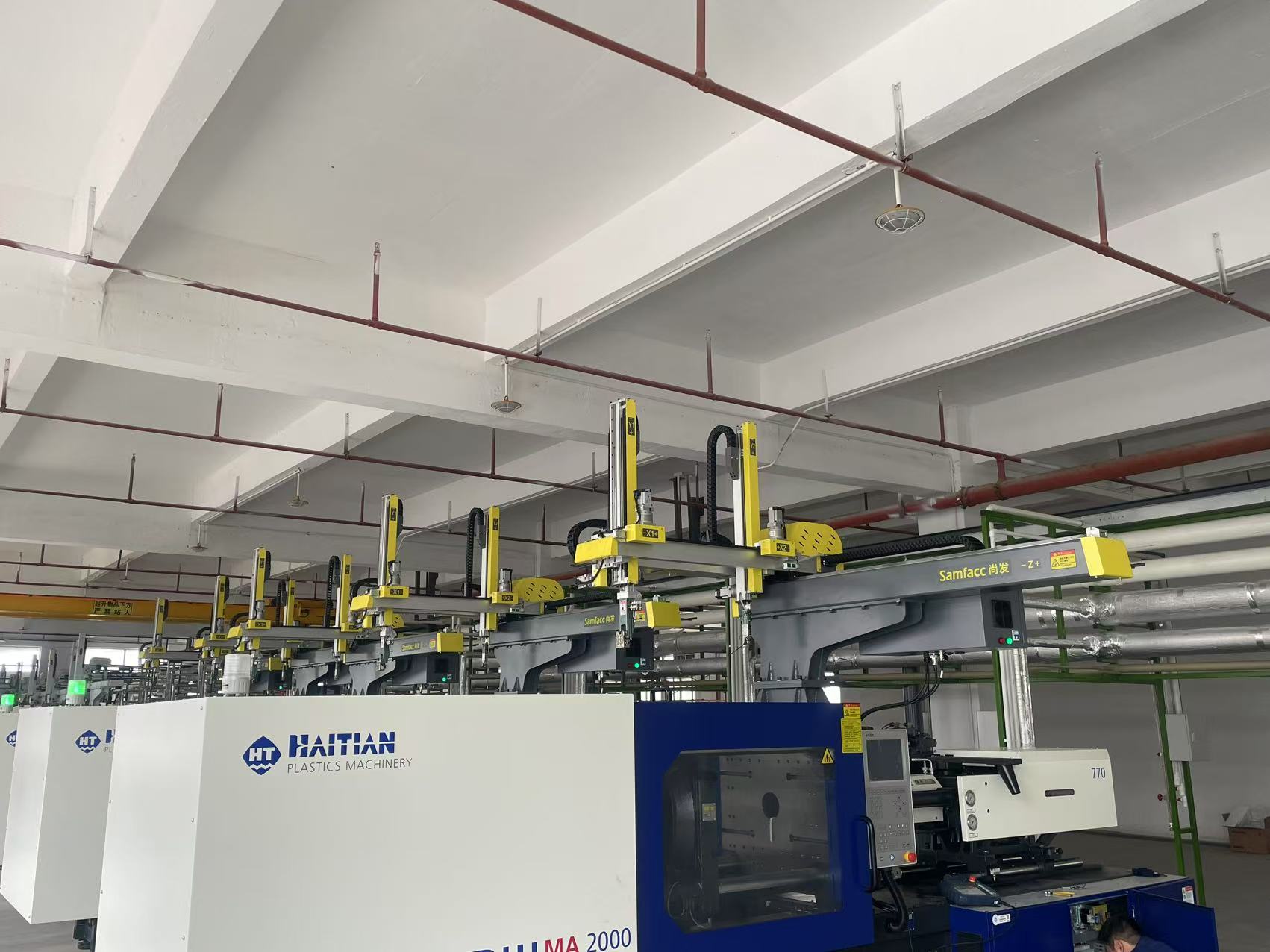
Production Line Robot (3)

Challenges of Implementing an Industrial Robot

  • System Integration:

Integrating a production line robot into an existing manufacturing environment requires careful planning. Manufacturers must ensure compatibility with equipment, software platforms, and production processes. A successful implementation often involves evaluating workflow requirements before deployment.

  • Workforce Development:

While automation can free up hands and reduce mechanical labor, highly skilled technical personnel remain irreplaceable. Employees must understand robot programming, operation, troubleshooting, and maintenance. Training programs help organizations maximize the benefits of robotic technology while supporting workforce development.

  • Initial Investment Considerations:

Despite the equipment, installation, and integration costs of robotic systems, many manufacturers value the long-term improvements in capacity, quality, and efficiency when evaluating these investments.

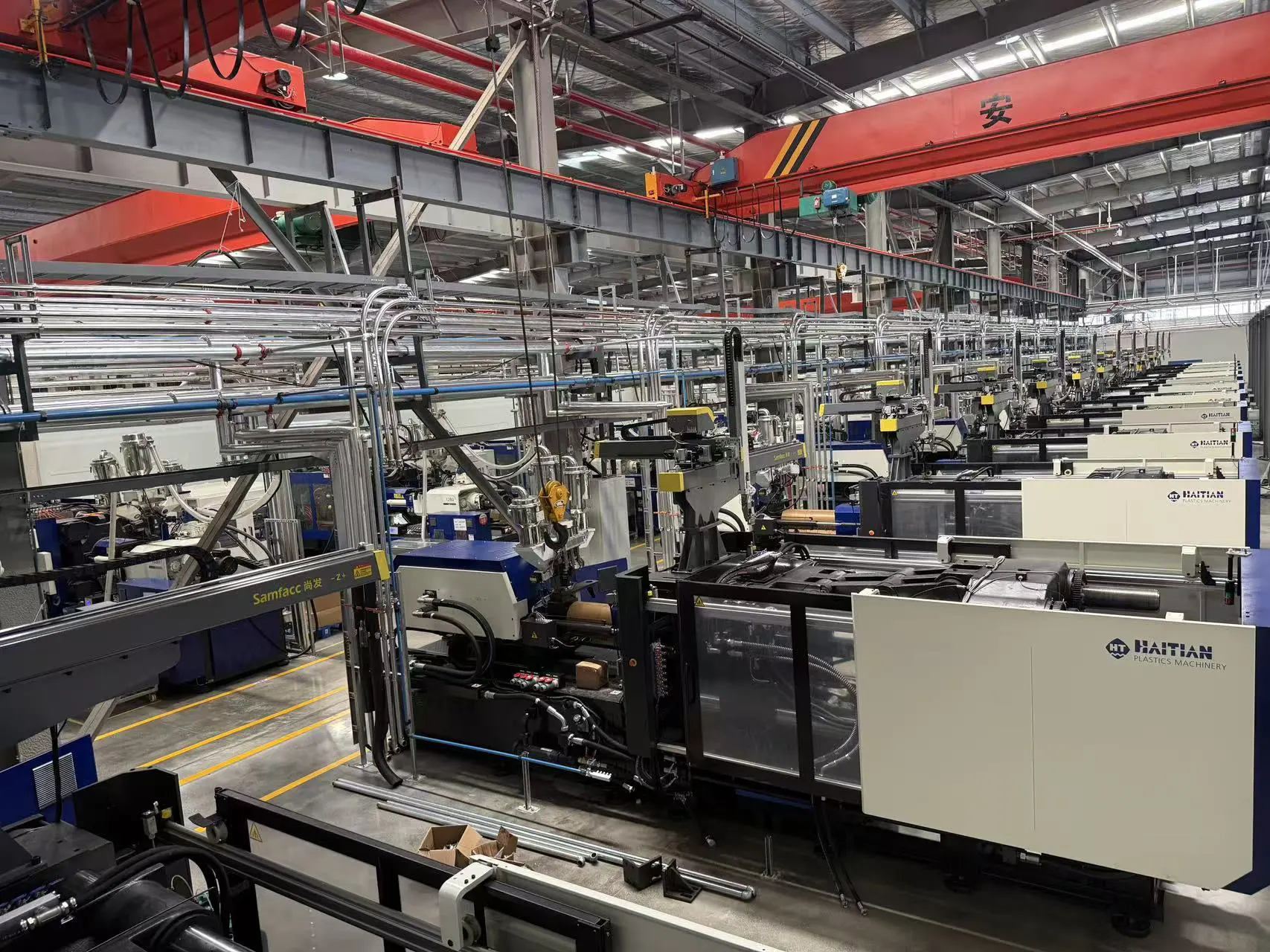
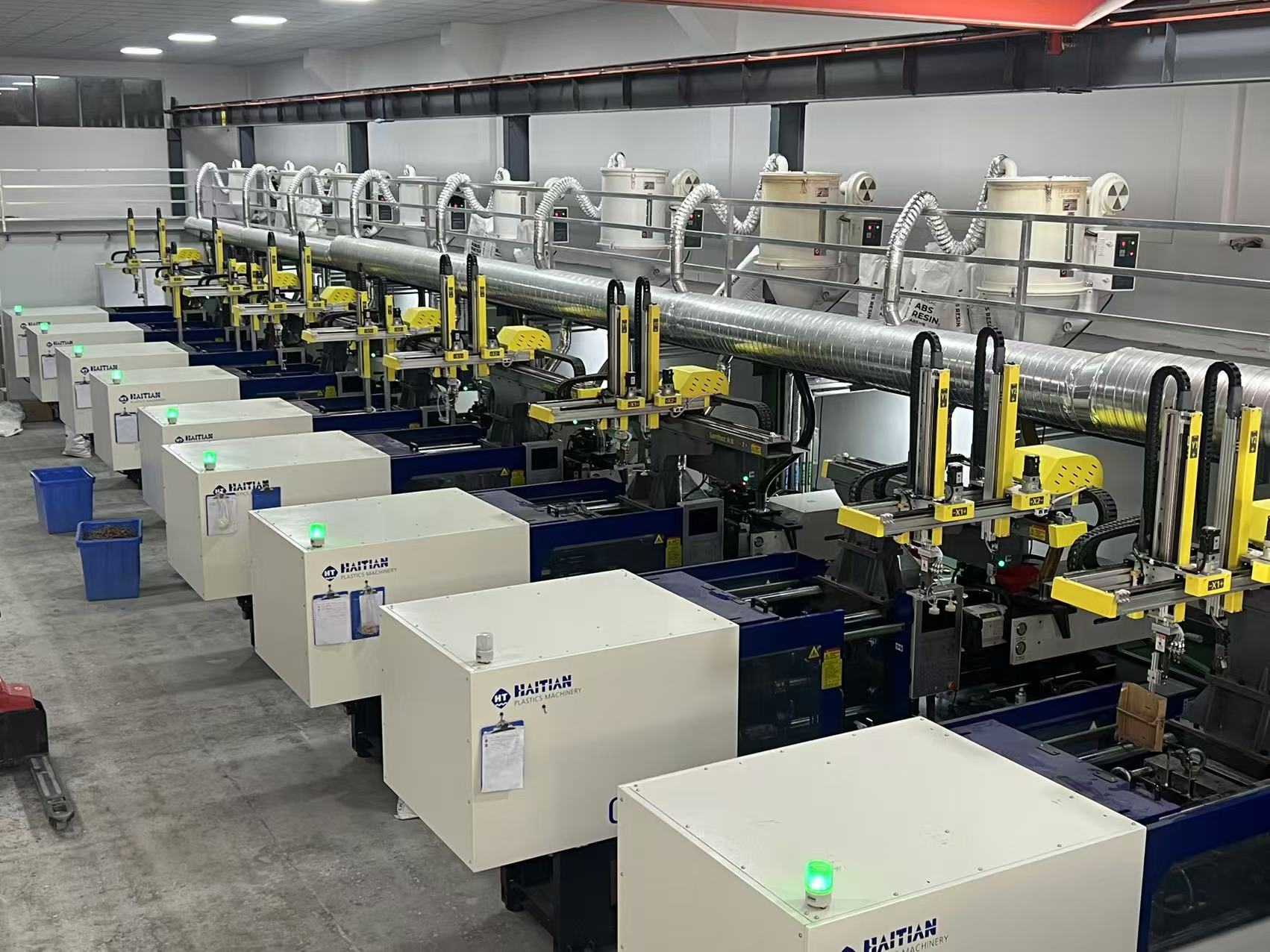
Production Line Robot (1)

结论

A production line robot has become an essential technology for smart factories because it improves efficiency, consistency, flexibility, and data visibility across manufacturing operations. From assembly and material handling to quality inspection and AI-driven optimization, robotic systems help manufacturers meet the demands of modern production. As Industry 4.0 technologies continue to advance, the role of the industrial robot will only become more significant in creating smarter and more connected manufacturing environments. Looking to introduce efficient robotic solutions to your factory? Feel free to 联系我们 anytime for detailed information and professional customized services!

类别

相关帖子

Automation Assembly2
Robot Automation System
Pick And Place Automation System 1
automated plastic1
滚动至顶部